


05 November, 2026
Traditional Vietnamese foods reflect the country’s rich heritage, regional diversity, and love for balance. From the delicate flavors of the North to the bold spices of the Central region and the vibrant sweetness of the South, each dish tells a story of culture, climate, and community that defines authentic Vietnamese cuisine.
Where is Vietnam?
Vietnam is a Southeast Asian country located along the eastern coast of the Indochinese Peninsula, sharing borders with China to the north, Laos and Cambodia to the west, and the East Sea (or South China Sea) to the east.
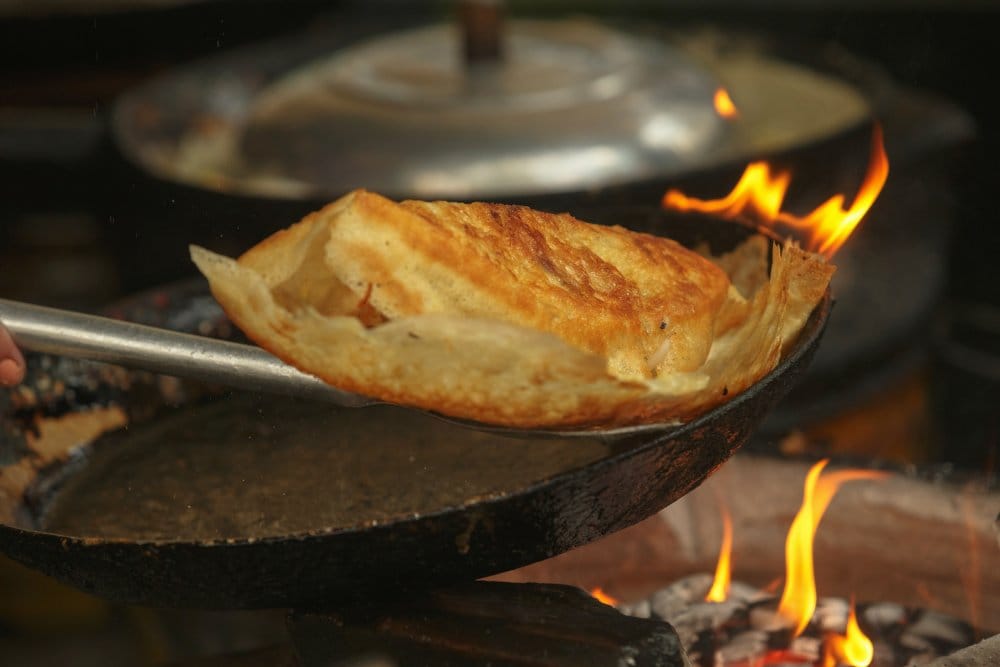
A journey through the delicate, spicy, and sweet profiles of Vietnam’s regional cuisine
Vietnam is known for its diverse geography from misty mountains and fertile deltas to golden beaches and bustling cities. This long, slender shape gives rise to distinct regional cultures and cuisines, each offering its own flavors and cooking traditions.
What Makes Vietnamese Cuisine Unique?
Vietnamese cuisine stands out for its balance of flavors, freshness of ingredients, and deep connection to regional culture. Each dish harmonizes the five fundamental tastes, sweet, sour, salty, bitter, and umami, creating a delicate yet vibrant flavor profile.
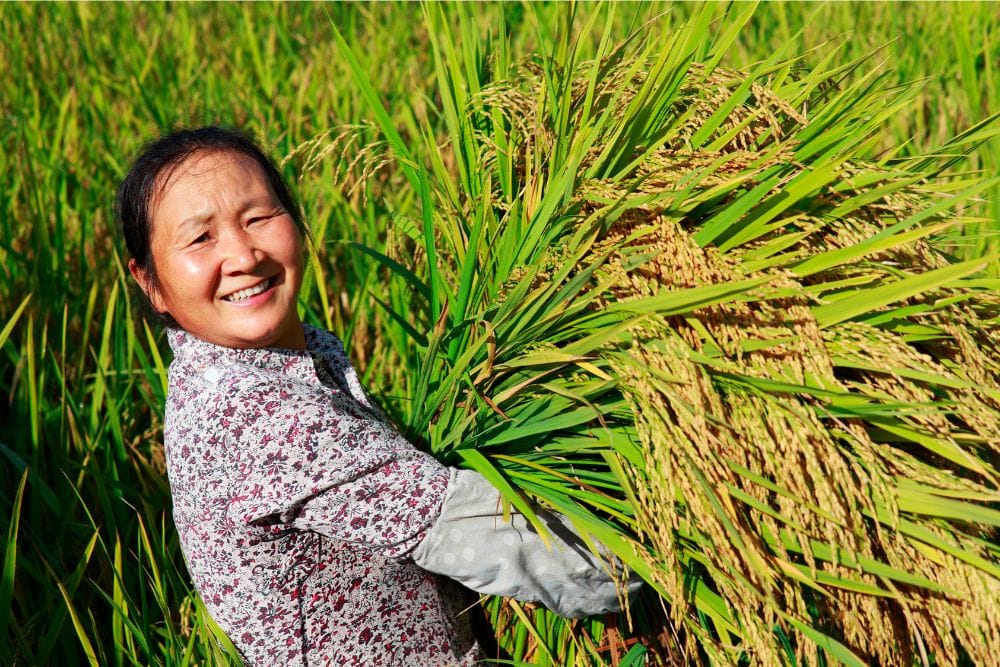
The art of balance: Fresh herbs, rice, and colorful ingredients coming together to create authentic Vietnamese flavors
Herbs, rice, and fish sauce are essentials in almost every meal, while the use of fresh vegetables and light cooking methods reflects the Vietnamese love for simplicity and health. Beyond taste, food in Vietnam also tells stories of geography, climate, and the people who cherish tradition in every bowl.
Traditional Vietnamese Food: Exploring the Flavors of Vietnam’s Three Regions
Vietnam’s traditional cuisine reflects the country’s long history, diverse geography, and vibrant regional cultures. From the elegant dishes of the North to the spicy specialties of the Central region and the rich, sweet flavors of the South, every area offers a unique taste of Vietnamese heritage. Food is not just nourishment, but a celebration of balance, community, and the art of living well.
Traditional Vietnamese Food in the North Region
1. Phở (Vietnamese Noodle Soup)
The quintessential Vietnamese noodle soup, Phở is often the first image that comes to mind when discussing traditional vietnamese foods. Originating in Northern Vietnam, this dish is a harmonious blend of simple yet profound elements.
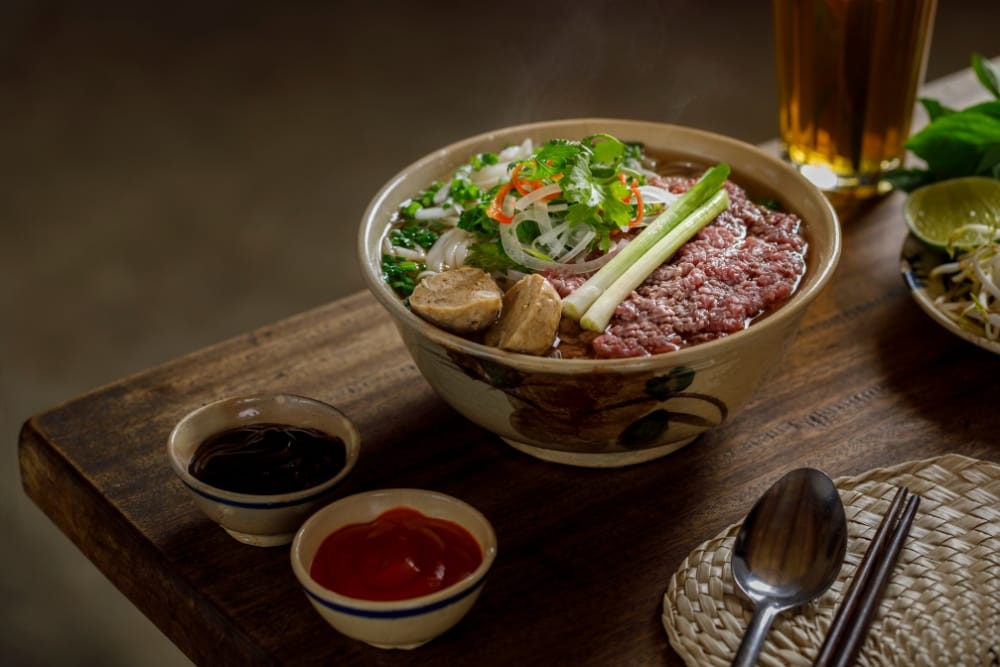
Tender beef slices floating in the perfectly clear, aromatic Phở broth, garnished with fresh herbs and lime
Its soul lies in the broth—a fragrant, clear liquid meticulously simmered for 8–12 hours with beef bones and a complex bouquet of spices, including star anise, cinnamon, and ginger. This deeply savory foundation is ladled over soft, flat rice noodles (bánh phở) and thin slices of tender beef (phở bò) or chicken (phở gà).
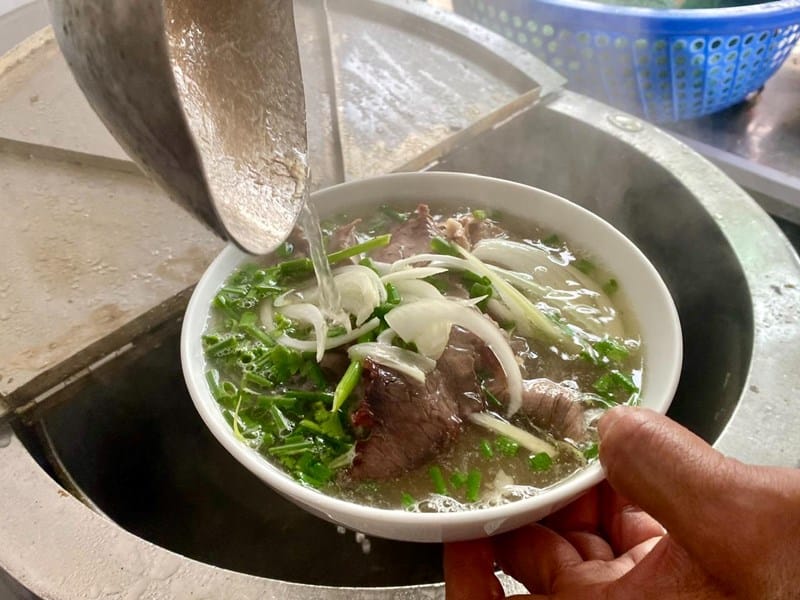
The signature clear broths and delicate seasoning that define Northern Vietnamese cooking
Served steaming hot, a bowl of Phở is typically garnished with fresh herbs, scallions, and a wedge of lime, allowing the eater to customize the balance of flavors.
Recognized globally and celebrated annually, this noodle soup is not just a meal but a cultural symbol that embodies the delicate and refined character of Northern traditional vietnamese foods.
2. Bún Chả (Grilled Pork with Vermicelli)
Bún Chả is a definitive Hanoi street food classic, recognized worldwide as one of the most beloved traditional vietnamese foods. This dish is a perfect illustration of Northern cuisine’s love for simple yet refined flavors.
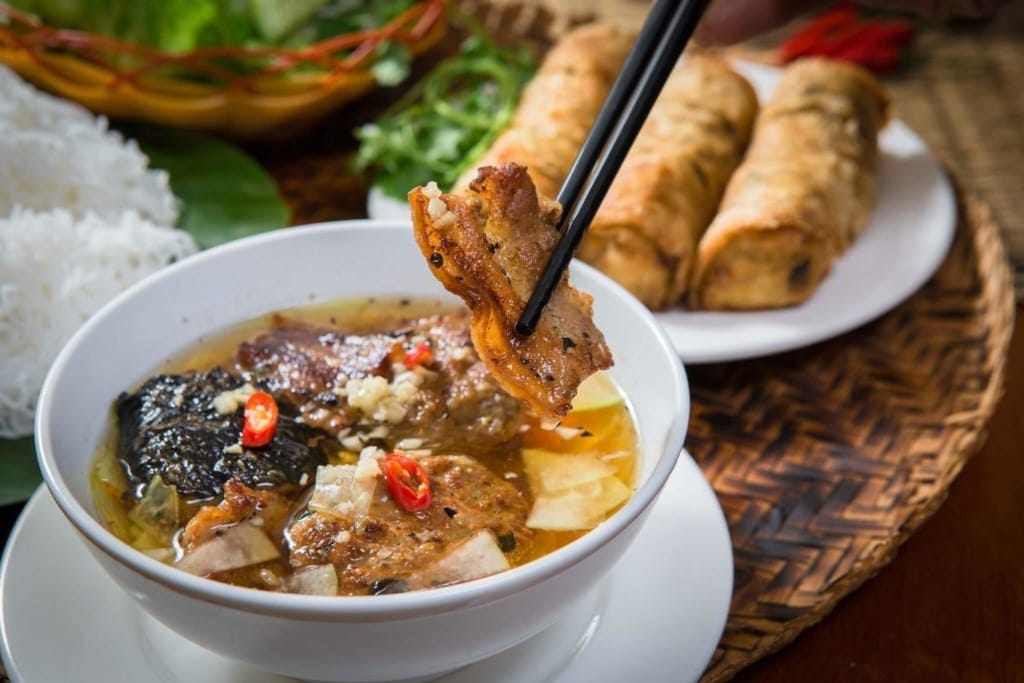
Charcoal-grilled pork patties and belly served alongside fresh rice noodles and a tangy dipping sauce
It consists of three main components: small grilled pork patties (chả), thinly sliced grilled pork belly, and cool vermicelli noodles. The magic of Bún Chả lies in the dipping sauce, a light, sweet-sour blend of fish sauce, sugar, vinegar, and garlic, often served warm with pickled carrots and green papaya.

Hanoi’s charm on a plate
The charred, smoky aroma of the charcoal-grilled pork blends exquisitely with the light tang of the dipping sauce and the fresh herbs, creating a harmonious and addictive flavor profile. Diners typically dip the noodles and herbs directly into the sauce bowl along with the grilled meat. This hands-on, flavorful, and aromatic experience solidifies Bún Chả‘s status as a must-try among traditional vietnamese foods.
3. bún thang
Bún Thang is a delicate and sophisticated noodle soup, regarded as one of Hanoi’s most elegant traditional vietnamese foods. Its essence lies in the refined, clear broth, meticulously simmered for hours using chicken bones and dried shrimp to achieve a light yet deeply flavorful base.
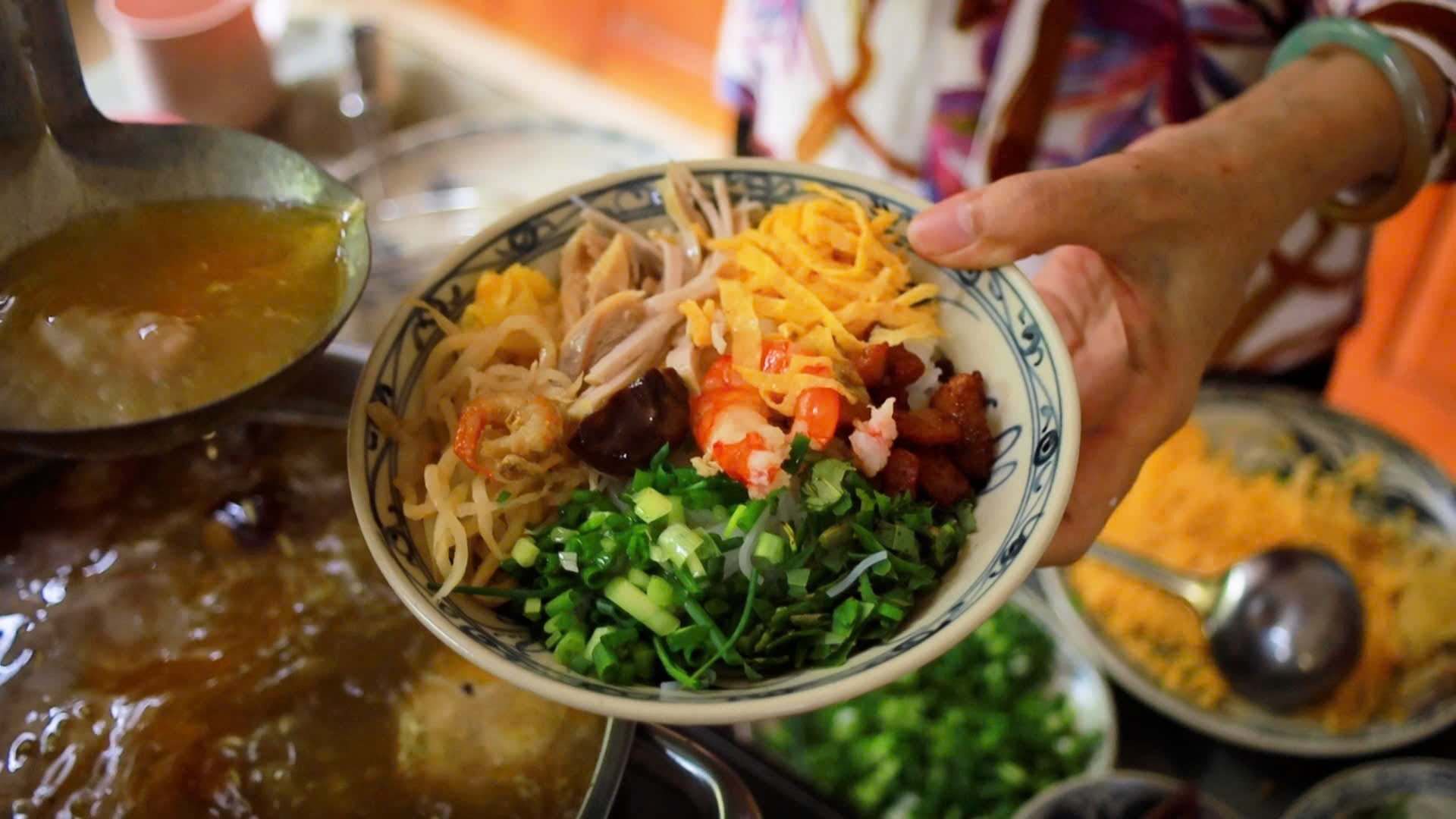
the pinnacle of Hanoi’s elegant traditional vietnamese foods
The dish is a testament to culinary artistry, often incorporating up to 20 different components, including shredded chicken, thinly sliced fried egg, Vietnamese pork sausage (giò lụa), dried shrimp, and shiitake mushrooms, all arranged in a beautiful, colorful mosaic.
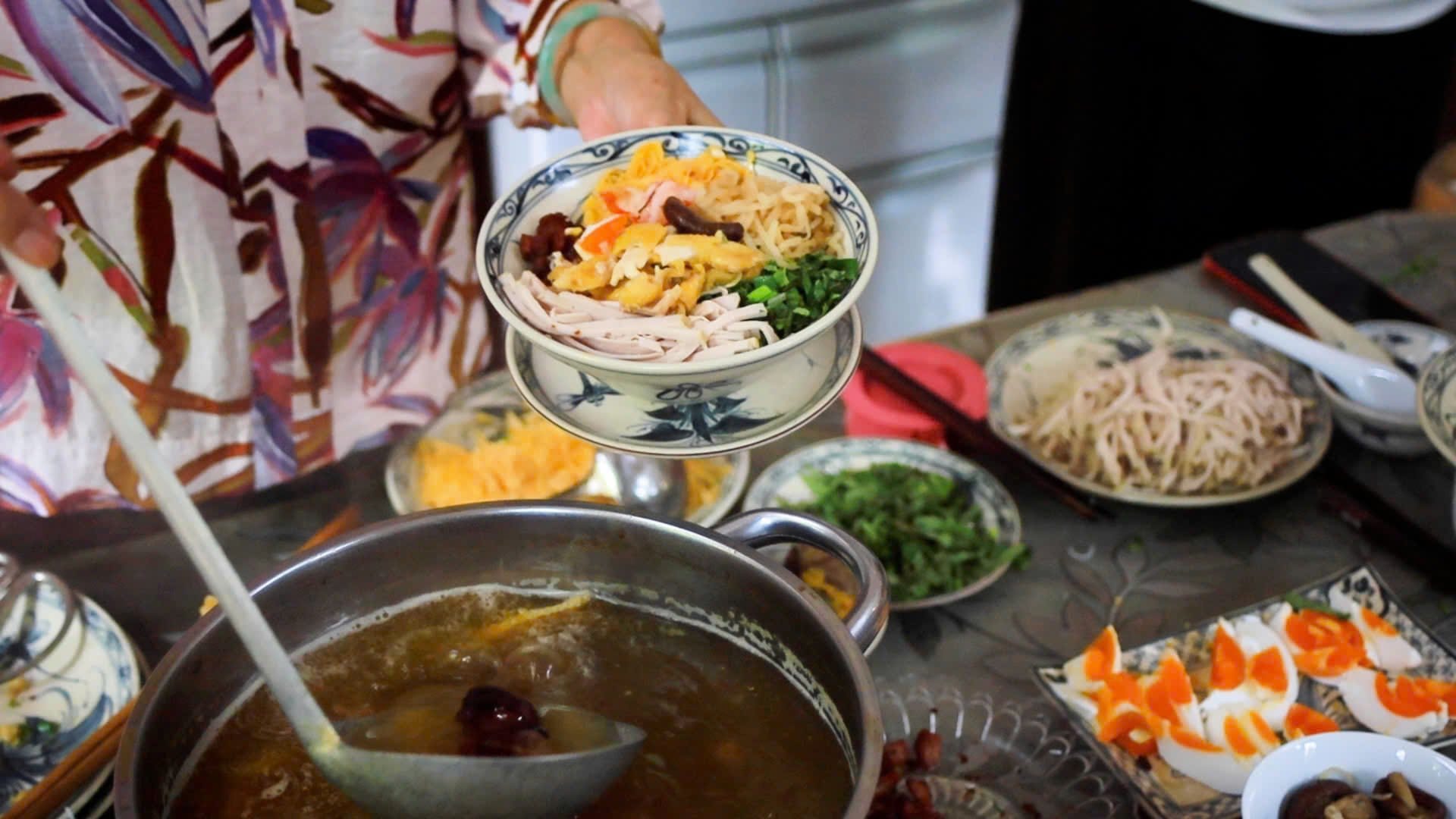
Fresh herbs, rice, and colorful ingredients coming together to create authentic Vietnamese flavors
The resulting flavor profile is harmonious and perfectly balanced, a gentle blend of sweet, savory, and umami tastes. Served as a light meal, Bún Thang is not just a dish but an expression of Northern Vietnamese cuisine’s love for elegance, balance, and presentation, making it a must-try among the wide variety of traditional vietnamese foods.
4. bún bò nam bộ
Representing the more rustic and street-food side of Hanoi’s cuisine, Bún Bò Nam Bộ (Southern-Style Beef Vermicelli Salad) is a vibrant and flavorful dry noodle dish.
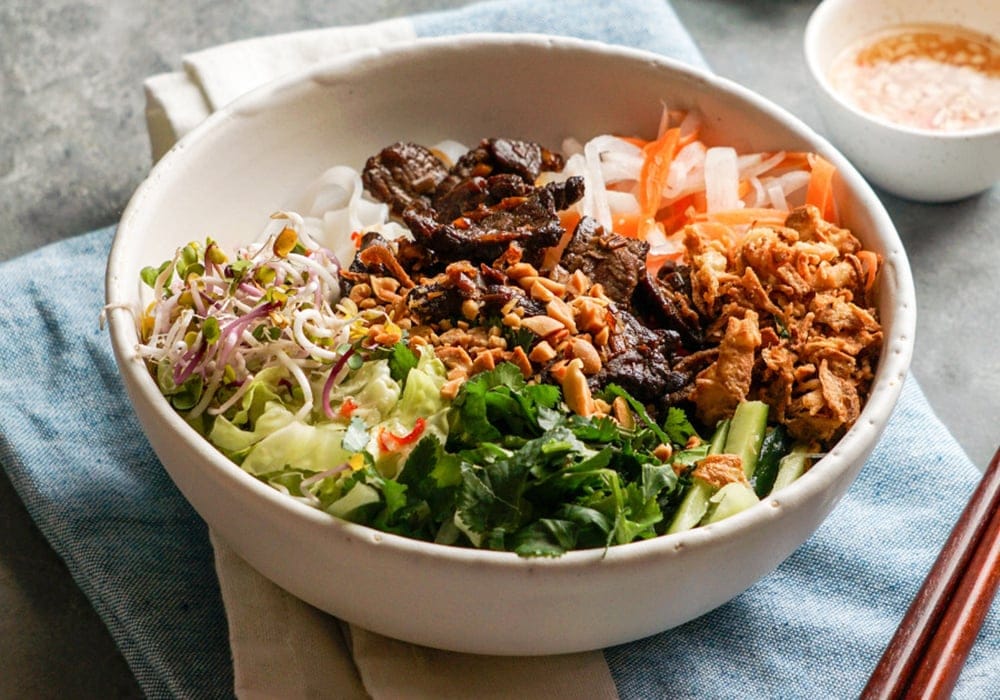
Representing the more rustic and street-food side of Hanoi’s cuisine
This delightful preparation showcases the Vietnamese preference for fresh herbs and textures. It features tender, stir-fried beef marinated in a savory sauce, served over a bed of cool vermicelli noodles, fresh lettuce, bean sprouts, and roasted peanuts. What sets this apart from other traditional vietnamese foods is the absence of broth; instead, the ingredients are generously drizzled with a quintessential Vietnamese sweet and sour fish sauce dressing (nước chấm).
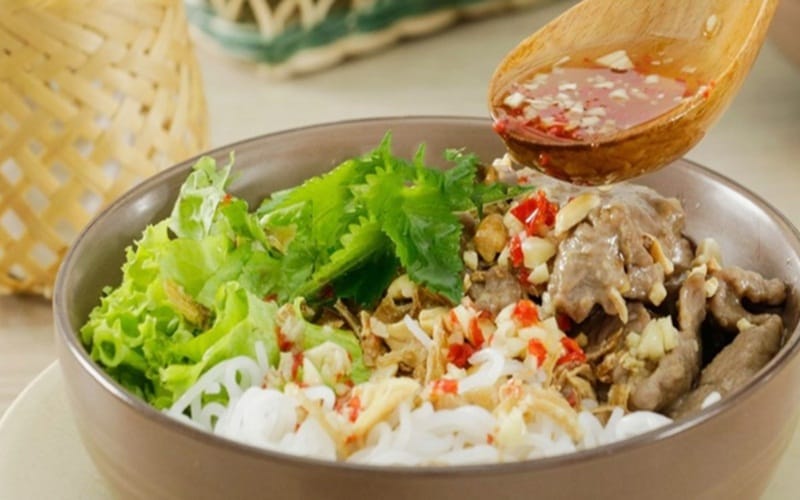
a vibrant and flavorful dry noodle dish
The mixing of all components creates a refreshing blend of warm, savory beef and cool, crunchy vegetables, providing a complex interplay of sweet, salty, sour, and spicy notes. It is a quick, satisfying, and iconic example of how traditional vietnamese foods balance simple ingredients for maximum flavor.
5. bánh đa cá rô đồng
Bánh Đa Cá Rô Đồng is a regional specialty, particularly popular in the coastal area of Hải Phòng, offering a taste of authentic Vietnamese countryside flavors. This hearty soup is centered around the flavorful and tender cá rô đồng (rice-field climbing perch). The fish is carefully prepared—either boiled, the meat deboned, and then often fried or sautéed with scallions.
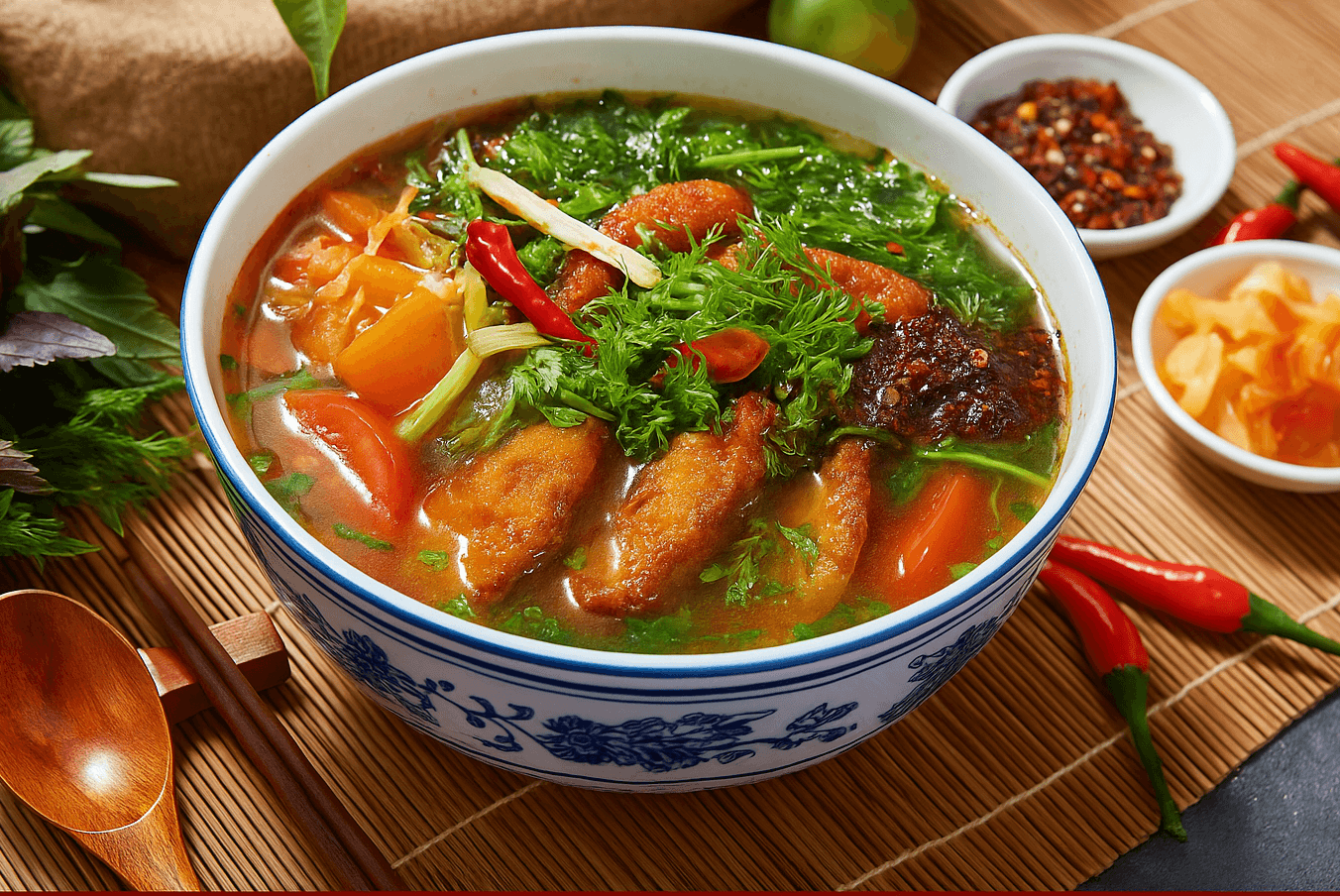
Bánh Đa Cá Rô Đồng is a regional specialty, particularly popular in the coastal area of Hải Phòng
The delicate, sweet broth is naturally derived from the fish bones. The most distinguishing feature of this dish is the use of thick, reddish-brown bánh đa noodles, which give the soup a chewy texture and a unique aroma. Garnished with fresh herbs and a slice of lime, the dish provides a wholesome and comforting warmth. It stands out among traditional vietnamese foods for its use of local, freshwater ingredients and simple, nourishing preparation, reflecting the mộc mạc (rustic) essence of Northern delta cuisine.
6. bún ốc
Bún Ốc (Snail Noodle Soup) is a beloved, comforting Hanoi staple, often savored during the cooler months. This classic traditional vietnamese foods dish is defined by its uniquely tangy and subtly sour broth, which gets its flavor from giấm bỗng (fermented rice vinegar).
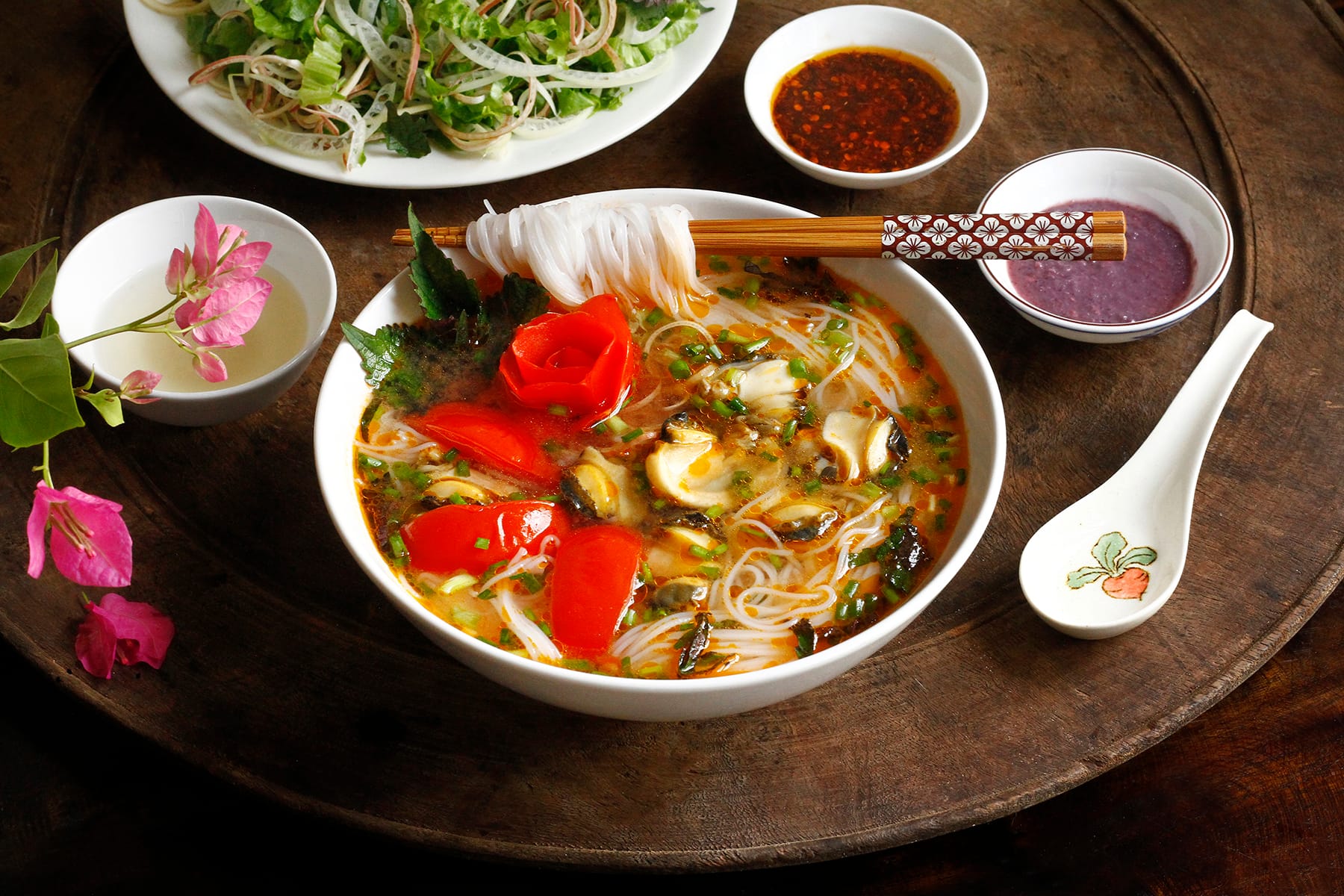
This classic traditional vietnamese foods dish is defined by its uniquely tangy and subtly sour broth
The broth is meticulously balanced with a savory depth from simmering pork or snail bones, creating a delightful contrast. The main protein is fresh, chewy river snails, which are carefully cleaned and often lightly stir-fried.
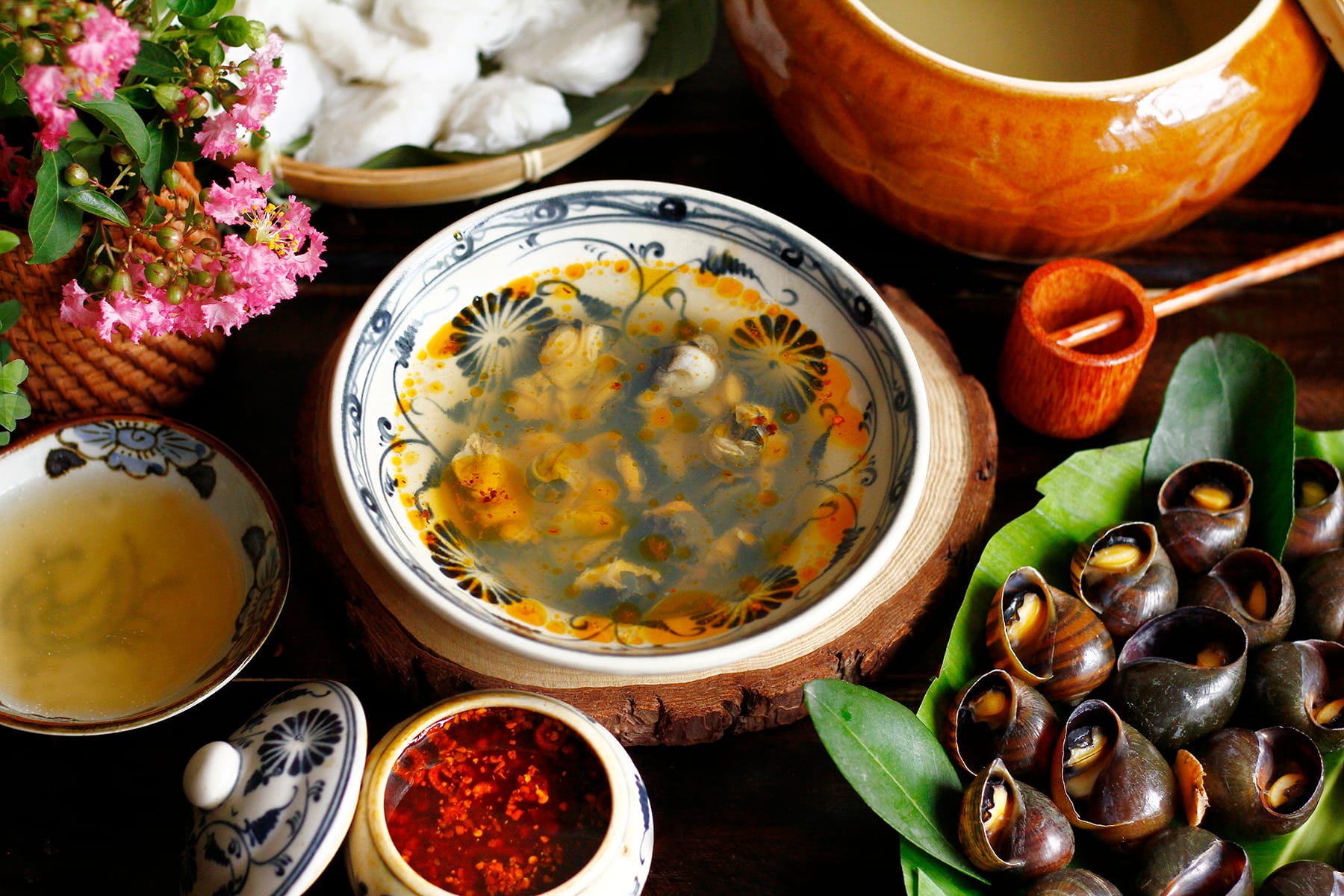
While a bowl of hot snail noodle soup is perfect for winter, bun oc nguoi (nguoi means cold) is the dish of choice in summer
The bowl is typically completed with fresh vermicelli noodles, fried tofu puffs, and a handful of fresh herbs. Served hot, the fragrant combination of the acidic broth, the rich savory notes, and the earthy snails provides a complex and deeply satisfying culinary experience. Bún Ốc perfectly captures the comforting and flavorful complexity found within Hanoi’s collection of traditional vietnamese foods.
7. Chả Cá Lã Vọng (Turmeric Fish with Dill)
More than just a dish, Chả Cá Lã Vọng is a ceremonial dining experience unique to Hanoi, solidifying its place among the most iconic traditional vietnamese foods.
This specialty features succulent pieces of fish (traditionally catfish or cá lăng) marinated in turmeric, galangal, and shrimp paste. The dining ritual is essential: the seasoned fish is served tableside, sizzling in a hot pan of oil with copious amounts of fresh dill and green onions.
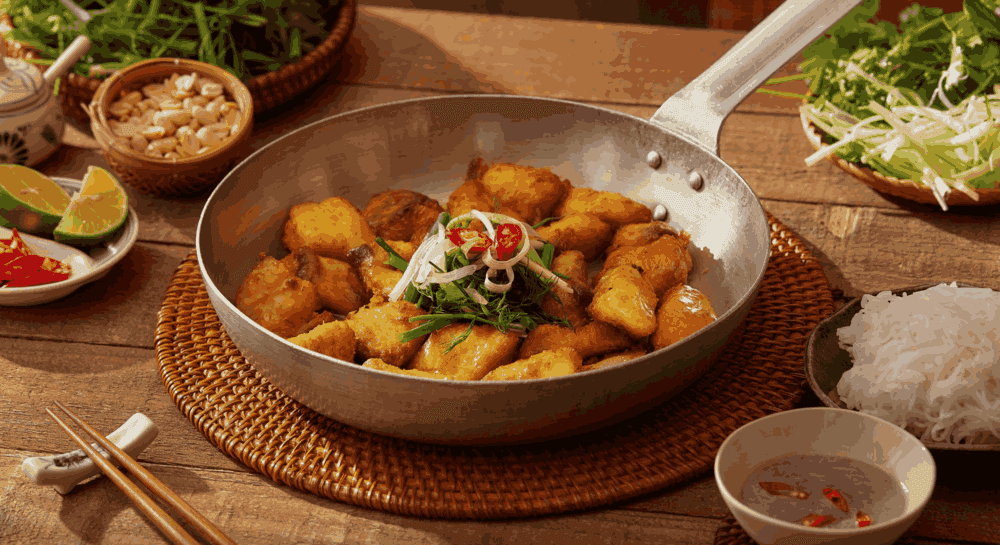
Chả Cá Lã Vọng solidifying its place among the most iconic traditional vietnamese foods
As the fish cooks to a golden crisp, it releases an intoxicating aroma. The finished product is then placed into a bowl with vermicelli noodles, roasted peanuts, and served with mắm tôm (fermented shrimp paste), which is meticulously mixed with lime juice and chili.
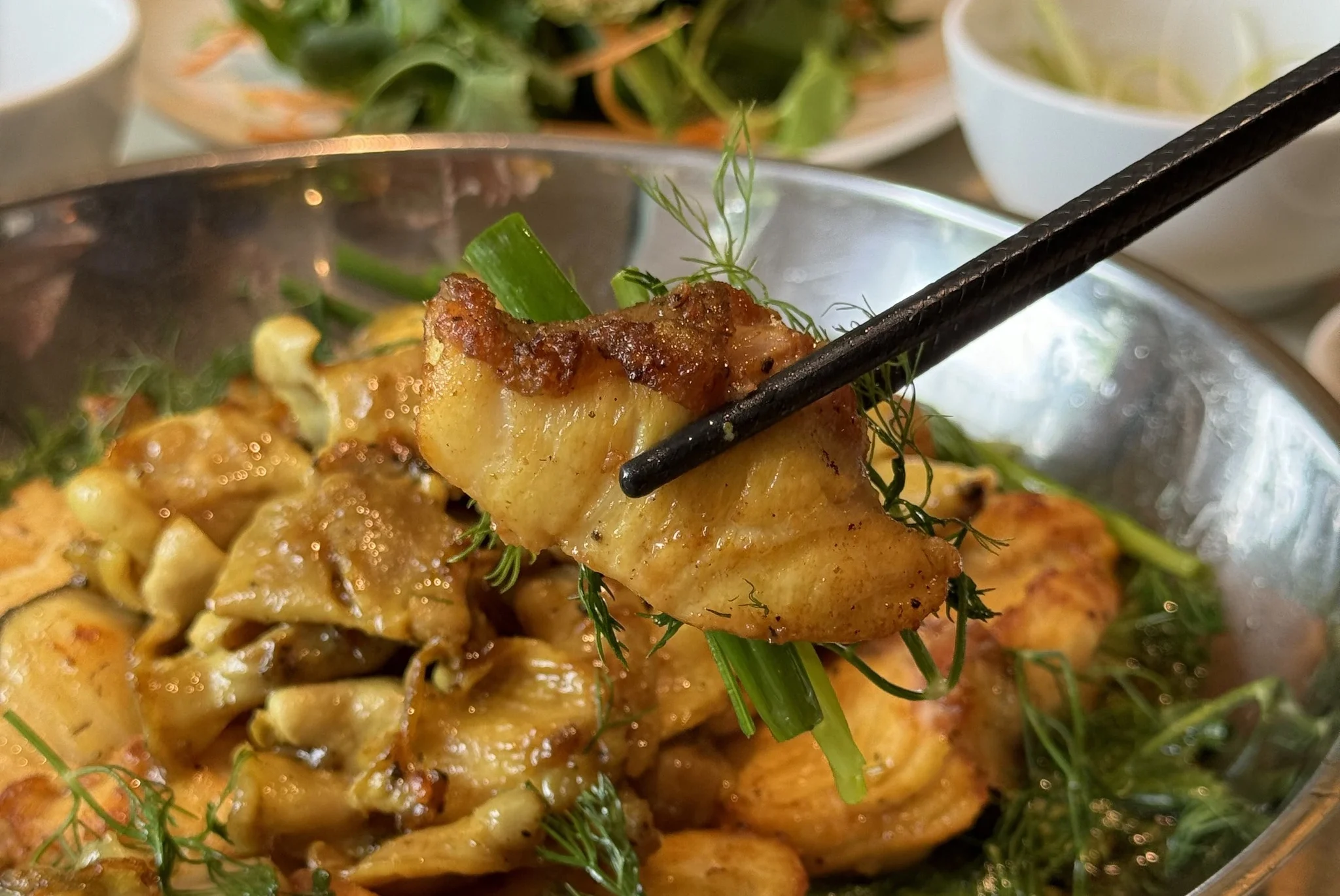
powerful explosion of savory, pungent, and aromatic flavors
The resulting combination is a powerful explosion of savory, pungent, and aromatic flavors, highlighting the bold sophistication of Northern traditional vietnamese foods.
8. Nem Cua Bể (Hai Phong Crab Spring Rolls)
Originating from the coastal city of Hải Phòng, Nem Cua Bể (Square Crab Spring Rolls) stands out amongst traditional vietnamese foods for its distinctive square shape and luxurious filling.
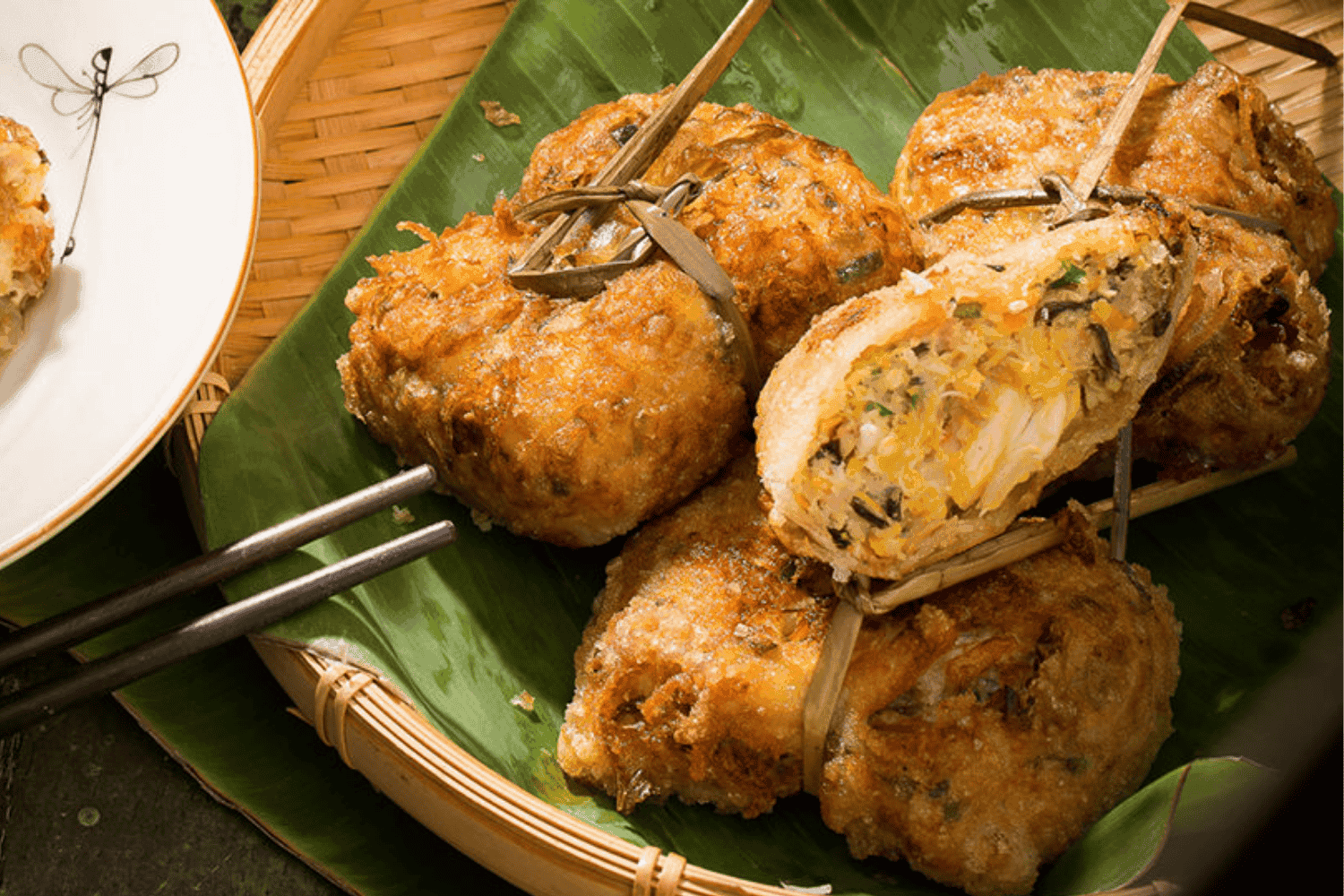
The unique square-shaped spring rolls, deep-fried until golden and bursting with fresh crab and shrimp filling
This culinary prestige is due to the rich interior, packed tightly with premium ingredients: fresh crab meat (cua bể), lean pork, glass noodles, shiitake mushrooms, and various spices. The rolls are deep-fried until the rice paper wrapper is golden and shatteringly crisp, sealing in the savory, fragrant filling.
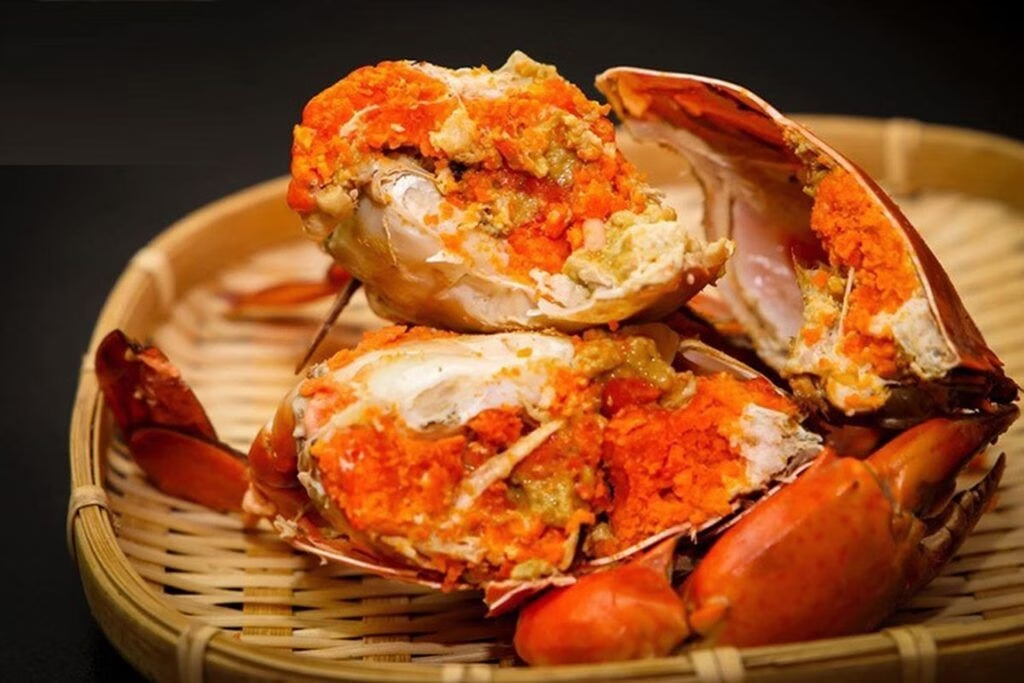
A perfect example of Northern coastal cuisine, balancing fresh ingredients with satisfying crispiness
Served hot with cool vermicelli noodles, fresh herbs, and a perfectly balanced sweet and sour fish sauce dip, Nem Cua Bể is a celebratory, textural delight. Its iconic square presentation often symbolizes prosperity and abundance during the Tết holiday, representing the rich seafood heritage of Northern Vietnam’s traditional vietnamese foods.
9. Thịt Dê Núi Ninh Bình (Ninh Binh Mountain Goat Meat)
A regional delicacy from Ninh Bình, Thịt Dê Núi (Mountain Goat Meat) is a prized component of Northern traditional vietnamese foods, renowned for its distinct flavor and texture. The goats thrive in the region’s unique limestone mountains, feeding on various forest leaves and medicinal herbs, which results in meat that is firm, lean, fragrant, and virtually fat-free.
Learn more about the best places to enjoy Ninh Binh’s authentic goat cuisine and specialties
Local culinary artistry transforms this goat meat into dozens of popular dishes, often highlighted by unique preparation methods. Favorites include dê tái chanh (rare, lime-dressed goat meat) and savory hot pots.
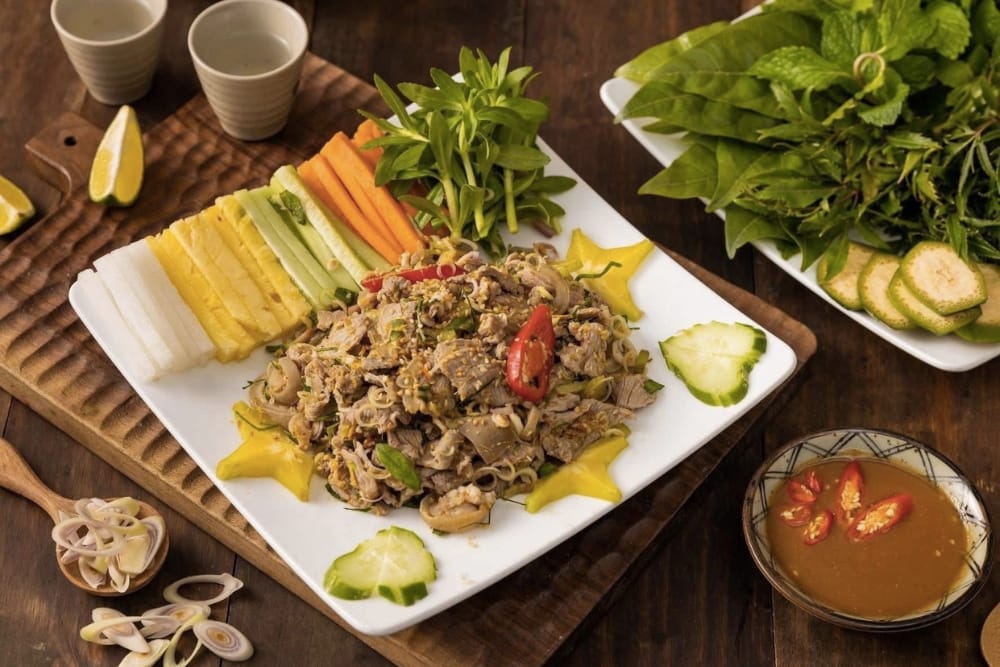
Tender goat meat from Ninh Bình’s limestone mountains, known for its lean, herbaceous taste
The meat is often served with local herbs, green bananas, and the essential dipping sauce: ginger-infused fermented soybean paste (tương gừng). This mountain specialty offers a robust, earthy experience that perfectly embodies the rugged and resourceful nature of this segment of traditional vietnamese foods.
Planning your trip to Vietnam? Don’t miss our Ninh Binh Day Trip and 2-Day Itinerary Guide to explore this stunning UNESCO World Heritage destination!
Traditional Vietnamese Food in the Central Region
1. Súp Lươn Nghệ An (Eel Soup from Nghe An)
A deeply comforting and distinct bowl of traditional vietnamese foods, Súp Lươn Nghệ An is a specialty from the rugged Central region. This soup centers around fresh eel (lươn), which is meticulously cleaned, deboned, and then lightly stir-fried with turmeric and hành tăm (a small shallot unique to the area) to impart a rich, earthy flavor and golden color.
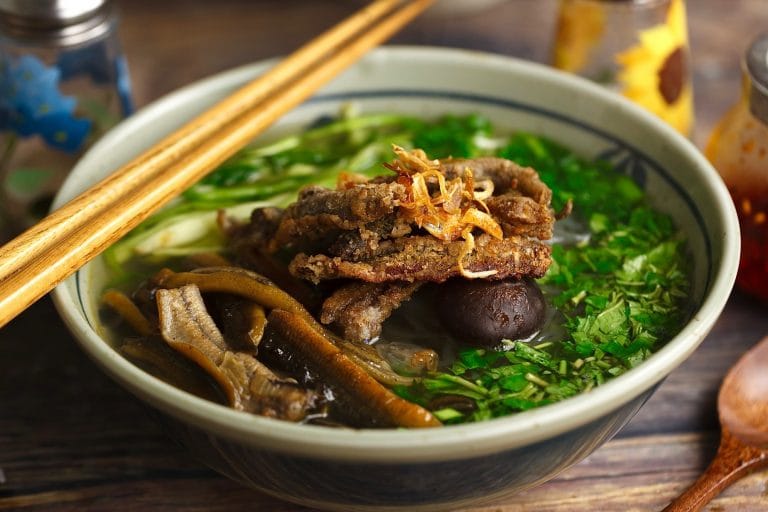
ender eel in a fragrant, slightly spicy broth, seasoned with lemongrass, chili, and pepper
The broth is delicately simmered from the eel bones and sometimes pork bones, resulting in a clear yet profoundly sweet and savory liquid, often thickened slightly to a soup-like consistency. The turmeric and hành tăm are essential, not only for flavor but also for effectively neutralizing the slight fishiness of the eel.
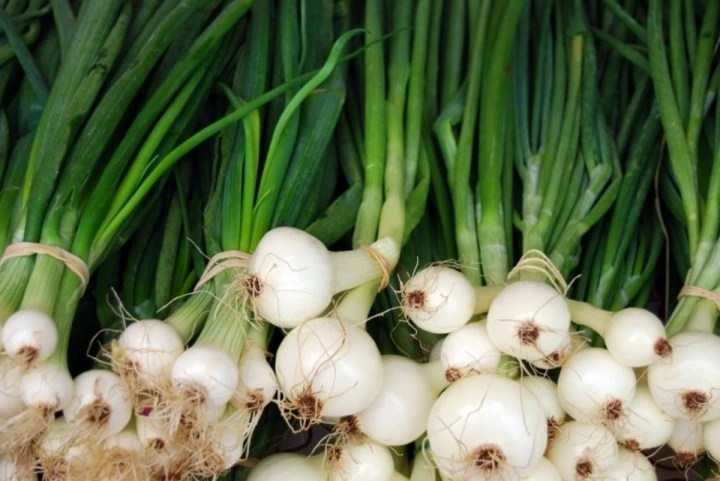
Using hành tăm and others herb, this soup delivers a bold Central Vietnamese intensity
Served piping hot, the dish is typically enjoyed with a warm, flat steamed rice sheet called bánh mướt or with bread. The aromatic combination makes this a robust and unique representation of Central traditional vietnamese foods.
2. Bánh Bèo, Bánh Lọc, Bánh Nậm (Hue Royal Cakes)
These three delicate rice flour cakes are the cornerstone of Hue’s refined, former imperial cuisine, representing some of the most intricate traditional vietnamese foods.
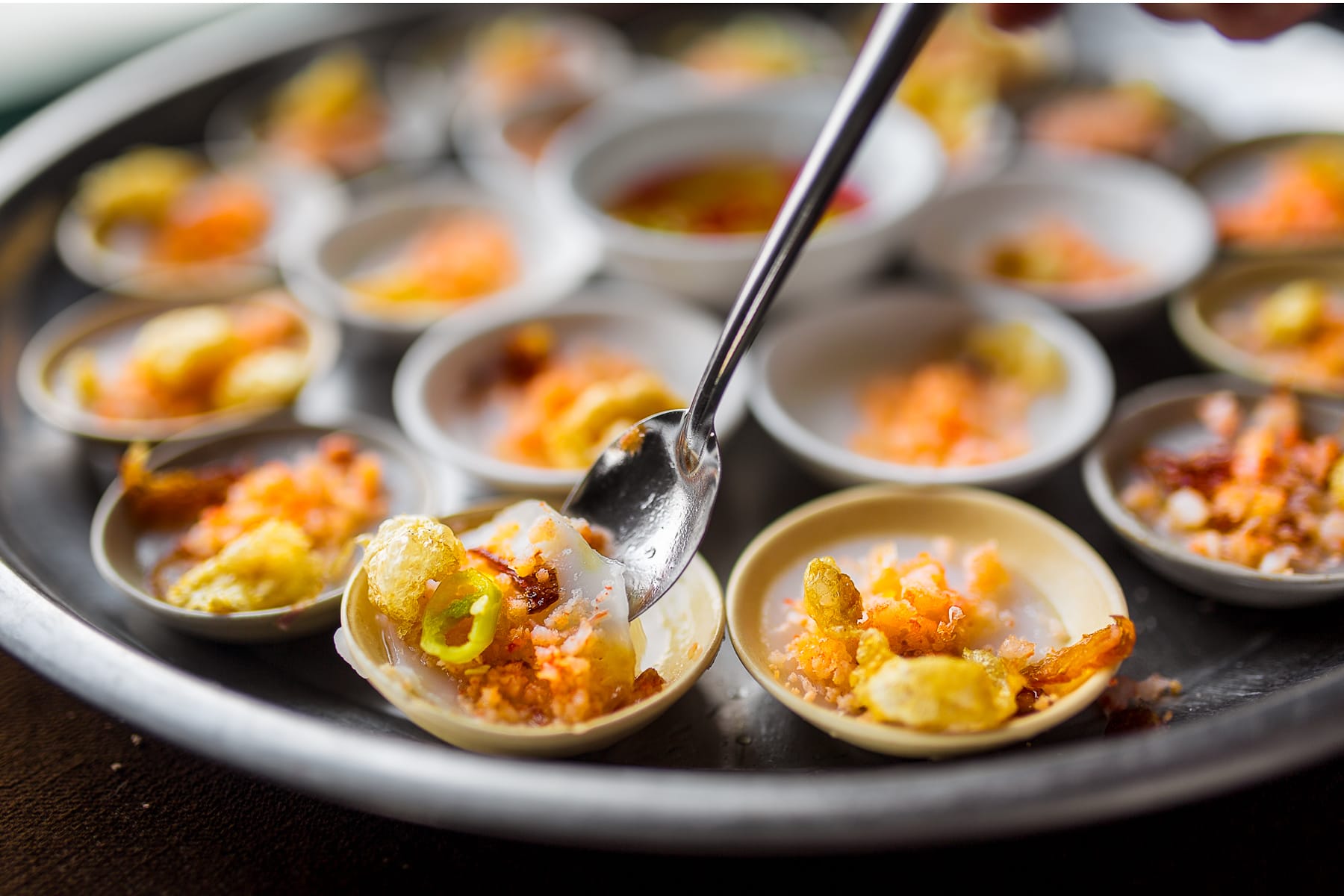
Showcasing the elegant and delicate royal cakes from Huế, the former imperial capital
They are often served together as a trio, each offering a distinct texture and experience. Bánh Bèo (fern-shaped cake) is a tiny, steamed disc topped with dried shrimp, crispy pork skin, and savory scallion oil, eaten with a bamboo spoon. Bánh Lọc is a translucent, chewy dumpling made from tapioca flour, typically filled with savory shrimp and pork belly, and often steamed wrapped in small banana leaves.
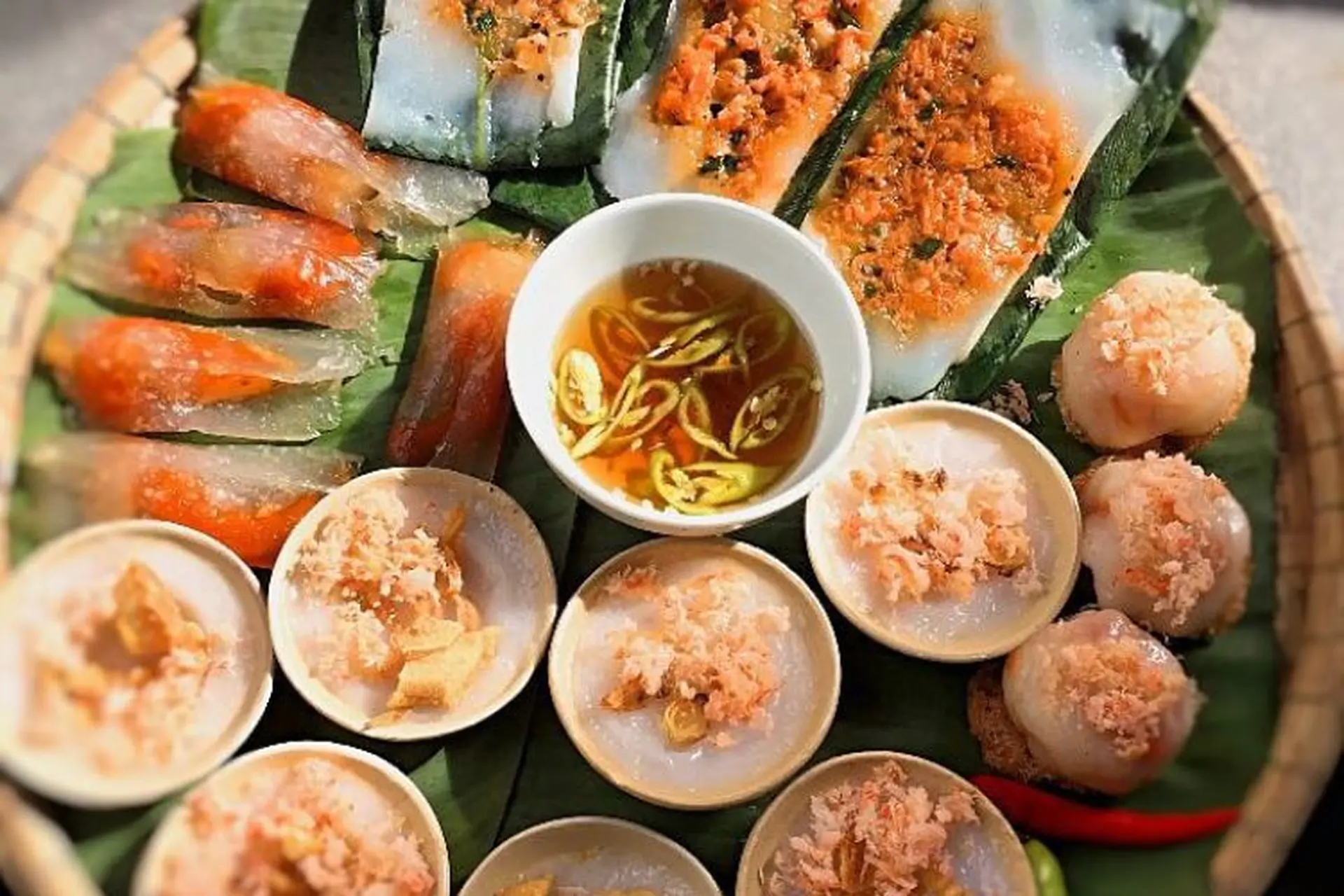
Chewy Bánh Lọc, smooth Bánh Nậm wrapped in banana leaves, and soft Bánh Bèo topped with shrimp
Bánh Nậm is a flat, thin cake made of rice flour and topped with ground shrimp and pork, then steamed inside a rectangular banana leaf packet. All three are served with a signature sweet and spicy fish sauce, showcasing the Central region’s preference for rich, well-seasoned, and visually appealing traditional vietnamese foods.
3. bún bò huế
Bún Bò Huế is arguably the Central region’s most famous contribution to the world of traditional vietnamese foods, originating from the former imperial capital of Huế. Unlike the subtle flavors of Northern Phở, this noodle soup is known for its intense, bold, and spicy profile.

The rich, savory broth is slow-cooked from beef bones and often includes pork hock, lemongrass, chili, and, crucially, fermented shrimp paste (mắm ruốc). This combination gives the broth its signature depth, aroma, and reddish hue.
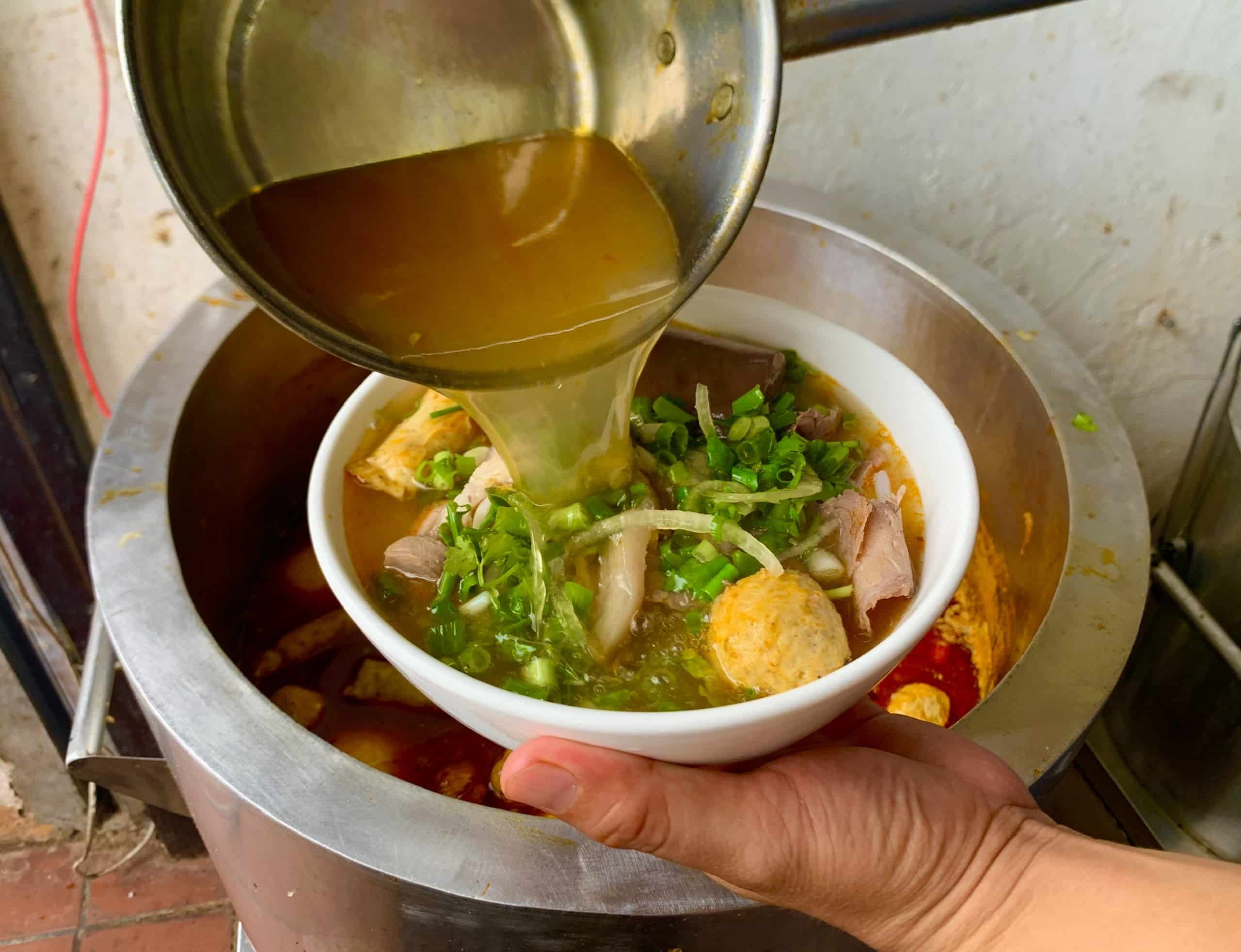
It is served with thick, round vermicelli noodles, generous slices of beef shank, and pork trotters, often including cubes of pig’s blood curd. A substantial and unforgettable meal, Bún Bò Huế embodies the Central region’s culinary character: spicy, flavorful, and deeply complex, a powerful representative of traditional vietnamese foods.
4. bún nghệ
Bún Nghệ (Turmeric Noodles with Innards) is a simple, rustic, and vibrant example of Central Vietnamese traditional vietnamese foods. Originating from provinces like Nghệ An, this dish is celebrated for its distinctive bright yellow color and earthy aroma, both derived from fresh, crushed turmeric. The core components are chewy vermicelli noodles and various cuts of pork offal (lòng lợn) or sometimes just pork, which are stir-fried together with the fresh turmeric.
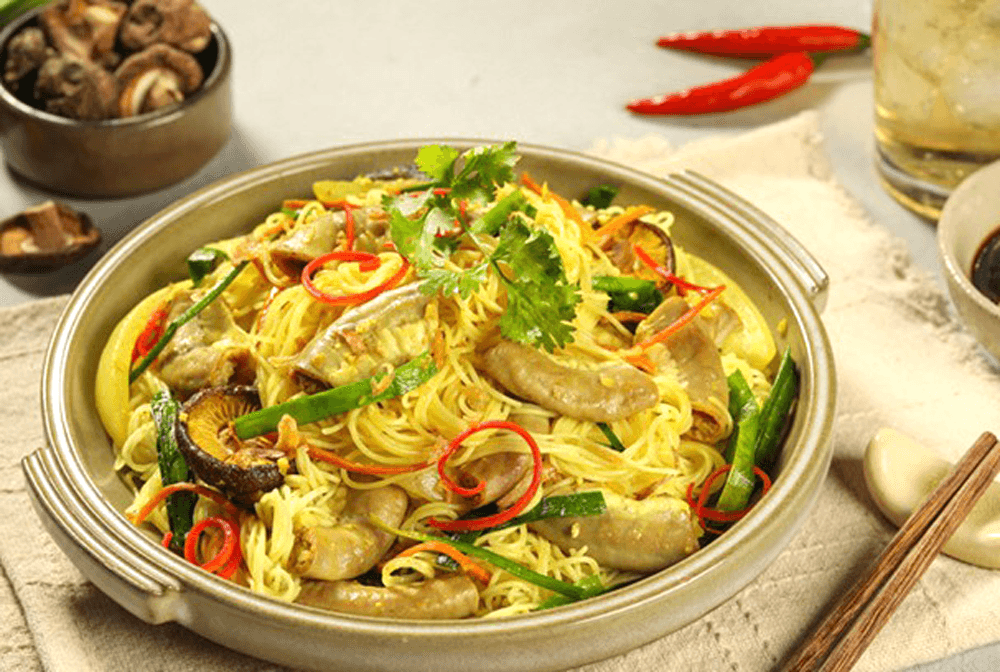
The use of turmeric not only adds flavor and color but also reflects the region’s resourceful cooking style, transforming humble ingredients into a flavorful and nourishing meal.
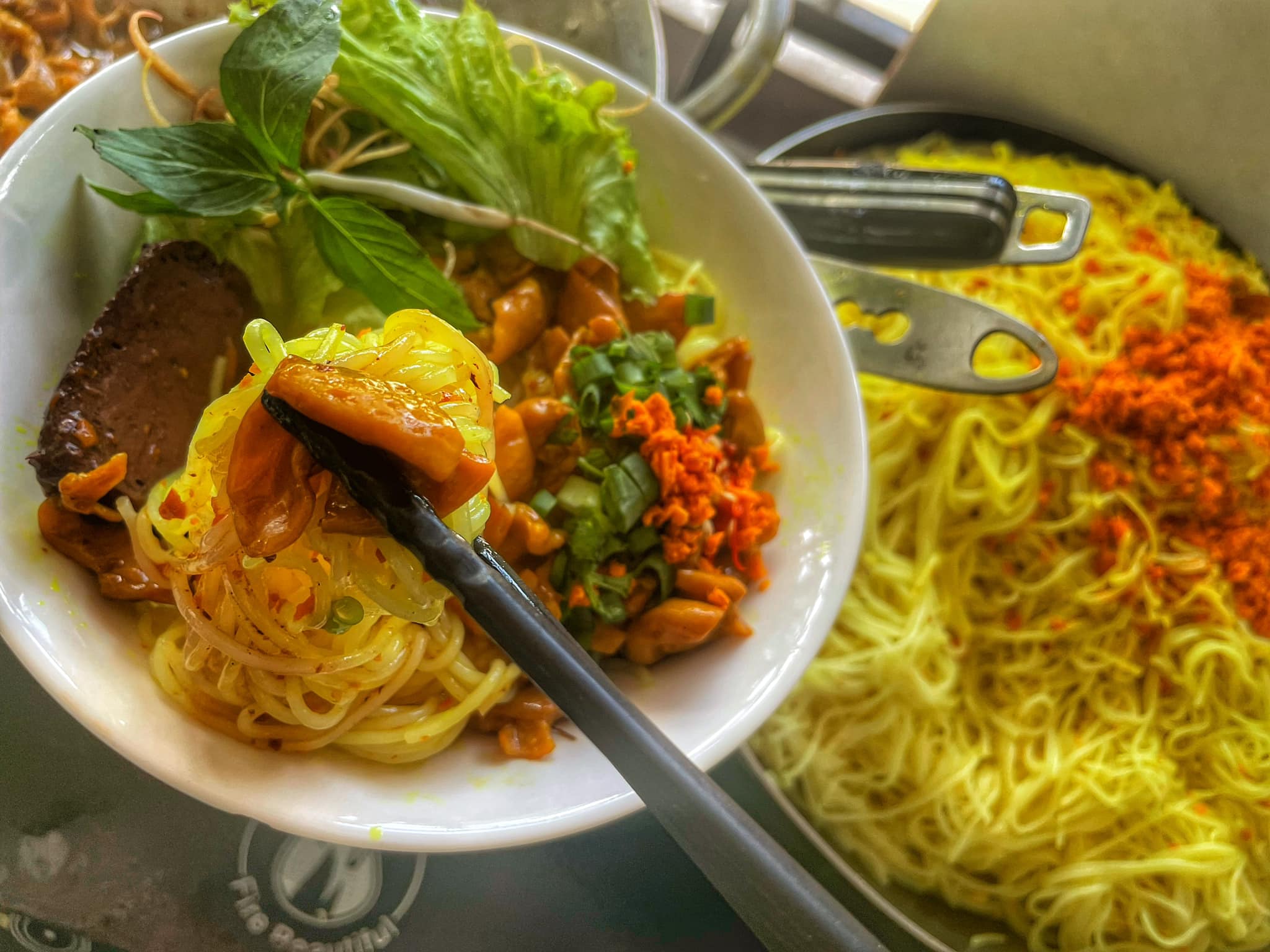
The distinct texture and savory toppings, capturing the ancient, diverse spirit of Viet Nam
Often served with a dusting of black pepper and a side of fresh herbs, the dish offers a savory, warm, and somewhat pungent taste. Bún Nghệ is a testament to the Central region’s focus on intense flavors and the ability of traditional vietnamese foods to utilize local spices for culinary depth.
5. Mì Quảng (Quang-Style Noodles)
Originating from the Quảng Nam province, Mì Quảng is an iconic Central Vietnamese dish that stands distinctly apart from other traditional vietnamese foods like Phở due to its unique preparation. It is characterized by thick, flat rice noodles that are often dyed yellow with turmeric, giving the dish its vibrant hue. The bowl is assembled with a variety of toppings, which may include shrimp, chicken, sliced pork, or a boiled quail egg.
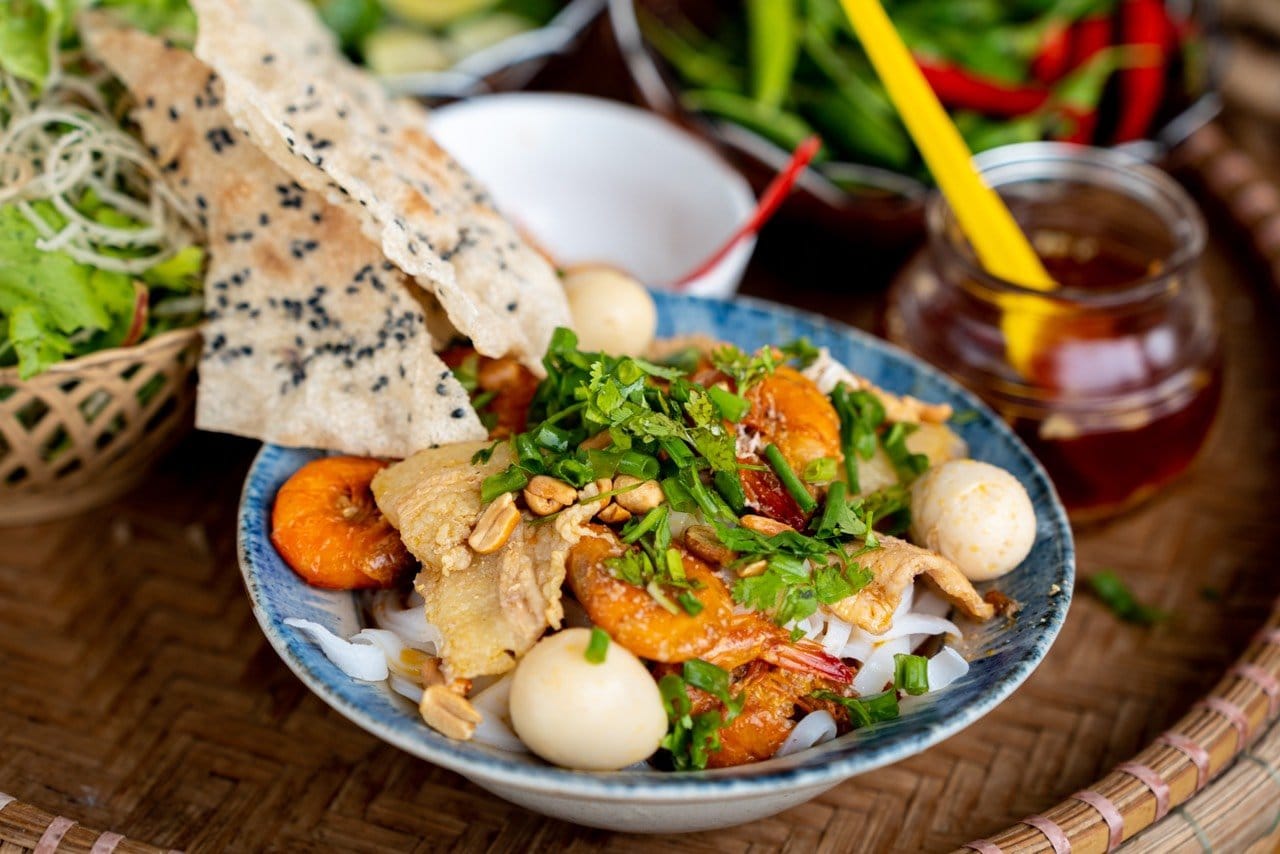
Turmeric-flavored noodles topped with shrimp, pork, quail eggs, and crispy sesame rice crackers.
Crucially, Mì Quảng is served with only a small amount of rich, concentrated broth—just enough to coat the ingredients, rather than submerging them. The final presentation is elevated by crushed roasted peanuts, fresh herbs, and a large, savory sesame rice cracker (bánh tráng), which is broken and mixed in for crunch. This harmonious blend of textures and bold flavors exemplifies the hearty nature of Central traditional vietnamese foods.
6. Cao Lầu (Hoi An Turmeric Noodles)
Cao Lầu is an ancient noodle dish considered the culinary soul of Hội An, steeped in local legend and reflecting the city’s history as a major Asian trading port. It is regarded as one of the most mysterious traditional vietnamese foods because its authenticity is said to rely on using water drawn exclusively from the ancient Bà Lễ well.
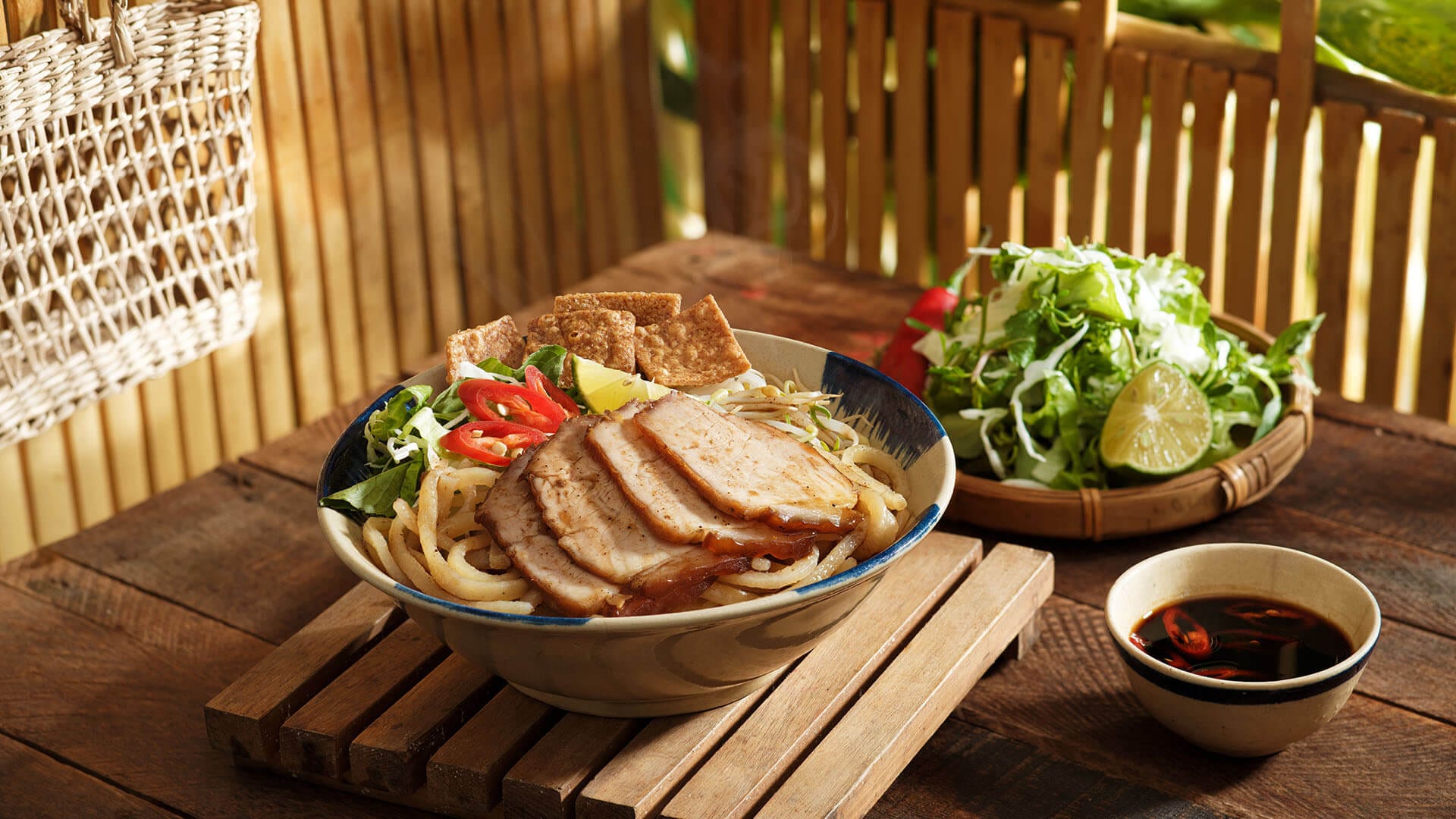
Garnishing the vibrant noodle dish with roasted char siu and fresh herbs for the perfect Central Vietnam flavor
The distinctive, thick, chewy noodles are served with a minimal amount of intensely savory, seasoned broth, thin slices of aromatic char siu pork (xá xíu), fresh herbs, bean sprouts, and crispy rice crackers. The name Cao Lầu itself translates to “high story,” suggesting it was once a delicacy enjoyed by wealthy merchants while dining on the upper floors of the ancient town.
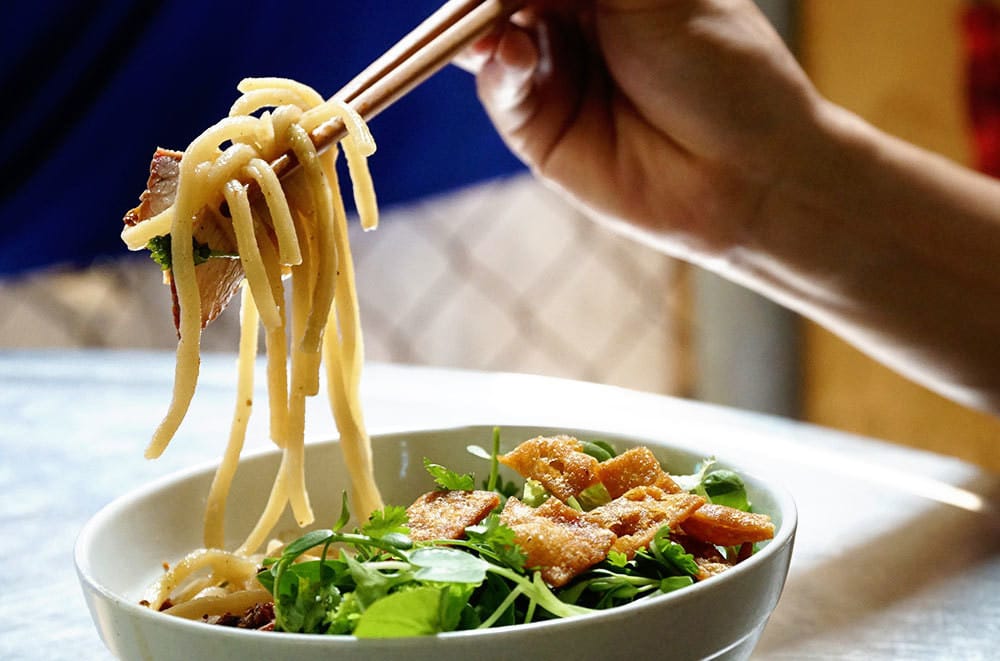
Chewy noodles made from local underground fresh water, combined with barbecue pork, crispy crackers, and fresh greens
This unique dish, blending Chinese char siu techniques with Japanese udon-like noodles and local Vietnamese herbs, is an unparalleled symbol of cultural fusion in Central traditional vietnamese foods.
7. Cơm Gà Nha Trang (Nha Trang Chicken Rice)
Hailing from the beautiful coastal city of Nha Trang, Cơm Gà Nha Trang is a simple yet profoundly flavorful plate that is among the city’s most beloved traditional vietnamese foods. The key to this dish lies in the meticulous preparation of the rice: it is cooked in chicken broth with a dash of turmeric and often pandan leaves, giving the grains a signature vibrant yellow color, fragrant aroma, and rich, savory taste.
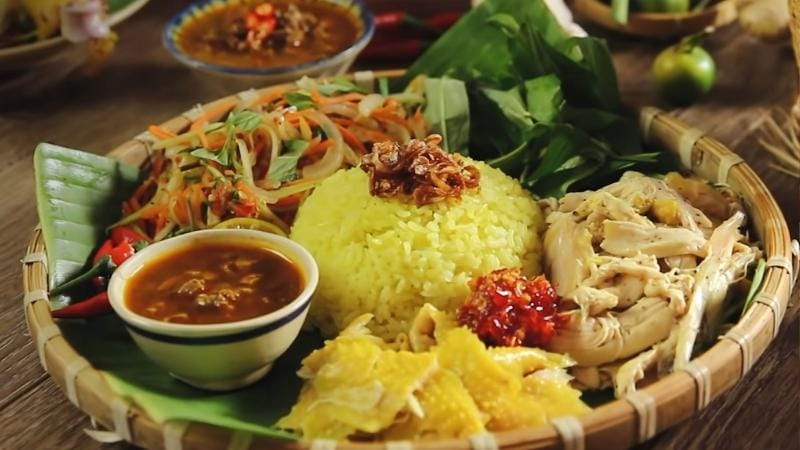
Fragrant rice cooked in chicken broth and turmeric, served with tender shredded chicken
The rice is then paired with tender chicken, which is either boiled or lightly fried, and served shredded or in large, succulent pieces. A plate of Cơm Gà is incomplete without the sharp, zesty dipping sauce—a blend of fish sauce, chili, and garlic—and a side of pickled vegetables. This dish exemplifies Central Vietnamese cuisine’s focus on elevating staple ingredients through careful technique, making it a must-try example of traditional vietnamese foods.
Traditional Vietnamese Food in the South Region
Southern Vietnam is known for its vibrant, colorful, and naturally sweet cuisine, influenced by tropical ingredients and the region’s fertile Mekong Delta.
1. Hủ Tiếu Nam Vang (Phnom Penh Noodle Soup)
A quintessential Southern Vietnamese noodle soup, Hủ Tiếu Nam Vang is a fascinating example of how traditional vietnamese foods blend with neighboring cuisines. Its name translates to “Phnom Penh noodles,” reflecting its Cambodian and Chinese origins that came to Vietnam via Chinese immigrants. This clear noodle soup uses thin, chewy rice noodles and an aromatic pork broth simmered for hours.
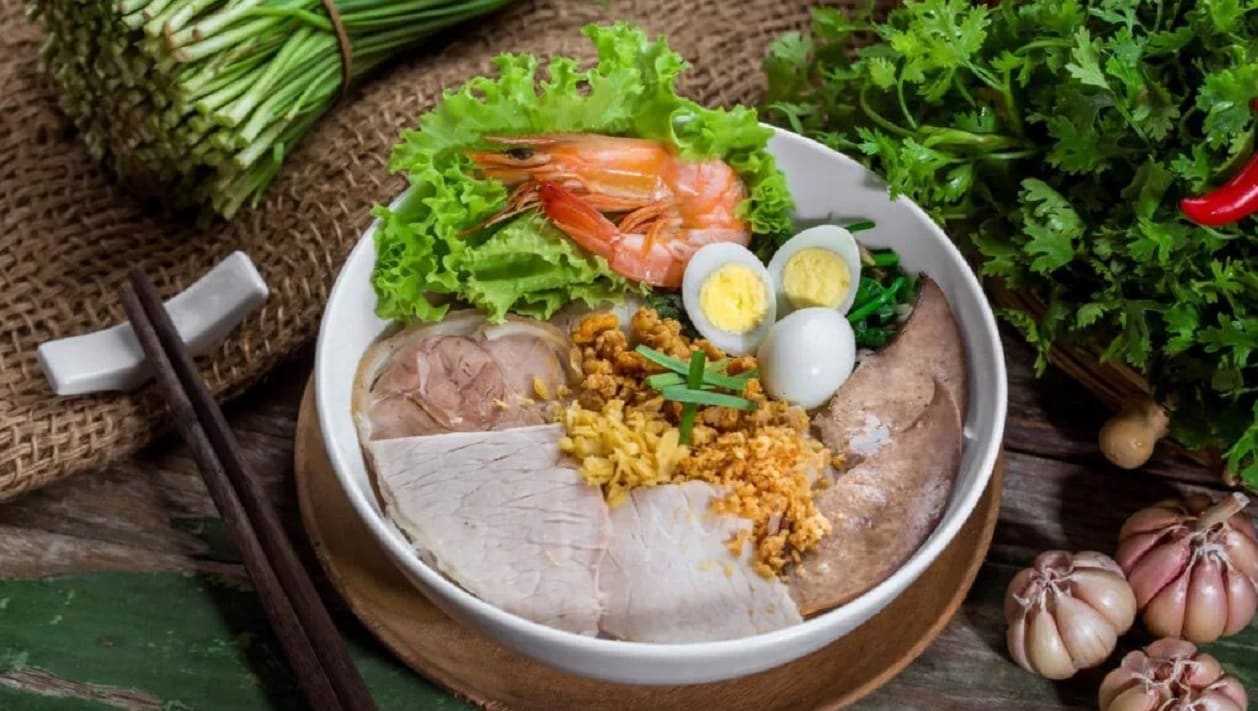
Chewy rice noodles in a flavorful pork and seafood broth, a staple of Southern cuisine
The standard bowl is generously topped with an array of proteins, including sliced lean pork, ground pork, fresh shrimp, quail eggs, and occasionally slices of fish cake or squid. It is characteristically served with a side plate of fresh herbs like Chinese celery and chives. Hủ Tiếu Nam Vang showcases the Southern preference for a slightly sweeter broth and a lavish combination of high-quality ingredients, making it a hearty and flavor-packed representation of traditional vietnamese foods.
2. Cơm Tấm Sài Gòn (Saigon Broken Rice)
Cơm Tấm is a simple yet profoundly satisfying dish, having evolved from a meal for the poor utilizing broken rice grains (a byproduct of the milling process) into one of the most iconic traditional vietnamese foods of Ho Chi Minh City. The broken rice grains, which lend a uniquely soft, yielding texture, are the base of this vibrant platter.
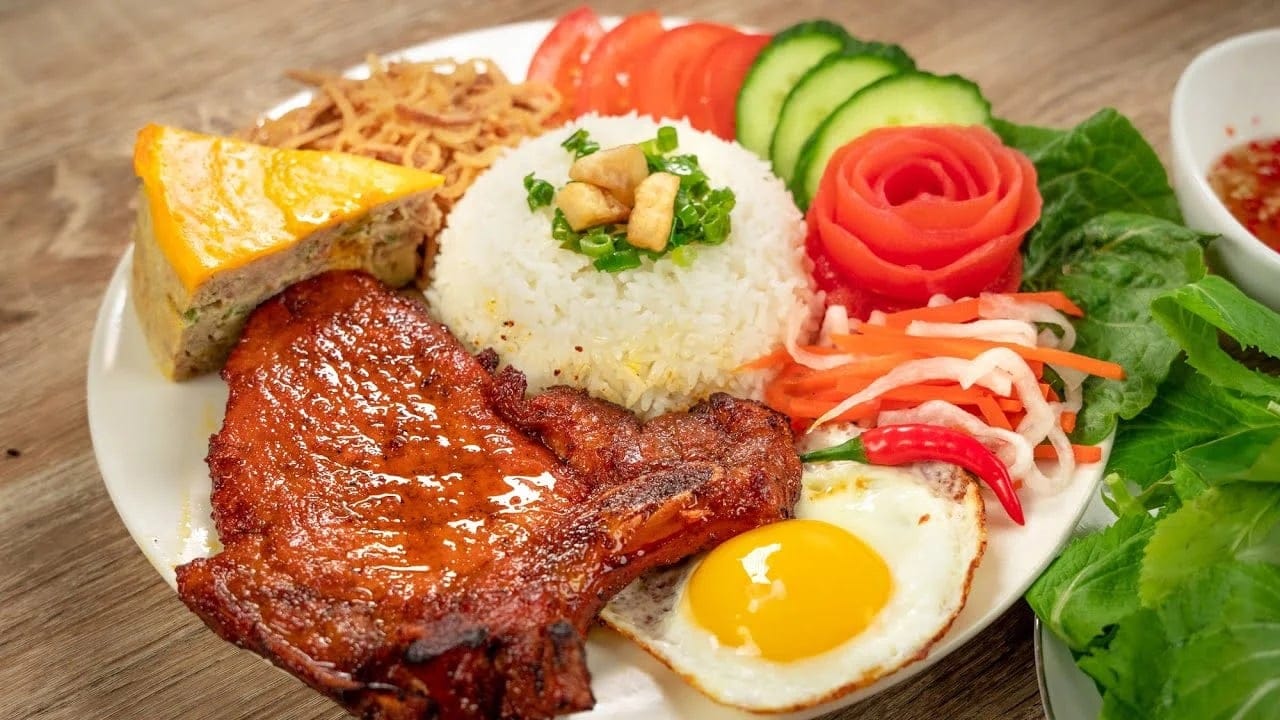
A dish symbolizing the vibrant and satisfying street dining culture of Southern Vietnam
It is traditionally topped with sườn nướng (a large, perfectly grilled pork chop marinated in lemongrass and fish sauce). A fully loaded plate often includes a savory steamed egg custard (chả trứng), shredded pork skin (bì), and a fried egg (ốp la). All components are unified by a generous drizzle of the signature nước chấm—a tangy, sweet fish sauce—and a side of fresh cucumber and pickled carrots. This dish, with its perfect balance of savory protein and sweet/sour sauce, is the ultimate example of Southern street traditional vietnamese foods.
3. Bánh Xèo (Vietnamese Sizzling Pancake)
Bánh Xèo, literally translating to “sizzling cake” after the sound the rice batter makes when poured into the hot skillet, is a popular, large, crispy crêpe that features prominently among Southern traditional vietnamese foods.
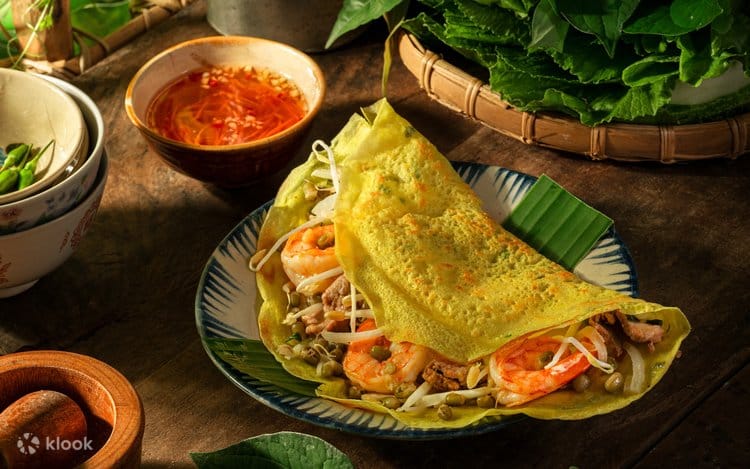
A festive, crunchy, and savory dish that embodies the joyful food culture of the region
The savory, delicate batter is made from rice flour, water, and coconut milk, colored bright yellow with turmeric. It is folded over a vibrant filling of bean sprouts, pork belly slices, and shrimp. Though widely enjoyed across Vietnam, the Southern version is typically larger and thinner than its Central counterpart, resulting in a more intensely crispy texture.
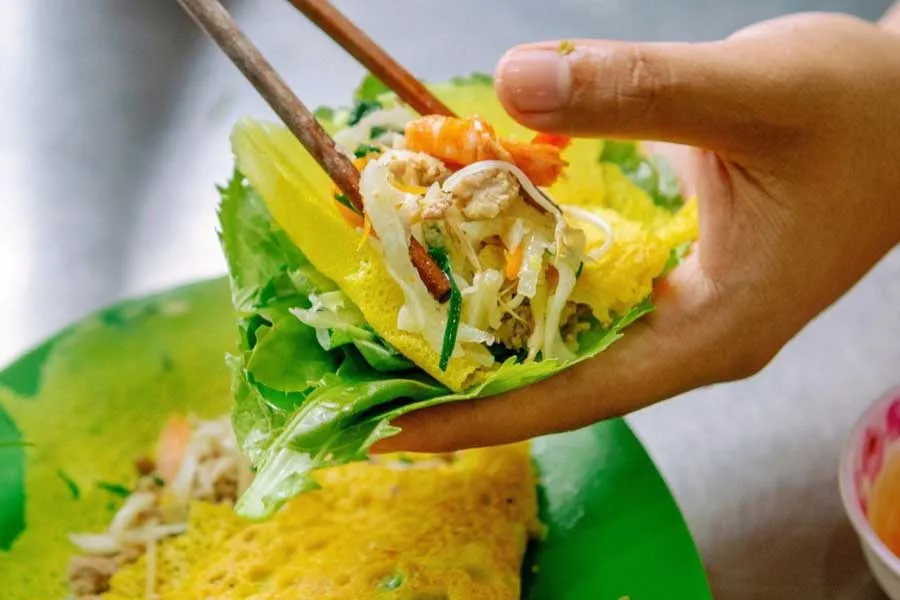
Wrapping pieces of the pancake with fresh herbs and lettuce before dipping it into the sweet-sour fish sauce
Eating Bánh Xèo is a lively ritual: diners tear off pieces of the crisp pancake, wrap them tightly in large mustard greens and lettuce leaves, and dunk the fresh rolls into a sweet and sour dipping sauce. This interactive, textural experience perfectly encapsulates the freshness and communal spirit found in Southern traditional vietnamese foods.
4. Bò Tơ Tây Ninh (Tay Ninh Young Beef Dishes)
A celebrated specialty from the Tây Ninh province near the Cambodian border, Bò Tơ Tây Ninh is highly regarded among Southern traditional vietnamese foods for its remarkably tender and flavorful meat.
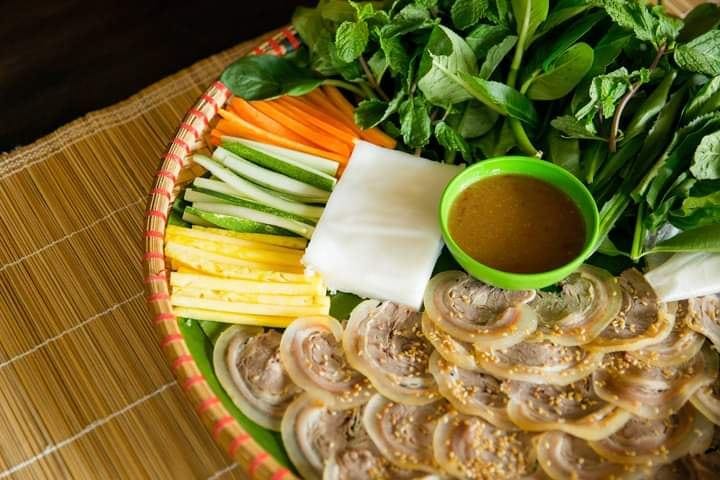
Delicate and sweet: Tender young beef from Tay Ninh, known for its delicate texture and natural sweetness
Bò tơ refers to young, unweaned cattle (around 5-6 months old), which are not as young as veal but not fully mature, resulting in meat that is incredibly soft, slightly sweet, and non-fibrous, often with a hint of natural milkiness. The cattle are typically free-grazing in the lush, green pastures of the area, which contributes to the meat’s superior quality.
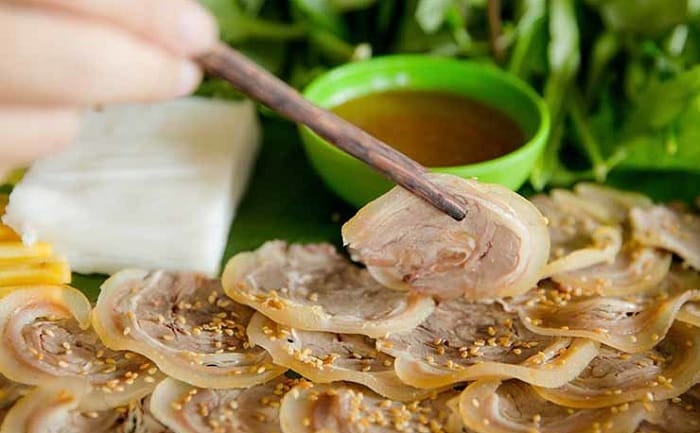
The high-quality beef raised on the fertile Tay Ninh grasslands, often enjoyed wrapped in rice paper with fresh herbs
Local chefs utilize the meat in dozens of preparations, including grilling over charcoal, sautéing, or in a sour hot pot. Crucially, it is always served with a unique, rich dipping sauce and an enormous platter of fresh local herbs and wild vegetables, highlighting the regional purity of these exceptional traditional vietnamese foods.
6. Bánh Kẹp Lá Dứa (Pandan Coconut Waffles)
A popular and fragrant street-side snack in Southern Vietnam, Bánh Kẹp Lá Dứa (Pandan Waffles) offer a sweet, cheerful counterpoint to the savory traditional vietnamese foods.
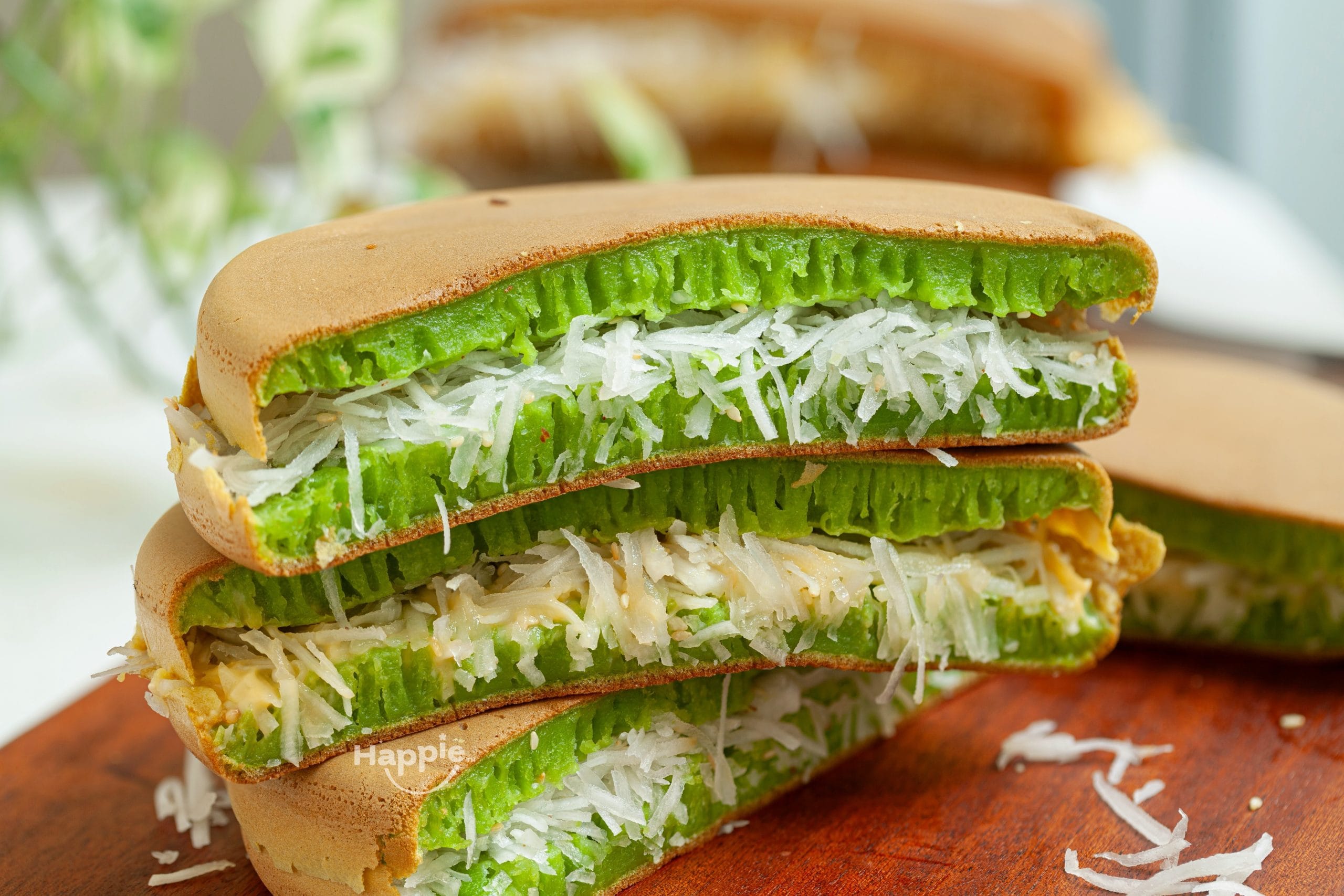
Crispy pandan coconut waffles, charming with their gentle sweetness and refreshing aroma
Unlike Western waffles, the Vietnamese version is made from a thin batter of rice flour, tapioca starch, and eggs, and is enriched with creamy coconut milk. The defining characteristic is the use of lá dứa (pandan leaf extract), which infuses the batter with a distinctive, sweet, grassy fragrance and gives the waffle its signature bright green hue.
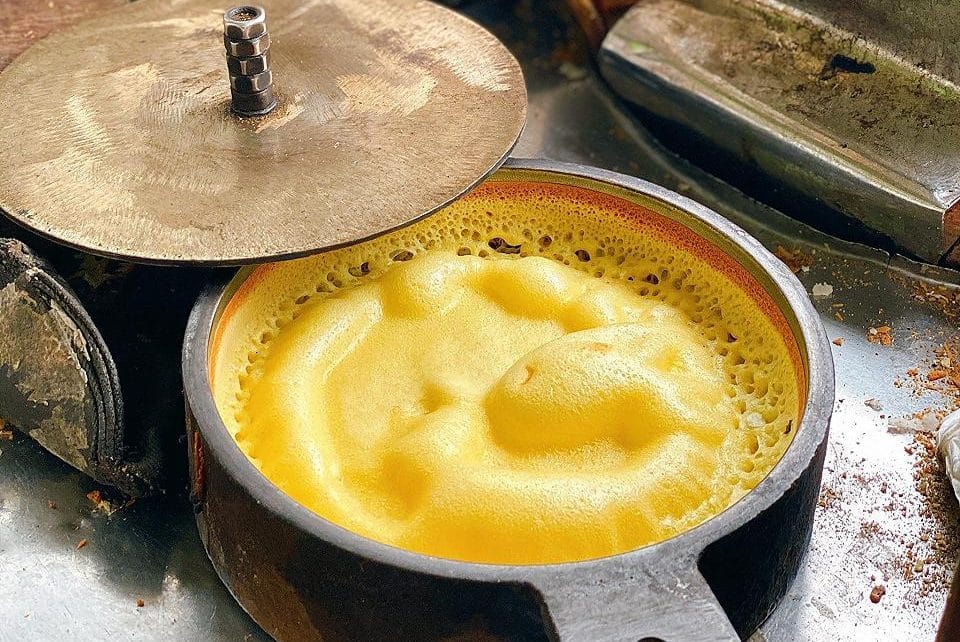
Made from rice flour, coconut milk, and pandan extract, cooked until perfectly golden brown
The resulting texture is unique—crispy and slightly caramelized on the exterior, yet soft and irresistibly chewy on the inside due to the tapioca starch. Typically cooked in large round or rectangular molds until golden brown, this delightful snack is usually eaten plain, representing the simple, fragrant joy found within Southern traditional vietnamese foods.
7. bún riêu cua
Bún Riêu Cua (Vietnamese Crab Paste Noodle Soup) is a beloved and flavorful staple of Southern Vietnamese traditional vietnamese foods. The soup’s signature feature is its savory and slightly tart broth, typically made from a rich combination of slow-cooked crab paste (riêu cua) and tomatoes.
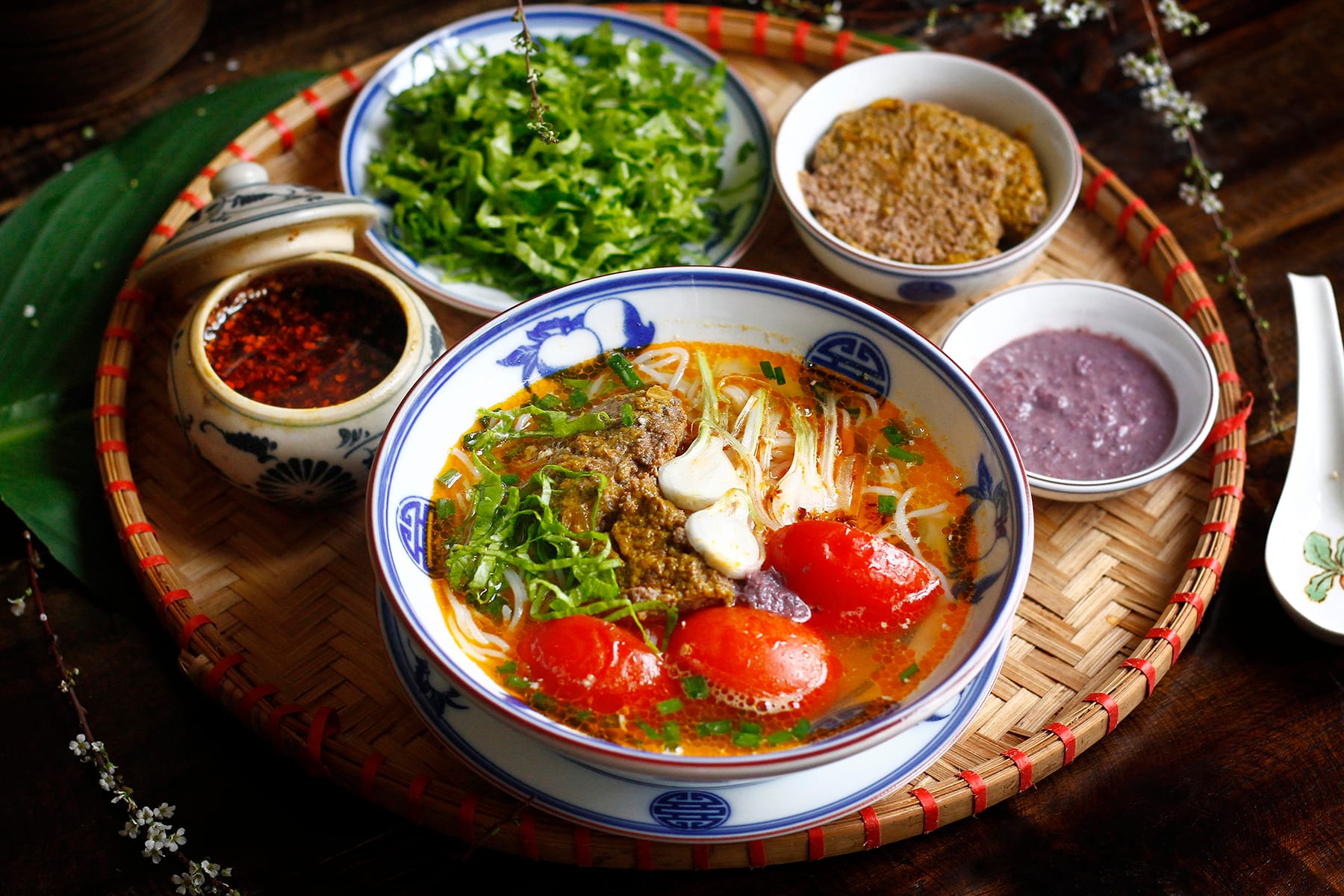
Bún Riêu Cua (Vietnamese Crab Paste Noodle Soup) is a beloved and flavorful staple of Southern Vietnamese traditional vietnamese foods
This base provides a unique, delightful umami flavor, often enhanced with tamarind or rice vinegar for its distinct sour note. The bowl is substantial, filled with vermicelli noodles, fried tofu, and often includes chunks of pig’s blood curd. The final touch involves a generous portion of crab paste “patties,” which are fluffy and rich.
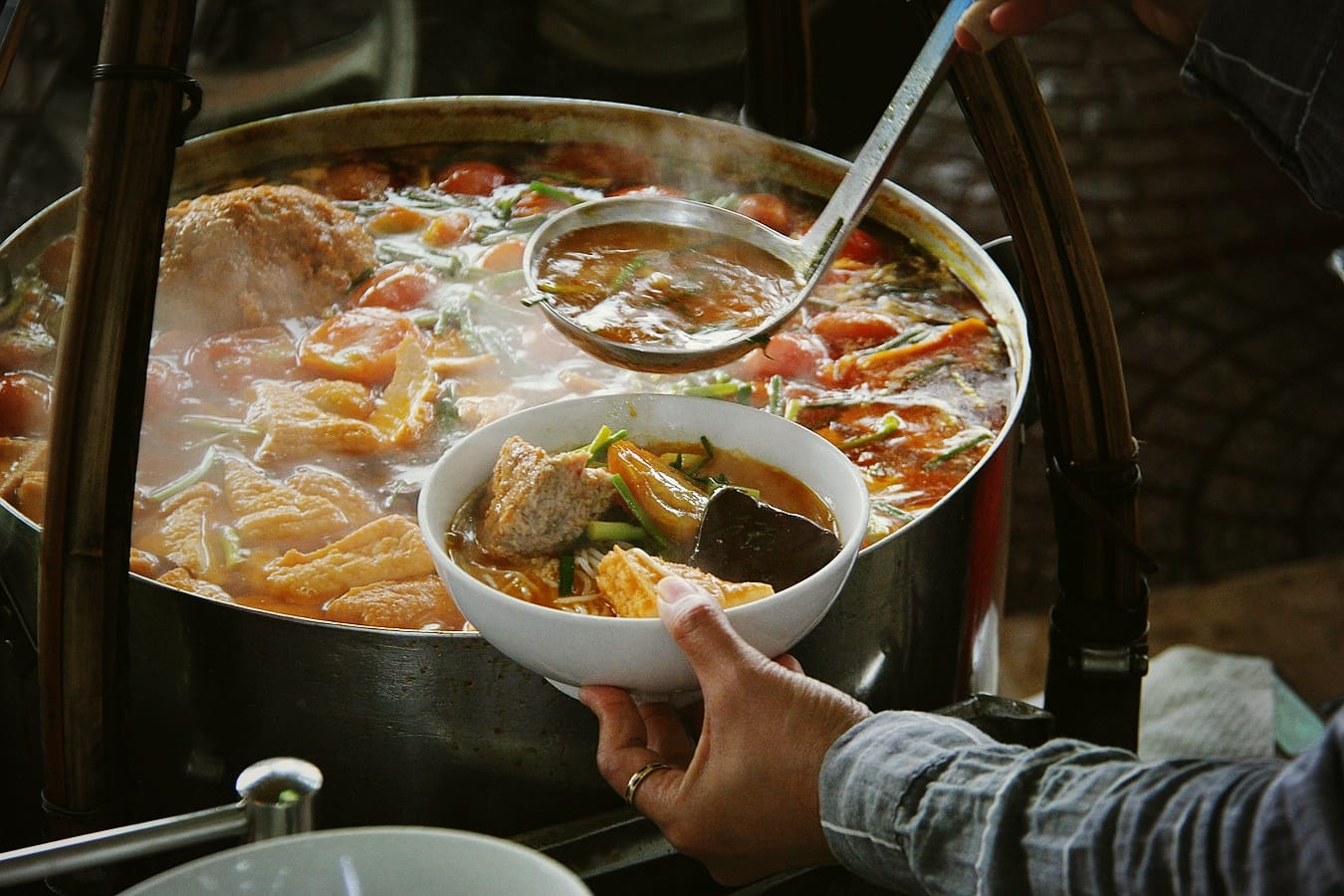
Served with an abundance of fresh Southern herbs and vegetables, the dish is a vibrant and multi-textured experience. Bún Riêu Cua exemplifies the Southern preference for colorful, flavor-packed traditional vietnamese foods that balance the five fundamental tastes.
Traditional Vietnamese Desserts and Drinks
Vietnamese desserts and drinks beautifully complete the country’s culinary story. Reflecting its tropical climate and love for balance, many sweet treats are light, refreshing, and made from natural ingredients like beans, rice, coconut, and fruits.
1. Chè (Vietnamese Sweet Soup)
Chè is an umbrella term for a wide range of sweet soups, puddings, and drinks found across Vietnam. Common ingredients include mung beans, black beans, coconut milk, jelly, and fruits.
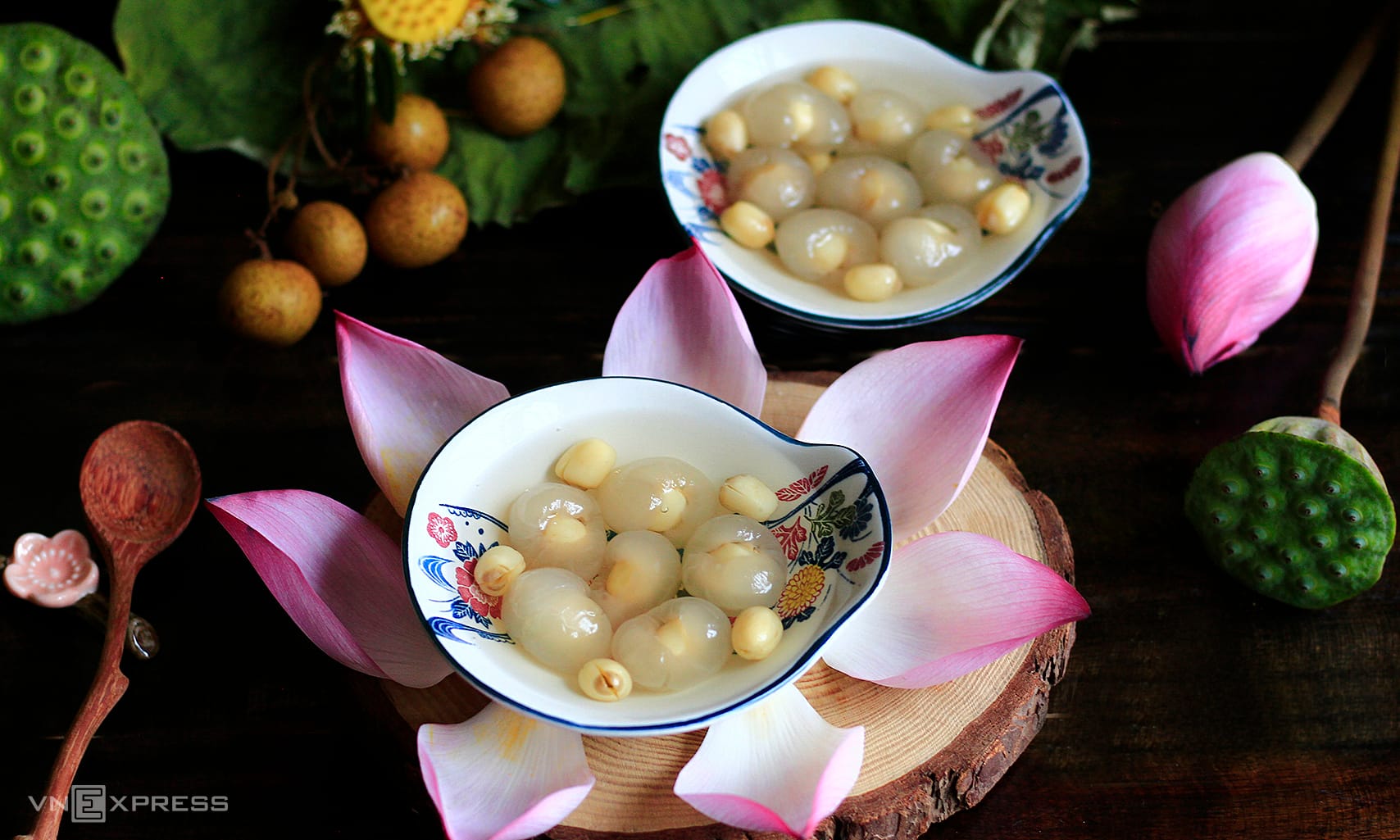
Endless variations: A colorful display of Chè, the umbrella term for sweet soups and puddings made from beans, coconut milk, and fruits
Served hot or cold, chè offers endless variations, from the rich chè bà ba of the South to the delicate chè long nhãn hạt sen of the North, each representing the region’s seasonal ingredients and comforting flavors.
2. Cà Phê Trứng (Vietnamese Egg Coffee)
Invented in Hanoi, cà phê trứng is a luxurious blend of strong Vietnamese coffee topped with a creamy foam made from whisked egg yolks, sugar, and condensed milk. T
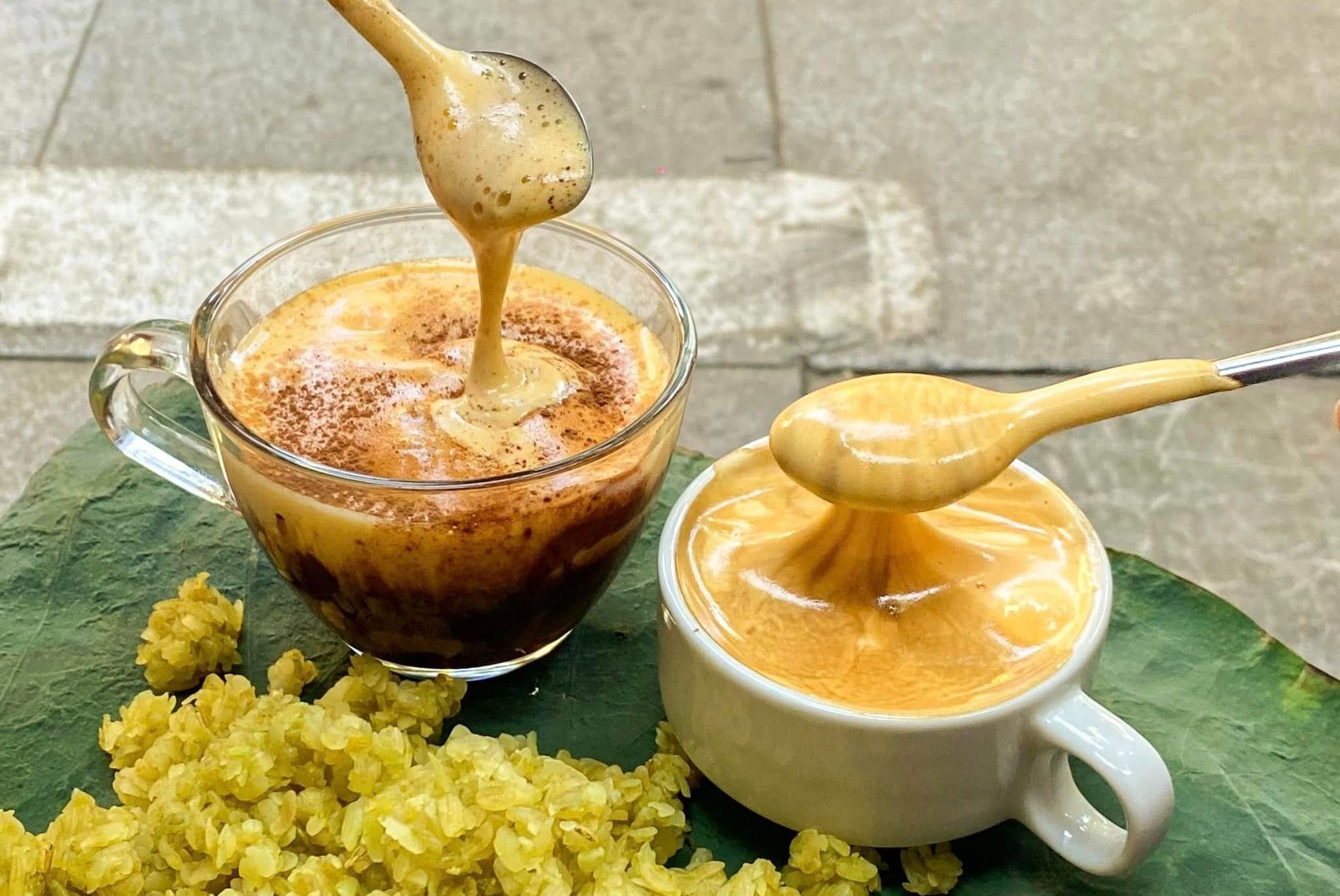
Enjoying this signature drink, rooted in Northern hospitality and tradition
he contrast between the bitter coffee and velvety sweetness creates a unique balance that surprises first-timers and delights coffee lovers. It’s not just a drink, but a cozy, nostalgic experience rooted in Northern hospitality.
3. Sinh Tố (Vietnamese Fruit Smoothies)
Fresh and colorful, sinh tố is a popular drink found at every street corner in Vietnam. Made from tropical fruits such as mango, avocado, or dragon fruit blended with milk and crushed ice, it’s both refreshing and nourishing. The vibrant flavors and natural sweetness of local produce make sinh tố a perfect way to cool off under Vietnam’s tropical sun.
4. Sương Sáo (Grass Jelly Dessert)
Sương sáo, or grass jelly, is a refreshing dessert made from the leaves of the mesona chinensis plant, which are boiled and cooled to form a soft, dark jelly.
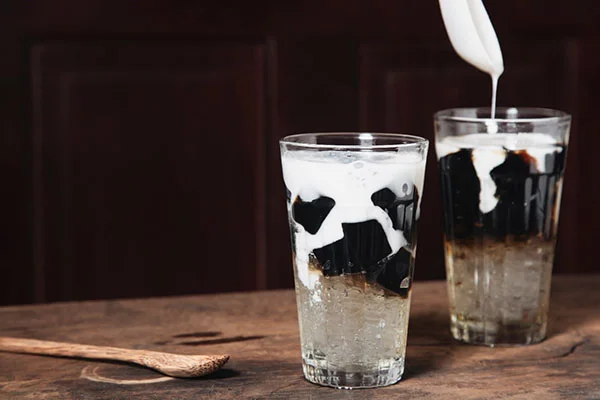
The soft, dark grass jelly made from mesona chinensis, a perfect dessert for hot, sunny days
It’s usually served chilled with coconut milk, syrup, or shaved ice, offering a subtly herbal flavor and cooling sensation. Especially beloved in Southern Vietnam, sương sáo is the perfect treat for hot, sunny days.
5. Trà Sen (Lotus Tea)
A symbol of elegance and tradition, trà sen is green tea infused with the delicate fragrance of lotus blossoms. Artisans hand-stuff tea leaves into fresh lotus flowers overnight to let them absorb the floral aroma. The result is a gentle, soothing drink that embodies Vietnamese refinement and mindfulness, often served during festivals, ceremonies, or peaceful moments of reflection.
Find out the Best Time to Travel to Vietnam to plan your culinary adventure.
When you visit Hanoi, make sure to explore the ultimate selection of authentic and highly-rated Vietnamese restaurants by checking the official Michelin Guide.
Ready to Experience Jiva?
Immerse yourself in a stay where northern Vietnamese architecture meets world-class comfort. At Jiva Hoalu Retreat, each accommodation blends locally inspired décor with modern luxuries, offering a unique fusion of culture, tradition, and elegance. Whether you’re here for a romantic getaway, a family escape, or a tranquil retreat, Jiva promises unforgettable moments in the heart of Ninh Binh.
Contact Us:
📞 +84 933 006 886
📧 inquiry@jivahoaluretreat.com
🌐 https://jivahoaluretreat.com/