EN
- VN
- FR
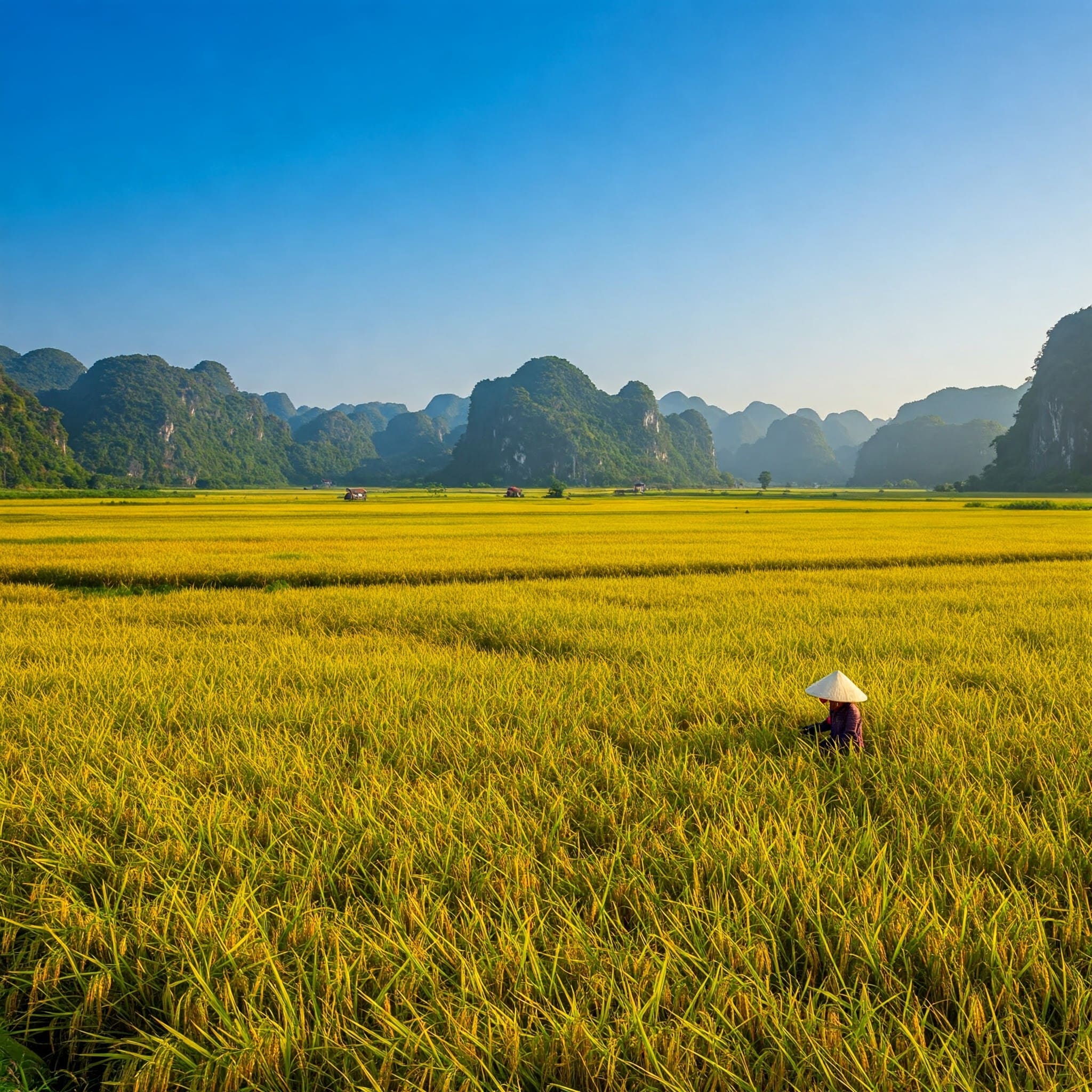
Autumn in Northern Vietnam can be discovered through the food sold along its streets and shared around family tables. In Hanoi, young green rice arrives in fragrant leaf-wrapped parcels, traditional bakeries prepare mooncakes, and neighbourhood stalls serve warm bowls of pork rib porridge. Beyond the capital, highland sticky rice and seasonal fruit offer another way to explore the region’s harvest traditions.
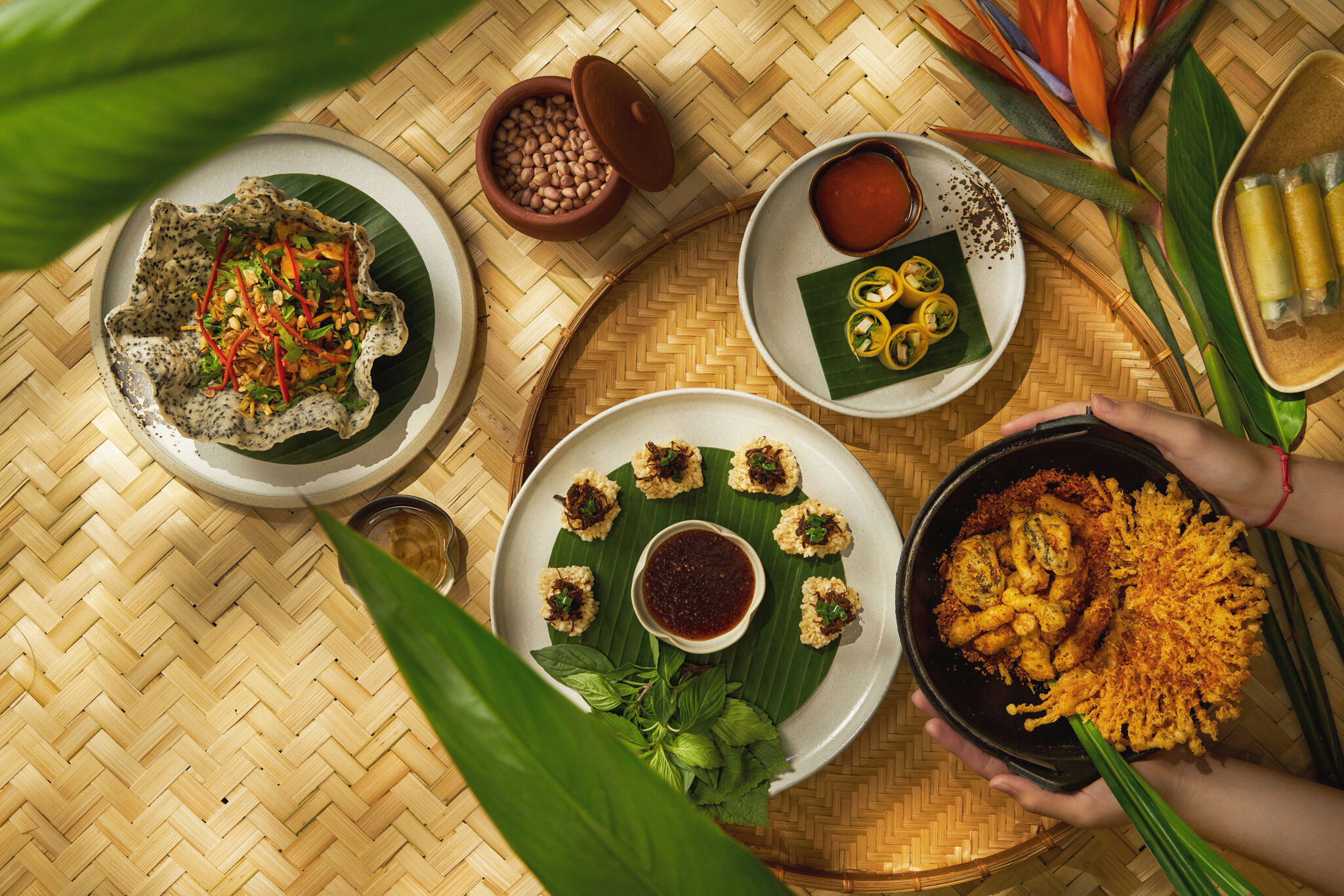
Discover Vietnam autumn cuisine through local meals and regional traditions.
For travellers, Vietnam autumn cuisine brings together seasonal delicacies and familiar dishes that feel especially inviting as the weather becomes milder. A small serving of cốm, a plate of crisp shrimp fritters or a ginger-scented dessert can introduce you to flavours that are easy to miss on a hurried sightseeing itinerary.
This guide explores what to eat in Vietnam in autumn, focusing on Hanoi and the northern regions. Alongside ingredients, textures and cultural stories, you will find suggestions to help you choose dishes for a family outing, a shared meal as a couple or your first encounter with Vietnamese street food.
Discovering Vietnam autumn cuisine is as much about the setting and rhythm of a meal as the food itself. Across northern Vietnam, the season invites travellers to spend time at local markets, explore neighbourhood eateries and notice how cooking reflects the surrounding landscape. Seasonal ingredients become part of a wider story shaped by farming, family customs and regional preferences.
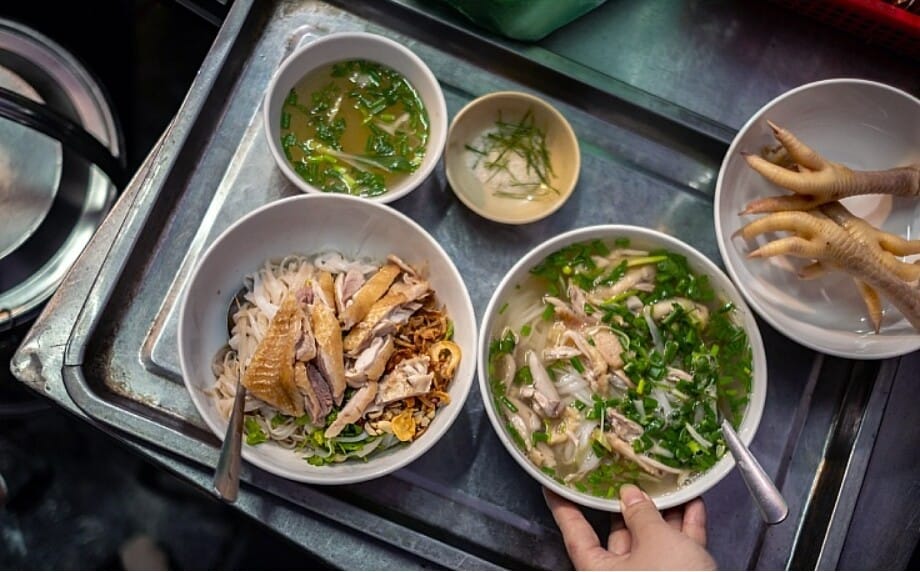
Autumn flavours connect travellers with the landscapes of northern Vietnam
This connection is particularly rewarding in Ninh Bình, where a journey through limestone valleys and rural villages can also become an introduction to local food culture. Between exploring Tràng An, cycling through the countryside and visiting historic sites, a meal offers an opportunity to experience the destination beyond its scenery. Asking about ingredients or familiar ways of serving them can reveal details that a menu alone cannot explain.
Local ingredients tell stories beyond the scenery.
Whether your itinerary begins in Hanoi or includes a slower stay in Ninh Bình, traditional Vietnamese food provides a connection between places. The following sections explore these flavours through seasonal treats, everyday favourites and preparations that reveal the variety of the north.
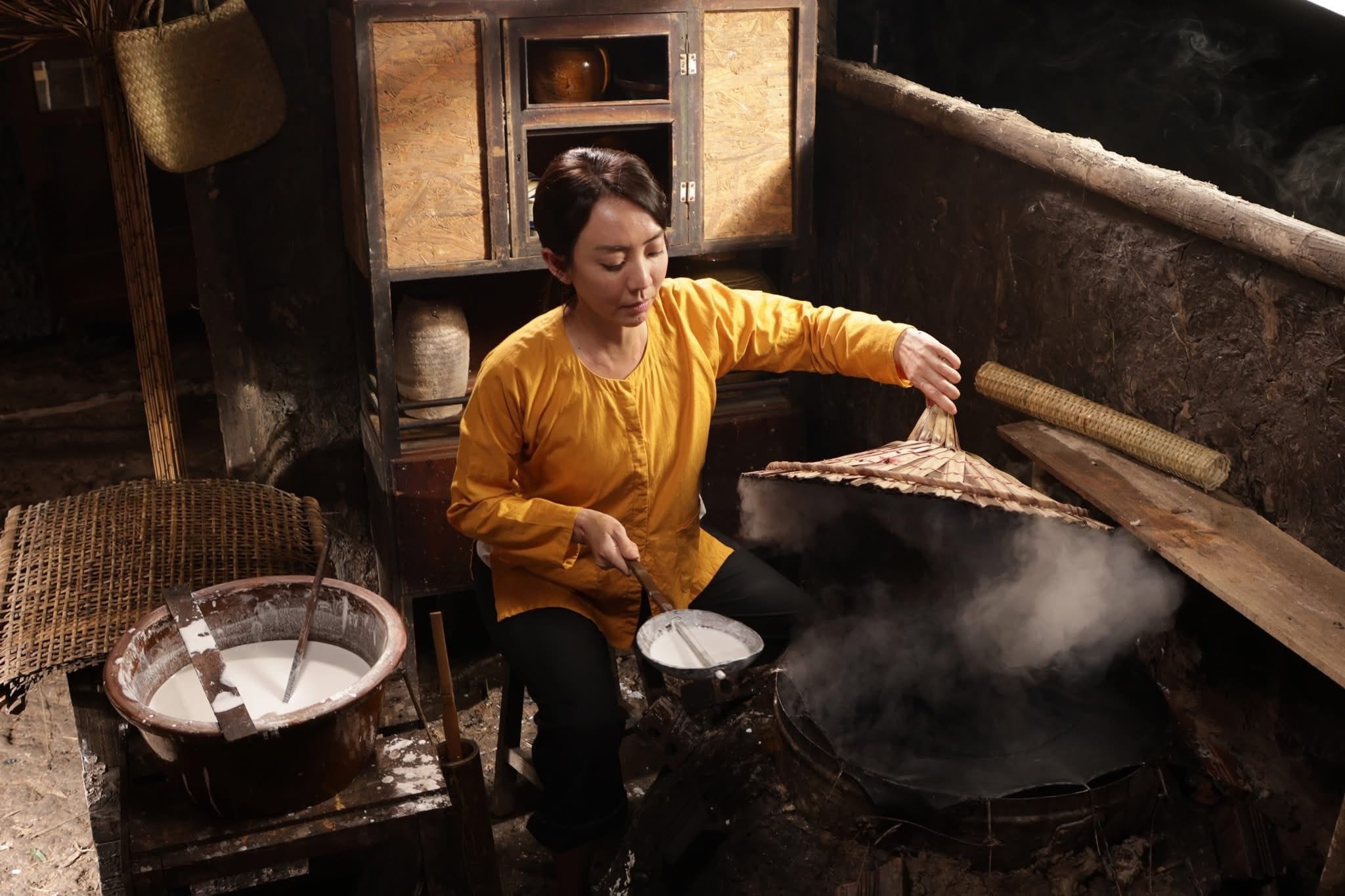
Rice offers a natural starting point for exploring Vietnam autumn cuisine, from delicate young flakes enjoyed in Hanoi and Tú Lệ, Yên Bái province to fragrant sticky rice prepared in the northern highlands and Ninh Bình.

Young rice flakes and fragrant sticky rice reveal northern food traditions.
Cốm Hà Nội, especially the variety associated with Làng Vòng, is made by roasting and pounding immature glutinous rice. Its soft flakes carry a gentle sweetness and fresh rice fragrance, making it a distinctive part of Hanoi autumn food. Enjoy a small portion with ripe banana to appreciate its delicate flavour.
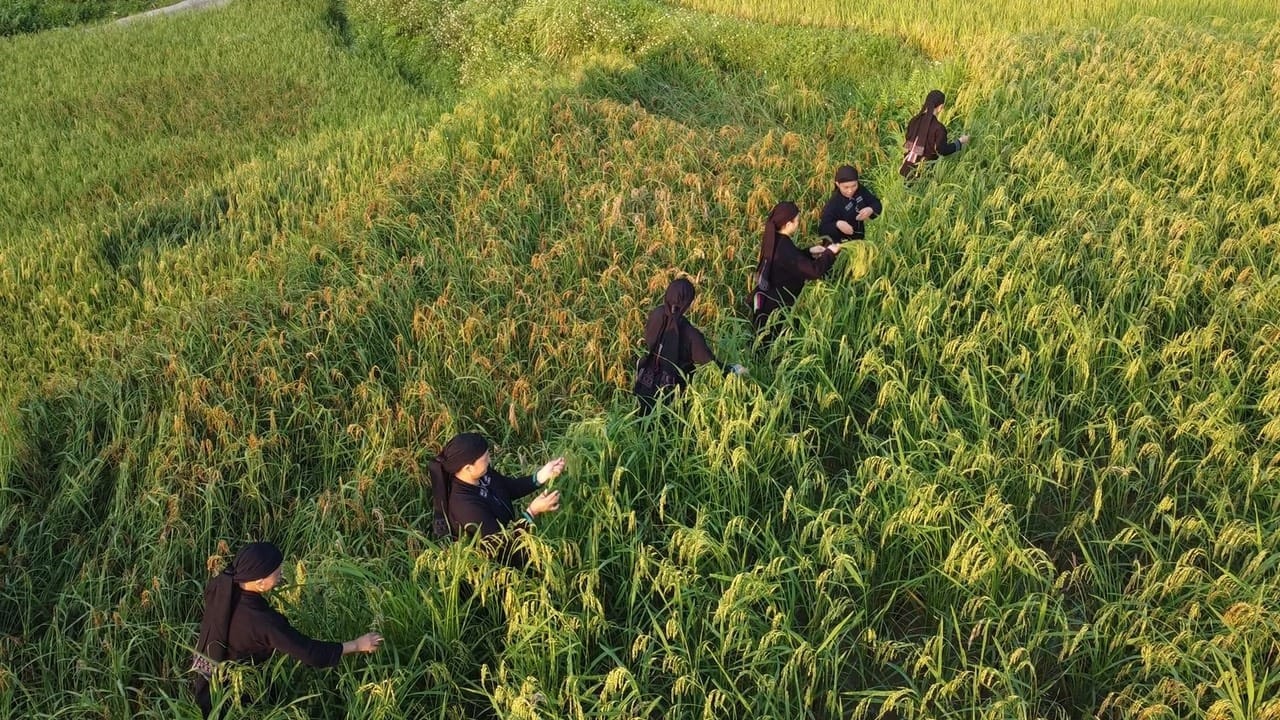
Rice harvest traditions bring distinctive flavours to Vietnam autumn cuisine.
In Tú Lệ, local glutinous rice is transformed into fragrant cốm through careful roasting and pounding. This specialty reflects the food traditions of the Thai communities in the valley and offers a regional counterpart to Hanoi’s young green rice.
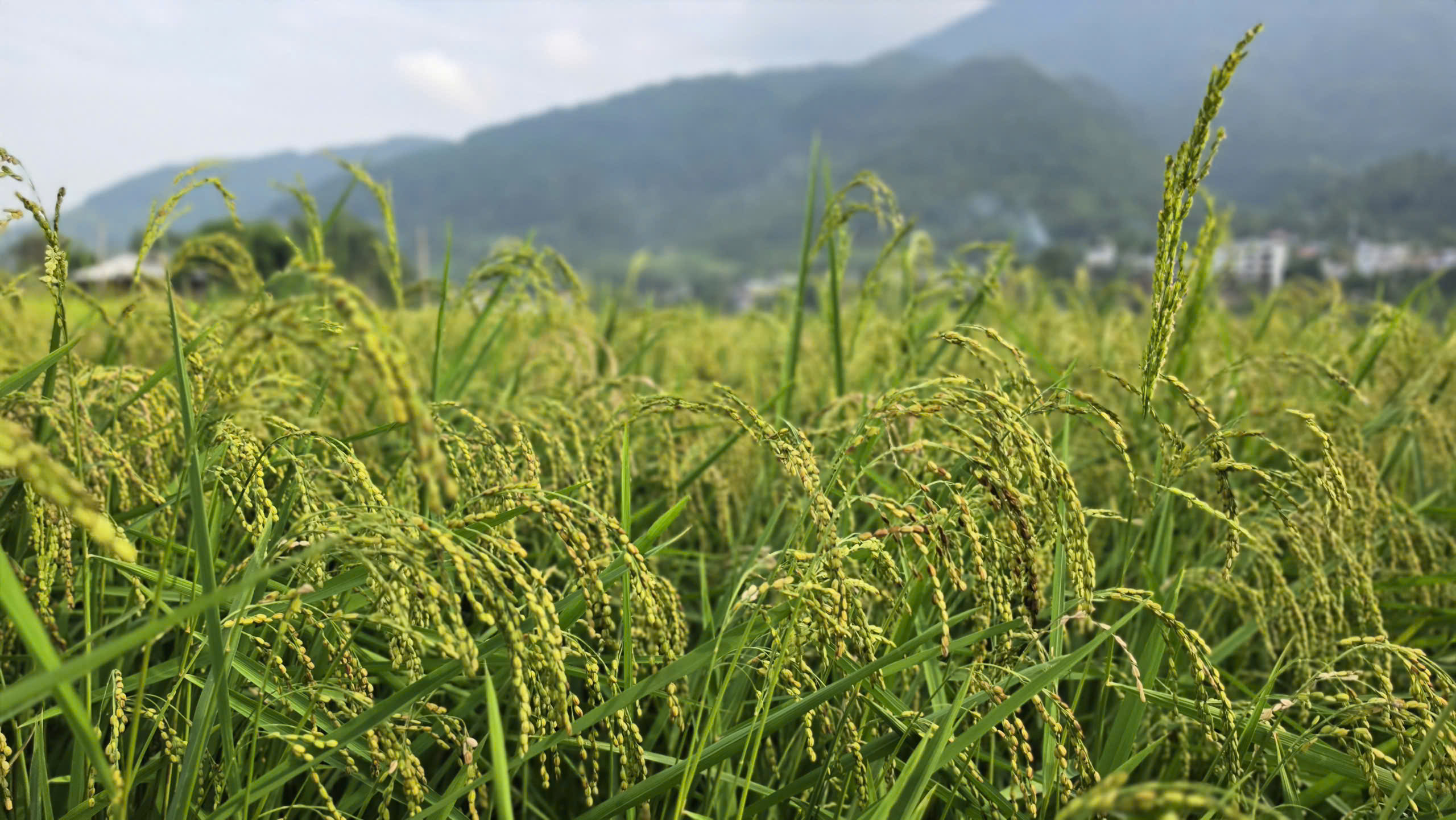
From Hanoi to the highlands, rice takes many delicious forms.
While both varieties share a fresh, lightly sweet character, each expresses the landscape and culinary heritage of its origin.
Cốm appears in a range of sweet and savoury preparations. Chả cốm combines rice flakes with minced pork and pork paste, creating golden patties with a soft, savoury centre. Often served with rice or alongside other dishes, it shows how one autumn ingredient can move between different culinary styles.
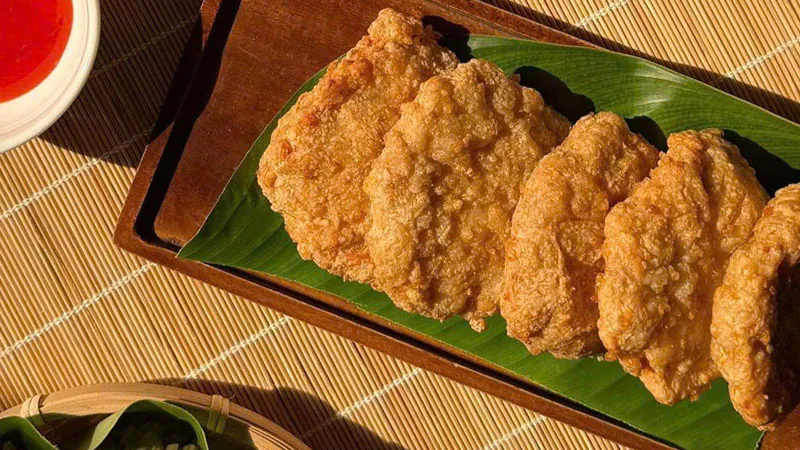
weet and savoury cốm dishes showcase traditional Vietnamese food.
Bánh cốm features a chewy green rice exterior surrounding a smooth, sweet mung bean filling. These small cakes offer an accessible introduction to traditional Vietnamese food, particularly for visitors who enjoy soft-textured sweets. Share one with tea to balance its sweetness.

Explore the different textures of bánh cốm, xôi cốm and chè cốm.
Xôi cốm combines gently steamed cốm with mung beans, shredded coconut and, in some preparations, lotus seeds. The result is softly chewy and lightly sweet, with contrasting textures that make a small serving satisfying as a breakfast or afternoon snack.
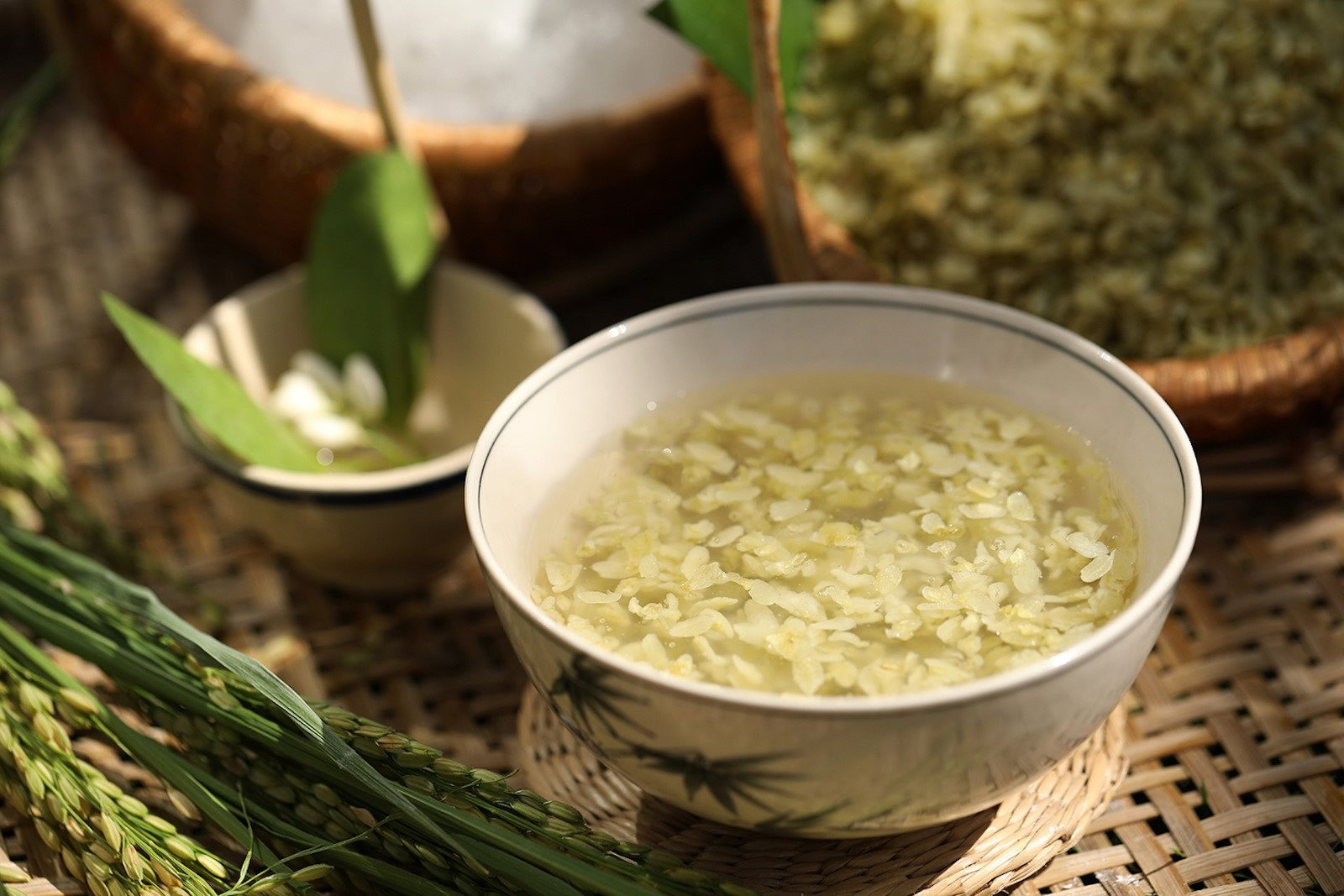
Young green rice becomes cakes, desserts and golden pork patties.
Chè cốm suspends tender rice flakes in a lightly thickened sweet liquid. Rather than relying on elaborate toppings, this dessert highlights the rice itself. Ingredients and flavourings vary, but a well-balanced bowl preserves the flakes’ shape and gentle fragrance.
Xôi nếp nương is made from fragrant highland sticky rice, steamed until tender and often served with chicken, pork or fish. Some regional preparations use plant ingredients to create colourful portions, adding visual interest to a shared meal. Its fuller, savoury-friendly flavour offers a contrast to the delicate sweetness of cốm.
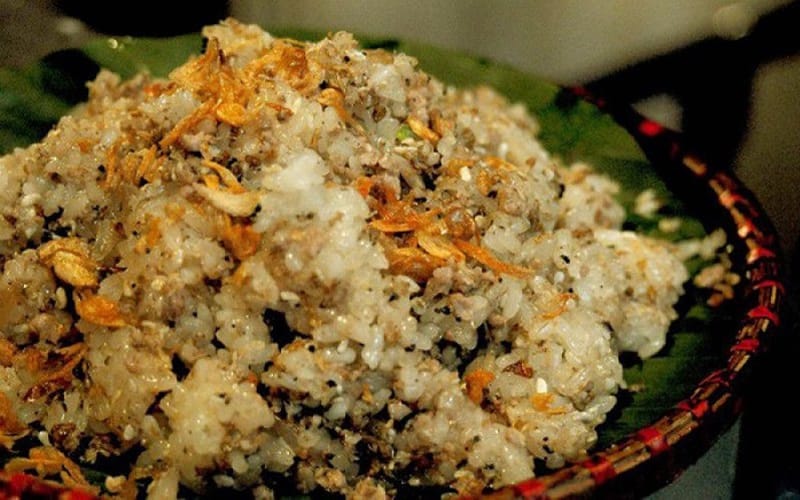
Sticky rice specialties reveal the regional variety of Northern Vietnamese cuisine.
In addition, Xôi trứng kiến Ninh Bình presents a more distinctive local speciality. Sticky rice is paired with ant eggs, which are carefully prepared and seasoned before being served with the rice. The dish combines the soft, chewy texture of xôi with the rich, savoury flavour of the filling, giving travellers an opportunity to explore a less familiar aspect of Vietnamese seasonal food.
Xôi trứng kiến Ninh Bình presents a more distinctive local speciality. For a closer look at this regional speciality, read our introduction to Ninh Binh cuisine guide.
Alongside prepared dishes, Vietnam autumn cuisine includes fruit that brings seasonal colour to market stalls. Availability varies by locality and harvest, making a conversation with the seller worthwhile.
Ripe sấu offers a sweeter, softer contrast to the sharply sour green fruit used in drinks and cooking. Peeled and tossed with chilli salt, it combines tangy fruit with a savoury kick. Ask for less chilli if sharing with children.

Ripe sấu brings sweet-sour flavour to Hanoi autumn food.
Persimmons are a familiar part of Vietnamese seasonal fruit displays in autumn. Depending on the variety and preparation, they may be crisp or soft and richly sweet. Ask the seller which are ready to eat, as appearance alone does not reliably indicate readiness.
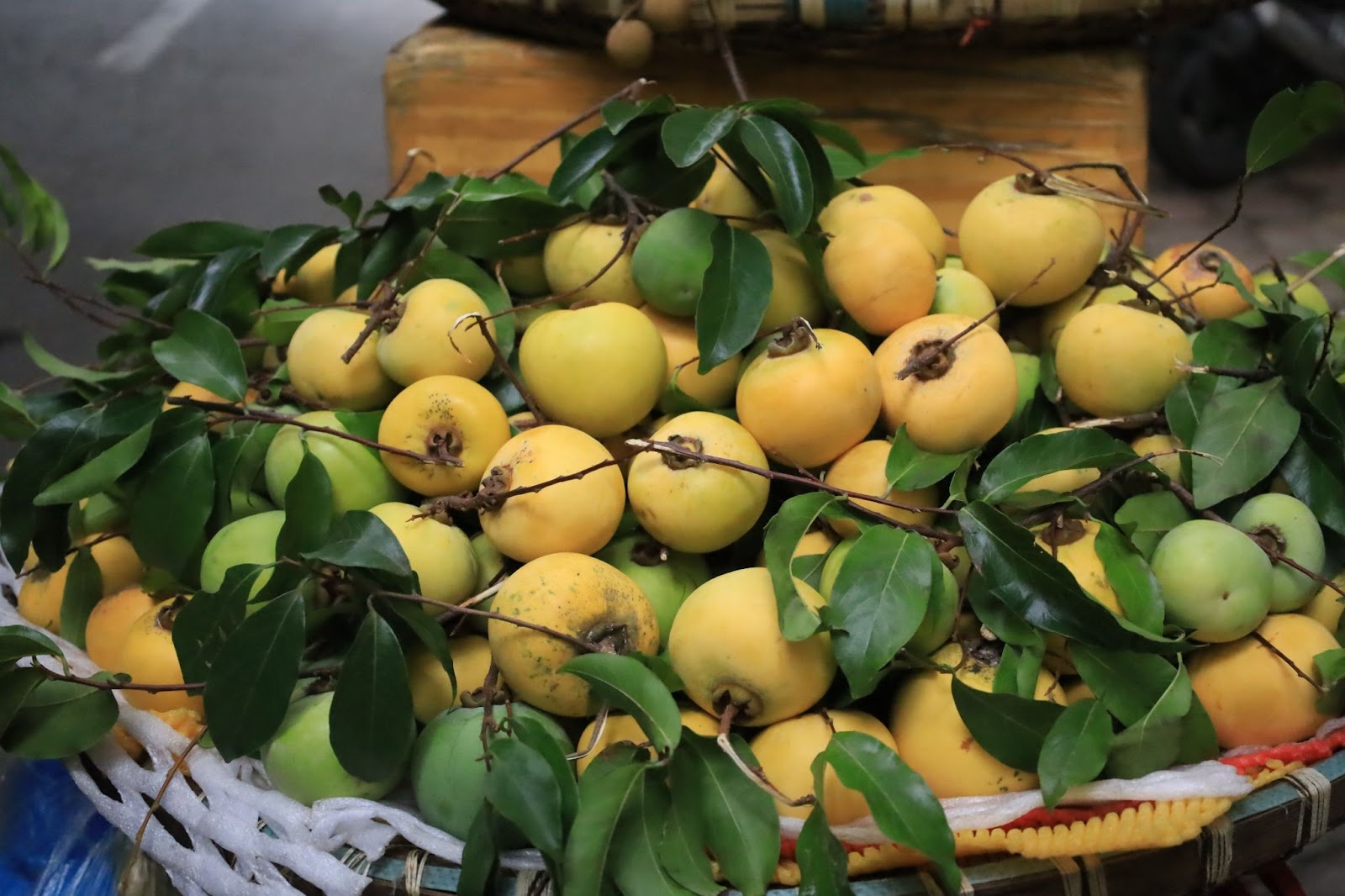
Fragrant thị adds a cultural note to Vietnam autumn cuisine.
Small, yellow thị fruits belong here chiefly as a cultural detail. Valued for their fragrance and displayed as a sign of autumn, they offer visitors another glimpse of seasonal traditions. Look for them at local markets rather than treating them as an essential tasting stop.

Small golden fruits carry a familiar fragrance of autumn.
At Phủ Khống in Ninh Bình, an ancient thị tree is believed to have stood for nearly a thousand years, witnessing dynasties and local legends. Its roots survived a storm, and today it bears both seeded and seedless fruit beneath a canopy shading the shrine courtyard.
Bánh đúc reveals the versatility of traditional Vietnamese food. Its rice-based foundation can become a warm, spoonable meal or a firmer cake served with herbs and dipping sauces—different experiences to explore during an autumn visit.
Soft and gently elastic, bánh đúc nóng is spooned into a bowl rather than sliced. Minced pork, wood ear mushrooms and fried shallots add savoury depth, while a seasoned fish-sauce-based liquid brings the components together. Enjoyed warm, it is a comforting afternoon snack.
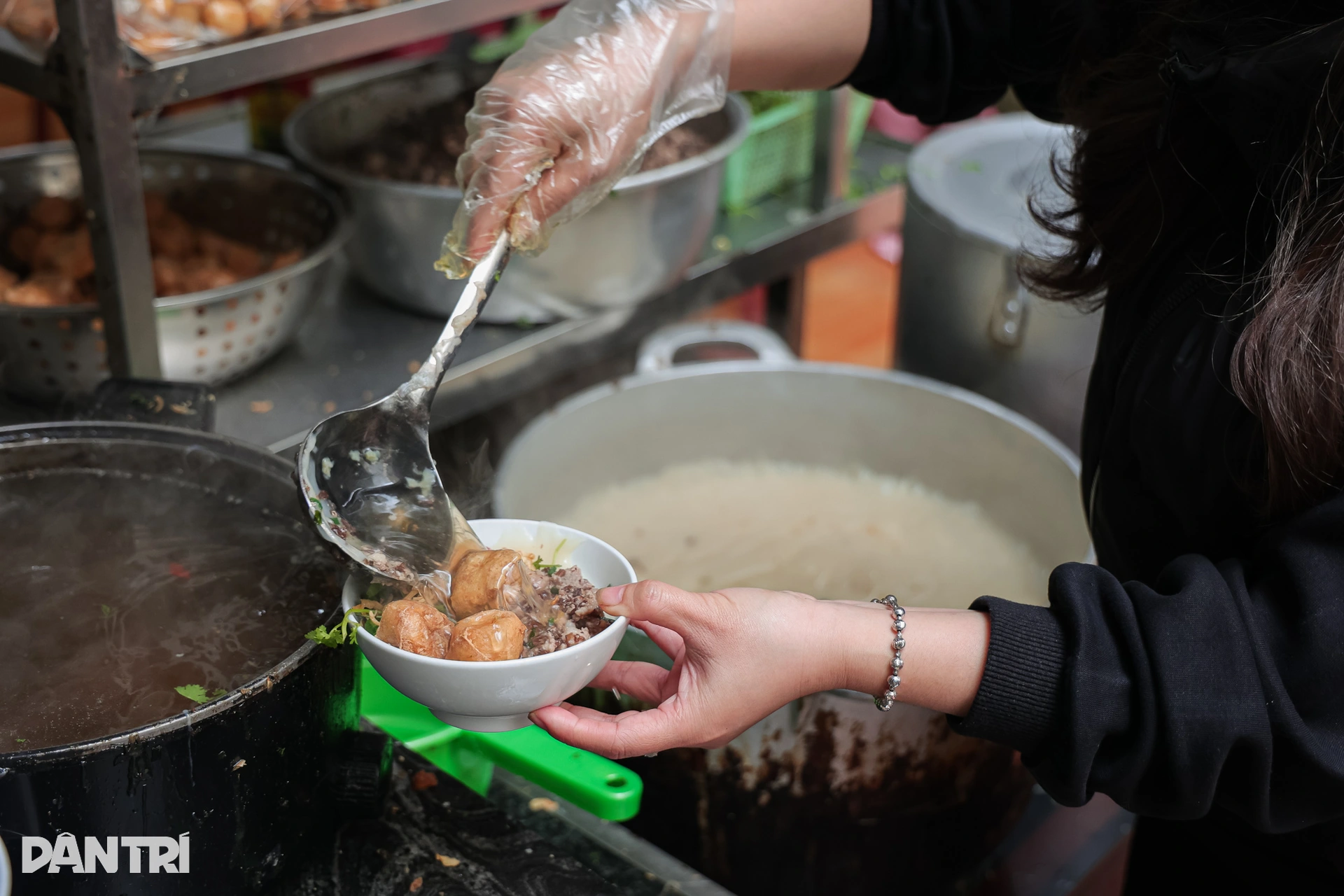
Bánh đúc reveals the versatility of traditional Vietnamese food.
This cooler preparation combines sliced rice cakes with blanched bean sprouts and fresh herbs. A milky-looking peanut-and-sesame dressing adds richness without the meat toppings of bánh đúc nóng.

Rice cake strips meet herbs and a peanut-and-sesame dressing.
Particularly associated with warm-weather eating, it offers a refreshing contrast within a Vietnam autumn cuisine itinerary.
In this traditional serving style, pieces of firm bánh đúc are dipped into sautéed freshwater crab roe, known locally as gạch cua or màu cua. The concentrated accompaniment adds a rich, savoury flavour. This differs from bánh đúc riêu cua, where rice cake strips are served in crab broth.
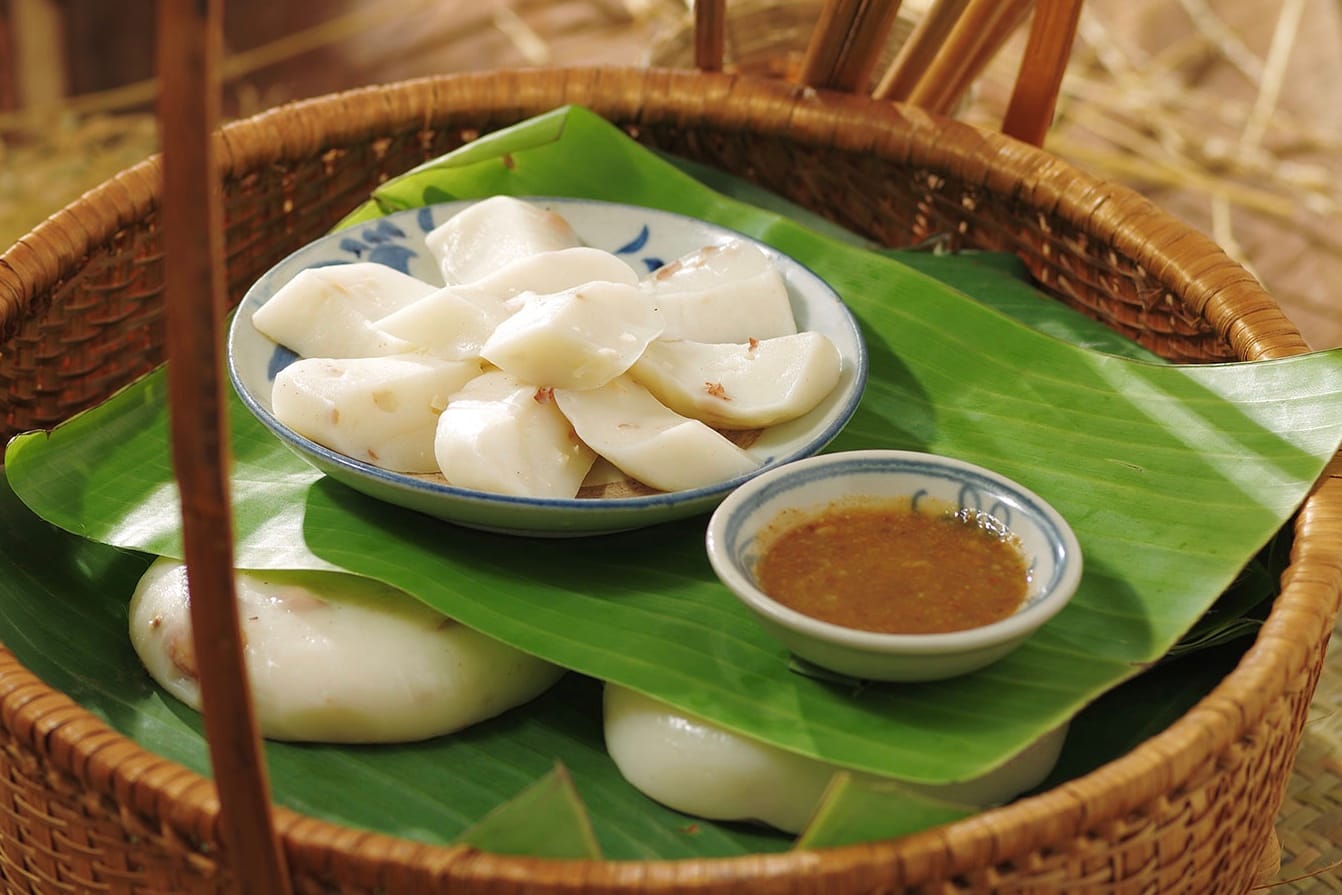
Bánh đúc chấm tương reflects the simplicity of Northern Vietnamese cuisine.
Firm rice cakes, sometimes containing peanuts, are cut into pieces and served with fermented soybean sauce. Their mild flavour allows the salty, earthy dipping sauce to stand out. This simple preparation introduces a quieter, countryside expression of Northern Vietnamese cuisine.
Fresh herbs, soft wrappers and fragrant toasted rice powder bring variety to Vietnam autumn cuisine. These dishes are not autumn-exclusive; they offer lighter alternatives between fried snacks and warming meals.
Associated with Hanoi’s Ngũ Xã area, phở cuốn wraps cooked beef and fresh greens in broad, soft rice noodle sheets. Unlike phở soup, it comes without broth: each roll is dipped into a sweet-and-sour sauce. Its gentle flavours make it an approachable introduction to Hanoi street food.
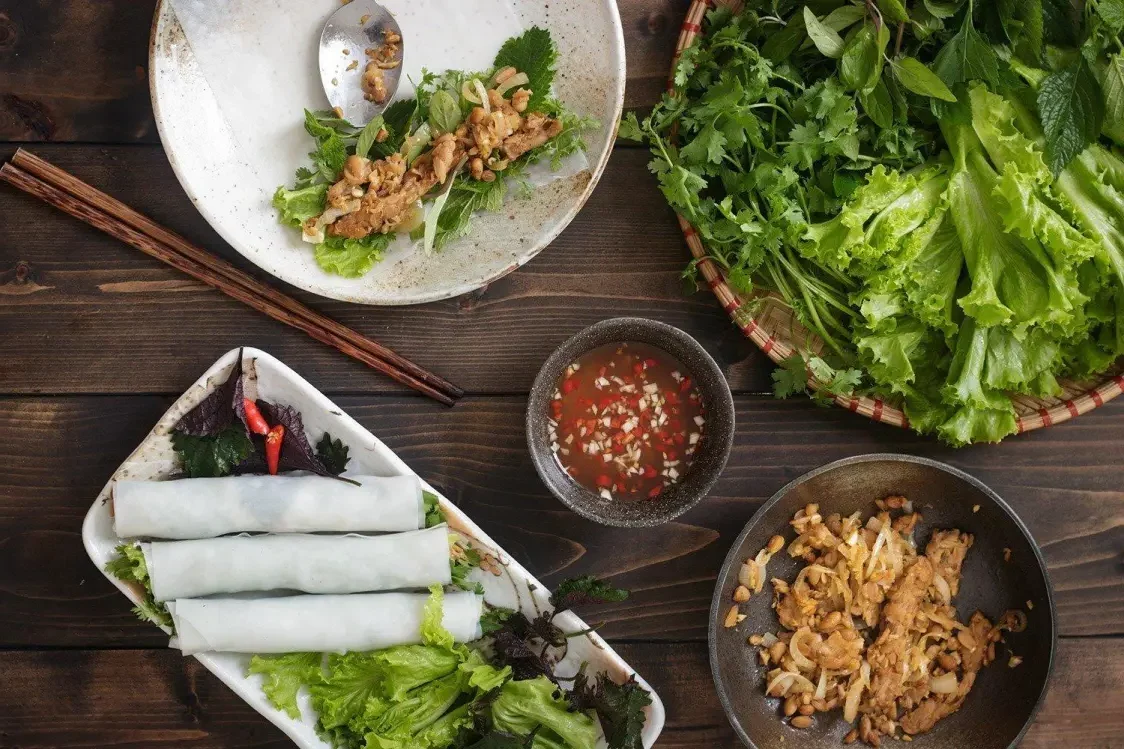
Phở cuốn introduces the fresh flavours of Hanoi street food.
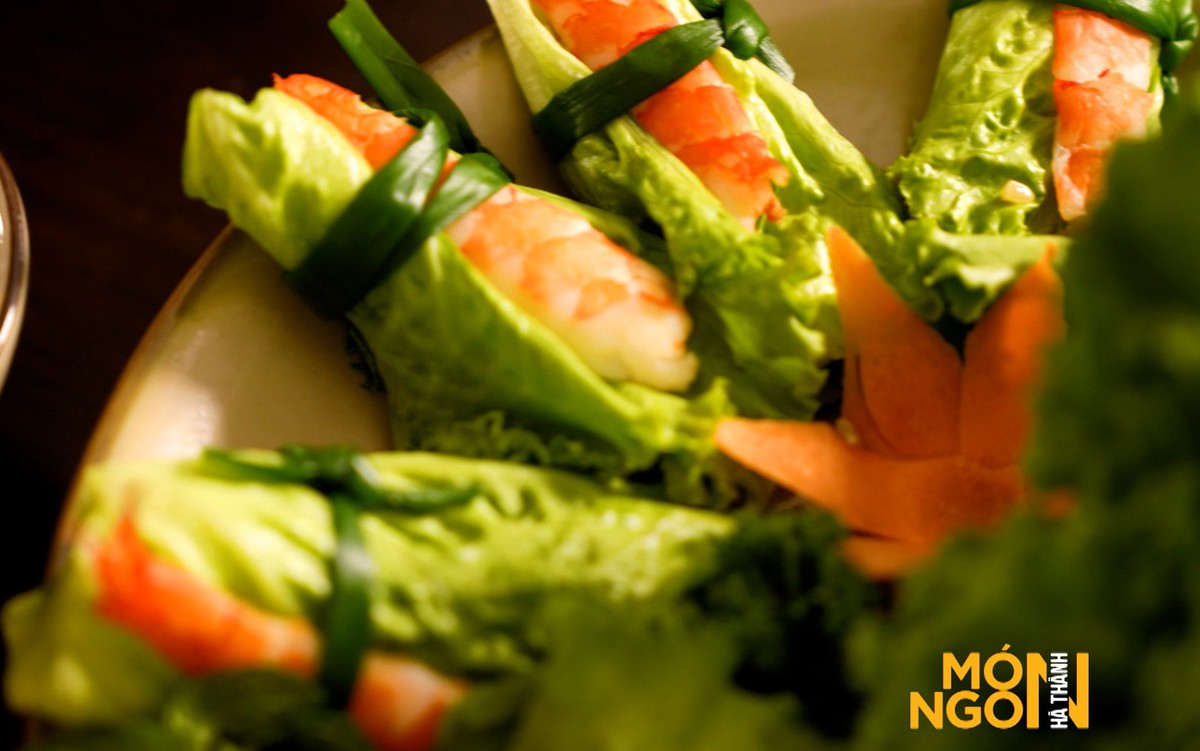
Cuốn bỗng adds regional character to Northern Vietnamese cuisine.
The Hà Nội-style preparation features fresh rolls accompanied by a Sweet & tangy rice wine distiller’s grains.

Fresh rolls use a rice wine distiller’s grains as a secret ingredient
Wrappers and fillings vary between vendors, But mainly using fresh boiled shrimp, roasted pork and secured using blanched chives or spring onions. This version differs from Hanoi’s diếp cuốn bỗng, where cooked fermented rice residue can form part of the filling.
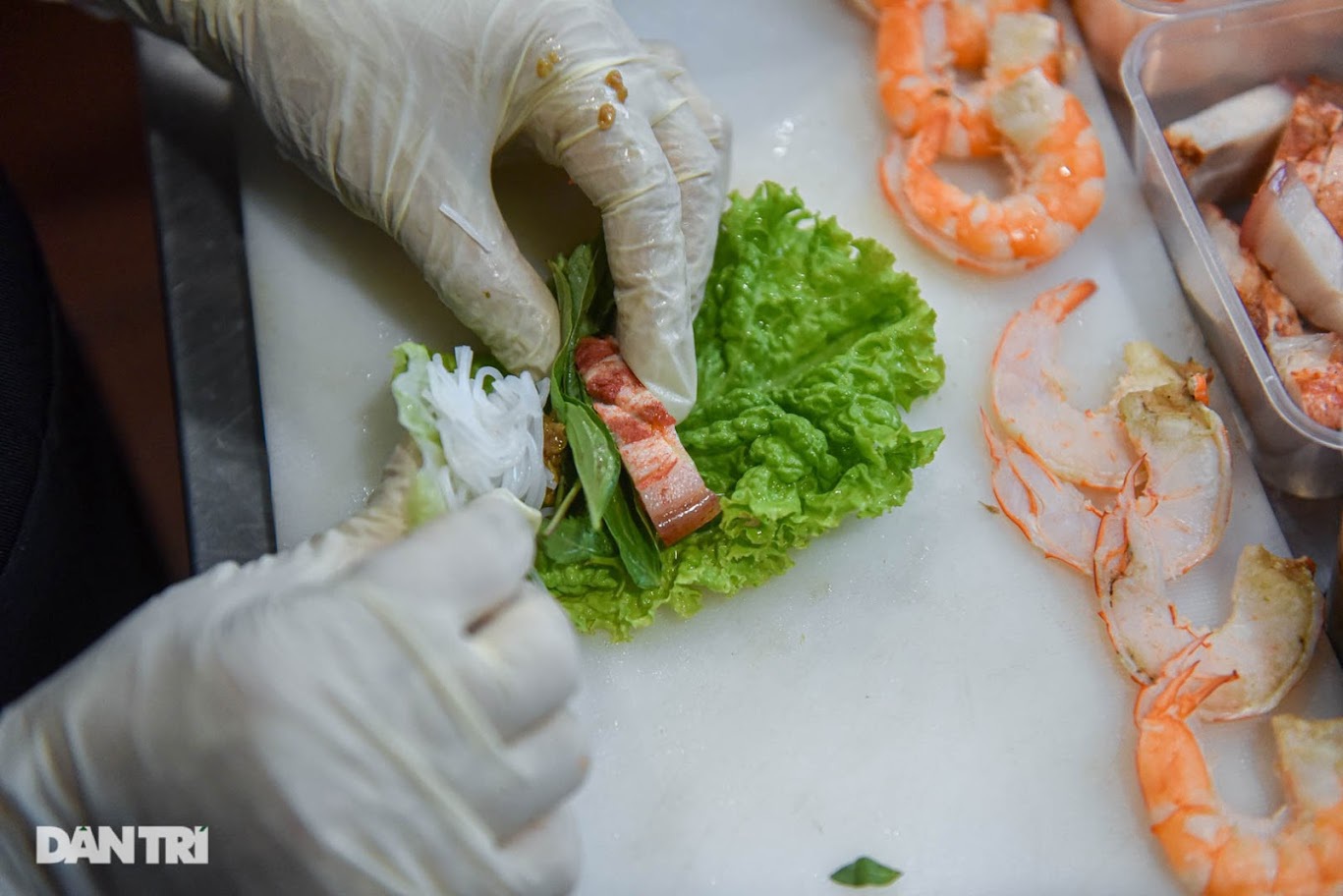
Different wrappers and fillings reveal local variations of cuốn bỗng.
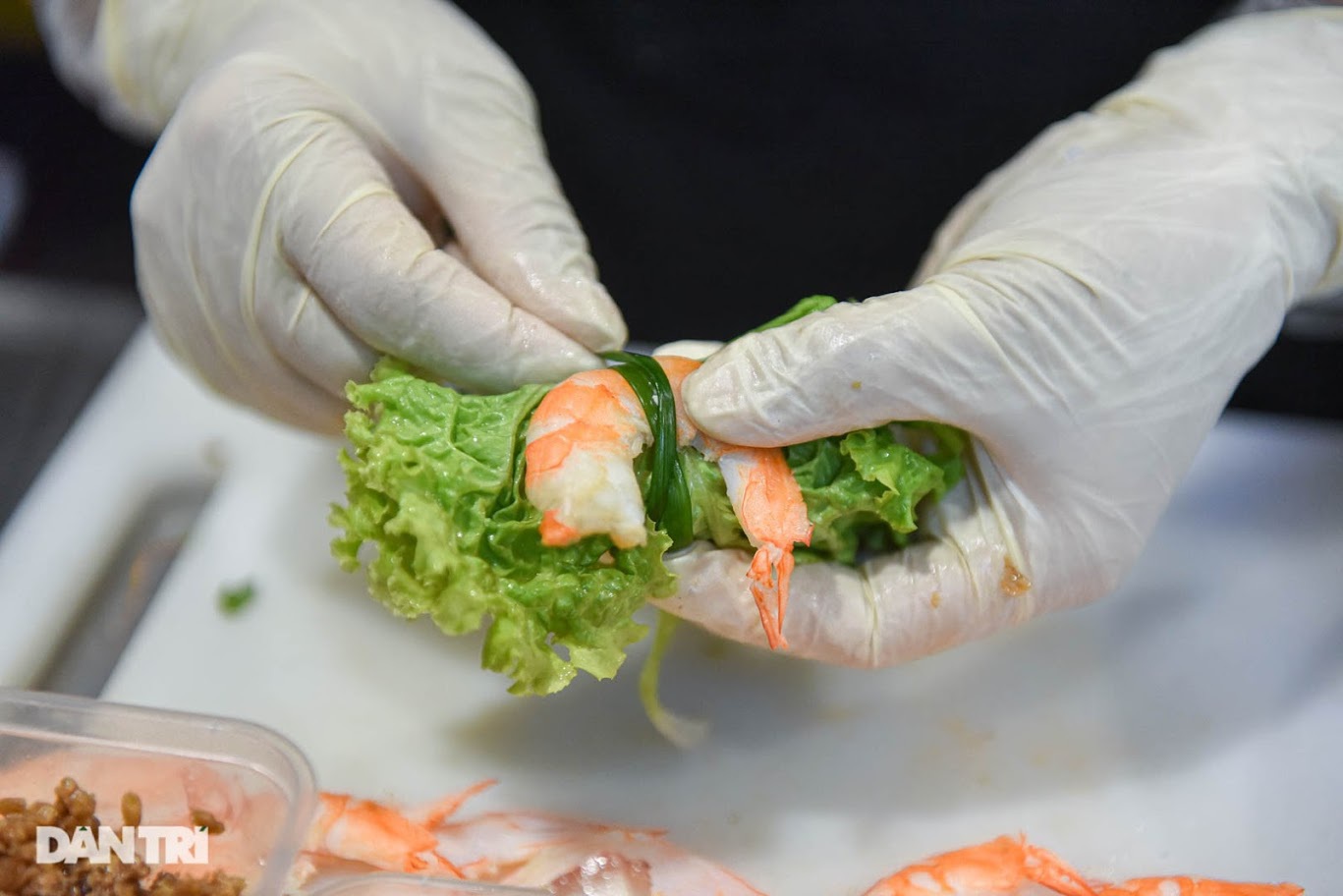
A distinctive dipping sauce gives these rolls their character.
Nem thính refers to the seasoned mixture rather than the finished roll. Common preparations combine finely sliced pork skin or meat with toasted rice powder. Served alongside leaves, herbs and sauce, it allows diners to assemble their own bites—a shared eating experience within traditional Vietnamese food.
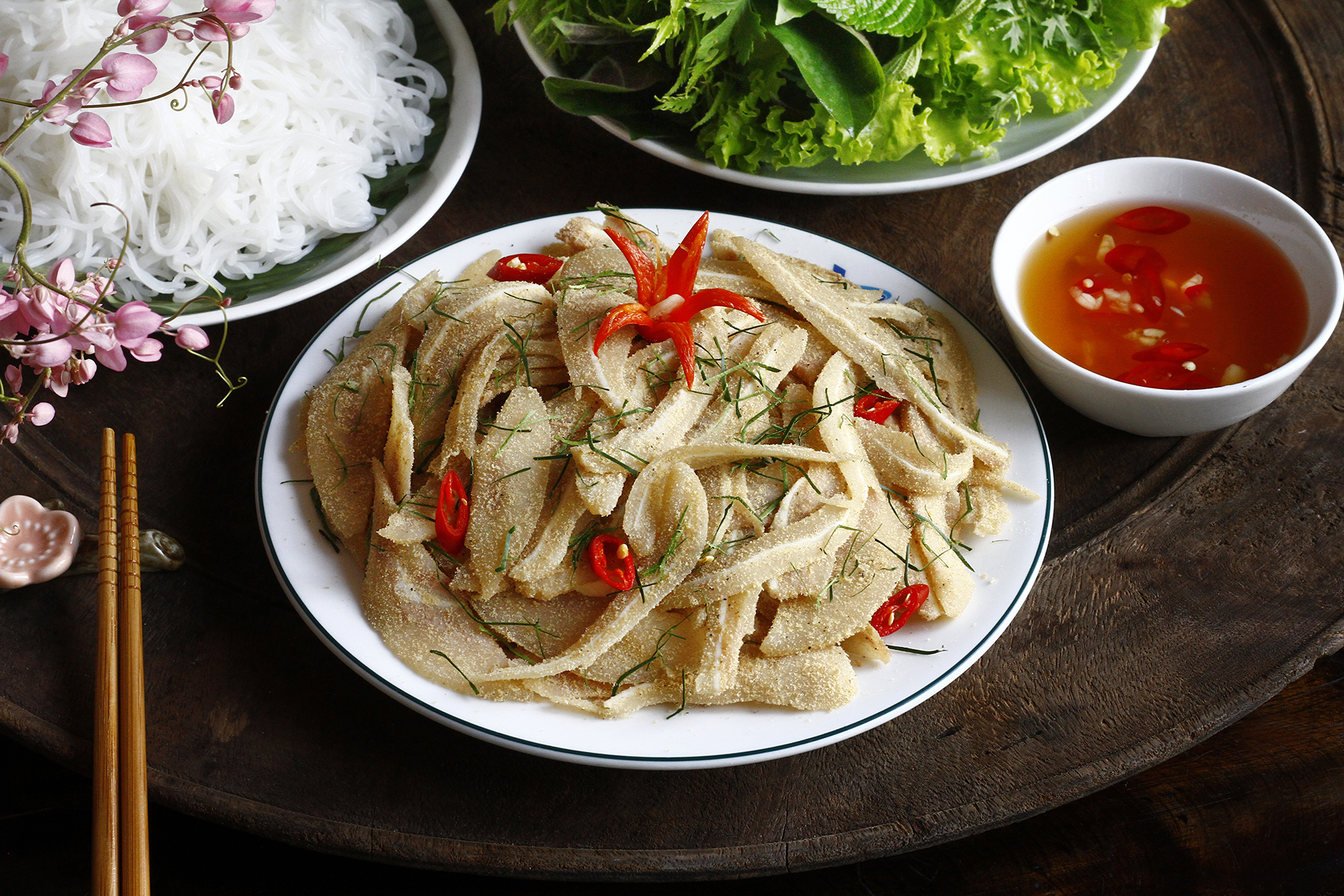
Cuốn thính brings fragrant toasted rice into traditional Vietnamese food.
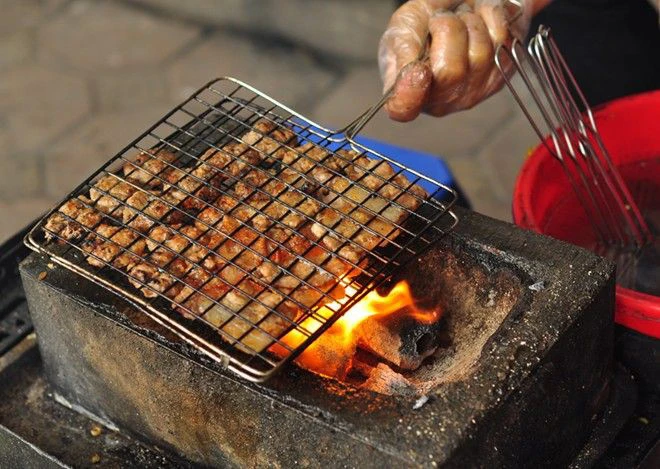
The scent of charcoal-grilled snacks adds another dimension to Vietnam autumn cuisine. Corn and sweet potatoes are familiar foods beyond autumn, but eating them warm beside a street-side grill is especially inviting on a cooler evening.
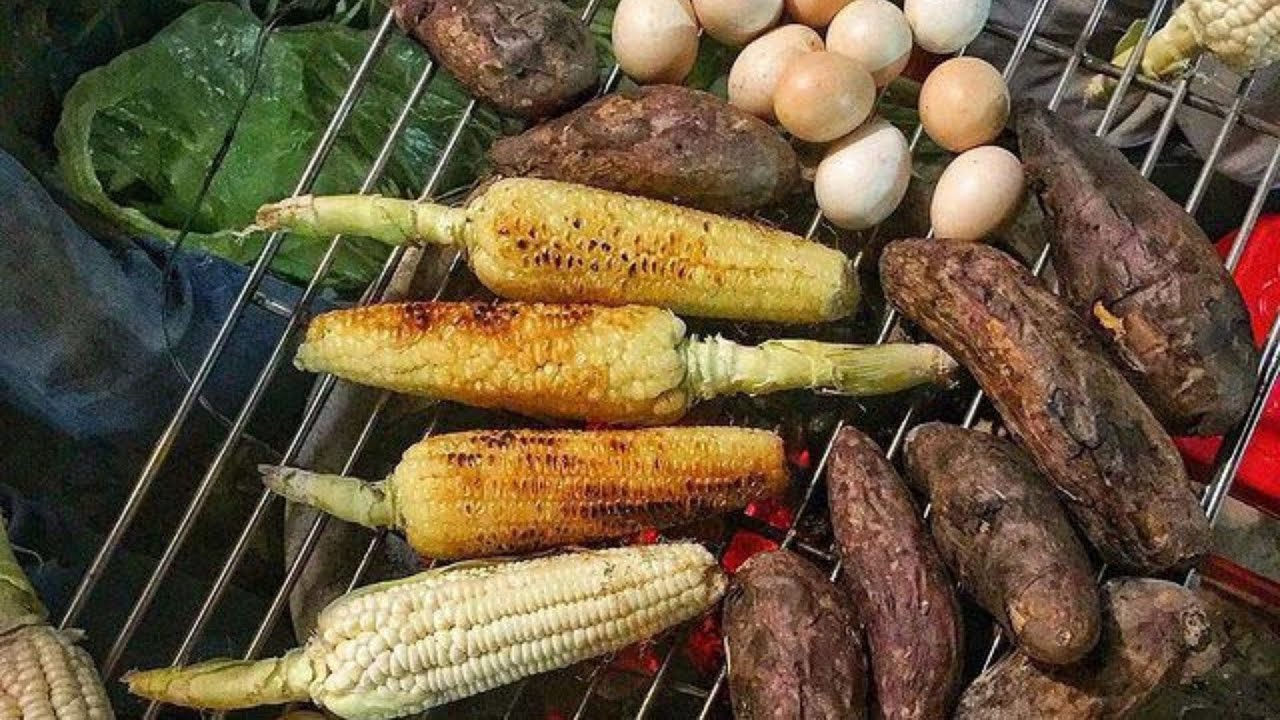
Corn and sweet potatoes roast over a street-side charcoal grill.
Turned over glowing charcoal, corn develops browned patches and a lightly smoky aroma. Depending on the variety, the kernels may be sweet and juicy or pleasantly chewy. Eaten straight from the cob, it offers a simple pause during an evening walk.
Slow roasting darkens the skin while softening the flesh inside. Split open a warm sweet potato to discover its naturally sweet centre, which may be fluffy or moist depending on the variety. This unadorned snack captures the everyday appeal of Vietnamese comfort food.
Warm Vietnamese sweet soups bring a gentle finish to an autumn food journey. Ginger, beans, sesame and sticky rice create different textures and flavours, with preparations that are particularly welcome as evenings become cooler.
A soft, chewy glutinous rice wrapper encloses mung bean or black sesame filling. Served in warm ginger syrup, bánh trôi tàu balances sweetness with a gently spicy fragrance. Breaking into the dumpling reveals a richer centre beneath its smooth exterior.

Soft rice dumplings hold mung bean or black sesame filling.
Softly cooked mung beans form the base of this sweet soup. In Hanoi preparations, lotus seeds and dried mandarin peel may add texture and a distinctive citrus note. The resulting bowl offers a different flavour from a straightforward mung bean dessert.
Finely ground black sesame gives chí mà phù its dark colour and deep, nutty flavour. Smooth and gently thickened, it reflects Chinese-influenced dessert traditions found in Vietnam. In Hanoi, it is often encountered alongside bánh trôi tàu and lục tàu xá at warm-dessert stalls.

Soft mung beans and black sesame form the base of a warming dessert.
Tender cassava pieces sit in a lightly thickened, golden-brown sweet soup scented with ginger. Their soft, slightly crumbly texture contrasts with the smooth liquid; shredded coconut may add another layer of flavour. It is a warming example of Vietnamese autumn food.
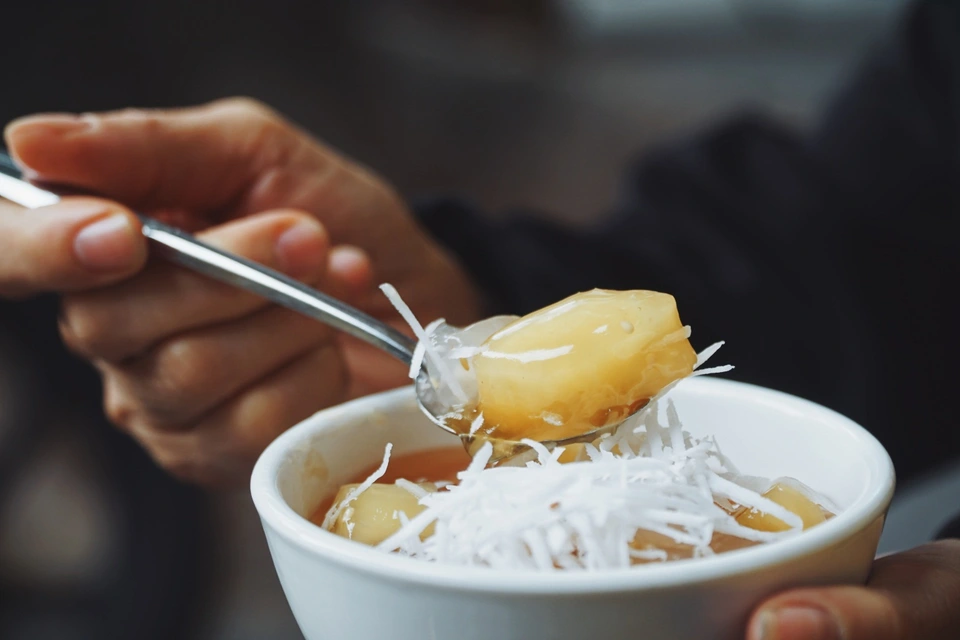
Ginger-scented chè sắn nóng is a warming example of Vietnamese autumn food.
The Hanoi-style pairing featured here combines xôi vò—separate sticky rice grains coated with mung beans—with chè hoa cau, a lightly thickened sweet soup dotted with mung beans. Enjoyed together, the two components contrast pleasantly: fragrant, substantial rice alongside a delicate spoonable dessert.
Immerse yourself in a stay where northern Vietnamese architecture meets world-class comfort. At Jiva Hoalu Retreat, each accommodation blends locally inspired décor with modern luxuries, offering a unique fusion of culture, tradition, and elegance. Whether you’re here for a romantic getaway, a family escape, or a tranquil retreat, Jiva promises unforgettable moments in the heart of Ninh Binh.
Contact Us:
📞 +84 933 006 886
📧 inquiry@jivahoaluretreat.com
🌐 https://jivahoaluretreat.com/
Thank you for your reservation.
You will receive a confirmation from us momentarily
Thank you for reaching out. Your request has been received. Our team will respond within 24 hours.