


05 November, 2026
Stepping into Vietnam’s Capital, Hanoi, is like entering a living museum where a thousand years of history breathe through the cracks of a modernizing metropolis. For first-time visitors, this city offers a sensory symphony—a place where the aroma of slow-simmered Pho mingles with the architectural elegance of the French Quarter and the rhythmic buzz of the Old Quarter’s ancient streets.
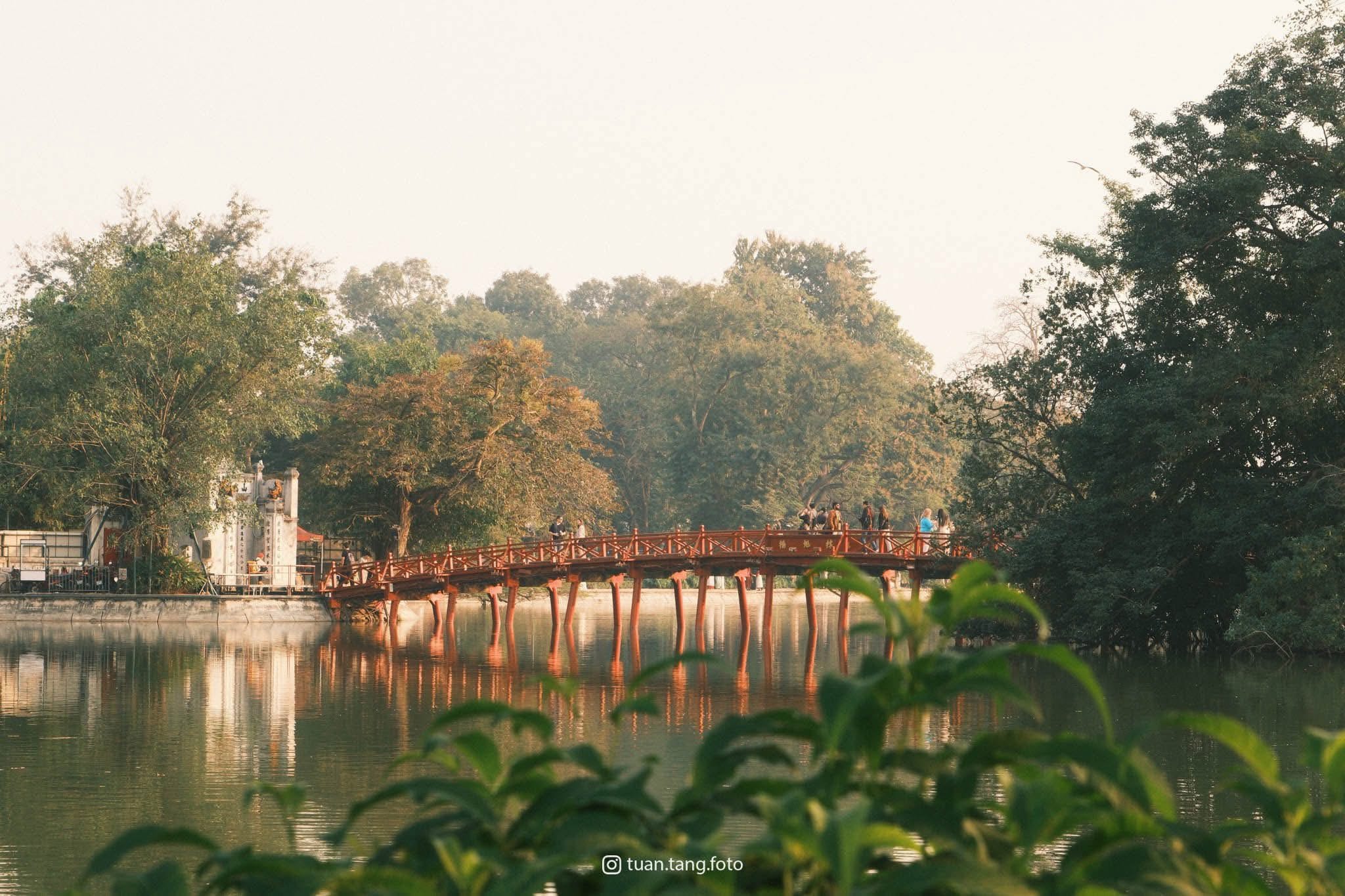
Immersing your senses in the vibrant daily atmosphere that defines the soul of Vietnam’s Capital.
This hanoi travel guide is crafted to help you navigate the captivating chaos with ease. Whether you are a couple seeking a romantic sunset by the lake or a culture enthusiast checking off the top attractions in Hanoi, our guide ensures your first encounter with the heart of Vietnam is both seamless and unforgettable. Beyond the city limits, we also provide the perfect transition to the serene limestone wonders of Ninh Binh, making Hanoi the ideal starting point for your Northern Vietnam odyssey.
Where Is Vietnam’s Capital and Why Should You Visit?
Located in the heart of Northern Vietnam along the historic banks of the Red River, Hanoi is more than just Vietnam’s Capital—it is the nation’s political, cultural, and historical heartbeat. Having served as the capital for over a millennium, the city presents a fascinating contrast between its deep imperial roots and a rapidly evolving urban landscape.
An Authentic Gateway to the North
What makes Vietnam’s Capital especially appealing to international travelers is its palpable authenticity. Unlike the faster-paced energy of Ho Chi Minh City, Hanoi moves at a slightly more reflective rhythm, allowing you to fully absorb the atmosphere of its narrow lanes and traditional shophouses.
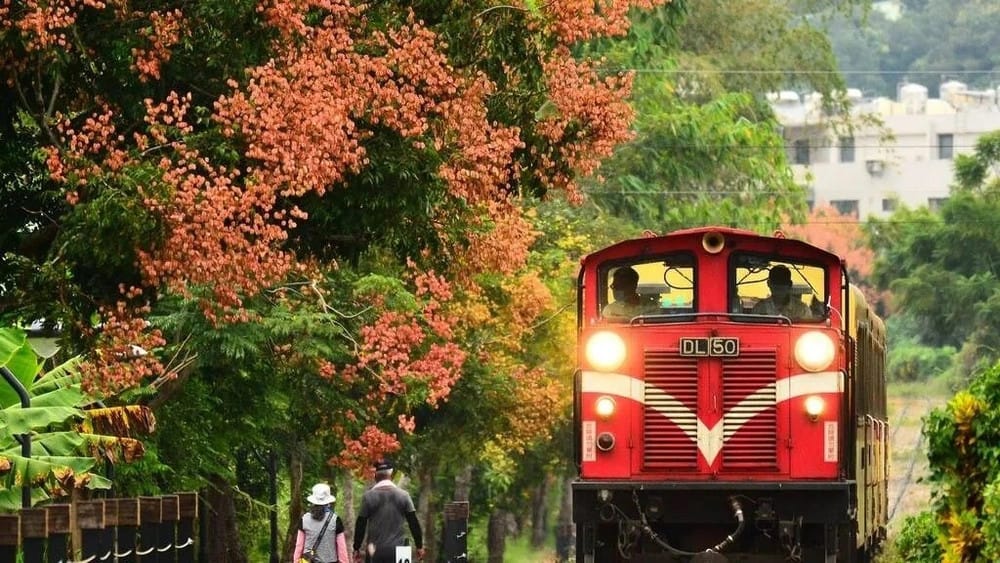
The nostalgic and reflective rhythm of life that sets Hanoi apart from other modern Asian metropolises.
Its strategic location also makes it the essential Hanoi tourist guide starting point for world-class day trips from Hanoi to Ha Long Bay or the “Ha Long Bay on Land” in Ninh Binh.
A Continuous Stream of Sensory Experiences
In Hanoi, the sidewalks are more than just walkways; they are vibrant social spaces where locals gather over traditional coffee and street vendors serve iconic Northern dishes. From the early morning flower markets to late-night food corners, the city offers a constant stream of experiences that feel both chaotic and captivating. For couples, this blend of heritage and street life creates a romantic backdrop that is uniquely Vietnamese, serving as a rich introduction before retreating to the quiet luxury of places like Jiva Hoa Lu Retreat.
A Culinary Odyssey: The Art of Hanoian Flavors
Hanoi’s world-renowned food scene is a primary reason travelers flock to Vietnam’s Capital. The city is the proud birthplace of legendary dishes like Pho, Bun Cha, and the uniquely indulgent Egg Coffee. For a truly authentic experience, sidewalks transform into open-air dining rooms where you can taste these iconic flavors right where they were perfected.

food Vendors filling the air with the tantalizing aromas of traditional Northern cuisine.
Whether it is a fragrant morning bowl of Pho or a late-night food corner in the Old Quarter, the culinary heritage of Hanoi is a captivating blend of aromatic herbs, slow-simmered broths, and centuries of tradition
Deep Cultural Connections and Traditional Arts
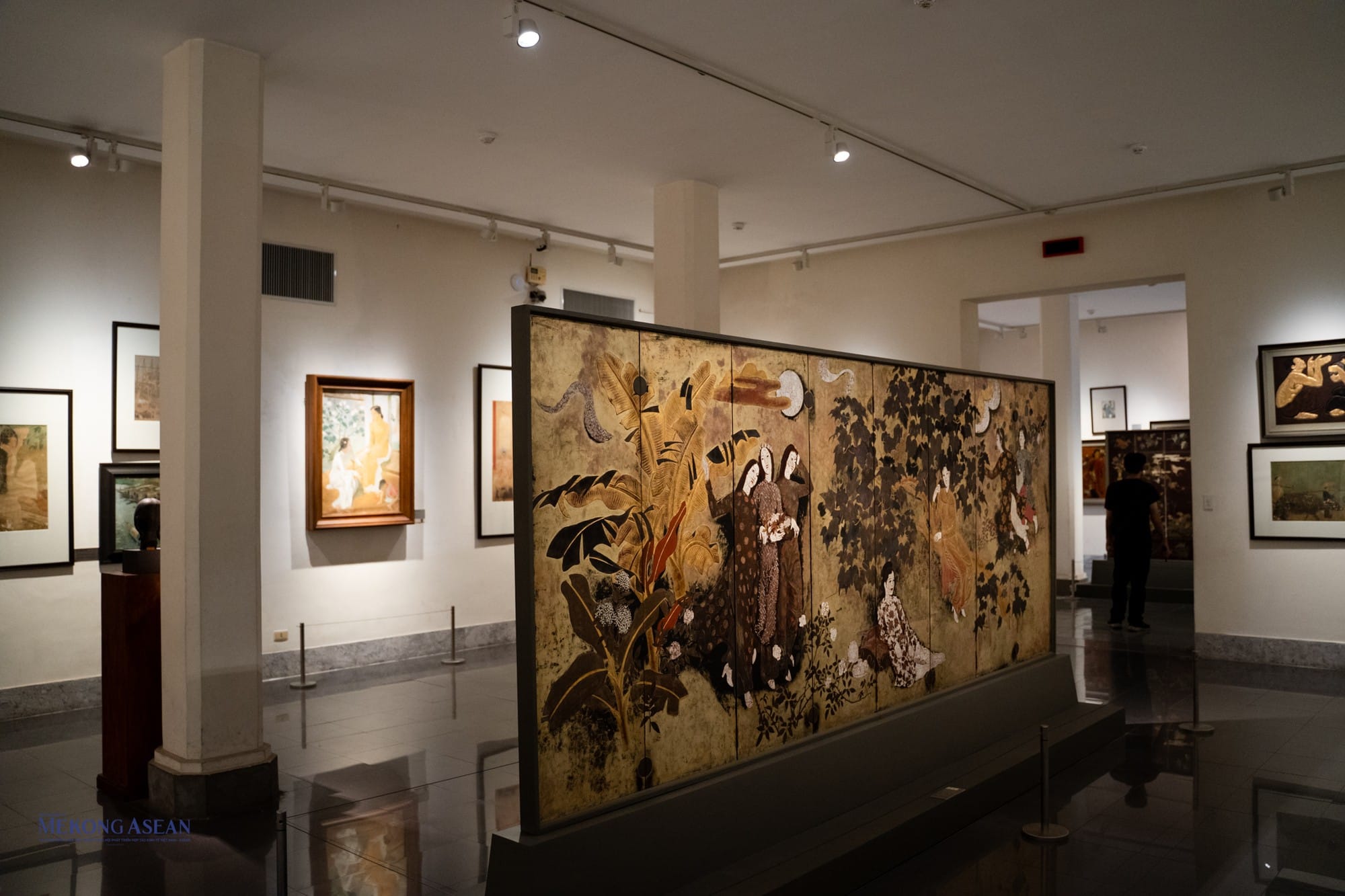
Discovering why the deep cultural roots of Vietnam’s Capital continue to enchant travelers from around the world.
For those seeking a deeper spiritual and historical bond, Vietnam’s Capital is home to an incredible array of significant landmarks, museums, and ancient art forms. Whether you are exploring the weathered stone of thousand-year-old temples, enjoying the whimsical storytelling of a water puppet performance, or simply watching daily life unfold by the emerald waters of the lake, Hanoi offers an authenticity that is hard to find elsewhere.
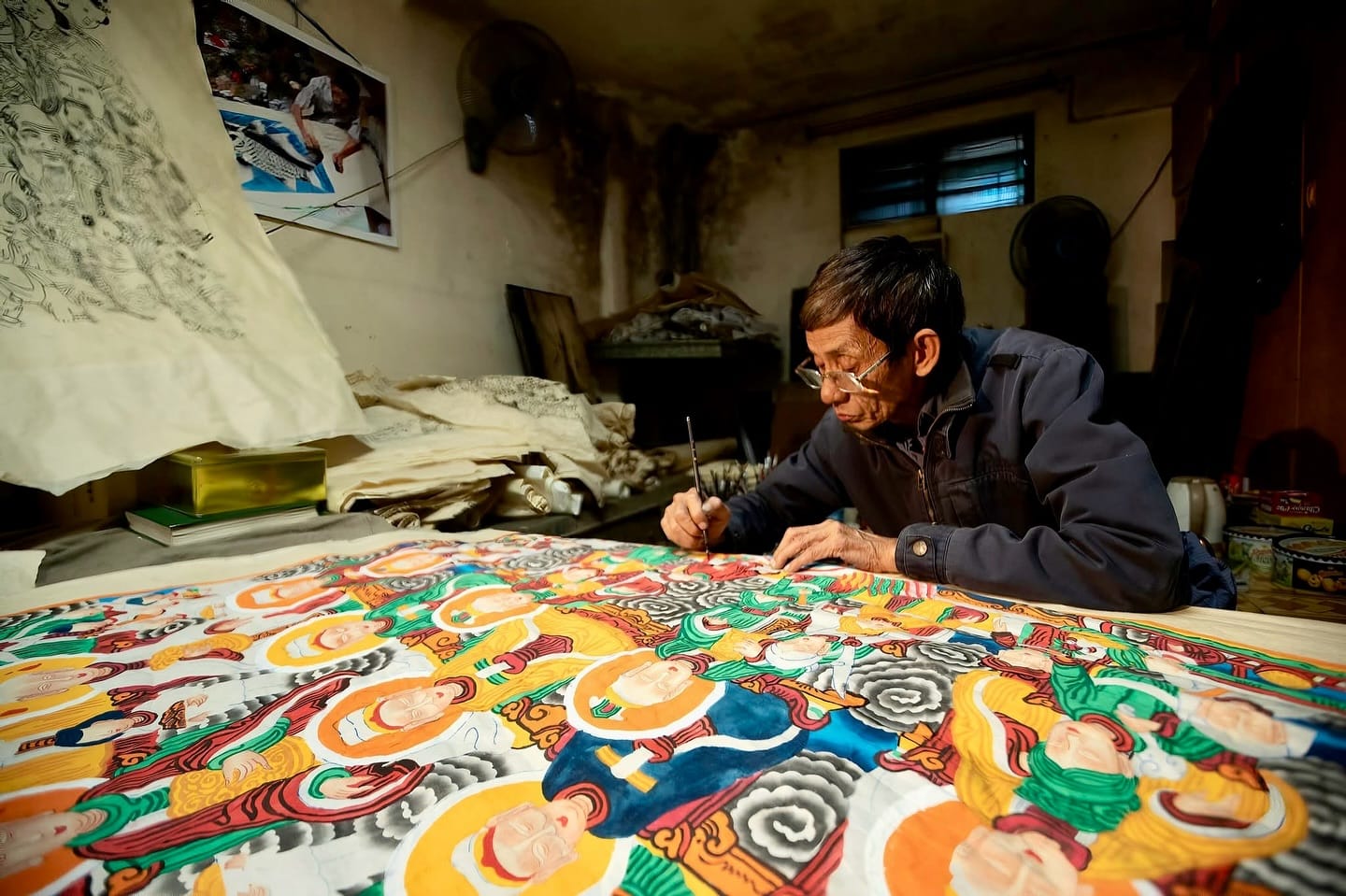
Discovering ancient art forms is one of the most culturally immersive things to do in Hanoi.
This profound cultural immersion provides the perfect context before you embark on day trips from Hanoi to discover the rural heritage of Northern Vietnam.
Timing Your Journey: Best Time to Visit Hanoi for First-Time Visitors
Finding the perfect window for your trip is one of the most important things to do in Hanoi planning. Unlike the tropical south, Hanoi experiences four distinct seasons, each offering a different atmosphere for exploring the top attractions in Hanoi. Whether you prefer the romantic mist of spring or the golden clarity of autumn, timing your visit correctly will enhance your overall experience in Northern Vietnam.
Autumn: The Golden Season (September to November)
Most locals and seasoned travelers agree that autumn is the absolute best time for a Hanoi tourist guide experience.
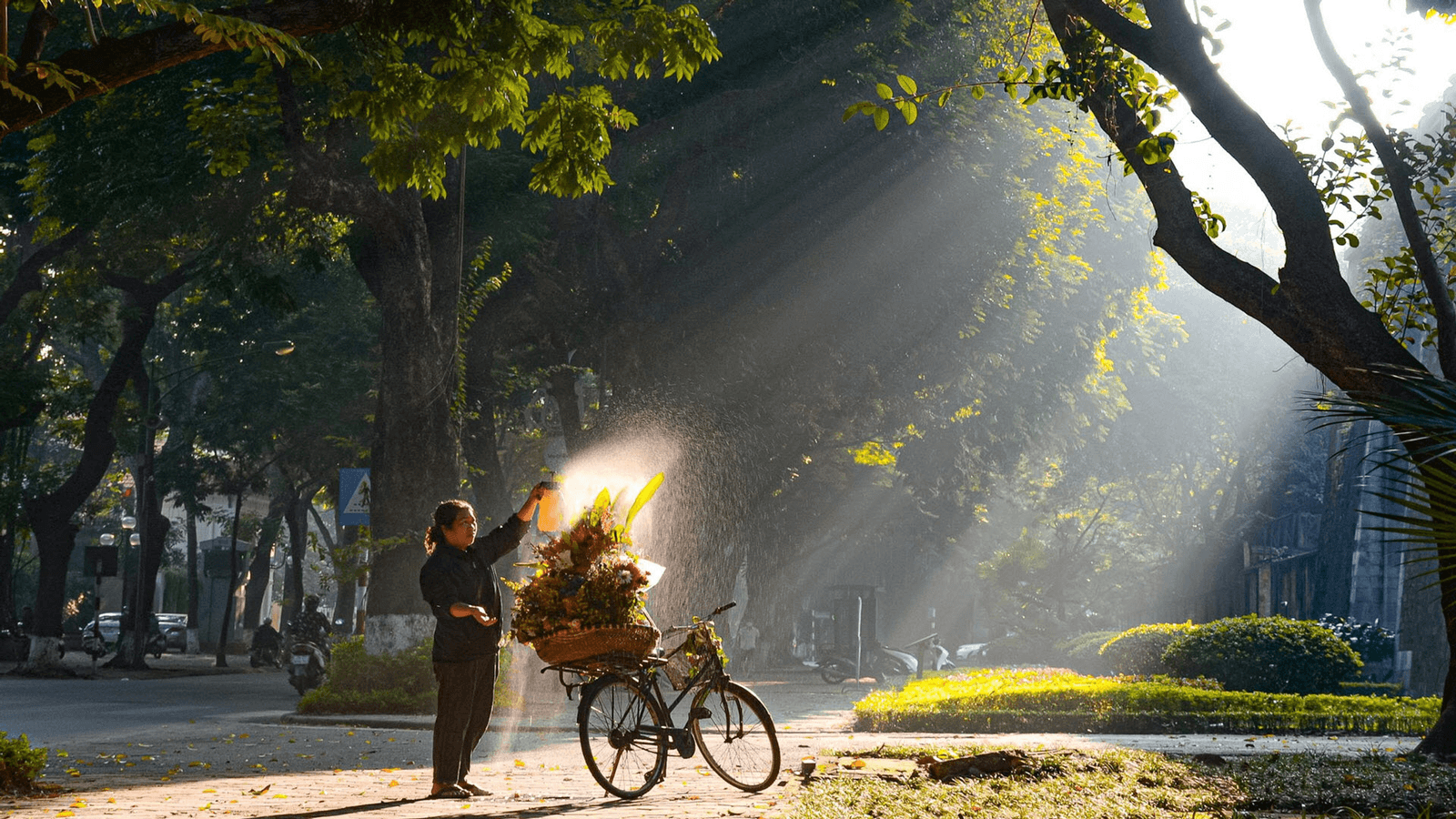
A street vendor on a bicycle bringing a touch of rural charm to the busy city center.
During these months, the city enjoys mild temperatures, low humidity, and clear blue skies. The air is filled with the fragrance of “Milk Flower,” and the soft sunlight makes it the most photogenic period to visit the outdoor attractions in Hanoi.
The golden leaves of autumn creating a poetic and romantic backdrop throughout the city.
It is also the ideal season to transition from the city to the golden rice fields of Ninh Binh via specialized day trips from Hanoi.
Spring: The Season of Renewal (February to April)
Spring in Hanoi is a time of blossoms and traditional festivals. While the weather can be a bit misty or drizzly, it creates a mystical and romantic atmosphere that many couples adore.
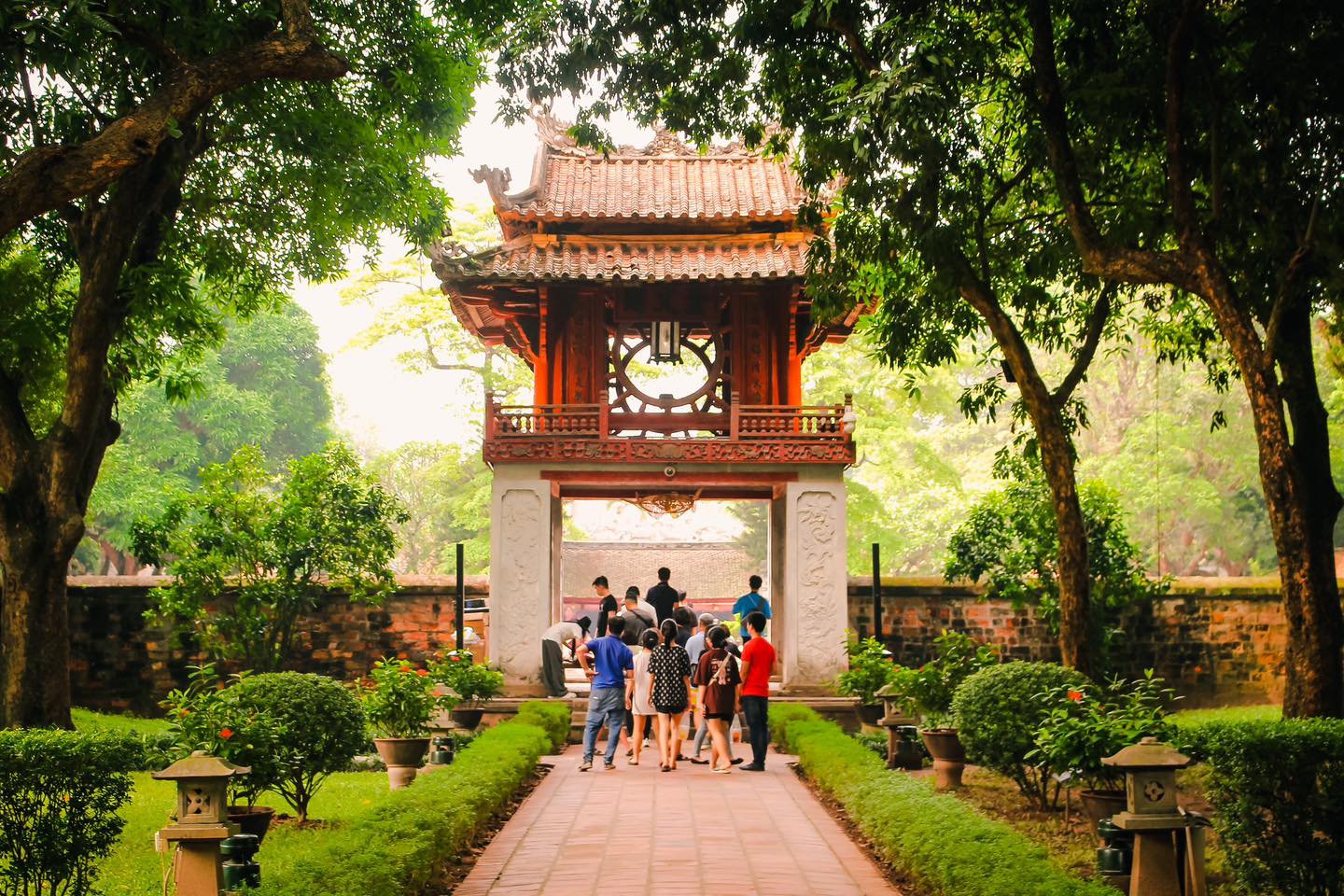
Spring blossoms adding a touch of freshness to the ancient temples of the capital.
This is a fantastic time to include spiritual things to do in Hanoi in your itinerary, such as visiting the Temple of Literature or the One Pillar Pagoda.
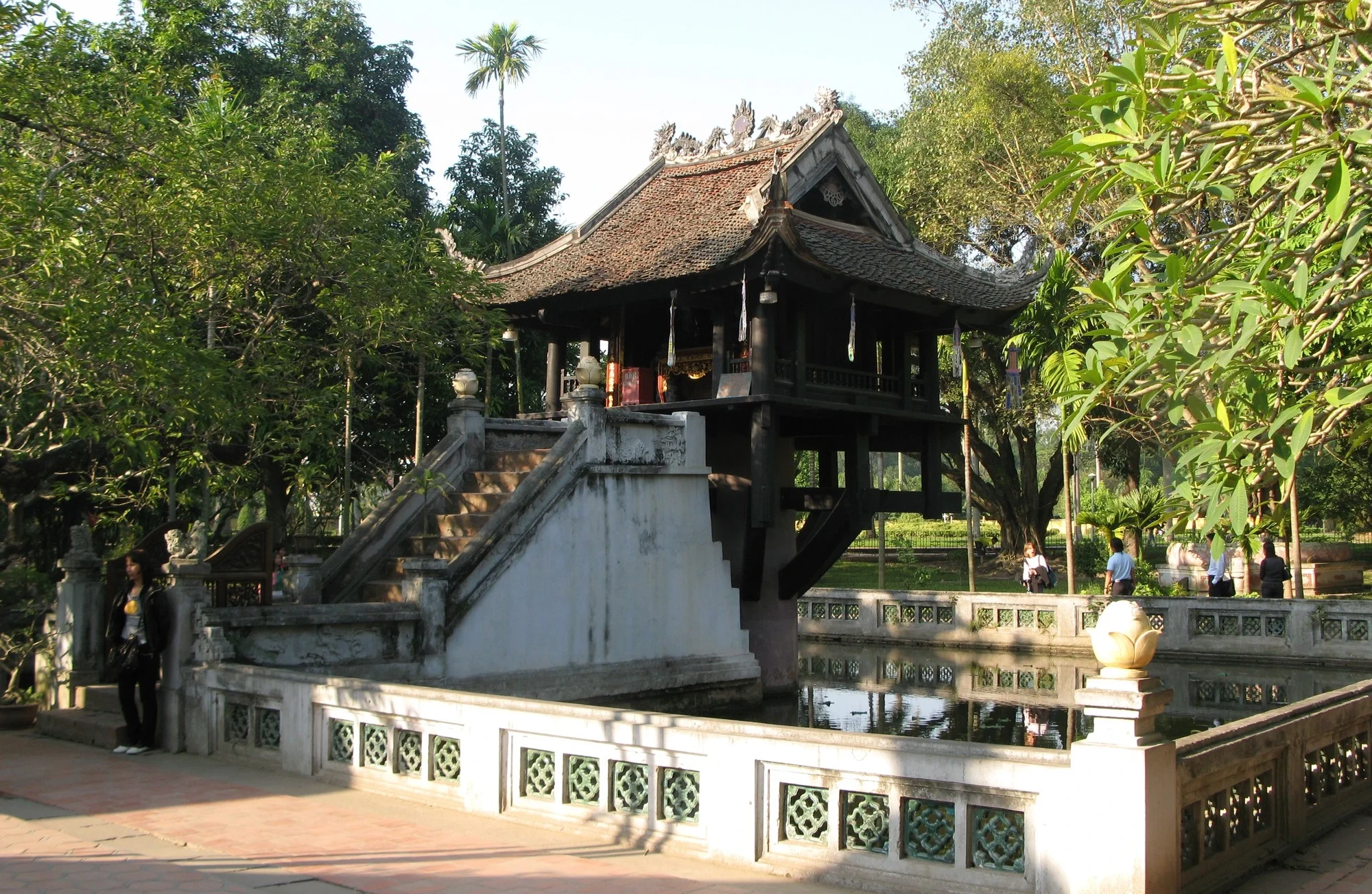
Clear blue skies offering the best visibility for photography and outdoor exploration.
The fresh greenery during this period also makes it a prime time to explore the Trang An Scenic Landscape Complex just a short drive away.
Summer & Winter: For the Adventurous Traveler
Summer (May to August): This period is hot and humid with occasional tropical showers. However, the vibrant energy of the city and the lush green landscapes of the surrounding countryside are at their peak.
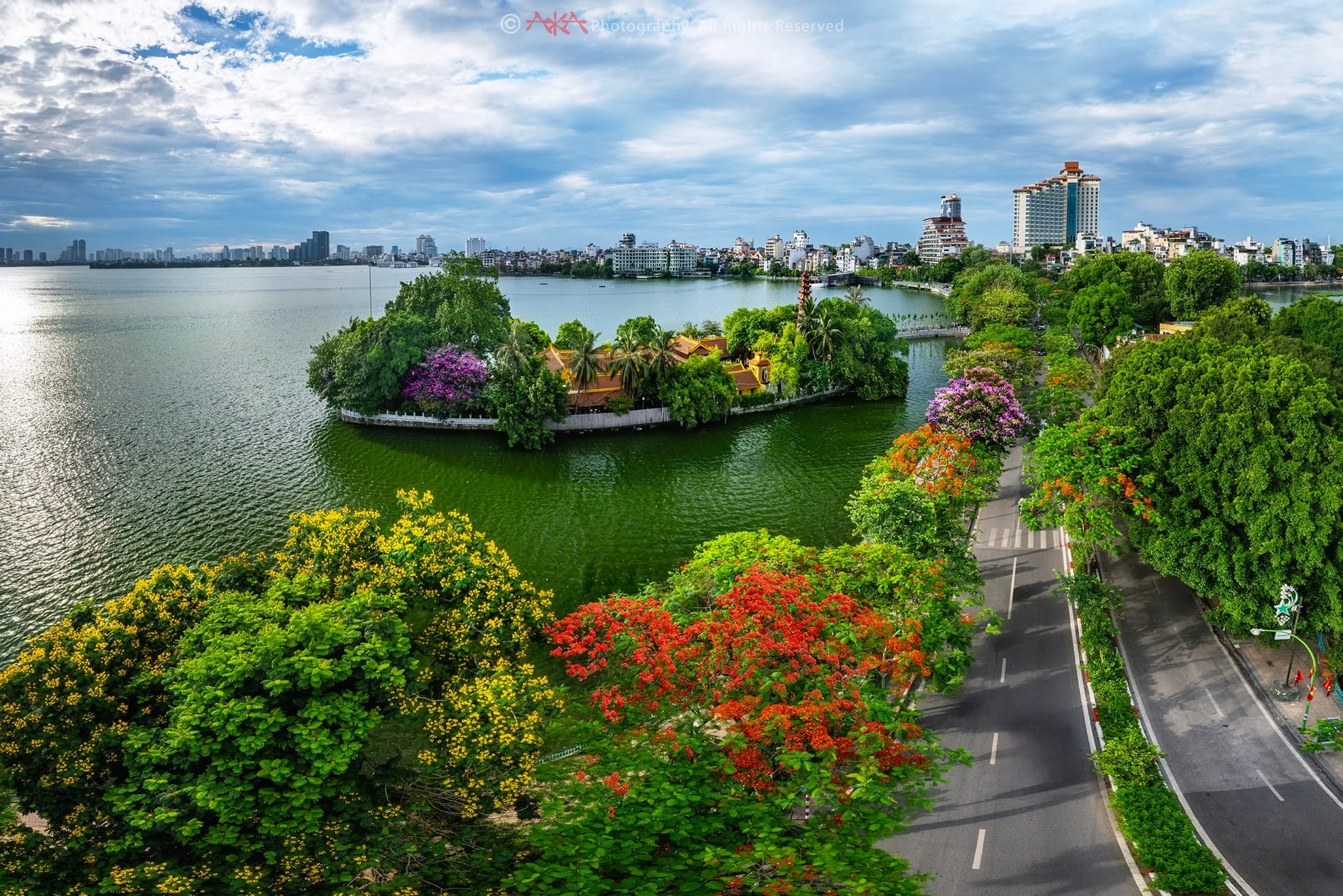
The expansive West Lake providing a refreshing breeze and panoramic views of the city skyline.
Winter (December to January): Hanoi can get surprisingly cold and grey. This is the perfect time for indoor things to do in Hanoi, such as spending hours in cozy cafes in the Old Quarter or indulging in a long wellness session at a professional Spa Ninh Binh if you decide to head south.

Finding “urban zen” by the water is one of the most peaceful things to do in Hanoi.
For the best overall experience, plan your visit between September and November or March and April. These months offer the most comfortable weather, making it easier to explore Hanoi’s streets, culture, and cuisine at your own pace.
Reaching Vietnam’s Capital is a seamless experience, as the city serves as the primary international and domestic transport hub for Northern Vietnam. Whether you are arriving from across the globe or traveling within the country, there are several convenient options to begin your journey in this historic city.
Arriving by Air: The Gateway of Noi Bai International
For the vast majority of international travelers, flying into Noi Bai International Airport (HAN) is the most efficient and stress-free option. Located approximately 30 km from the city center, the airport connects Vietnam’s Capital with major global hubs across Asia, Europe, and beyond.
Airport Transfers: Upon arrival, you can choose from metered taxis, pre-booked private cars, or ride-hailing apps like Grab.
Budget Options: For a more economical hanoi travel guide experience, airport shuttle buses offer a reliable connection to the Old Quarter.
Travel Time: Depending on traffic, the journey into the heart of the city typically takes between 30 to 50 minutes.
Domestic Connectivity: Flights and the Reunification Express
If you are already exploring the hidden gems of Vietnam, reaching the capital is straightforward.
Quick Domestic Flights: Frequent daily flights connect Vietnam’s Capital with Ho Chi Minh City and Da Nang, with flight times averaging just 1 to 2 hours.
The Scenic Railway: For those who prefer a slower pace, the Reunification Express train offers a nostalgic journey from the south. While the full trip from Ho Chi Minh City is long, segments from Hue or Da Nang provide breathtaking coastal views.
Regional Access: Buses and Private Transfers
Hanoi is well-connected by road to many northern provinces, making it a central point in any Hanoi tourist guide.
Private Car Transfers: This is the preferred choice for travelers coming from nearby heritage sites like Ninh Binh. A private car offers the ultimate flexibility, allowing you to move directly from your mountain retreat, such as Jiva Hoa Lu Retreat, to the vibrant streets of the capital in just two hours.
Long-Distance Buses: While budget-friendly, these are best suited for shorter regional hops or for travelers seeking a truly local experience.
Top Things to Do in Hanoi for First-Time Visitors
While there are countless ways to experience Vietnam’s Capital, first-time visitors should focus on a blend of historic landmarks, soulful street life, and the serene lakes that define the city’s character. Whether you have 48 hours or a full week, these essential attractions in Hanoi offer a profound introduction to the heart of the nation.
Immerse in the Charms of the Old Quarter
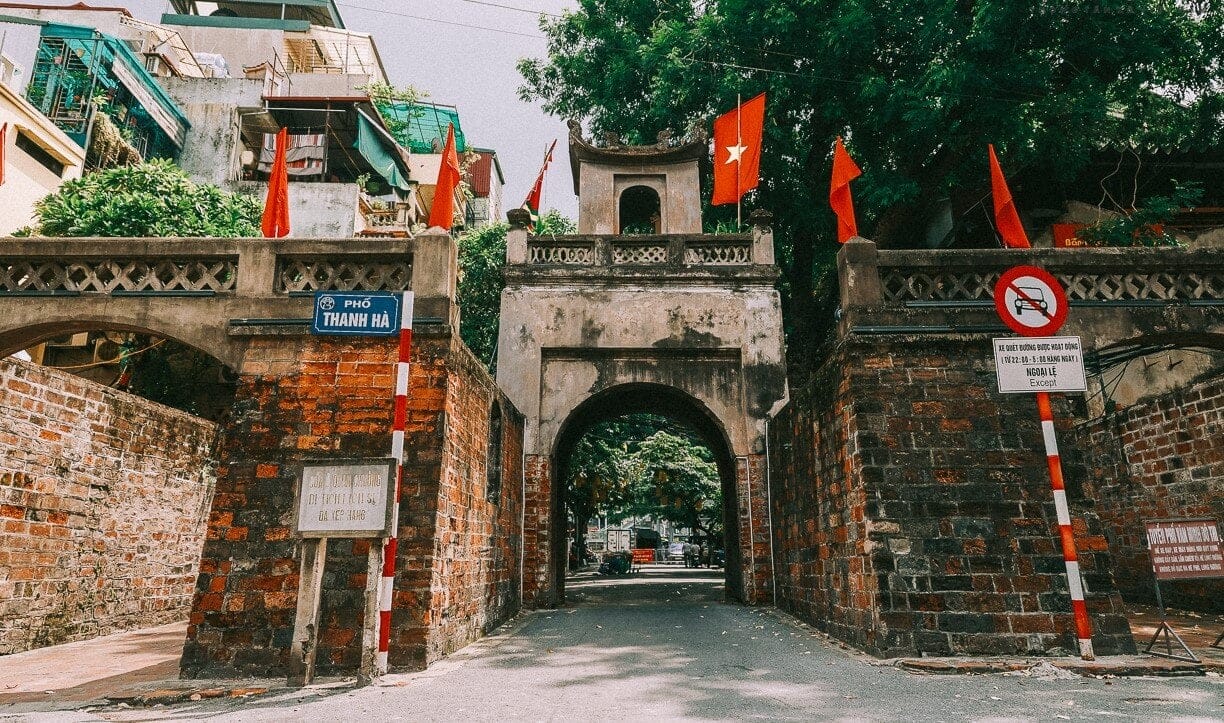
Stepping through a historic gateway in the Old Quarter
No hanoi travel guide is complete without wandering through the labyrinthine streets of the Old Quarter. This centuries-old neighborhood is a sensory masterpiece where traditional craft guilds still thrive amidst a buzzing modern energy.
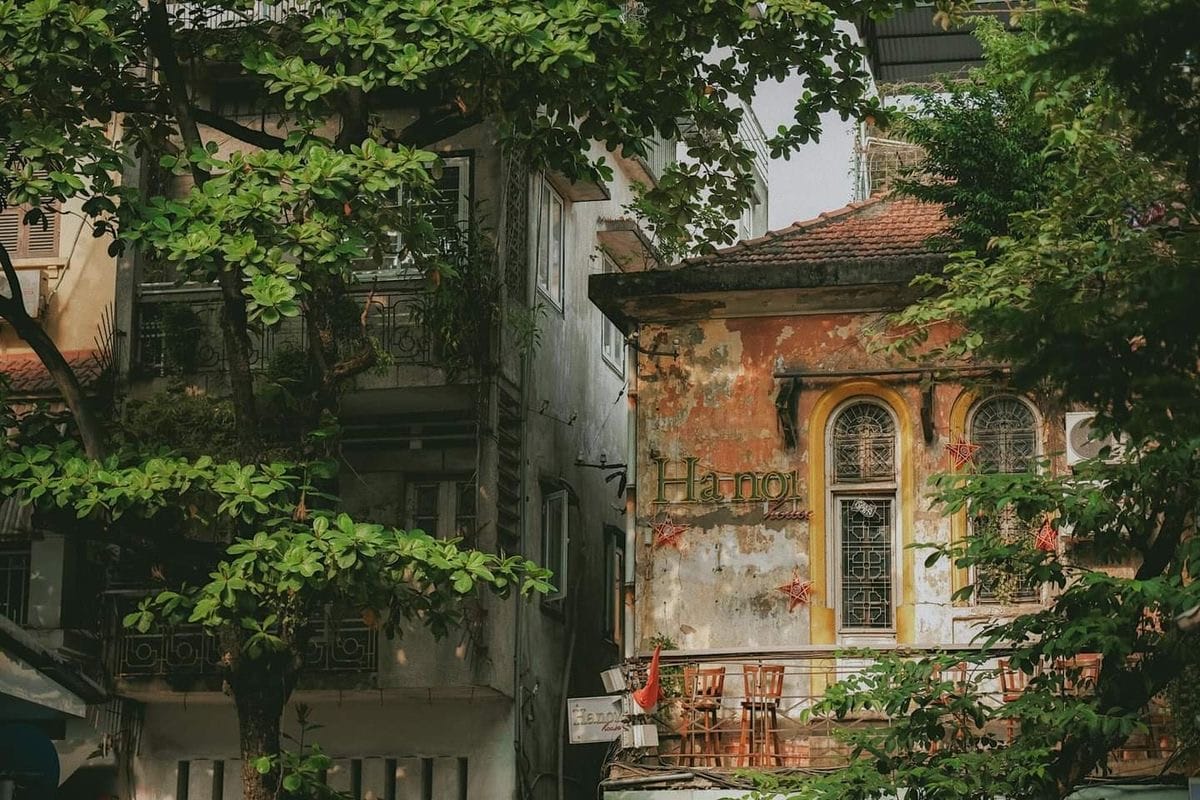
Intricate colonial architecture standing side-by-side with ancient Vietnamese temples.
For couples, the narrow alleys and hidden courtyard cafés provide a romantic, nostalgic atmosphere that feels both chaotic and captivating.
Seek Serenity at Hoan Kiem Lake & Ngoc Son Temple
At the very center of Vietnam’s Capital lies Hoan Kiem Lake, a peaceful sanctuary where the city’s past and present meet. Strolling across the iconic red Huc Bridge to visit Ngoc Son Temple is a must-see for those interested in local legends. It is the perfect place to witness the authentic daily life of Hanoians, from early morning Tai Chi to sunset walks.
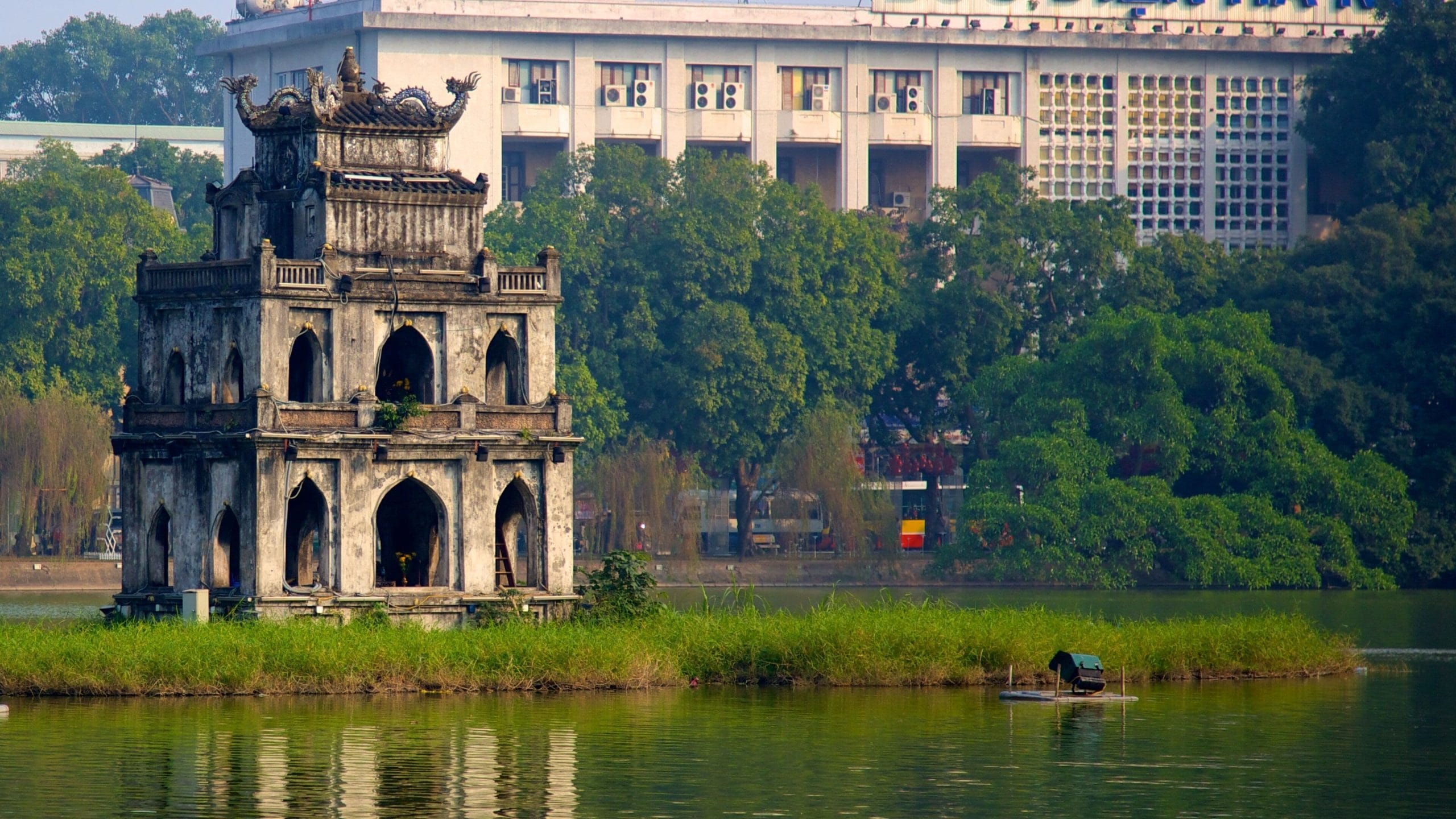
symbol of the city’s enduring authenticity.
Discover the Cradle of Knowledge at Temple of Literature
As Vietnam’s first national university, the Temple of Literature is a beautifully preserved complex dedicated to Confucian learning. Its ancient stone stelae and quiet courtyards offer a tranquil escape from the urban rush, showcasing the country’s long-standing respect for education and scholarship.
Experience the Flavors of the Street
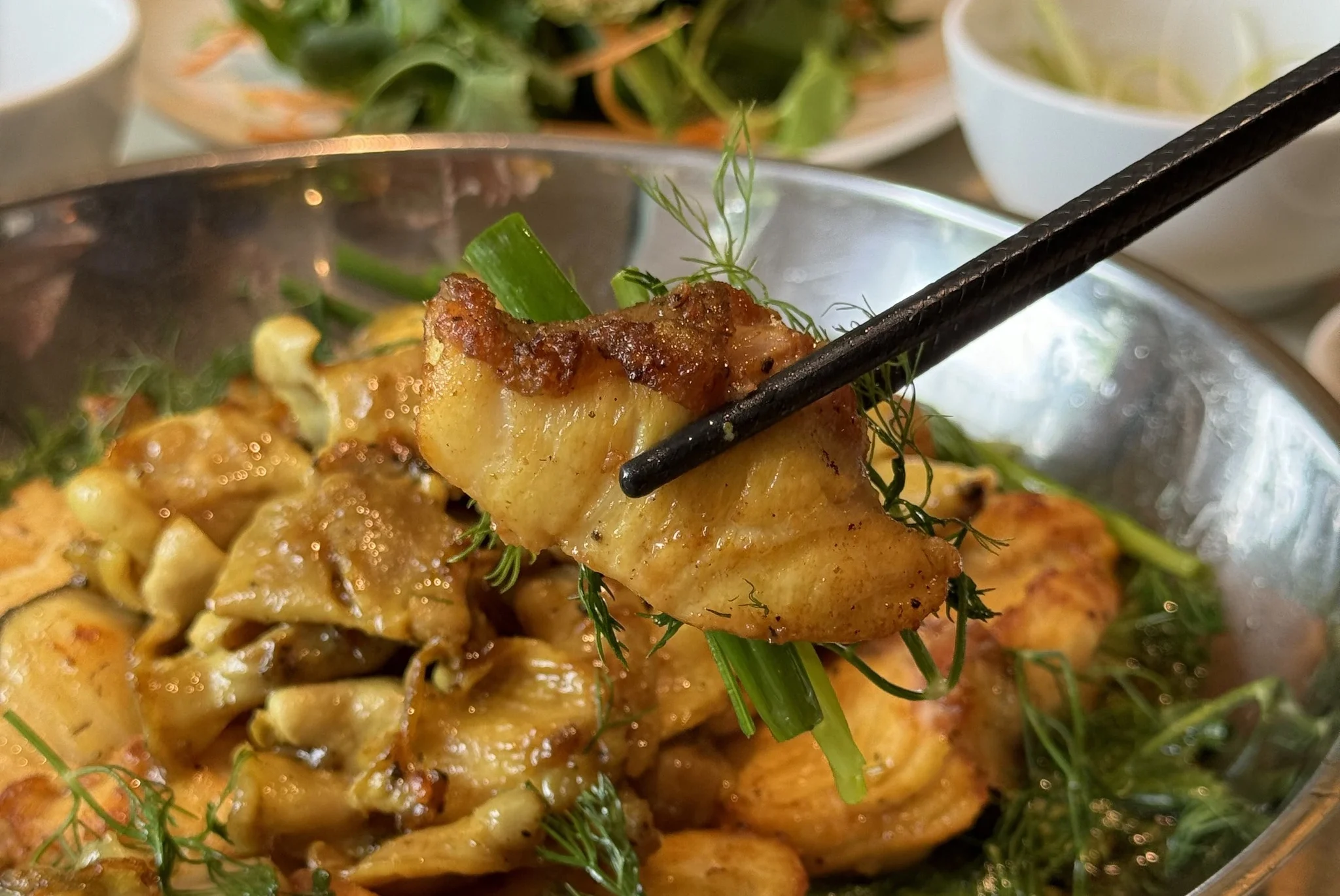
Tasting the legendary flavors that have made Vietnam’s Capital a world-class culinary destination.
Tasting iconic dishes like Pho, Bun Cha, and Banh Mi right on the sidewalk is more than just a meal—it’s a cultural immersion. Vietnam’s Capital is world-famous for its culinary heritage, and exploring these flavors is an essential part of any Hanoi tourist guide.
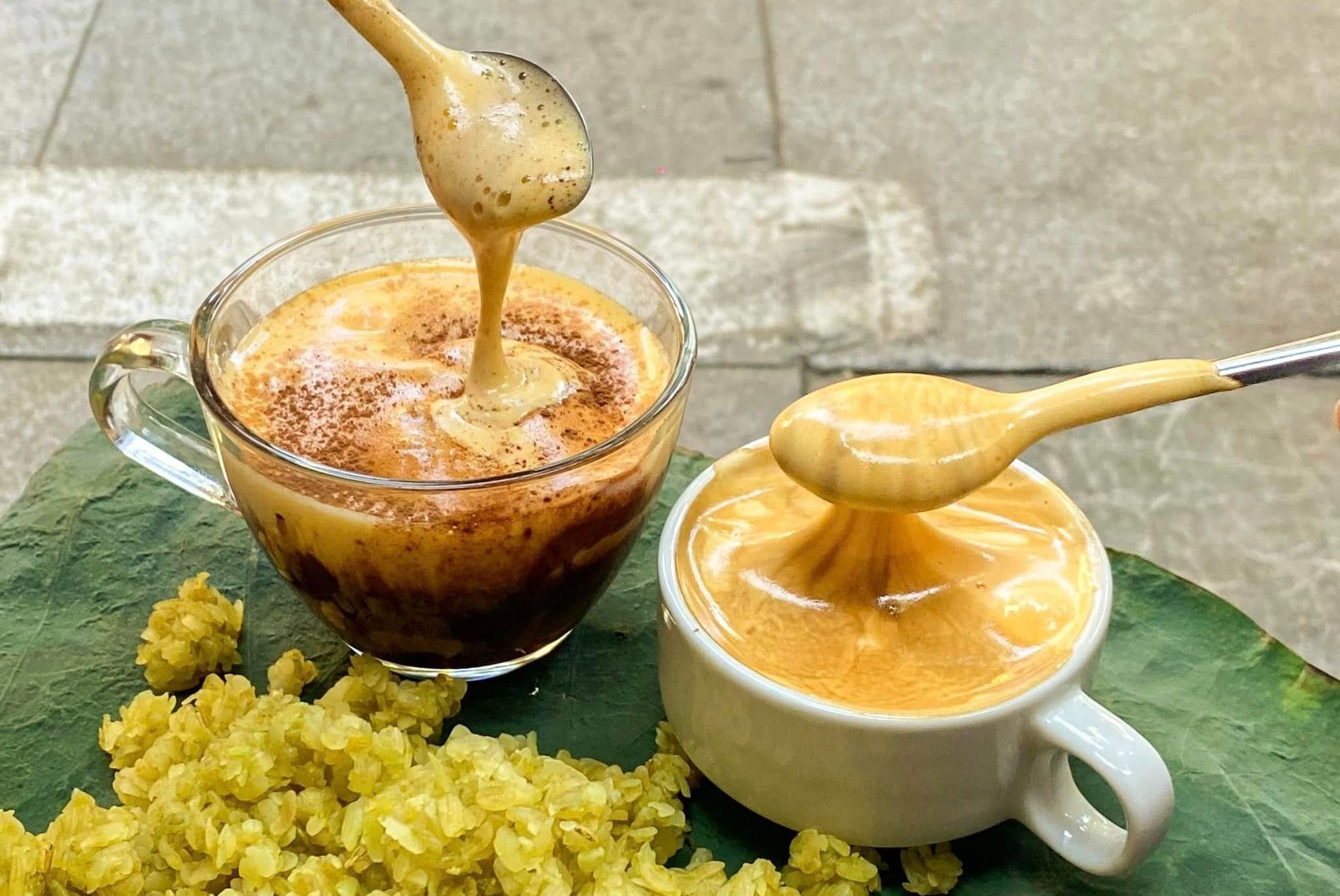
The creamy and indulgent layers of a traditional Egg Coffee, a signature treat of Hanoi’s café culture.
Looking for the full list? Check out our comprehensive guide: Top 18 Best Things to Do in Hanoi for First-Time Visitors to discover every hidden gem and must-visit landmark in the city.
Savory Traditions: What to Eat in Vietnam’s Capital
No visit to Vietnam’s Capital is complete without diving into its world-renowned street food scene. In Hanoi, street food is more than just a meal—it is a cultural experience where aromatic flavors and daily life come together in an authentic way. Here are the must-try dishes that capture the rich culinary heritage of the city
1. Pho – The Soul of Hanoi
Pho is the iconic noodle soup that every traveler must enjoy when visiting Vietnam’s Capital. This fragrant dish features a clear, slow-simmered broth, soft rice noodles, and tender slices of beef or chicken, all topped with fresh local herbs. While it is a staple breakfast for locals, you can find steaming bowls of Pho available throughout the day across the city.
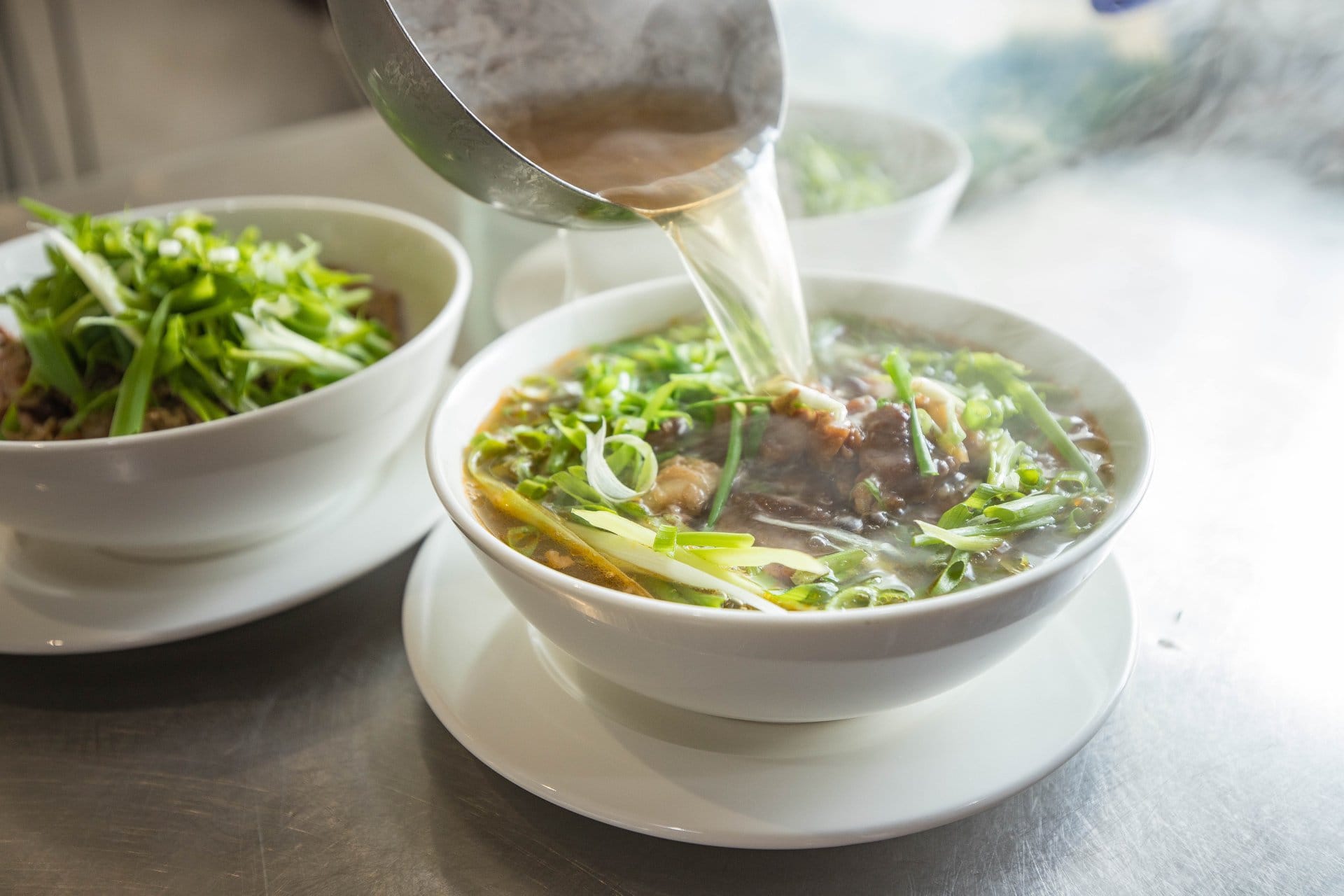
A steaming bowl of authentic Pho, prepared with a slow-simmered broth and fresh local herbs.
2. Bun Cha – Grilled Pork Perfection
As a quintessential Hanoi specialty, Bun Cha consists of succulent grilled pork served with rice noodles, a plate of fresh herbs, and a flavorful dipping sauce. The delicate balance of smoky, sweet, and tangy flavors makes it a favorite lunch option for first-time visitors seeking an authentic Hanoi tourist guide experience.
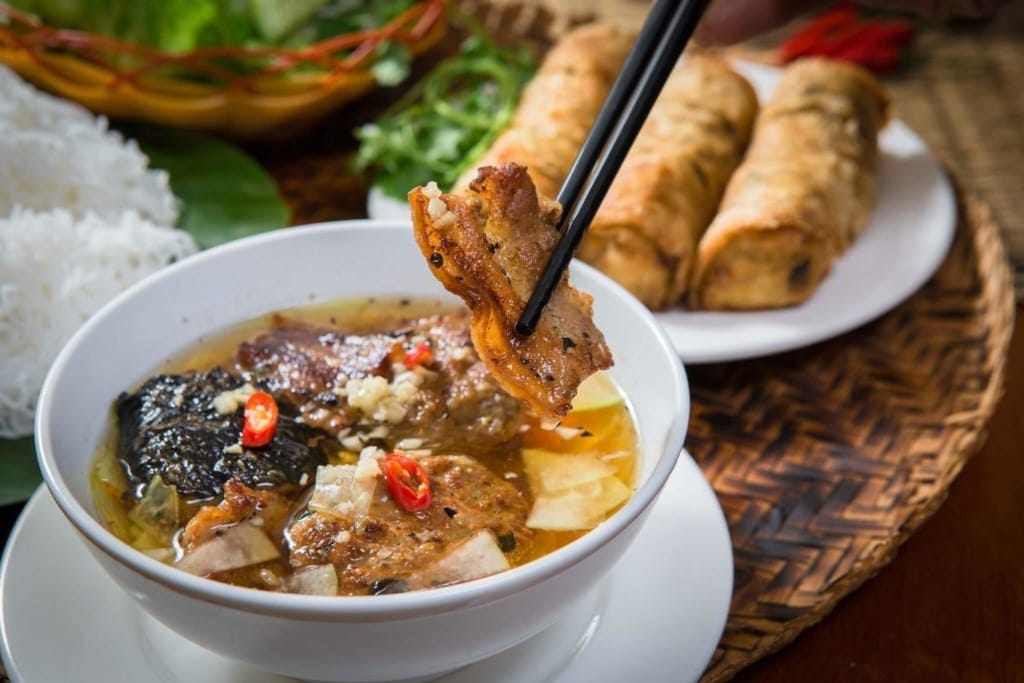
Exploring the diverse and world-class street food is a highlight of visiting Vietnam’s Capital.
3. Banh Mi – The Iconic Vietnamese Sandwich
The Banh Mi represents a perfect culinary fusion of French and Vietnamese influences. A crispy, airy baguette is filled with savory meats, pâté, pickled vegetables, and fresh cilantro. It is a quick, affordable, and deeply satisfying street food option found on almost every street corner of Vietnam’s Capital.
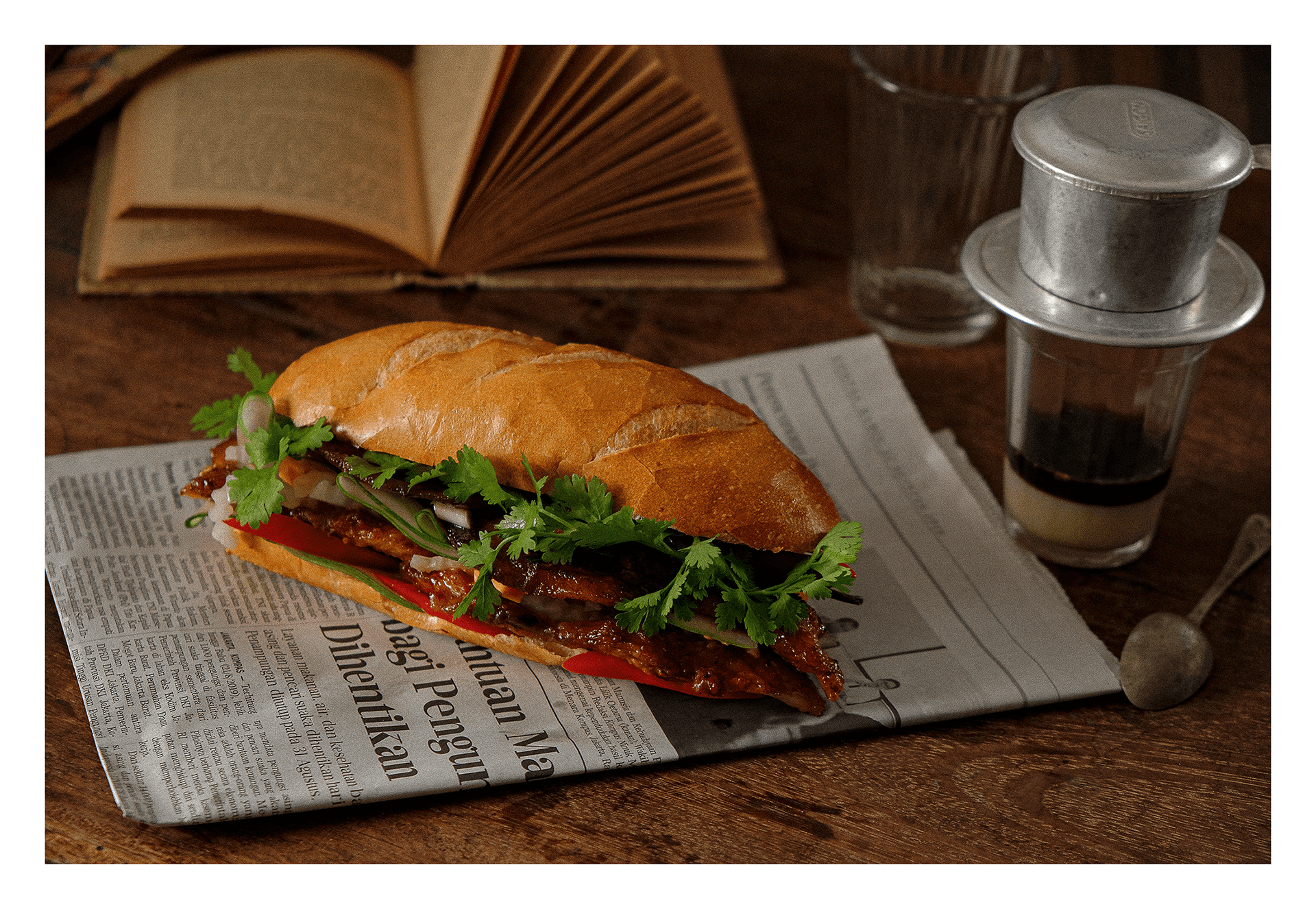
A crispy, flavor-packed Banh Mi, the perfect quick bite while exploring the attractions in Hanoi.
4. Cha Ca La Vong – La Vong Grilled Fish with Fresh Dill & herb
For a more interactive dining experience, Cha Ca is a unique Hanoi dish where marinated fish is pan-fried with vibrant turmeric and plenty of fresh dill right at your table. Served with vermicelli noodles, crunchy peanuts, and shrimp paste, it reflects the sophisticated palate of Northern Vietnamese cuisine.
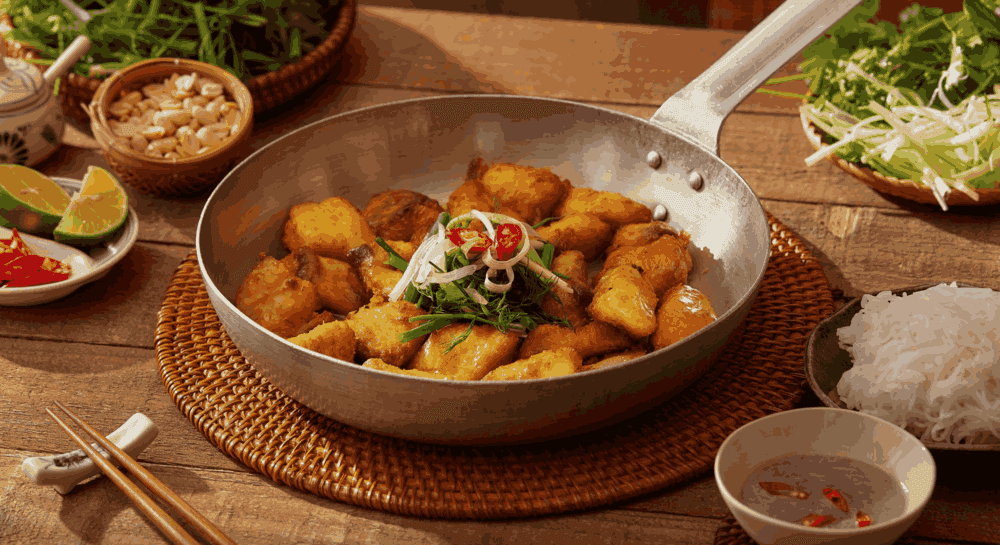
Enjoying the interactive and aromatic experience of cooking Cha Ca at a local Hanoi eatery.
5. Bun Thang – Hanoi’s Delicate Noodle Soup
Bun Thang is a refined dish known for its light, clear broth and intricate toppings, including shredded chicken, thinly sliced egg, and aromatic herbs. Often served during special occasions, it reflects the elegance and sophisticated balance of northern Vietnamese cuisine. Including this in your hanoi travel guide is essential for those who appreciate subtle and layered flavors.
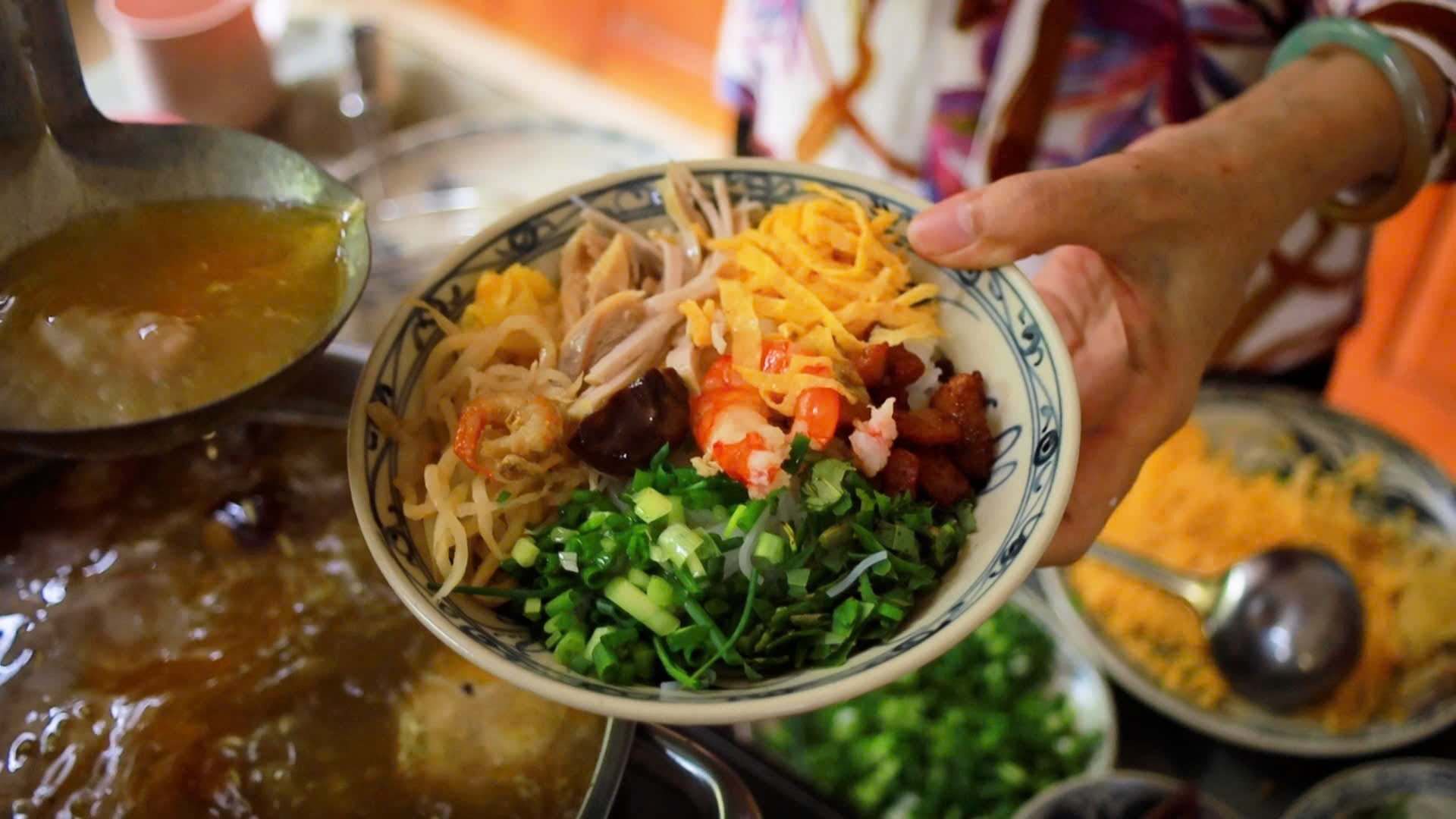
Admiring the colorful and meticulous presentation of a traditional bowl of Bun Thang.
6. Egg Coffee (Ca Phe Trung) – A Liquid Dessert
One of the most unique beverages you can try in Vietnam’s Capital is Egg Coffee. This signature drink combines strong Vietnamese coffee with a creamy, airy mixture of egg yolk and condensed milk, resulting in a rich, dessert-like treat. For a truly historic sip, visit Cafe Giang, where this recipe was first created in the 1940s.
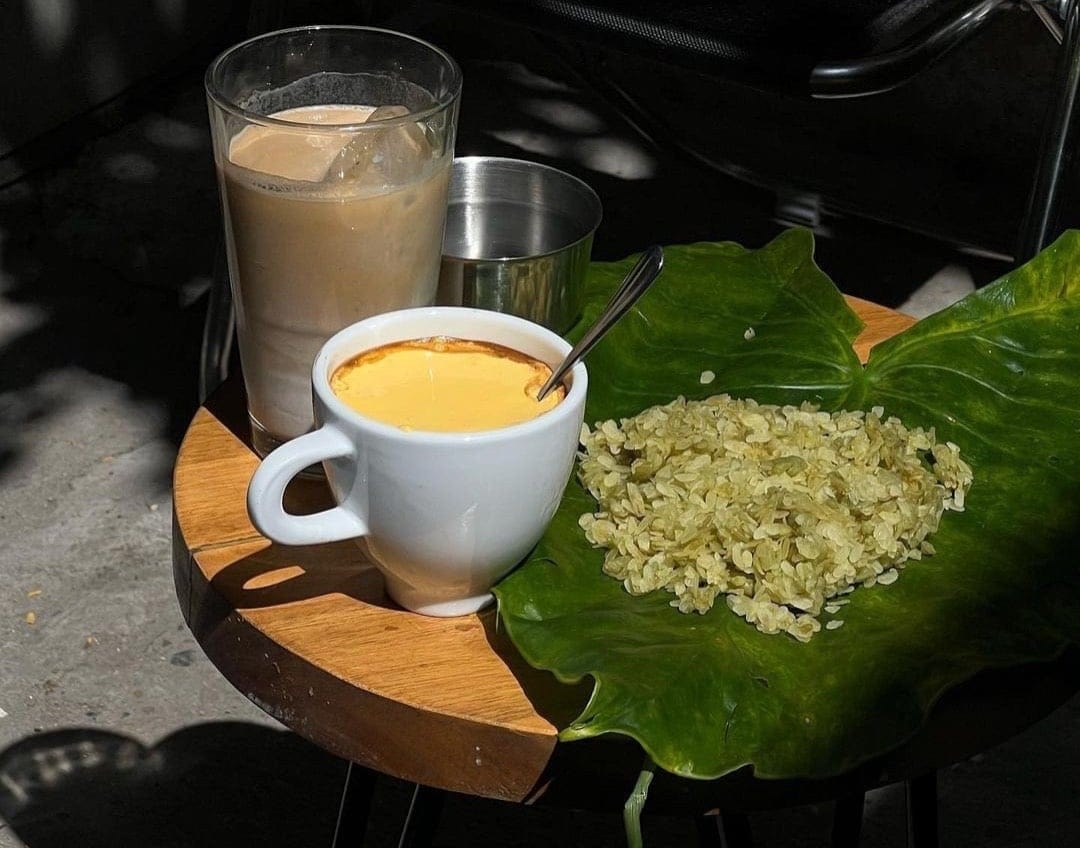
For a truly historic sip, visit Cafe Giang, where this recipe was first created in the 1940s.
Take a Deeper Culinary Journey: don’t miss our Authentic Guide to Traditional Vietnamese Foods from North, Central, and South Vietnam. It is the perfect companion for food lovers who want to master the map of Vietnamese flavors.
Suggested 2-Day Hanoi Itinerary for First-Time Visitors
Day 1: Culture, History, and Street Life
Start your first day in Hanoi with a visit to Hoan Kiem Lake, where locals gather for morning exercise and the atmosphere feels calm and authentic. Continue to Ngoc Son Temple before heading into the Old Quarter to explore its narrow streets, traditional shops, and vibrant street life.
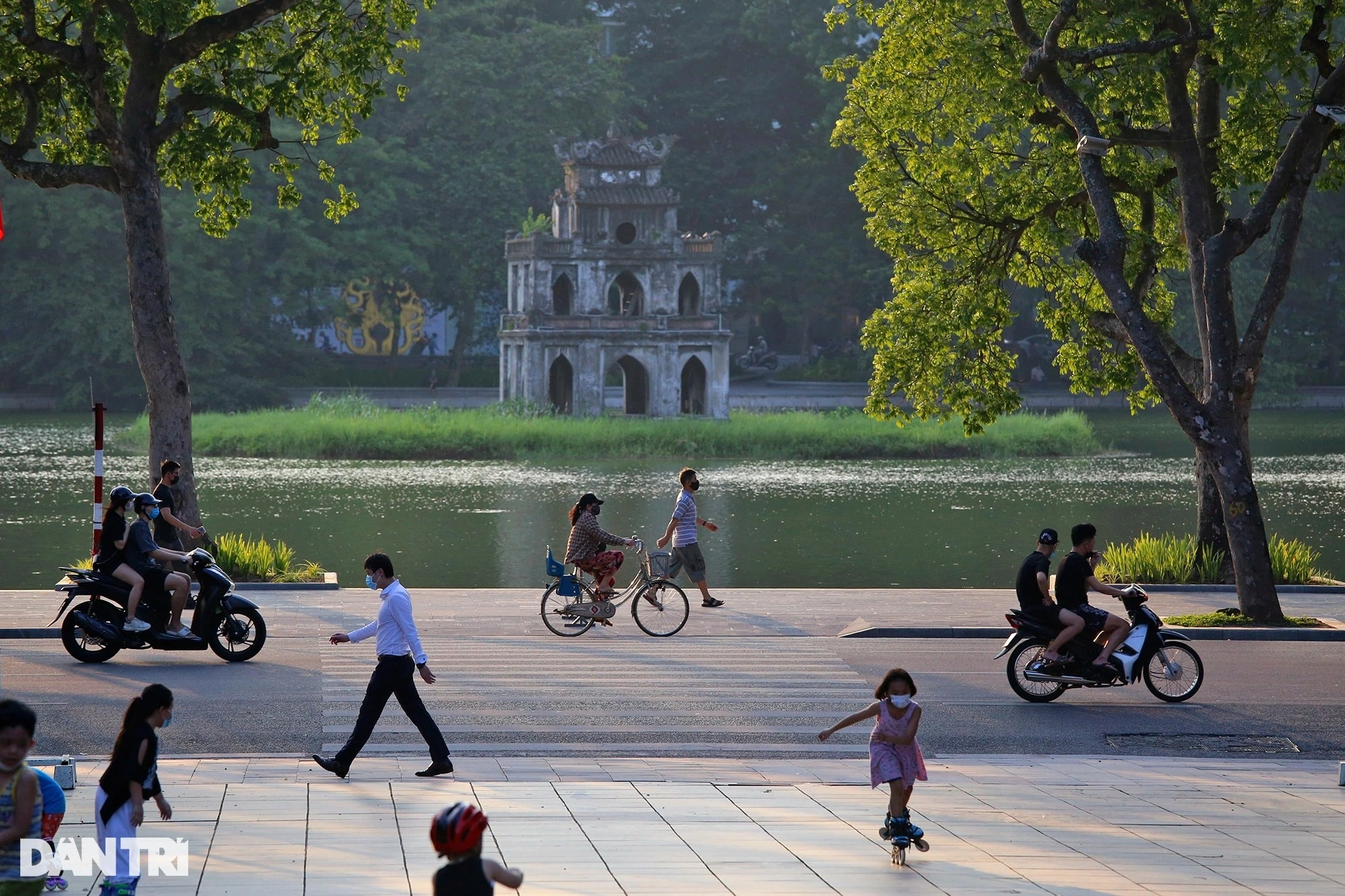
Equipping yourself with essential Vietnam travel tips to ensure a smooth and authentic experience in Vietnam’s Capital.
In the afternoon, visit key cultural landmarks such as Temple of Literature, Vietnam’s first university, and the Ho Chi Minh Mausoleum complex to learn more about the country’s history. These sites provide a deeper understanding of Hanoi’s heritage and national identity.
As evening approaches, dive into Hanoi’s food scene with a street food experience, trying local favorites like Pho or Bun Cha. End the day with a traditional performance of Vietnamese water puppetry, a unique cultural show that offers insight into rural life and folklore.
Day 2: Local Lifestyle and Relaxation
Begin your second day with a slower pace by heading to West Lake, where you can enjoy a peaceful walk, lakeside cafés, and a different side of the city away from the busy center. This area is ideal for relaxing and experiencing Hanoi’s more modern and residential atmosphere.
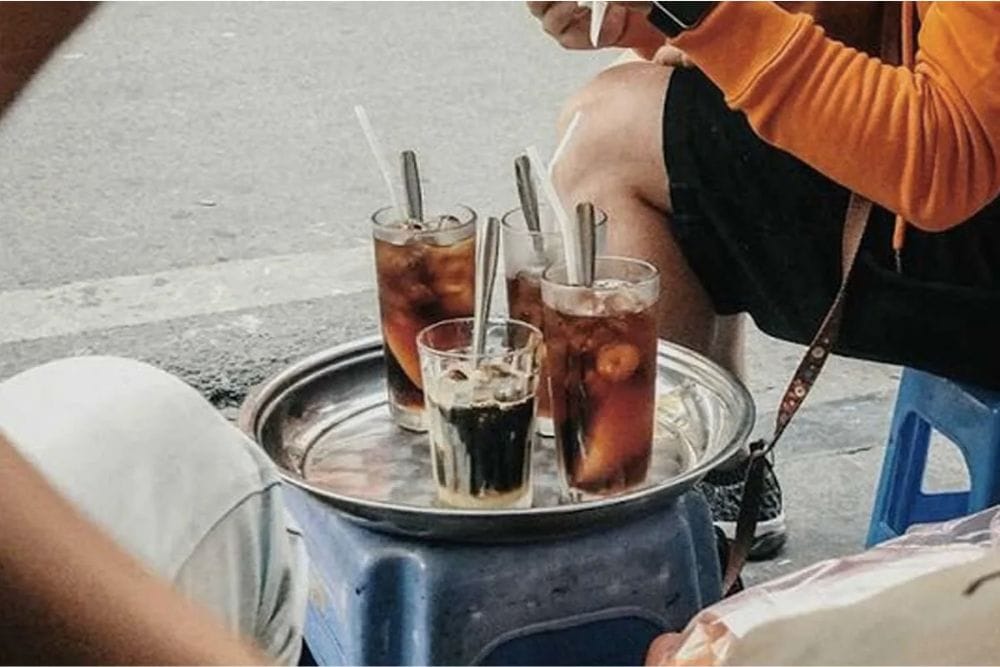
Finding a hidden balcony or Pavements to enjoy a creamy Egg Coffee while overlooking the bustling Old Quarter.
Afterward, spend time exploring Hanoi’s café culture, including trying the famous Egg Coffee in a hidden café. You can also visit museums or browse local boutiques for souvenirs, depending on your interests.
If you prefer a more adventurous option, consider a day trip to Ha Long Bay or Ninh Binh. Both destinations offer stunning natural landscapes and are accessible from Hanoi, making them excellent extensions to your itinerary.
For a seamless journey beyond the city, check out our detailed guide “Hanoi to Ninh Binh: The Ultimate A-Z Guide for First-Time Travelers” to plan your trip from Hanoi to Ninh Binh with ease.
Ready to Experience Jiva?
Immerse yourself in a stay where northern Vietnamese architecture meets world-class comfort. At Jiva Hoalu Retreat, each accommodation blends locally inspired décor with modern luxuries, offering a unique fusion of culture, tradition, and elegance. Whether you’re here for a romantic getaway, a family escape, or a tranquil retreat, Jiva promises unforgettable moments in the heart of Ninh Binh.
Contact Us:
📞 +84 933 006 886
📧 inquiry@jivahoaluretreat.com
🌐 https://jivahoaluretreat.com/