EN
- VN
- FR
Autumn is one of the most rewarding seasons for exploring Vietnam, especially if you want to combine comfortable weather with changing landscapes, local festivals and seasonal food. From Hanoi’s tree-lined streets and northern mountain rice terraces to Ninh Binh’s limestone scenery and Ha Giang’s buckwheat flowers, Vietnam offers very different autumn experiences depending on where you travel.
Vietnam does not have one uniform autumn season. The clearest autumn atmosphere is found in the north, particularly from September to November, when temperatures become more comfortable and humidity generally decreases. Hanoi, Ninh Binh and the northern mountains are among the most appealing destinations during this period.
September and October are especially interesting for the northern mountains, when rice terraces begin turning golden before harvest. By November, destinations such as Ha Giang become associated with buckwheat flowers and cooler mountain weather.
Central and southern Vietnam follow different weather patterns, so autumn should not be treated as a single nationwide season. If your priority is the classic Vietnamese autumn experience of cool air, golden rice fields and mountain landscapes, northern Vietnam is the region to focus on.
One of the biggest advantages of travelling in northern Vietnam during autumn is the weather. September to November generally brings more comfortable conditions for walking, cycling, hiking and exploring cities compared with the hot and humid summer months.
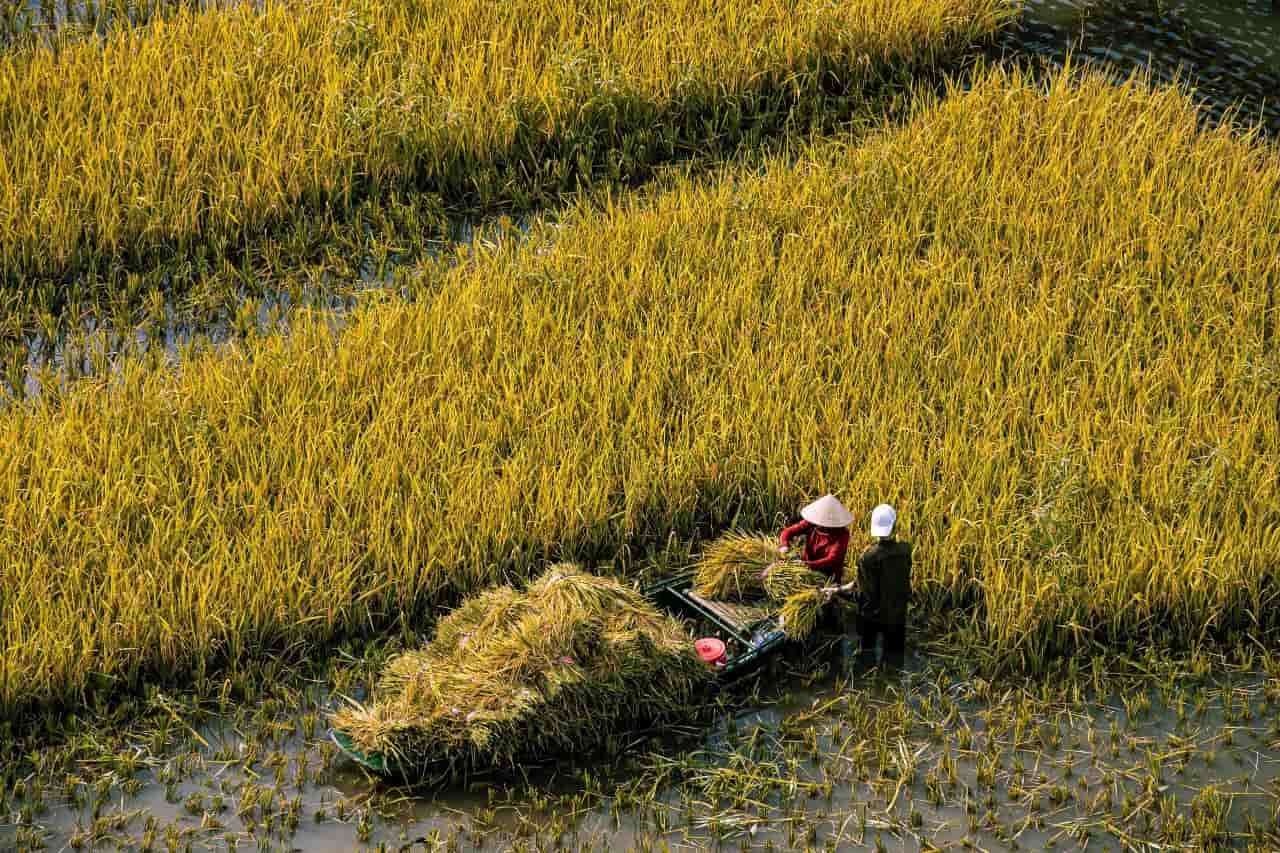
The scenery also changes with the agricultural calendar. In the mountains, rice terraces move from green to gold as harvest approaches. In Hanoi, autumn is associated with seasonal foods such as young green rice, while in the countryside, harvest becomes part of the landscape and everyday life.
For travelers interested in culture, autumn also offers opportunities to experience local communities at an important time of the agricultural year rather than simply visiting landscapes as sightseeing destinations.
Hanoi is perhaps the easiest place to experience the everyday side of Vietnamese autumn.
From September onward, the city becomes cooler and less humid, making it comfortable to explore on foot. Walk around Hoan Kiem Lake, the Old Quarter and the streets around West Lake, where large trees, old French buildings and small cafés create a very different atmosphere from the hot summer months. Vietnam Tourism describes September to November as a particularly pleasant period for exploring Hanoi.
Autumn is also a good season to explore Hanoi through food. Look for cốm, young green rice associated strongly with the season, as well as seasonal fruits, traditional desserts and bowls of hot bún ốc.
Instead of trying to cover every attraction in one day, leave time to sit at a pavement café, walk through the Old Quarter or take a slow ride around the city’s older neighbourhoods.
If you want autumn scenery without committing to a demanding mountain trip, Ninh Binh is an easy addition to a northern Vietnam itinerary.
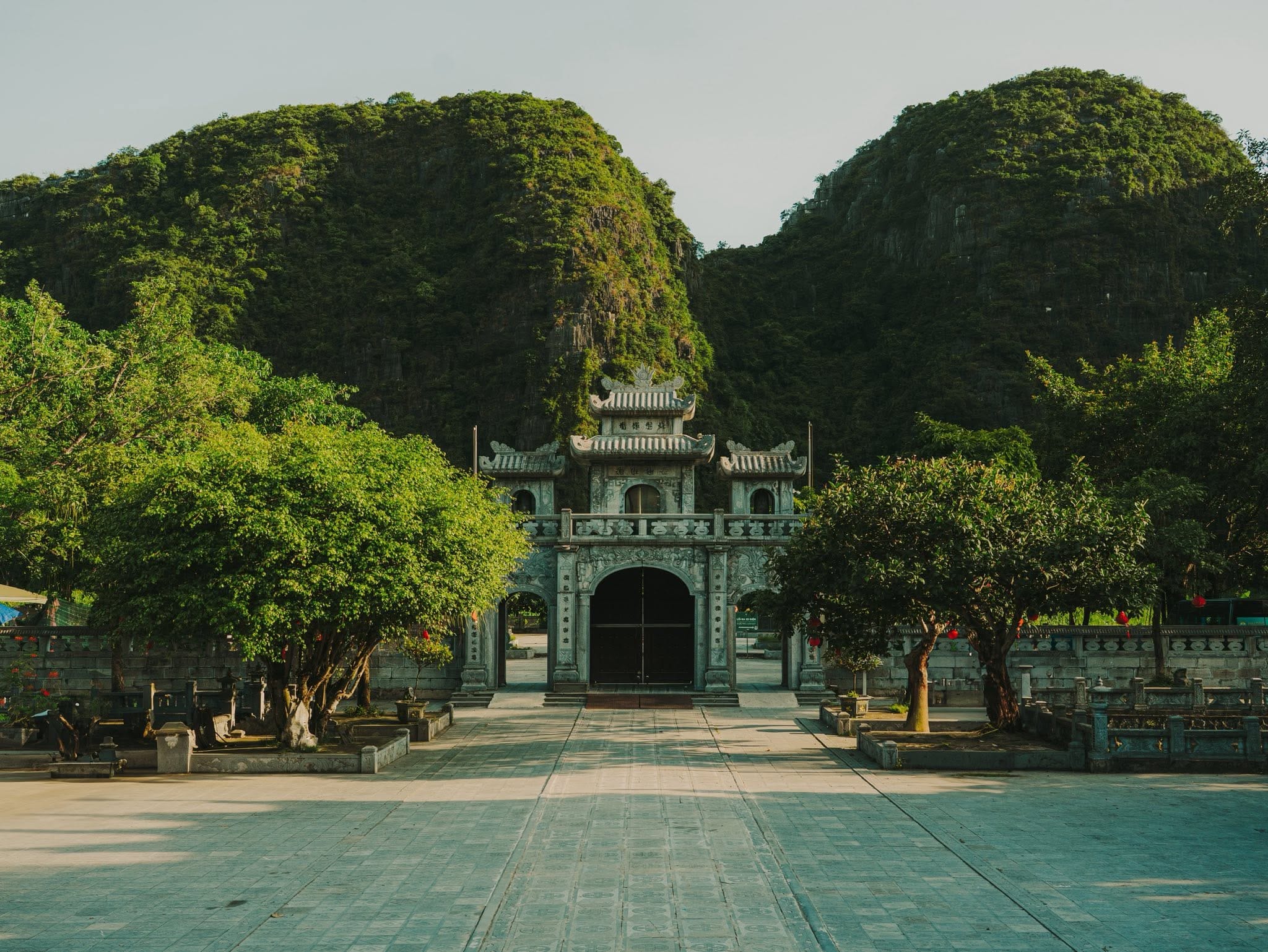
The combination of limestone mountains, rivers, temples and countryside makes the destination particularly enjoyable when the weather is comfortable enough for spending long hours outdoors. A boat trip through Trang An or Tam Coc is an obvious starting point, but autumn is also a good season for cycling around the villages and exploring Hoa Lu.
For travelers staying more than one night, consider balancing sightseeing with time at a countryside retreat. A slower morning cycling through the villages followed by an afternoon of wellness can be more enjoyable than filling every hour with attractions.
For travelers looking for the classic mountain autumn landscape, Sa Pa is one of the best-known destinations in northern Vietnam.
The surrounding Muong Hoa Valley is particularly attractive around the rice harvest, when terraces turn golden across the mountain slopes. Early October can be especially rewarding, although the exact harvest timing varies by location and year.
The best way to experience the landscape is not necessarily from a viewpoint. Trekking through villages such as Lao Chai and Ta Van allows you to see the terraces from ground level and experience the rural landscape more directly.
If you plan to hike, bring proper footwear and allow enough time for changing weather in the mountains.
Mu Cang Chai in Yen Bai is another destination to consider if your idea of autumn travel revolves around rice terraces.
The landscape is shaped by generations of farming, with terraces carved into steep mountain slopes. During the harvest period, sections of the landscape turn golden while other fields remain green, creating layers of color across the hills.
Early September to mid-October is generally considered the key period for seeing the rice harvest at its peak.
This destination suits travelers who are comfortable with a more remote journey and want to focus on photography, hiking and mountain scenery rather than conventional sightseeing.
By October and November, Ha Giang offers a different interpretation of autumn.
The region is known for dramatic limestone mountains, deep valleys and winding mountain passes. In November, buckwheat flowers become one of the defining seasonal sights, while local markets provide opportunities to see the daily life and trading traditions of communities across the region.
The Ha Giang Loop is one of the most popular ways to explore the area, but it should not be treated as simply a motorbike route. The real experience comes from stopping along the way, visiting villages, exploring local markets and taking time to appreciate the mountain landscape.
If you are not an experienced rider, consider travelling with a local guide or organised tour rather than navigating the mountain roads independently.
For travelers who want autumn scenery but prefer a slower pace, Pu Luong is an excellent alternative to the more demanding northern mountain routes.
In October, rice terraces around the valley begin to turn golden, while traditional stilt houses provide a different type of accommodation experience. Hiking through villages, visiting waterfalls and joining a traditional textile workshop are among the ways to experience the area beyond simply taking photographs.
Pu Luong works particularly well for a two- or three-night stay. There is no need to build a packed itinerary; the landscape itself becomes part of the experience.
If you travel through northern Vietnam between September and October, make time to walk through a rice-growing area rather than only stopping at viewpoints.
In places such as Sa Pa, Mu Cang Chai and Pu Luong, the harvest is not simply a seasonal photo opportunity. It is part of the agricultural cycle that shapes local life and communities. A guided village walk can help you understand how rice is grown, harvested and used by local families.
Cycling is particularly enjoyable in autumn because the weather is more suitable for spending several hours outdoors.
Ninh Binh and the countryside around Pu Luong are good places for this type of experience. Rather than following a strict sightseeing route, cycle through villages, stop at local cafés and observe everyday life along the way.
Autumn is also a season worth exploring through Vietnamese food.
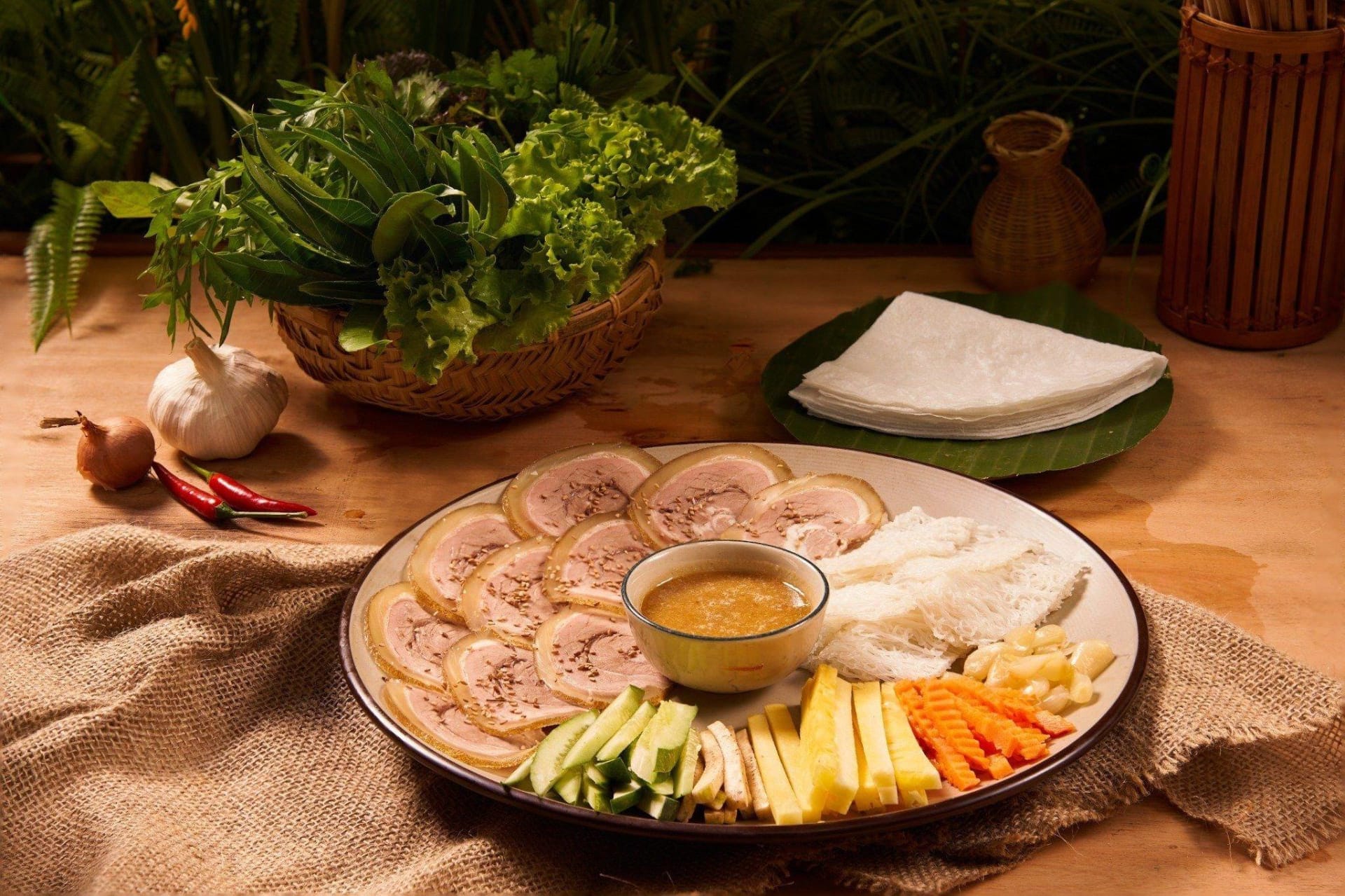
In Hanoi, look for cốm and seasonal fruits. In northern mountain areas, local markets offer regional dishes and ingredients that are less common in major cities. In Ninh Binh, try mountain goat and crispy rice alongside other Northern Vietnamese specialities.
Food is an easy way to make an autumn itinerary more local because the dishes you encounter often change according to geography and season.
Autumn is a good time to slow down between active travel days. Instead of moving hotels every night, consider staying two or three nights in one countryside property.
A nature retreat in Ninh Binh or a mountain lodge in Pu Luong can give you time for cycling, spa treatments, local cooking activities or simply enjoying the landscape without another attraction on the schedule.
Autumn is also a season of festivals across Vietnam, particularly around September and October, when the Mid-Autumn Festival takes place according to the lunar calendar. This is one of the most widely celebrated traditional festivals in Vietnam, with lanterns, mooncakes, lion dances and family gatherings forming an important part of the celebration.
Hanoi is an interesting place to experience Mid-Autumn traditions, especially around the Old Quarter. Streets such as Hang Ma become lively with colourful lanterns, traditional toys and seasonal decorations in the weeks leading up to the festival. For travelers, it is a chance to see a more festive side of the capital and discover traditions that remain part of everyday Vietnamese culture.
Outside the major cities, autumn festivals can offer a different experience. In northern mountain communities, local celebrations may include traditional music, dancing, markets and agricultural activities. The exact events vary by destination and lunar calendar, so it is worth checking the local schedule before planning your trip around a specific festival.
If you are travelling to Ninh Binh in autumn, the experience is less about one major autumn festival and more about exploring the region’s cultural sites, local villages and seasonal food. You can combine visits to Hoa Lu and traditional temples with cycling through the countryside or joining a local cooking and cultural experience.
Vietnam is long and geographically diverse, so trying to cover the entire country in one autumn trip can mean spending more time on the road than experiencing the destinations themselves. For a first trip, focus on Northern Vietnam, where September to November offers some of the clearest autumn experiences, from Hanoi’s cooler streets to golden rice terraces and mountain landscapes.
For a first Vietnam autumn travel experience, combining Hanoi and Ninh Binh is one of the more manageable routes.
Spend the first two or three days in Hanoi. Use one day to explore the Old Quarter, Hoan Kiem Lake and the city’s historic neighbourhoods, then leave another day for a slower food and culture-focused experience. If your trip overlaps with Mid-Autumn Festival, allow extra time to explore the Old Quarter in the evening, when the streets around Hang Ma and nearby areas become particularly lively.
From Hanoi, continue south to Ninh Binh. The journey is relatively straightforward, making it possible to spend two or three nights surrounded by limestone mountains and countryside.
Use your time here for a boat trip through Trang An or Tam Coc, a visit to Hoa Lu and cycling through the surrounding villages. Rather than trying to see every attraction, leave an afternoon free for a slower experience at your accommodation.
This route is particularly suitable if you want to experience Vietnamese city life, heritage and countryside without spending several days travelling through remote mountain areas.
With a week or more, you can add Pu Luong for a stronger countryside and mountain component.
Begin in Hanoi, then spend two or three nights in Ninh Binh before continuing to Pu Luong. The journey takes longer than travelling between Hanoi and Ninh Binh, but the change in landscape makes it worthwhile for travelers interested in rice terraces, hiking and village life.
In Pu Luong, avoid packing the itinerary with too many activities. A half-day trek through the rice terraces and villages can be enough to experience the landscape, while another morning can be spent walking around the valley or visiting a local community.
October is particularly interesting in the rice-growing areas, when parts of the terraces begin turning golden around harvest time. The exact timing varies each year, so treat the harvest period as a seasonal guide rather than a fixed date.
This route works well for travelers who want a combination of cultural exploration, countryside scenery and slow travel rather than a conventional city-to-city itinerary.
If you have 10 to 14 days, you can travel further into northern Vietnam and combine Hanoi and Ninh Binh with destinations such as Sa Pa, Mu Cang Chai and Ha Giang.
One possible route is to begin in Hanoi, travel south to Ninh Binh, then return north towards the mountain regions. From there, you can continue to Sa Pa or Mu Cang Chai for the rice terraces before heading towards Ha Giang.
The appeal of this longer route is the variety of landscapes. You move from Hanoi’s historic streets to Ninh Binh’s limestone karsts, then into high mountain valleys, rice terraces and winding passes.
If you travel in September or October, consider prioritising Mu Cang Chai or Sa Pa for the rice harvest. By October and November, Ha Giang becomes particularly interesting for its mountain scenery and seasonal buckwheat flowers.
A longer northern route also allows more time for village visits and local markets. Rather than simply stopping at viewpoints, consider spending at least one night in a local homestay or joining a guided village walk to learn more about the communities living in the mountains.
This itinerary requires more planning than a Hanoi–Ninh Binh trip. Mountain roads can be winding, weather can change quickly and travel times are often longer than they appear on a map. Build some flexibility into the schedule rather than booking activities back-to-back.
If you want a northern Vietnam itinerary but do not want to spend long hours on mountain roads, consider combining Hanoi, Ninh Binh and Ha Long Bay instead.
Spend two to three days in Hanoi, followed by two nights in Ninh Binh and two nights around Ha Long Bay or Lan Ha Bay. This gives you a mix of city culture, limestone landscapes and an overnight experience on the water.
The route is particularly suitable for first-time visitors who want to see several of Vietnam’s iconic landscapes while keeping transportation relatively straightforward.
The trade-off is that you will see less of rural mountain life than you would on a Ha Giang or Mu Cang Chai route. If your priority is local communities, trekking and rice terraces, choose the northern mountain itinerary instead.
There is no single best month for every destination.
September is a good choice for Hanoi and the beginning of the autumn season in northern Vietnam, while mountain areas start entering the rice harvest period.
October is particularly attractive for rice terraces and countryside retreats. Sa Pa, Mu Cang Chai and Pu Luong are among the destinations to consider, while Hanoi and Ninh Binh remain comfortable for outdoor exploration.
November is a good time to look further north toward Ha Giang, particularly if you want to see buckwheat flowers and experience cooler mountain weather.
Rather than asking when autumn is “best” across Vietnam, choose your month based on the landscape and experience you want.
What you pack depends heavily on where you are going.
For Hanoi and Ninh Binh, comfortable walking shoes, light layers and a rain jacket are usually sufficient. If you are heading into the northern mountains, temperatures can be considerably cooler, particularly in the evenings, so bring warmer layers.
For trekking destinations such as Sa Pa, Mu Cang Chai and Ha Giang, sturdy shoes are essential. A small backpack, sunscreen, insect repellent and a reusable water bottle are also useful.
If your trip combines cities, countryside and mountains, packing layers is more practical than bringing one heavy jacket.
Immerse yourself in a stay where northern Vietnamese architecture meets world-class comfort. At Jiva Hoalu Retreat, each accommodation blends locally inspired décor with modern luxuries, offering a unique fusion of culture, tradition, and elegance. Whether you’re here for a romantic getaway, a family escape, or a tranquil retreat, Jiva promises unforgettable moments in the heart of Ninh Binh.
Contact Us:
📞 +84 933 006 886
📧 inquiry@jivahoaluretreat.com
🌐 https://jivahoaluretreat.com/
Thank you for your reservation.
You will receive a confirmation from us momentarily
Thank you for reaching out. Your request has been received. Our team will respond within 24 hours.