


05 November, 2026
Discovering the Timeless Charm of Vietnam’s Capital
What makes Vietnam’s Capital one of the most captivating cities in Southeast Asia? The answer lies in its rare ability to balance a 1,000-year legacy with a vibrant, modern energy. Recently crowned the #1 Food Destination in the world by TripAdvisor, Hanoi is far more than just a political hub—it is the soulful heartbeat of a nation. For international travelers and couples seeking a blend of poetic history and sensory adventure, this city offers an experience that is both grand and intimately personal.
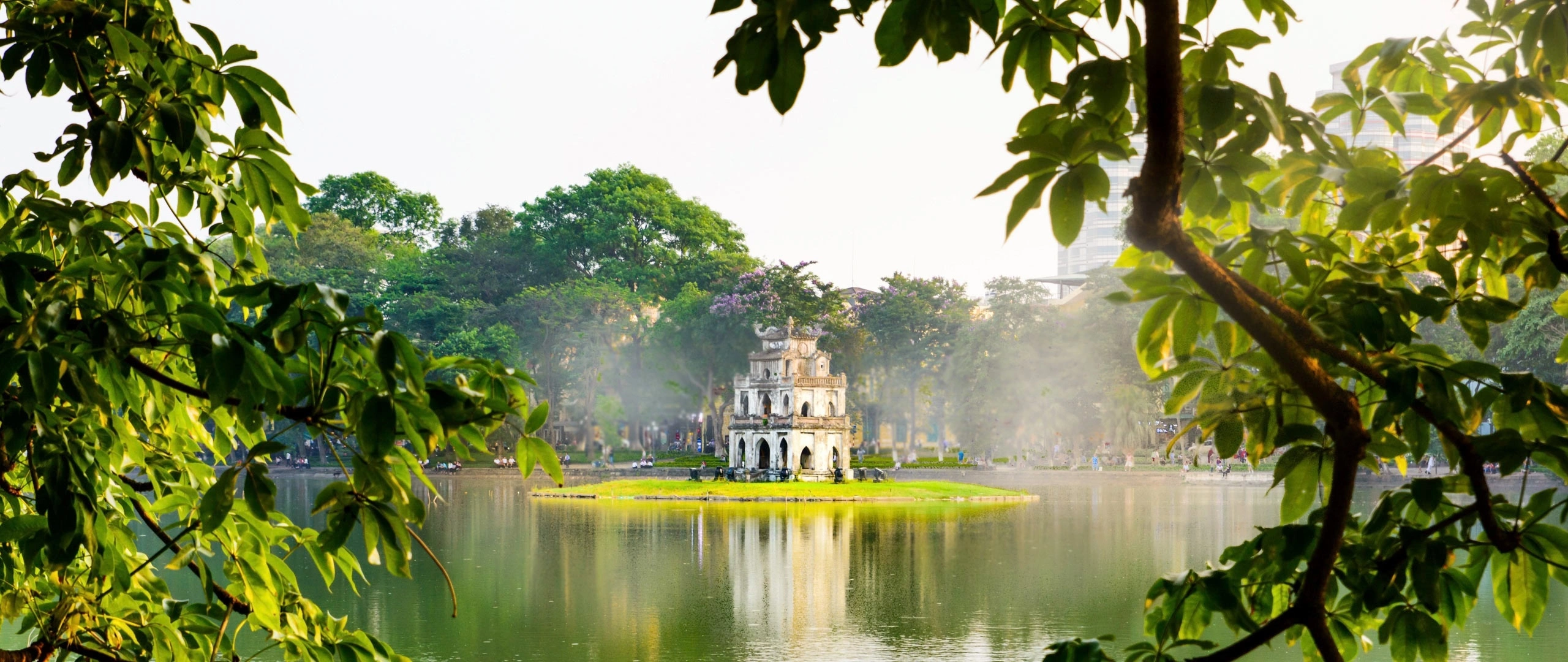
A romantic sunset over Hoan Kiem Lake, reflecting the serene and soulful heartbeat of Vietnam’s Capital.
In this comprehensive 2026 guide, we delve deep into the essence of Vietnam’s Capital. We will navigate the labyrinthine charm of the Old Quarter, uncover UNESCO World Heritage sites, and map out the hidden culinary treasures that define the Hanoian lifestyle. Whether you are walking through mist-covered lakes or exploring ancient citadels, prepare to be enchanted by the timeless capital of Vietnam.
1. Hanoi’s 1,000-Year Legacy: Is Hanoi the Capital of Vietnam?
Yes, Hanoi is the official capital of the Socialist Republic of Vietnam. It has served as the nation’s primary political center for most of its history, dating back to 1010 AD. Today, it stands as a unique metropolis where ancient dynastic heritage seamlessly blends with modern administrative power.
From Thang Long to Hanoi: The Evolution of a City
The story of Vietnam’s capital began in the year 1010, when Emperor Ly Thai To moved the capital from the mountainous Hoa Lu to the fertile Red River Delta. He named it Thang Long (Soaring Dragon), envisioning a prosperous future for the kingdom.
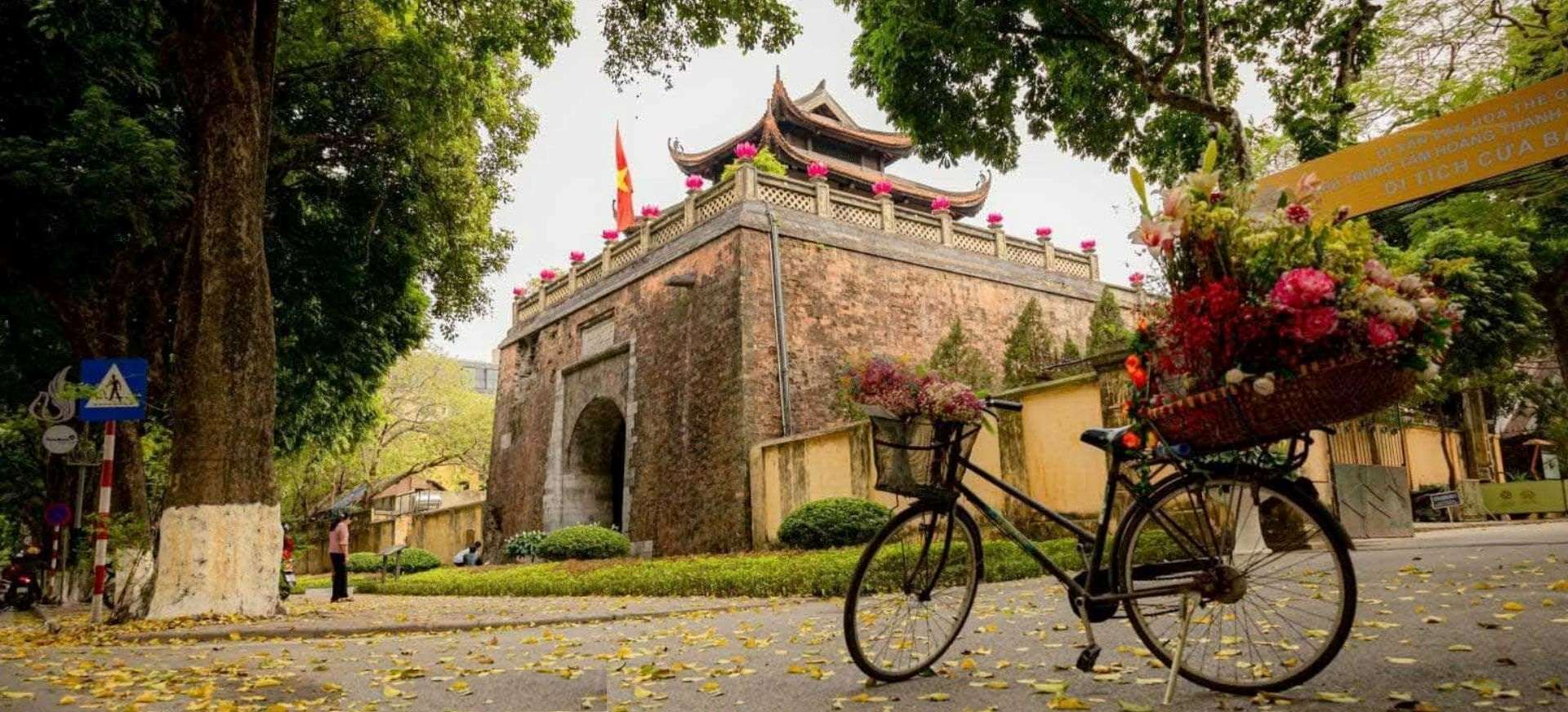
The Imperial Citadel of Thang Long – A UNESCO World Heritage site representing Hanoi’s 1,000-year evolution
Over the next millennium, the city underwent numerous transformations:
- Imperial Eras: Under the Ly, Tran, and Le dynasties, Thang Long flourished as a hub of trade and Buddhism.
- The French Colonial Period: In 1883, the French made Hanoi the capital of the French Indochina Union, introducing the iconic “French Quarter” architecture we see today.
- Modern Era: In 1945, President Ho Chi Minh declared independence in Hanoi, and following the reunification in 1976, it was officially designated as the capital of the entire country.
Why Hanoi Remains the Political and Cultural Heart of Vietnam
To answer the question simply: Yes, Hanoi is the official capital of the Socialist Republic of Vietnam. However, calling it just a “capital” is like calling the Grand Canyon just a “hole in the ground”—it technically fits, but it misses the soul of the story.
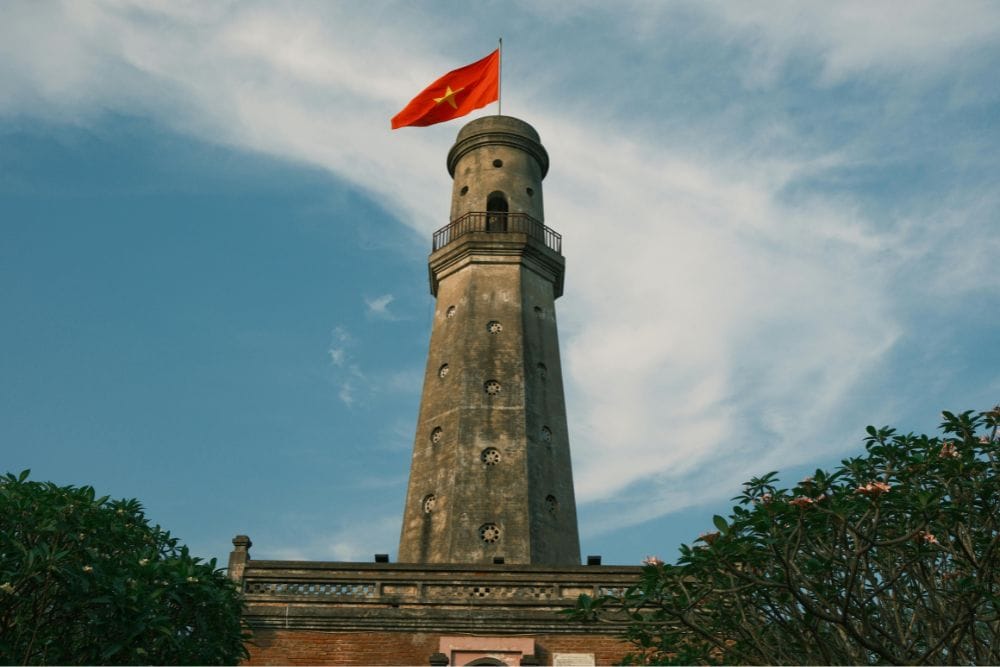
Discovering the poetic charm and historical depth that define the unique identity of Hanoi.
Hanoi’s status isn’t just a political designation; it is a 1,000-year-old legacy that has survived dynasties, colonial rule, and the scars of war. In 1010, Emperor Ly Thai To moved the capital to this site, then known as Thang Long (Rising Dragon), after seeing a golden dragon soar above the Red River. Since that moment, Hanoi has served as the beating heart of Vietnamese identity.
Why Hanoi Remains the Heart of the Nation
While Ho Chi Minh City may lead the country in economic output and modern skyscrapers, Hanoi holds the keys to the nation’s “cultural safe.” Here is why its capital status is so deeply rooted:
The Seat of Power: Hanoi is the administrative hub where the National Assembly, the Presidential Palace, and all foreign embassies are located. If a major national decision is being made, it’s happening in the Ba Dinh District.
An aerial map view of Hanoi nestled in the Red River Delta, the strategic heart of Vietnam’s Capital.
A Living History Museum: Unlike many rapidly modernizing Asian cities, Hanoi has fought to preserve its layers. You can walk from the 11th-century Temple of Literature to the French Quarter’s colonial villas, and then into the narrow, chaotic pulse of the Old Quarter—all within a single afternoon.
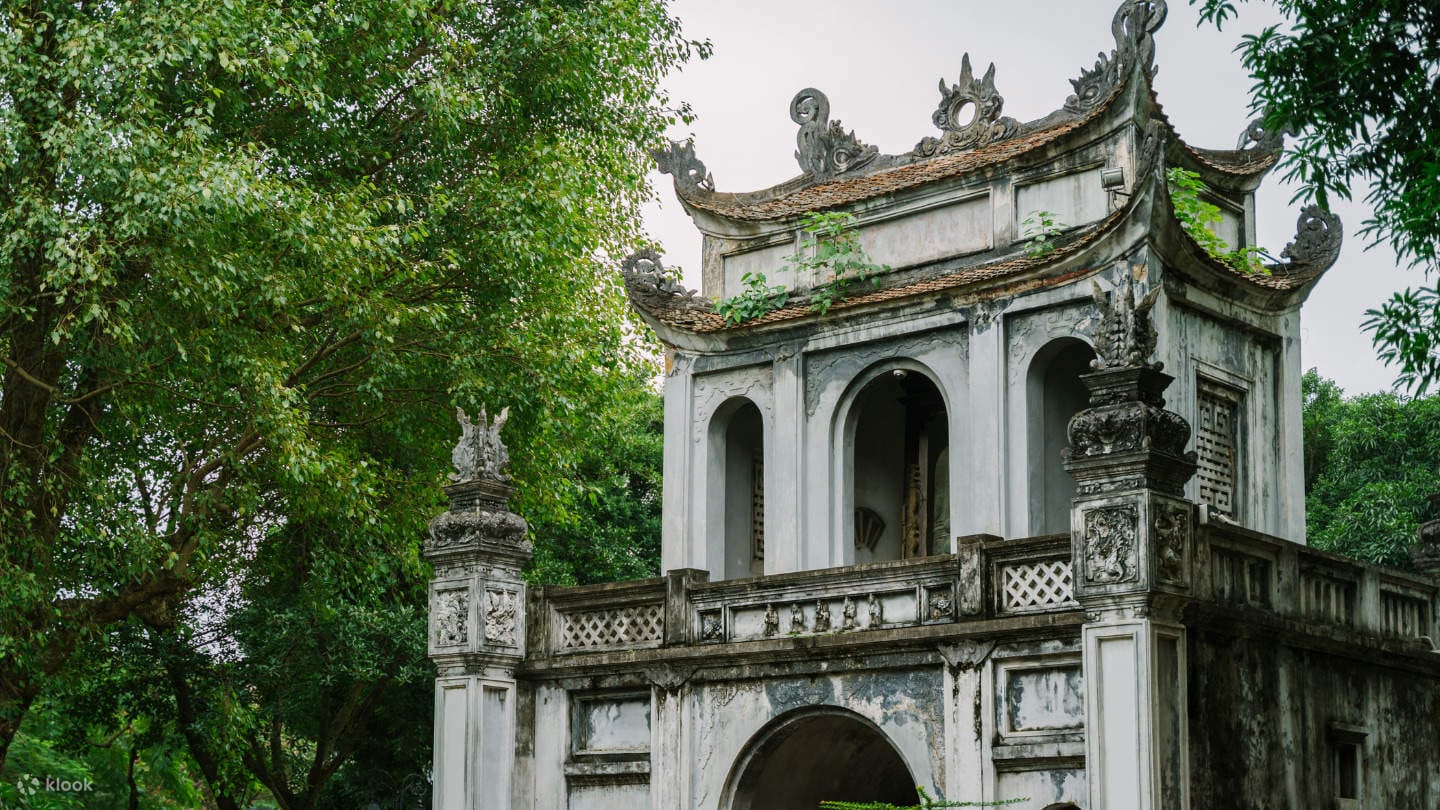
The Imperial Citadel of Thang Long, a UNESCO World Heritage site representing the grand evolution of Vietnam’s Capital.
The Spirit of Resilience: Hanoi has been renamed, occupied, and even stripped of its capital status briefly in favor of Hue during the Nguyen Dynasty. Yet, it always reclaimed its position, symbolizing the “eternal” nature of the Vietnamese spirit.
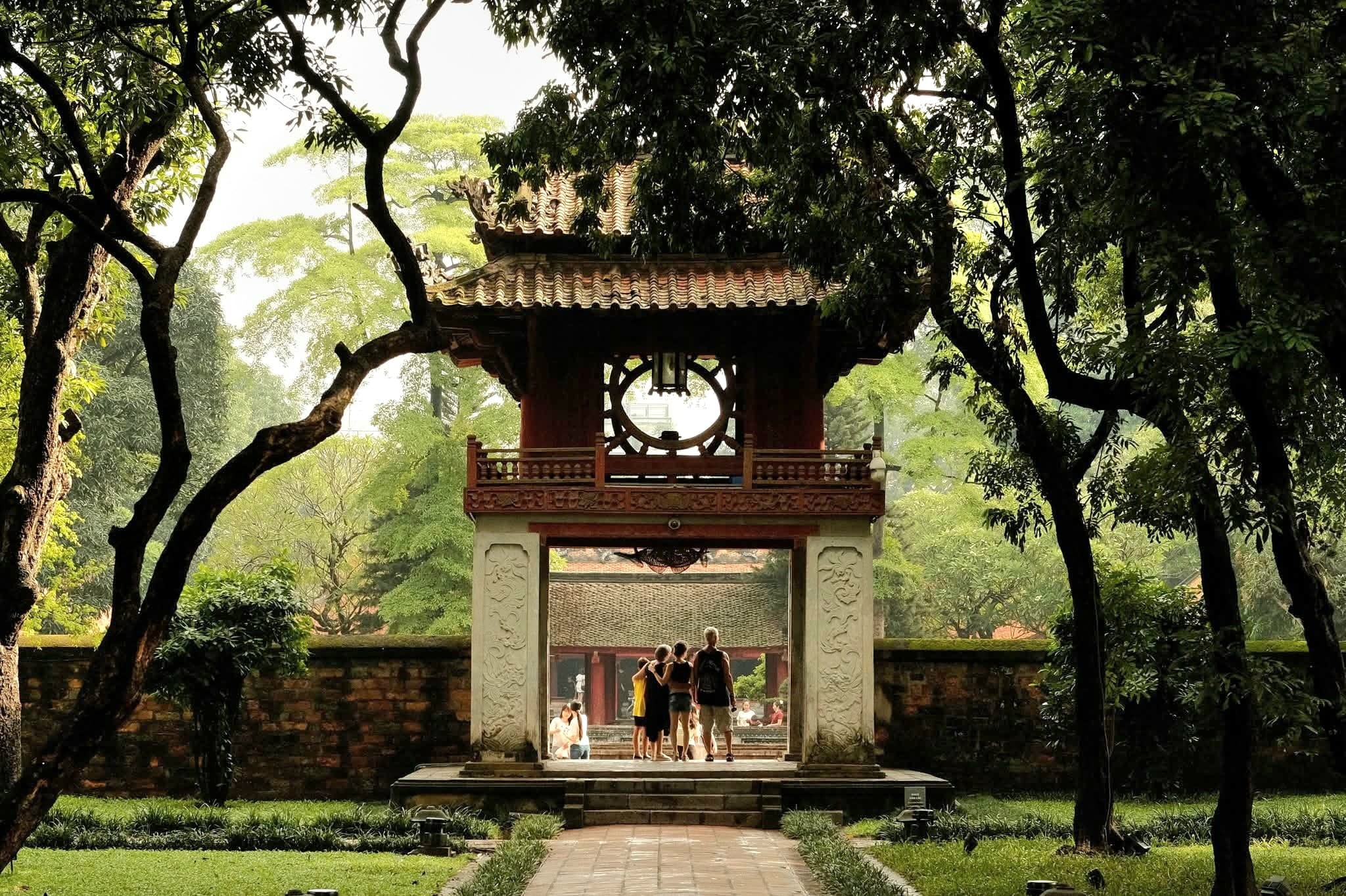
Exploring the layers of history preserved within the walls of Hanoi’s most significant political landmark.
Today, the city is a fascinating contradiction. It is a place where elderly residents practice Tai Chi by Hoan Kiem Lake at sunrise, while just blocks away, a tech-savvy generation sips specialty egg coffee in hidden cafes. Hanoi isn’t just where the government sits; it’s where the story of Vietnam—past, present, and future—is written.
2. Hanoi Travel Essentials: Geography and the Best Time to Visit
Planning a journey to Vietnam’s Capital requires an understanding of its unique seasonal pulse and its strategic position in the heart of the north. From the mist-covered rivers to the vibrant flower seasons, here is the essential geographical and climatic guide for your visit.
Where is Hanoi Located? (Northern Vietnam Geography)
Vietnam’s Capital is strategically situated in the heart of the Red River Delta, a region defined by its fertile plains and ancient waterways. The city’s name, “Ha Noi,” literally translates to “Inside the River,” reflecting its historic position cradled by the Red River to the east and the Day River to the west. This central northern location makes the capital the ultimate gateway for broader exploration; from here, the limestone karsts of Ninh Binh and the emerald waters of Halong Bay are only a short journey away. For international travelers, the city serves as a sophisticated hub where the natural geography of the north meets the administrative power of the nation.
Understanding Hanoi’s 4 Seasons: When Is the Best Time to Go?
Unlike the tropical south, Vietnam’s Capital experiences four distinct seasons, each offering a unique “mood” for discovery. The absolute best time to visit is during the Autumn (September to November), known as the “Golden Season.”
The air is crisp, the sky is clear, and the city is bathed in a soft, romantic light. Spring (February to April) offers a sense of renewal with mild temperatures and blooming flowers, though it can be humid.
Summer (May to August) is vibrant and lush but brings intense heat and tropical showers, while Winter (December to January) transforms the capital into a misty, atmospheric sanctuary, perfect for enjoying hot street food in the chilly air.
Summer in Hanoi with vibrant green landscapes – Best time to enjoy outdoor activities and street life in Northern Vietnam
- Spring (February – April): Mild and humid with occasional light drizzle. Temperatures range from 15°C to 25°C. This is the time of renewal and traditional Lunar New Year celebrations.
- Summer (May – August): Hot, humid, and rainy. Temperatures can soar above 35°C. Expect sudden tropical downpours in the afternoon, which provide a quick relief from the heat.
- Autumn (September – November): The “Golden Season.” This is widely considered the best time to visit Hanoi. The air is dry and cool (18°C – 28°C), the sky is clear, and the scent of “Milkwood pine” flowers fills the streets.
- Winter (December – January): Surprisingly cold and grey. Temperatures can drop below 10°C. It’s a unique time to enjoy hot street food and see locals wrapped in stylish winter coats.
Local Pro Tip: If you want the most “Instagrammable” weather with comfortable walking conditions, aim for October or November.
Top Festivals and Seasonal Highlights for Travelers
To experience the true soul of Vietnam’s Capital, consider aligning your visit with its vibrant seasonal highlights.
- Tet Nguyen Dan (Lunar New Year – Jan/Feb): The most important festival. The city becomes quiet as locals return home, but the streets are beautifully decorated with peach blossoms and kumquat trees.
Locals and tourists enjoying the festive atmosphere of Tet Nguyen Dan in Hanoi among vibrant red street stalls
- Mid-Autumn Festival (Tet Trung Thu – September/October): A paradise for families. The Old Quarter (especially Hang Ma Street) explodes with colorful lanterns, lion dances, and mooncakes.
Hàng Mã street decorated with thousands of colorful lanterns for Mid-Autumn Festival in Hanoi
- Hanoi Flower Seasons (March): White Ban flowers (Bauhinia) bloom, bringing a touch of the northwest mountains to the city.
- June: Lotus flowers bloom in West Lake, perfect for early morning photos.
- November: White daisies (Cuc Hoa Mi) take over the street vendors’ bicycles, signaling the start of winter.
Traditional flower bicycles on Hanoi streets – A poetic symbol of the capital’s changing seasons
3. Must-Visit Landmarks: Exploring the Soul of Vietnam’s Capital
Hanoi is not a city you simply visit – it is a place you feel. Its soul is woven through old streets, historic layers, colonial facades, and quiet spiritual corners.
Rather than listing landmarks one by one, the best way to understand Vietnam’s capital is to explore them through the stories they collectively tell.
The Old Quarter (36 Streets): The Living Museum of Hanoi
The Old Quarter remains the vibrant, beating heart of Vietnam’s Capital. Known for its “36 Streets,” this area is a labyrinth of narrow alleys where each street was historically dedicated to a specific craft or trade. Perfect depict centuries-old traditions through daily life, street food stalls, and family-run shops.
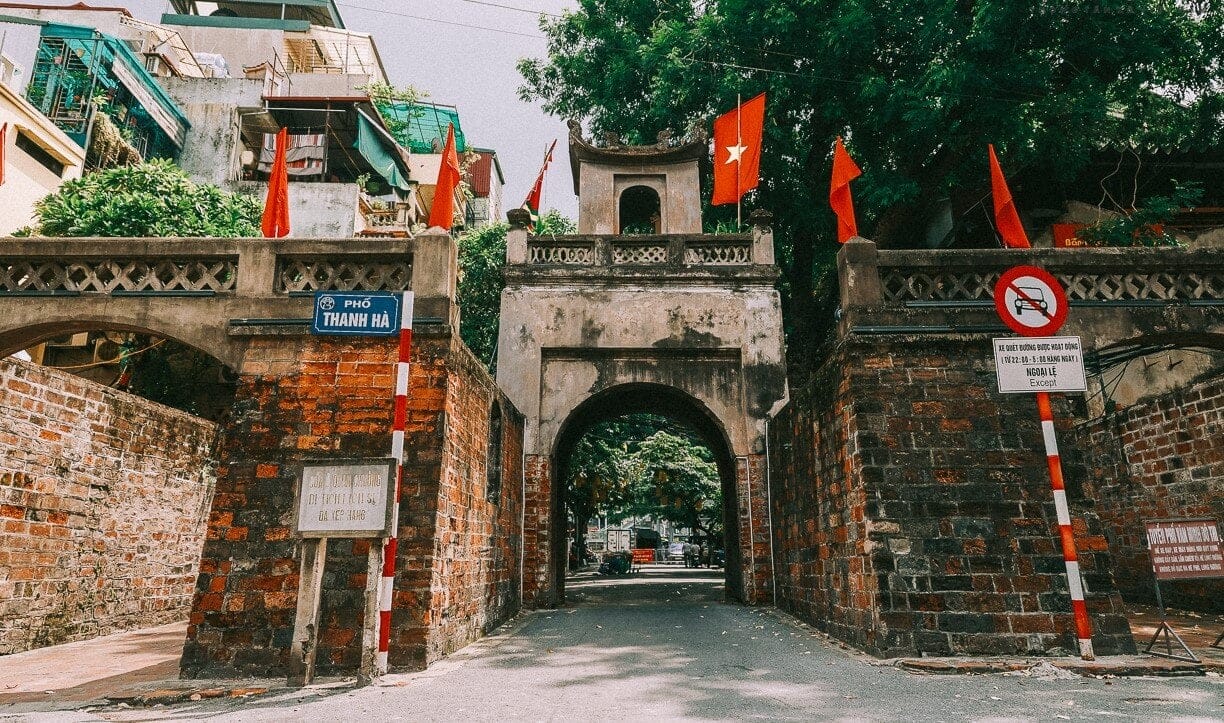
Navigating the iconic 36 streets of the Old Quarter, the living and breathing museum of Vietnam’s Capital.
Experiencing the vibrant motorbike culture and lively daily atmosphere of Hanoi’s 36 streets
Even as the city modernizes, the Old Quarter preserves its ancient atmosphere through family-run workshops, traditional shophouses, and an endless array of street food stalls. For couples, wandering through these bustling streets offers an authentic glimpse into the daily rhythm of Vietnam’s Capital, where the scent of star anise from a Pho pot mingles with the chaotic yet melodic sound of motorbike traffic.
Historic Sites: The Imperial Citadel of Thang Long and Ho Chi Minh Mausoleum
To grasp the political weight of Vietnam’s Capital, a visit to these two sites is essential. The Imperial Citadel of Thang Long, a UNESCO World Heritage Site, represents over ten centuries of political power, with archaeological layers revealing the city’s evolution from ancient times to the modern era.
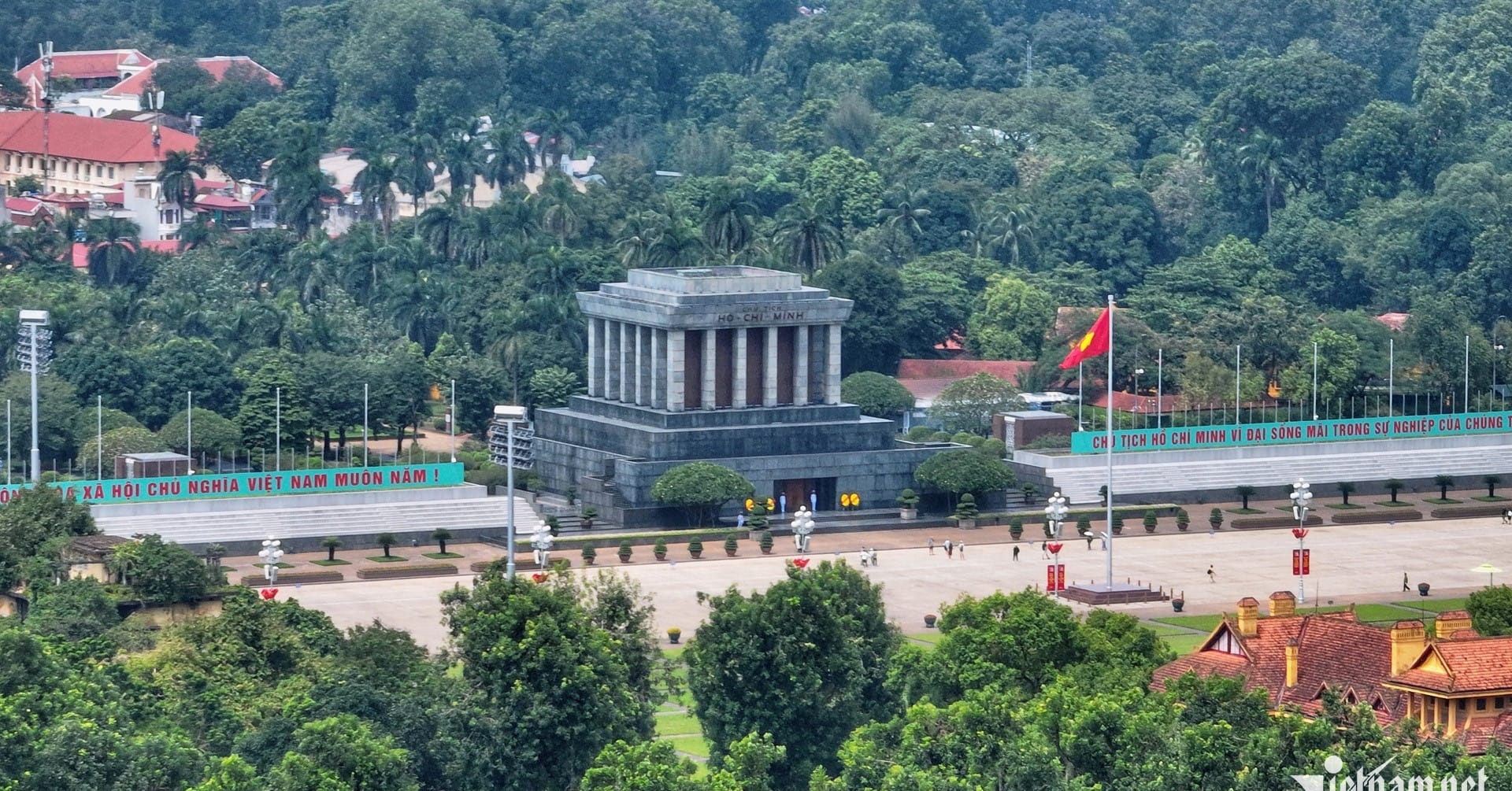
Ho Chi Minh Mausoleum in Ba Dinh Square – The political heart and historic landmark of Hanoi, Vietnam
In stark contrast, the nearby Ho Chi Minh Mausoleum stands as a solemn monument to modern history and national unity. Situated in the grand Ba Dinh Square, this landmark is where the declaration of independence was read, marking the birth of the nation as we know it.
Together, these sites illustrate the transition of Vietnam’s Capital from a royal seat to a resilient modern administrative hub.
Architectural Gems: The French Quarter and Hanoi Opera House
Vietnam’s Capital is a city defined by a unique architectural dialogue between the East and the West. The French Quarter, with its grand tree-lined boulevards and butter-yellow colonial villas, offers a striking, spacious contrast to the dense energy of the Old Quarter. At the heart of this district stands the Hanoi Opera House, an iconic neoclassical monument from the French colonial era.
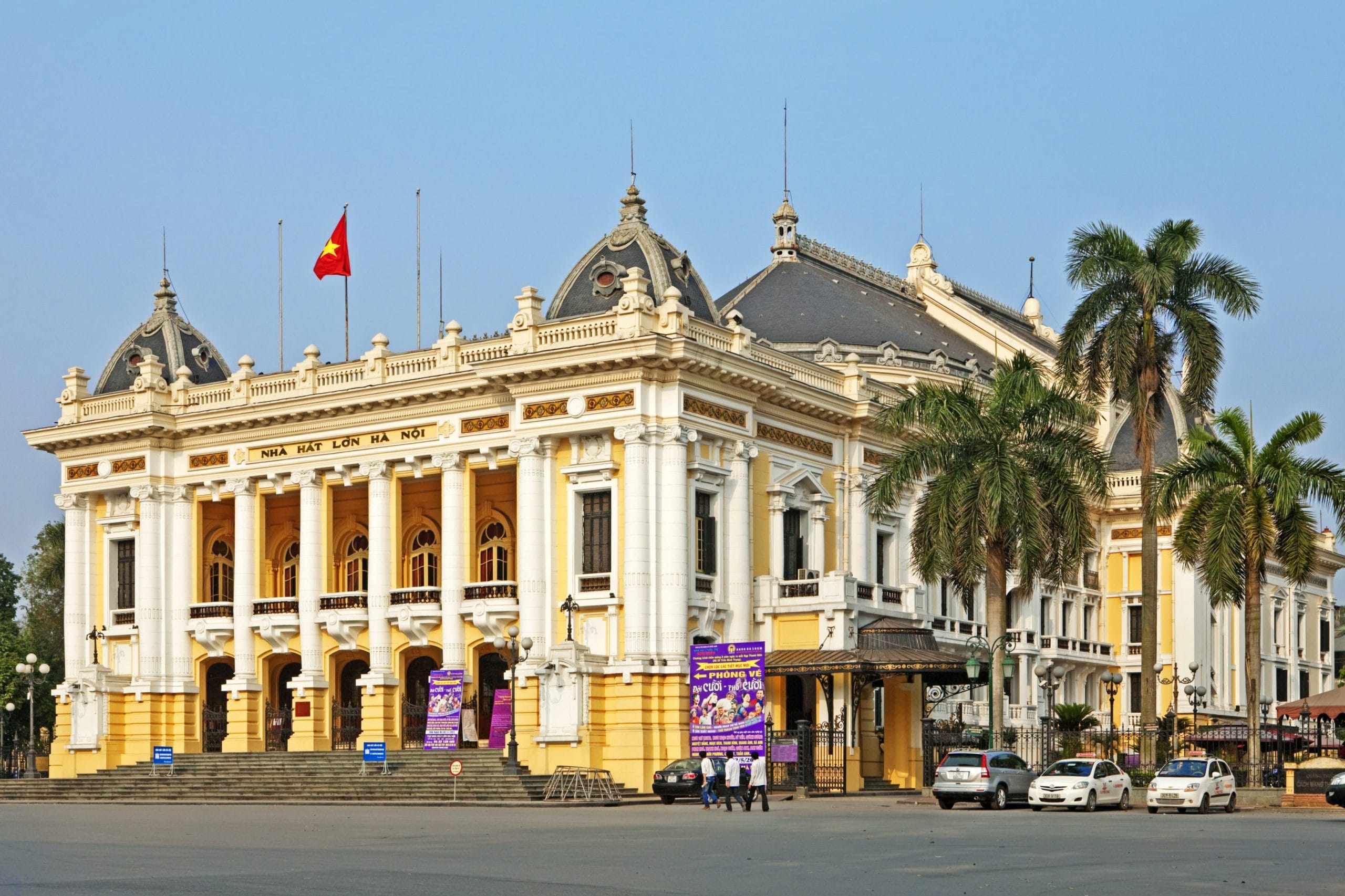
The neoclassical elegance of the Hanoi Opera House, an architectural jewel in the heart of Vietnam’s Capital.
Hanoi Opera House in the French Quarter – Iconic Neoclassical architecture from the French colonial era
More than just a venue for world-class performances, this building serves as a symbol of how Vietnam’s Capital has skillfully absorbed European influences while maintaining its own distinct cultural character. For couples, a stroll through this area provides a romantic, European-inspired backdrop that is essential to the city’s identity.
Spiritual Retreats: West Lake, Hoan Kiem Lake, and Ancient Pagodas
Amidst the vibrant urban rhythm, Vietnam’s Capital offers profound moments of quiet reflection through its numerous lakes and spiritual sanctuaries. Hoan Kiem Lake, situated at the city’s very center, is the symbolic heart of the capital, serving as a daily gathering place for locals to practice Tai Chi or simply pause from the bustle of urban life.
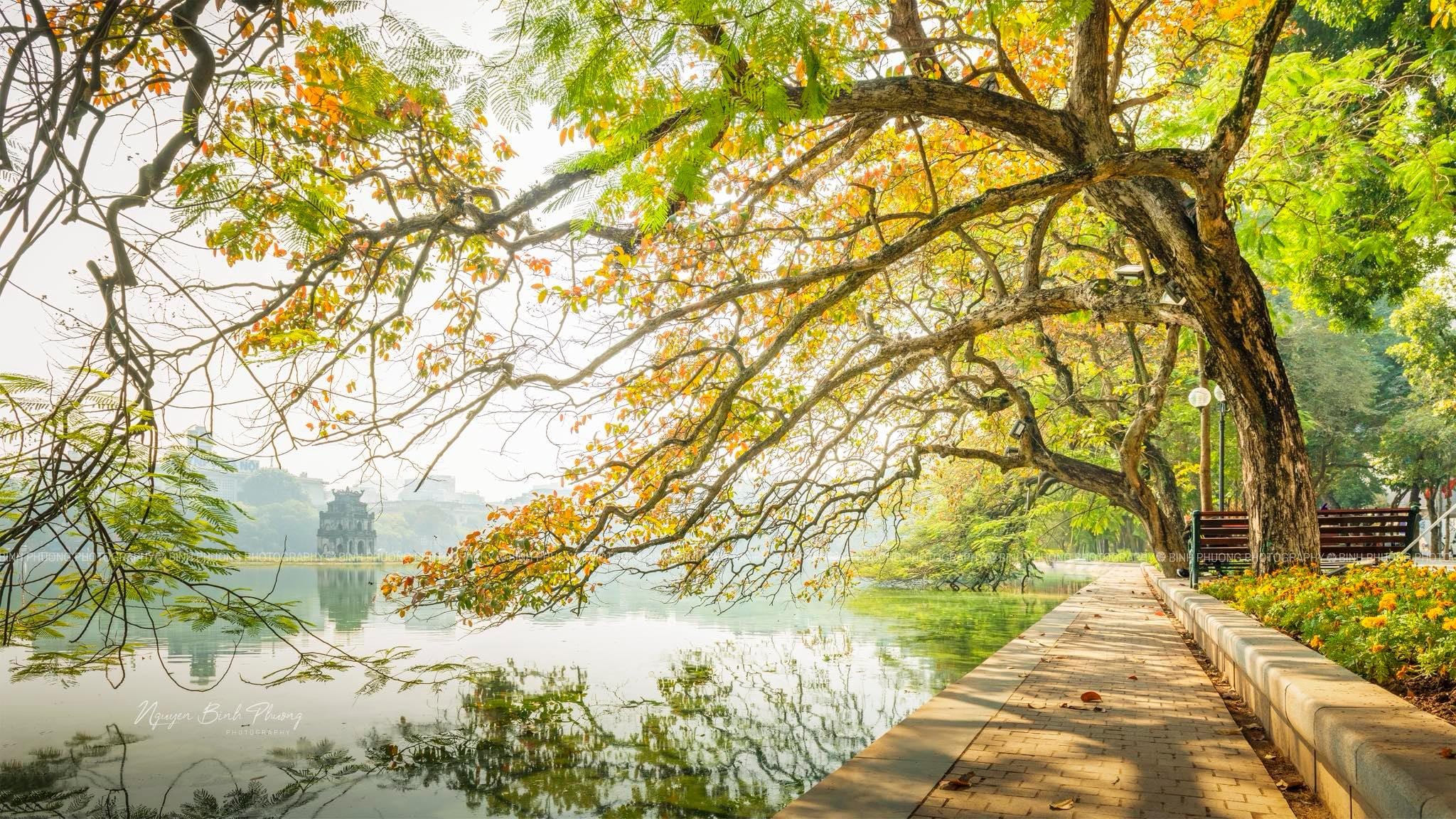
A peaceful morning at Hoan Kiem Lake Hanoi – A serene escape from the bustling city center
For a more expansive sense of calm, travelers can head to West Lake (Tay Ho), a serene escape surrounded by charming cafés and ancient structures like the Tran Quoc Pagoda. These spiritual retreats are the soul of Vietnam’s Capital, reminding every visitor that a balance between movement and stillness is central to the Hanoian way of life.
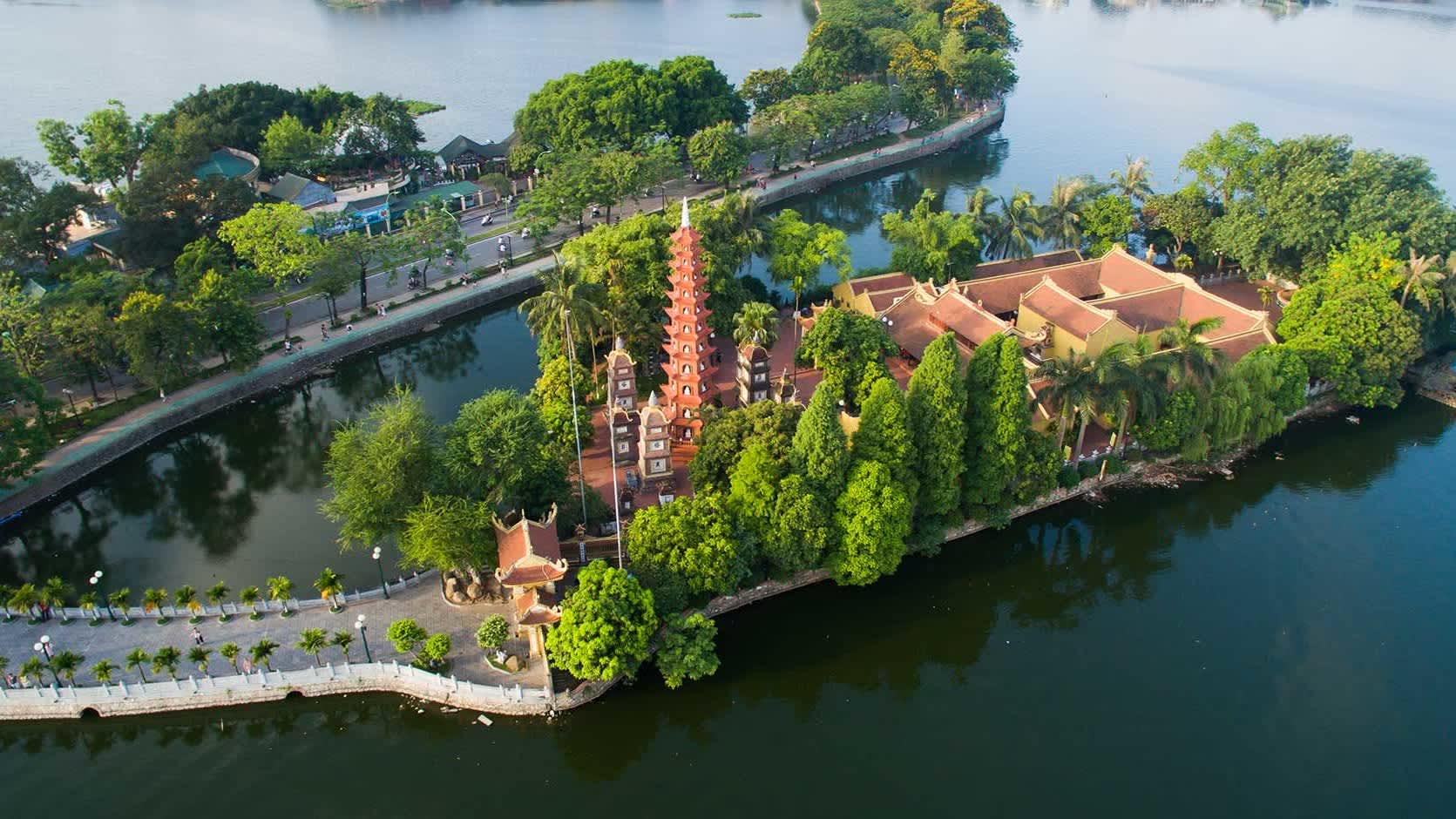
The ancient Tran Quoc Pagoda on West Lake, a spiritual sanctuary within the bustling energy of Vietnam’s Capital.
4. Experience Hanoi Like a Local: Street Culture and Hidden Gems
To truly understand Vietnam’s capital, you must leave the air-conditioned malls and step onto the pavement. Hanoi is a city that lives outdoors; its soul is found in the steam of a noodle bowl and the rhythmic clinking of coffee spoons against glass.
Sidewalk Culture: The Art of Drinking “Bia Hoi” and Coffee
In Hanoi, the sidewalk is the living room of the city. Two pillars define this social fabric: Bia Hoi and Coffee.
The “Bia Hoi” Ritual: As the sun sets, head to a corner “Bia Hoi” stall. This fresh, unpasteurized draft beer is brewed daily and served on tiny plastic stools. It’s not just about the drink; it’s about “Nhau” – the Vietnamese culture of social drinking accompanied by plates of roasted peanuts or fried tofu.
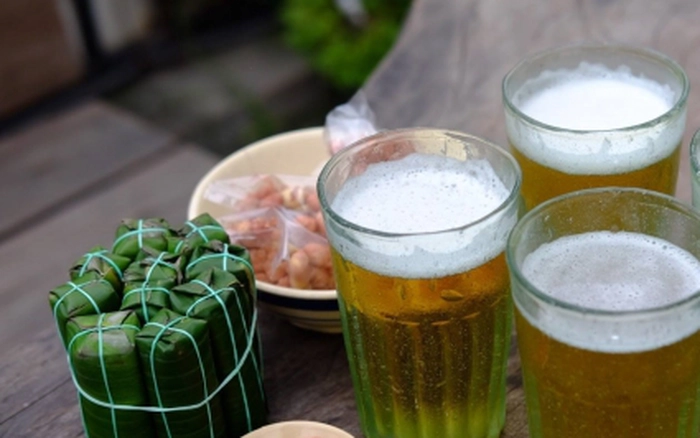
Traditional Hanoi Bia Hoi experience on the sidewalk with fresh draft beer, boiled peanuts, and nem chua
Local Spot: Skip the touristy “Beer Corner” and head to Bat Dan or Ngoc Ha street for a more authentic vibe.
The Coffee Obsession: Hanoi is the coffee capital of Southeast Asia. You haven’t experienced the city until you’ve tried Egg Coffee (Ca Phe Trung) – a creamy, meringue-like concoction created during milk shortages in the 1940s.
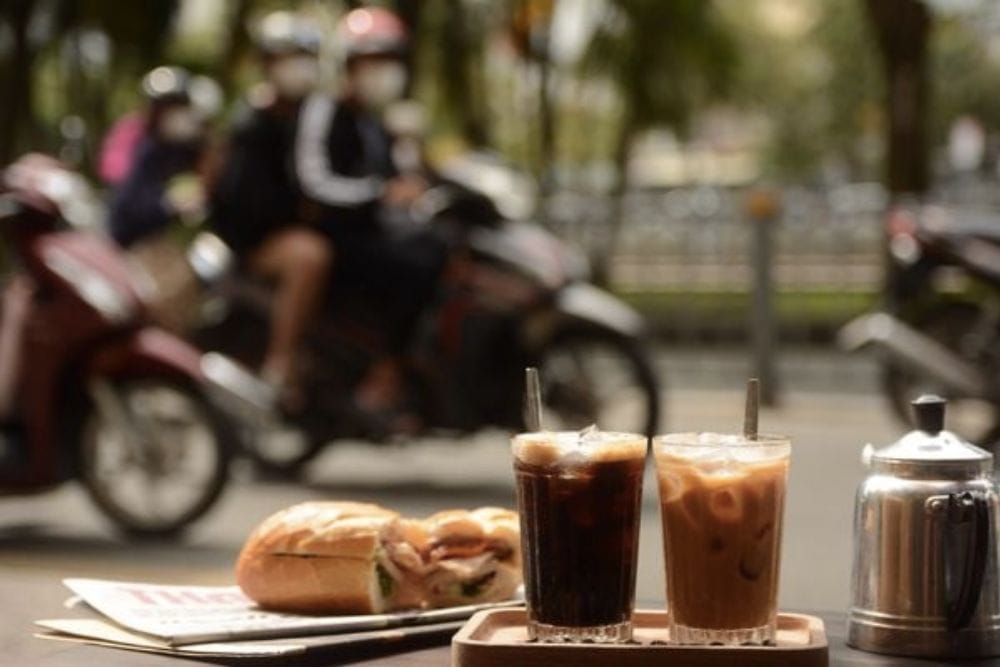
Creamy Hanoi Egg Coffee or Ca Phe Trung, a must-try specialty in the coffee capital of Southeast Asia
Insider Tip: Look for hidden cafes located at the end of narrow, dark hallways or on the second floor of old apartment blocks. The reward is a balcony view of the chaotic streets below.
Beyond the Tourist Path: Exploring Local Neighborhoods and Wet Markets
While the Old Quarter is iconic, the real rhythm of Vietnam’s capital beats in the “Khu Tap The” (old Soviet-style apartment blocks) and early morning wet markets.
Wet Markets (Cho): Wake up at 6:00 AM and visit a local market like Cho Hom or Cho Chau Long. Watch as locals haggle over the freshest catch of the day or bundles of aromatic herbs. The sights, sounds, and smells (from fresh ginger to live seafood) are a sensory overload that defines daily life.
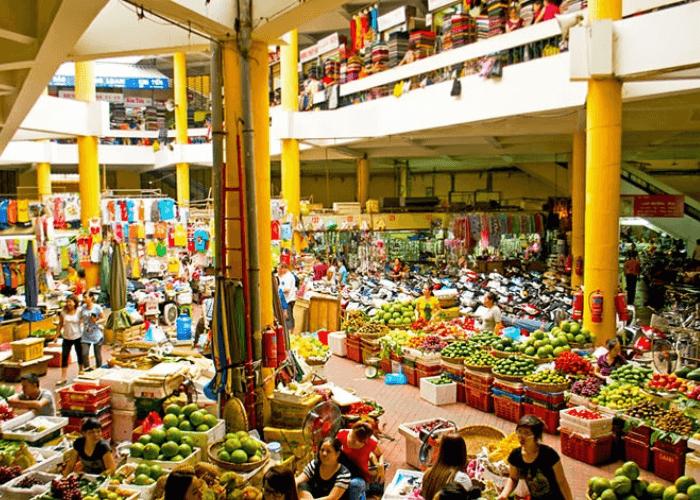
Vibrant daily life at a traditional Hanoi wet market like Cho Hom with fresh vegetables and fruits
The “Khu Tap The” Vibe: Explore neighborhoods like Thanh Xuan or Trung Tu. These yellow-walled, weathered apartment complexes are architectural relics of the 1970s. Today, their ground floors are bustling with hidden “Bun Dau Mam Tom” stalls and local barbershops, offering a nostalgic glimpse into Hanoi’s past.
Yellow-walled Khu Tap The apartment complex in Trung Tu neighborhood, Hanoi
Hanoi at Night: From Quiet Alleys to Vibrant Nightlife
As darkness falls, the capital transforms. The humidity drops, and the city’s lighting softens, revealing two distinct sides of nightlife.
Vibrant Energy: The area around Ta Hien Street is the epicenter of energy, where backpackers and local youth mingle. For something more sophisticated, the Quang An area (West Lake) offers chic rooftop bars with panoramic views of the water.
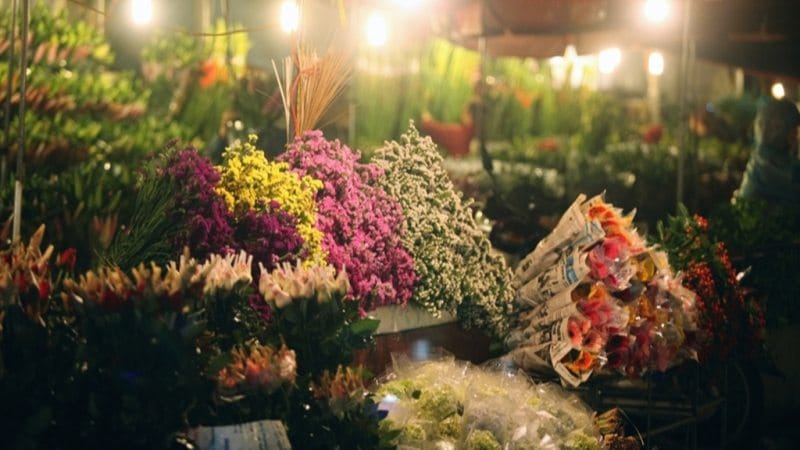
Vibrant Quang Ba Night Flower Market (Cho Hoa Quang Ba) in Hanoi with rows of fresh roses and lilies
The Quiet Alleys: For a truly local experience, take a late-night walk through the residential alleys of Ba Dinh district. You’ll see the “Night Flower Market” (Cho Hoa Quang Ba) starting at 2:00 AM – a sea of roses, lilies, and daisies being prepared for the morning’s trade. It is a peaceful, poetic side of Vietnam’s capital that most tourists never see.
5. A Culinary Journey: Must-Try Hanoi Cuisine
Hanoi cuisine reflects the soul of Vietnam’s capital – subtle, balanced, and deeply rooted in tradition. Unlike other regions known for bold or spicy flavors, Hanoi food focuses on harmony, using simple ingredients to create refined tastes. Exploring local dishes is not just about eating; it is one of the most meaningful ways to understand the city’s culture and daily life.
Signature Dishes: Pho and Bun Cha
Pho: No culinary journey in Hanoi is complete without tasting its most iconic dishes. Pho, Vietnam’s national noodle soup, originated in the north and is best experienced in Hanoi, where the broth is clear, aromatic, and delicately seasoned.
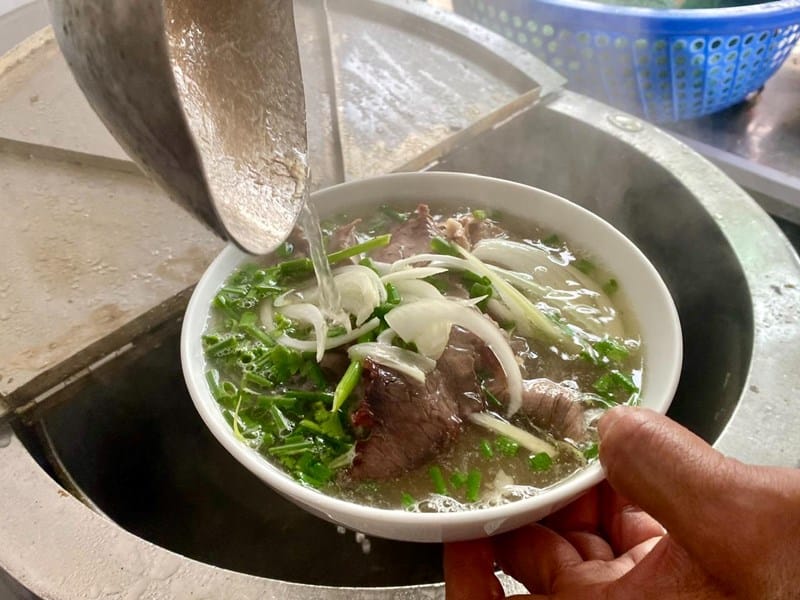
A bowl of iconic Hanoi beef Pho at the famous Pho Thin restaurant with green onions and clear broth
Where to try: For a truly local flavor, visit Pho Thin (13 Lo Duc) for their famous stir-fried beef pho, or Pho Ly Quoc Su for the traditional taste.
Bun Cha: Another Hanoi specialty, Bun Cha, gained international recognition but remains deeply local at heart. Grilled pork served with rice noodles, fresh herbs, and dipping sauce represents the balance of smoky, sweet, and fresh flavors.
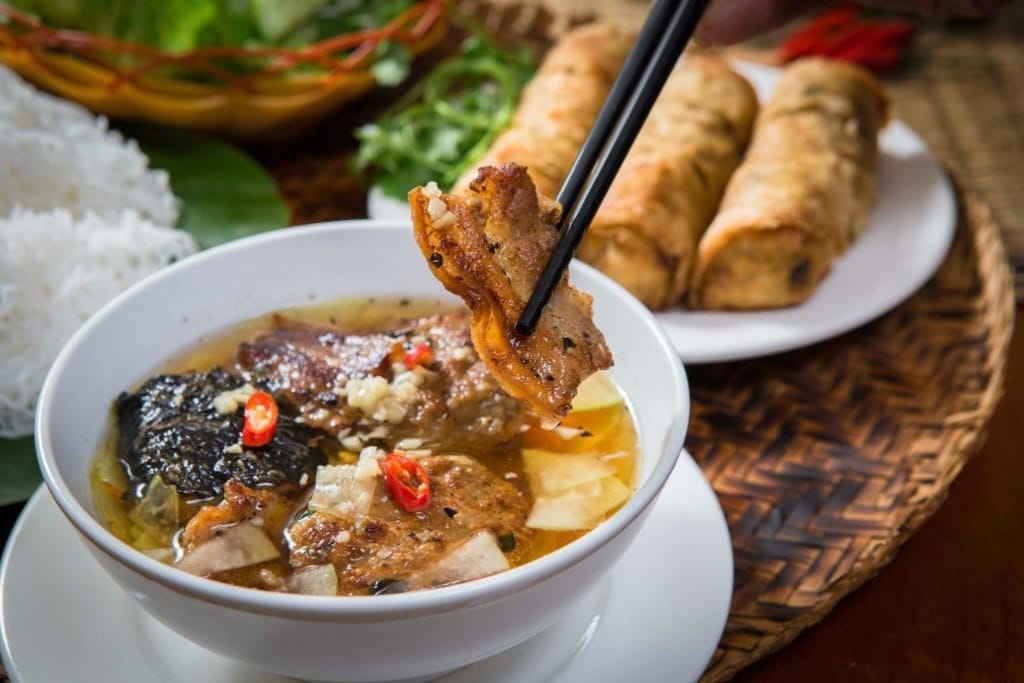
Authentic Hanoi Bun Cha with grilled pork, rice noodles, fresh herbs, and dipping sauce
Where to try: Head to Bun Cha Huong Lien (famous for Obama’s visit) or Bun Cha Dac Kim in the Old Quarter.
6. Practical Travel Tips for Your First Visit
Hanoi is a welcoming and relatively safe city, but like any major world capital, it has its quirks. Being prepared will help you focus on the beauty of the city rather than the stress of the unknown.
Practical travel tips for Hanoi: A scenic view of Turtle Tower in Hoan Kiem Lake with local traffic and pedestrians
Cultural Etiquette: Do’s and Don’ts in Vietnam’s Capital
Hanoi is the conservative heart of Vietnam. Respecting local customs will earn you big smiles from the residents.
- The “Temple Dress Code”: When visiting the Ho Chi Minh Mausoleum, the Temple of Literature, or any pagoda, ensure your shoulders and knees are covered. Hats should be removed inside.
- Mind Your Voice: Hanoians generally value “Lich Su” (politeness). Avoid shouting or losing your temper in public, as this causes a “loss of face” for both parties.
- The Art of Bargaining: Haggling is common in markets (like Dong Xuan), but do it with a smile. It should be a friendly negotiation, not a confrontation. Pro tip: If you are the “first customer” of the day (early morning), try not to haggle too hard, as locals believe the first sale sets the luck for the whole day.
- Do Not: Take photos of military installations or government buildings where “No Photography” signs are posted.
7. Transportation: How to Get to and Around Hanoi
Getting around Hanoi may seem overwhelming at first, but with the right information, transportation in Vietnam’s capital is surprisingly manageable. From international arrivals at Noi Bai Airport to local transport options within the city, Hanoi offers multiple ways for travelers to move efficiently and experience the city like a local.
Arriving at Noi Bai Airport: Taxis, Buses, and Shuttles
Noi Bai International Airport is the main gateway to Hanoi, located approximately 30 kilometers from the city center. Upon arrival, travelers can choose from several transportation options depending on budget and comfort.
Exterior of Noi Bai International Airport terminal in Hanoi with taxi and car parking area
Taxis are the most convenient option, especially for first-time visitors or those with luggage. Reputable taxi companies operate directly outside the terminal, offering a straightforward way to reach hotels in the Old Quarter or central districts.
For budget-conscious travelers, airport buses provide an affordable alternative, connecting Noi Bai Airport with key areas in Hanoi. Shuttle services, including hotel or shared shuttles, are also popular for travelers seeking a balance between cost and convenience.
Getting Around: Grab, Traditional Cyclos, and the New Metro System
Within the city, Grab has become one of the easiest and most reliable ways to get around Hanoi. The app allows travelers to book cars or motorbike taxis with transparent pricing, making it ideal for short trips and avoiding language barriers.
A Grab motorbike driver and a passenger in Hanoi, showing a popular and reliable way to get around the city
For a slower, more scenic experience, traditional cyclos offer a nostalgic way to explore areas like the Old Quarter. While not designed for long distances, cyclos provide a unique perspective on Hanoi’s streets and daily life.
Hanoi is also entering a new era of public transportation with its metro system, designed to ease traffic congestion and improve urban mobility. Although still expanding, the metro offers a modern, air-conditioned option for traveling between certain districts and is expected to play a growing role in the city’s transport network.
8. Hanoi vs. Ho Chi Minh City: Which One Should You Choose?
If you only have time for one major city, the choice between Vietnam’s capital and its southern economic engine, Ho Chi Minh City (formerly Saigon), can be tough. While both are quintessentially Vietnamese, they offer vastly different “vibes.
The Vibe: Ancient Tradition vs. Modern Energy
Hanoi (The Soul): Hanoi is a city of layers and legends. It feels like a large village that grew into a capital. Life here moves a bit slower, dominated by tree-lined boulevards, misty lakes, and the preserved chaos of the Old Quarter. It is the place to go if you want to feel the weight of history.
Hanoi’s peaceful soul: Ancient Turtle Tower at Hoan Kiem Lake representing Vietnam’s traditional capital
Ho Chi Minh City (The Spark): Saigon is the city that never sleeps. It’s defined by soaring skyscrapers, rooftop bars, and massive shopping malls. It is more international, westernized, and fast-paced. If Hanoi is a “classic novel,” Saigon is a “neon-lit thriller.”
Ho Chi Minh City skyline at night with Bitexco Tower, showing the modern energy of Vietnam’s southern economic hub
Travel Style Comparison
To help you decide, here is a quick breakdown of what each city does best:
| Feature | Hanoi (The Capital) | Ho Chi Minh City (Saigon) |
| Best For | History, Culture, & Architecture | Nightlife, Shopping, & Business |
| Weather | 4 Seasons (Cold winters) | Tropical (Hot year-round) |
| Day Trips | Nature (Halong Bay, Sapa) | History (Cu Chi Tunnels, Mekong Delta) |
The Culinary Duel
- Hanoi is the birthplace of Pho and Bun Cha. The flavors here are balanced and traditional, often leaning toward savory and peppery notes. Dining often happens on the sidewalk on low stools.
- Saigon food is influenced by many cultures. It is generally sweeter and uses more herbs and chili. The city also has a much more developed international fine-dining scene and “fusion” concepts.
The Verdict: Which one is for you?
- Choose Hanoi if: You are a culture seeker, a history buff, or an urban photographer. If you prefer walking through narrow alleys and enjoying a slow coffee by a lake, Vietnam’s capital will steal your heart.
- Choose Ho Chi Minh City if: You love the energy of a big city, want to party until dawn, or prefer the convenience of modern infrastructure and luxury shopping.
Our Recommendation: If it’s your first time in Vietnam, start with Hanoi. Its 1,000-year legacy provides the essential context you need to understand the country’s identity before diving into the modern madness of the south.
9. The Perfect Hub: Day Trips from Hanoi to Northern Vietnam
Hanoi is not just a destination; it is the perfect starting point for travelers looking to explore Northern Vietnam at a slower, more meaningful pace. Within a few hours from the city, urban energy gives way to the limestone landscapes of the Red River Delta and rural villages shaped by centuries of history.
Scenic limestone mountains and rice fields in Ninh Binh, a perfect day trip and nature retreat near Hanoi
Beyond the Day Trip: The Art of Slow Travel Many travelers attempt to visit places like Ninh Binh or the nearby mountains in a single day, often returning to the city exhausted by the commute. However, the real magic of Northern Vietnam happens when the day-trippers leave. Choosing to stay overnight in a peaceful nature retreat close to Hanoi allows you to catch the sunrise over the mist-covered rice fields – a sense of stillness rarely found in the bustling capital.
Finding Your Sanctuary If you are looking for a place that feels less like a hotel and more like a gateway to the region’s soul, seek out stays that prioritize heritage scenery and thoughtful design. There are hidden gems like Jiva Hotel where the mornings unfold at an unhurried pace, and the architecture itself tells a story of the surrounding landscape.
Using such a base allows your journey to flow naturally. You can spend your day exploring limestone valleys or cultural waterways and then retreat to a quiet balcony to watch the evening settle in, without the pressure of rushing back to the city the same day.
10. Frequently Asked Questions (FAQs) About Vietnam’s Capital
To help you finalize your plans, here are the most common questions travelers ask about visiting Hanoi.
Q1: Is Hanoi or Ho Chi Minh City the capital of Vietnam?
Hanoi is the official capital of the Socialist Republic of Vietnam. While Ho Chi Minh City is the largest economic hub, Hanoi has been the political and cultural center for over 1,000 years. It serves as the seat of government and the preservation center of national heritage.
Q2: How many days should I spend in Hanoi?
For a first-time visitor, 3 days is the sweet spot. This gives you enough time to explore the Old Quarter, visit the key historical sites like the Imperial Citadel, and enjoy the street food culture without rushing. If you plan to take day trips to Ninh Binh or Halong Bay, consider extending your stay to 5 days.
Q3: What should I buy in Hanoi?
Look for high-quality silk products in Van Phuc Village or the Old Quarter, lacquerware, and authentic Vietnamese coffee beans.
Ready to Experience Jiva?
Immerse yourself in a stay where northern Vietnamese architecture meets world-class comfort. At Jiva Hoalu Retreat, each accommodation blends locally inspired décor with modern luxuries, offering a unique fusion of culture, tradition, and elegance. Whether you’re here for a romantic getaway, a family escape, or a tranquil retreat, Jiva promises unforgettable moments in the heart of Ninh Binh.
Contact Us:
📞 +84 933 006 886
📧 inquiry@jivahoaluretreat.com
🌐 https://jivahoaluretreat.com/