


05 November, 2026
Vietnam rainy season travel can be surprisingly rewarding when you understand how the weather changes by region. Tropical showers bring greener landscapes, fewer crowds and a slower rhythm, while thoughtful planning helps travelers avoid storm-prone periods, choose flexible activities and enjoy cities, nature, culture and restorative stays with greater ease. The key is to choose the right region for your dates, keep outdoor plans flexible and stay somewhere you will actually enjoy when the rain arrives.
When Is the Rainy Season in Vietnam?
Because the country extends over 1,600 kilometers across distinct climatic zones, there is no single nationwide wet season. Successful vietnam rainy season travel requires understanding when and how rain falls across each geographic corridor so you can coordinate outdoor sightseeing
Northern Vietnam: May to September
In Northern Vietnam—encompassing Hanoi, Ninh Binh, Ha Long Bay, and the northern highlands—the wet season runs from May through September, with peak precipitation typically occurring during July and August. Rain in this region generally arrives as dramatic afternoon thunderstorms or brief downpours rather than persistent, day-long drizzles.
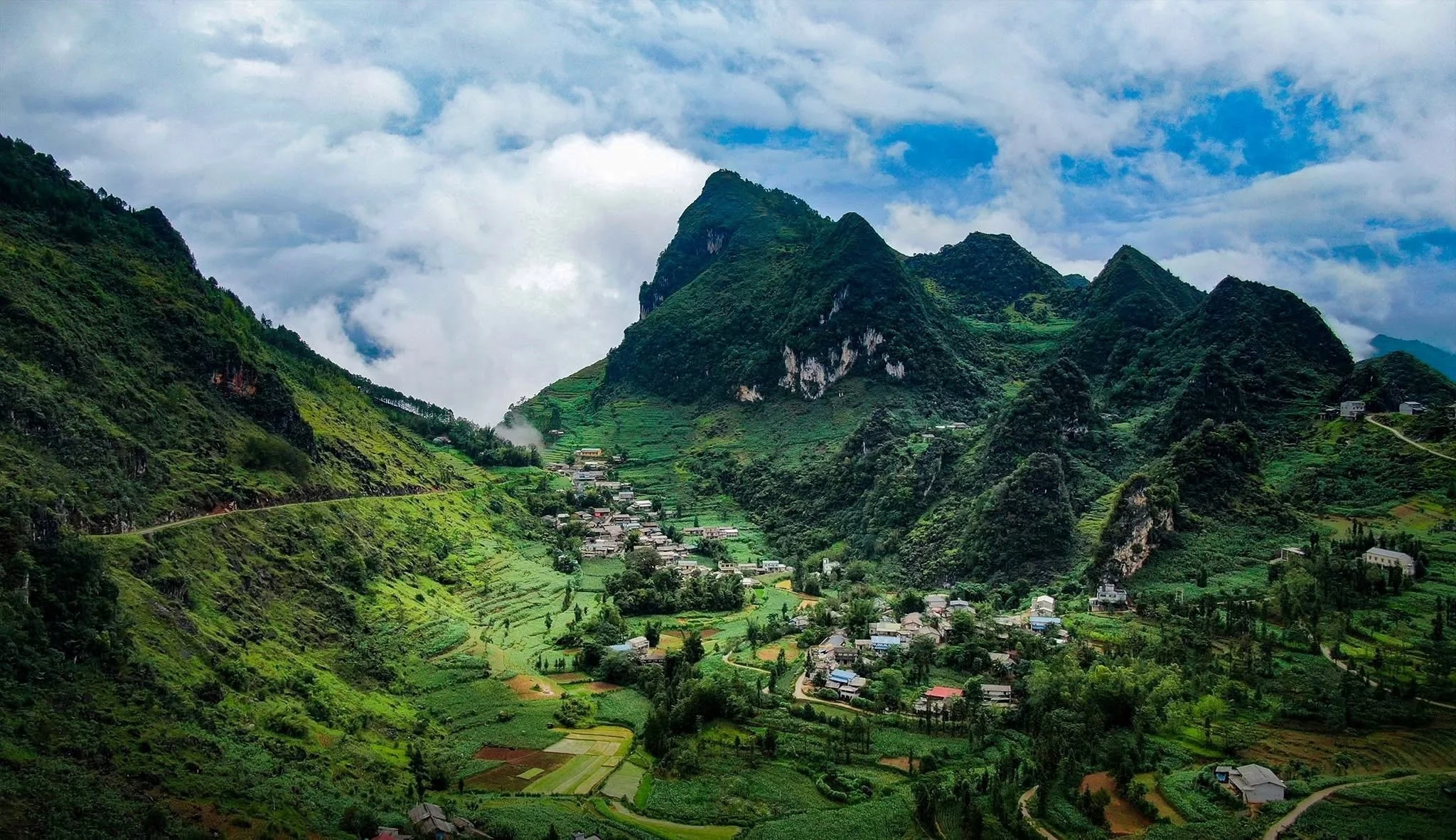
Navigating regional microclimates with confidence on a well-planned vietnam rainy season travel journey
In mountainous areas such as Sapa and Ha Giang, rain creates vivid scenery but can also mean fog, slippery trails and disrupted road conditions. Around Ha Long Bay, cruises may be delayed or cancelled when storms or strong winds make sailing unsafe.
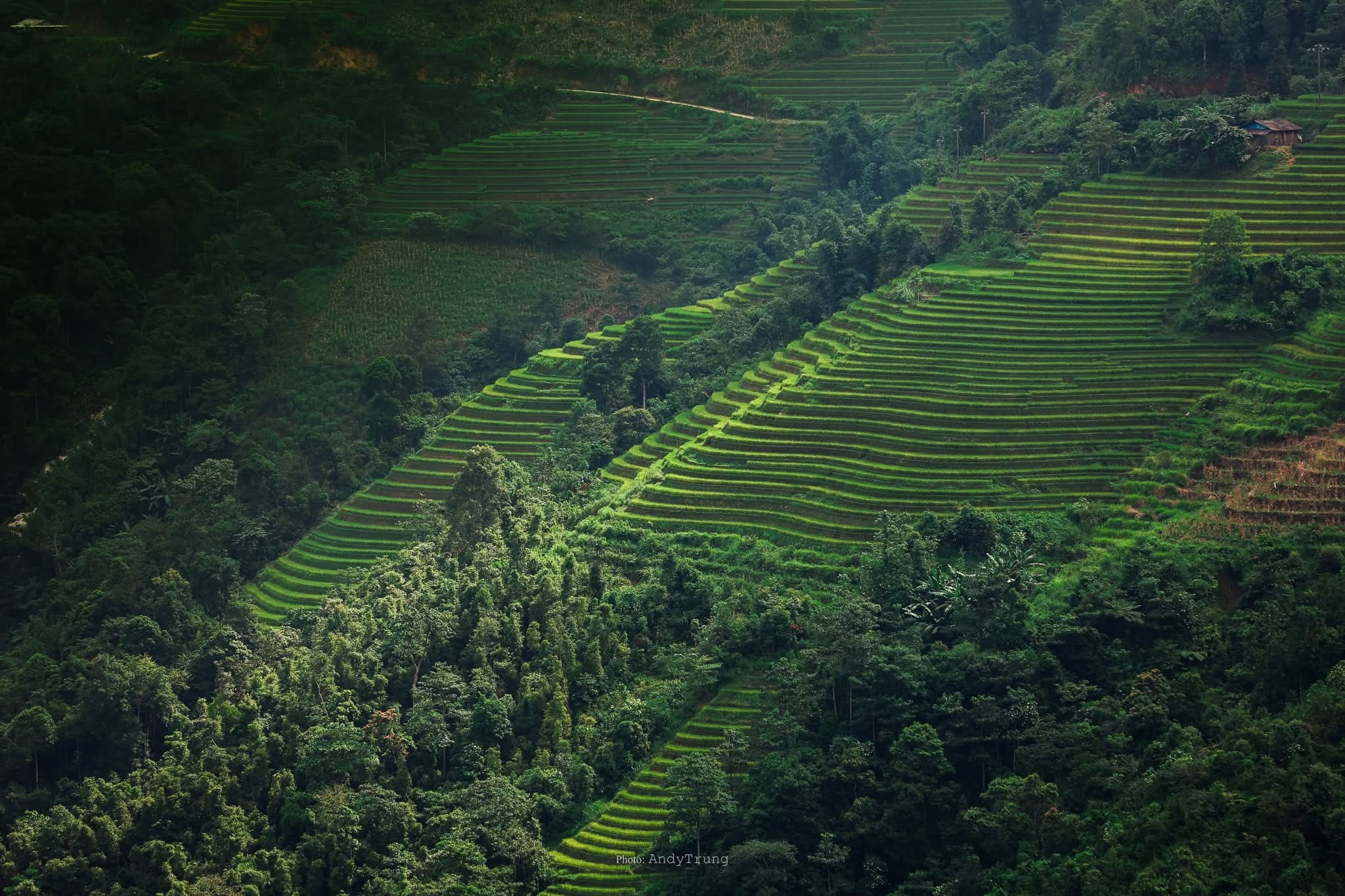
Embracing unhurried pacing and emerald scenery on an authentic vietnam rainy season travel adventure
But this pattern makes northern vietnam travel exceptionally manageable: mornings remain bright and pleasant for embarking on an outdoor ninh binh family tour, cycling between village hamlets, or exploring ancient temple courtyards. In the afternoons, families can retreat to a secluded private pool villa ninh binh or enjoy a covered veranda while the rain cools the limestone peaks, creating a restful rhythm for authentic slow travel vietnam.
Central Vietnam: September to December
Central Vietnam follows a different pattern. Hue, Da Nang and Hoi An generally become wetter from around September into December, with October and November carrying the greatest risk of prolonged rain, flooding and tropical storms.
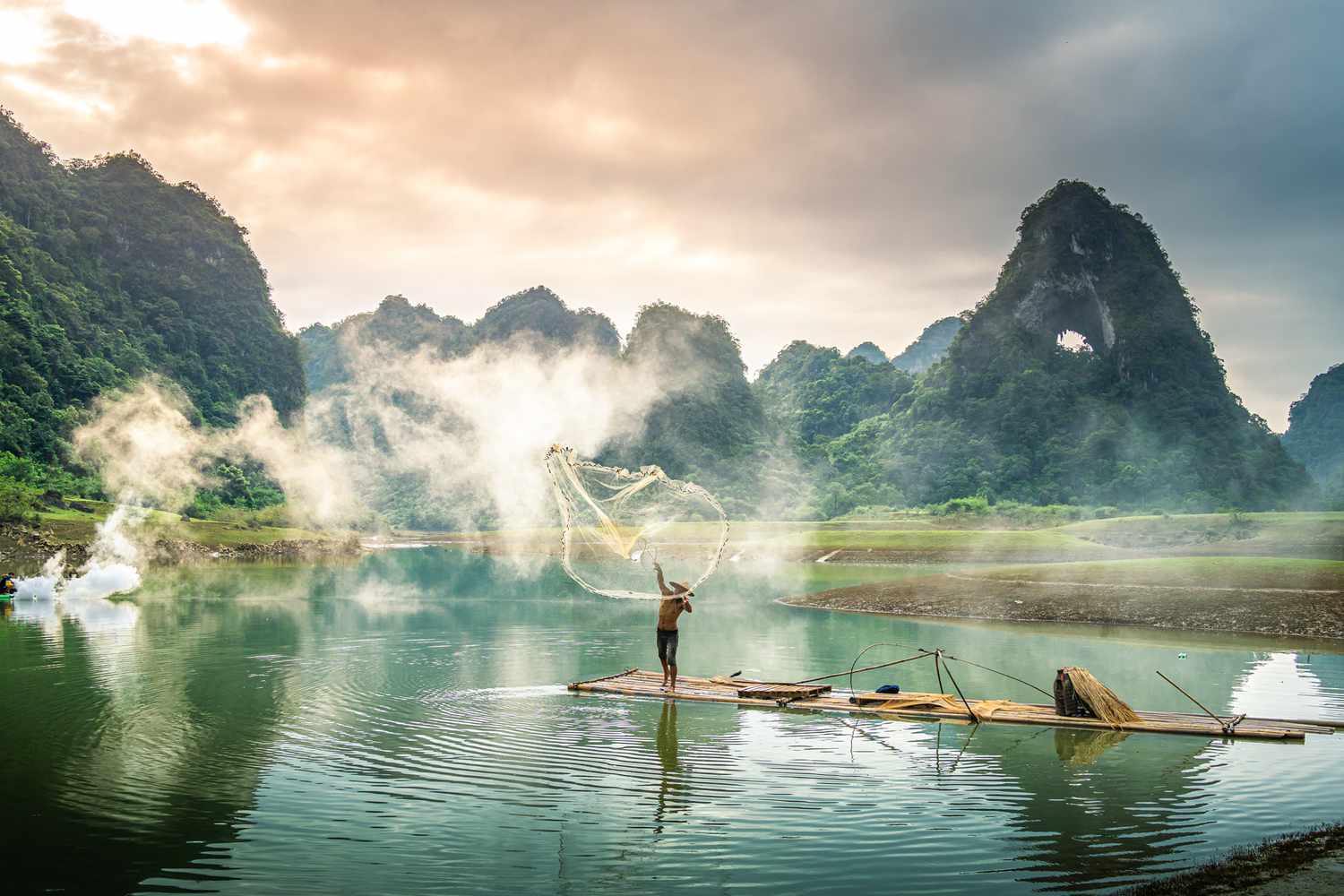
A wooden sampan gliding gracefully across glassy river waters reflecting low-hanging valley clouds.
A light shower can make Hoi An’s lantern-lit streets wonderfully atmospheric, but severe weather can interrupt transport and close attractions. Travelers visiting during the wettest months should avoid rigid schedules and monitor official forecasts, especially if plans involve coastal travel or boat excursions.
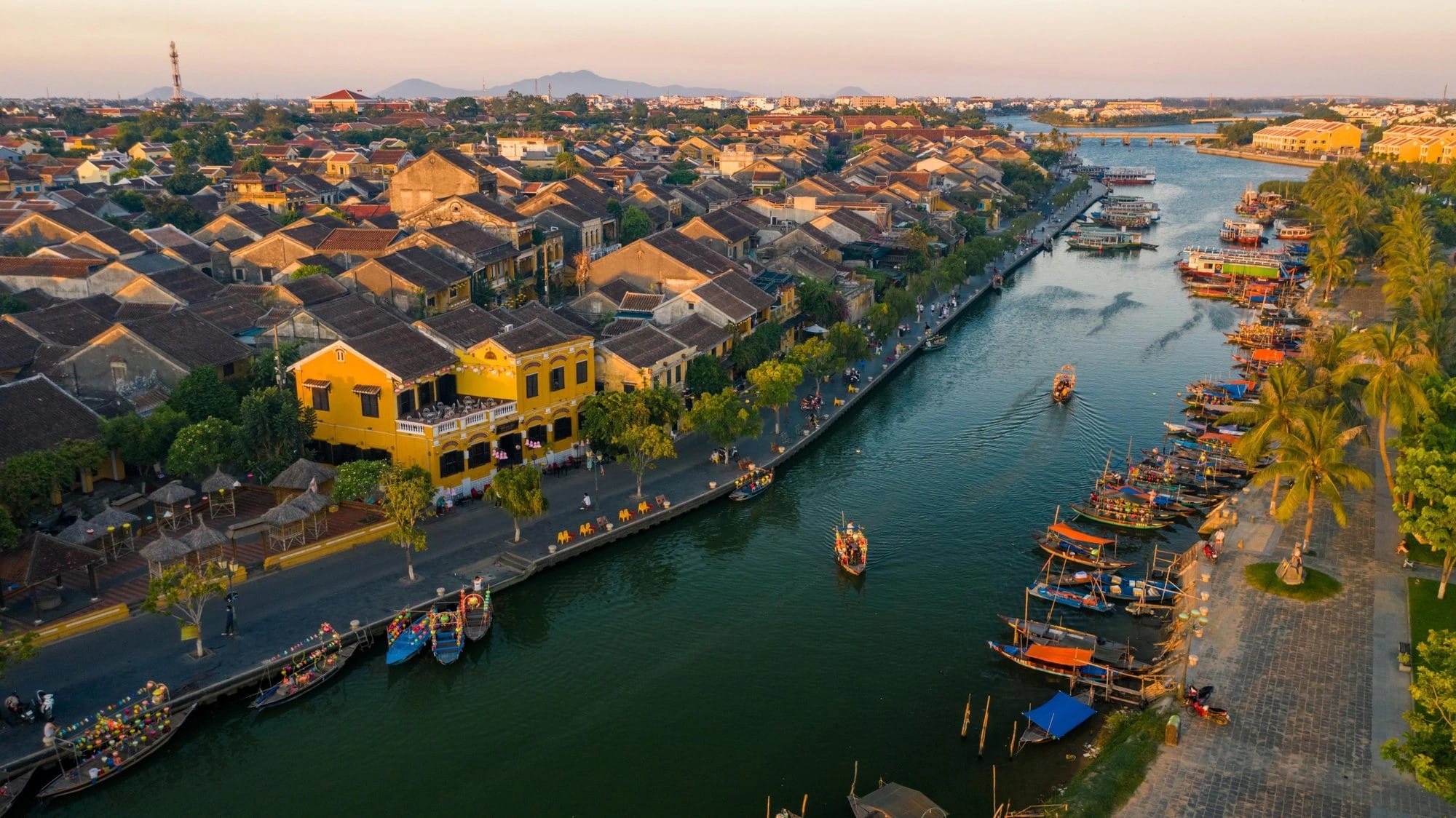
relaxing together in an open timber tea balcony watching afternoon raindrops fall on Hoi An river
Southern Vietnam: May to October or November
Southern Vietnam, including Ho Chi Minh City and the Mekong Delta, usually experiences its rainy season from around May to October or November.
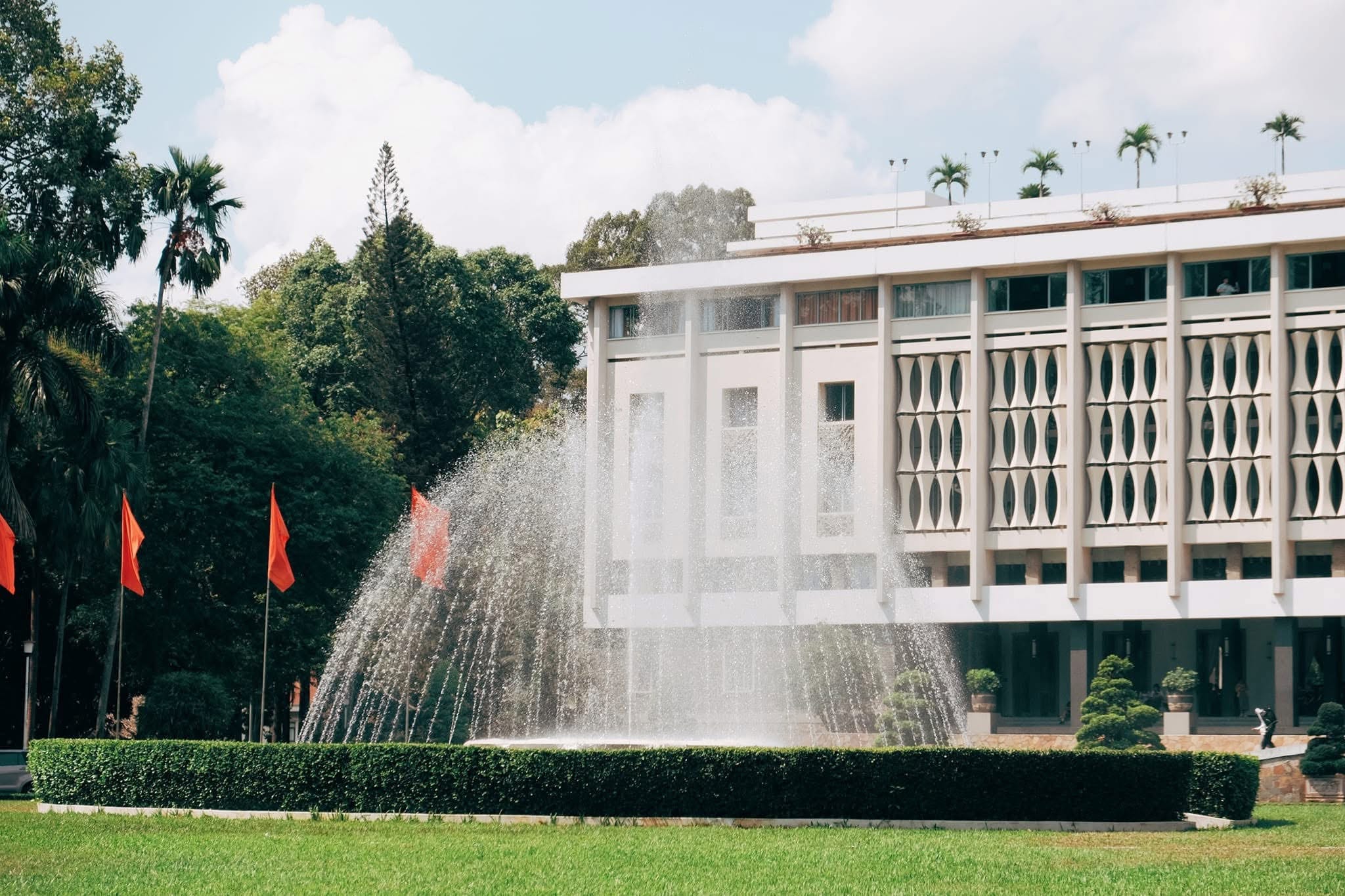
Planning predictable morning outings and restful afternoon breaks during southern vietnam rainy season travel.
Showers are often short, intense and concentrated later in the day. A sunny morning may be followed by a dramatic downpour and then a usable evening. This makes the south relatively manageable during the wet season: plan markets, walking tours and river excursions earlier, then leave afternoons open for cafés, museums, spa time or a long lunch.
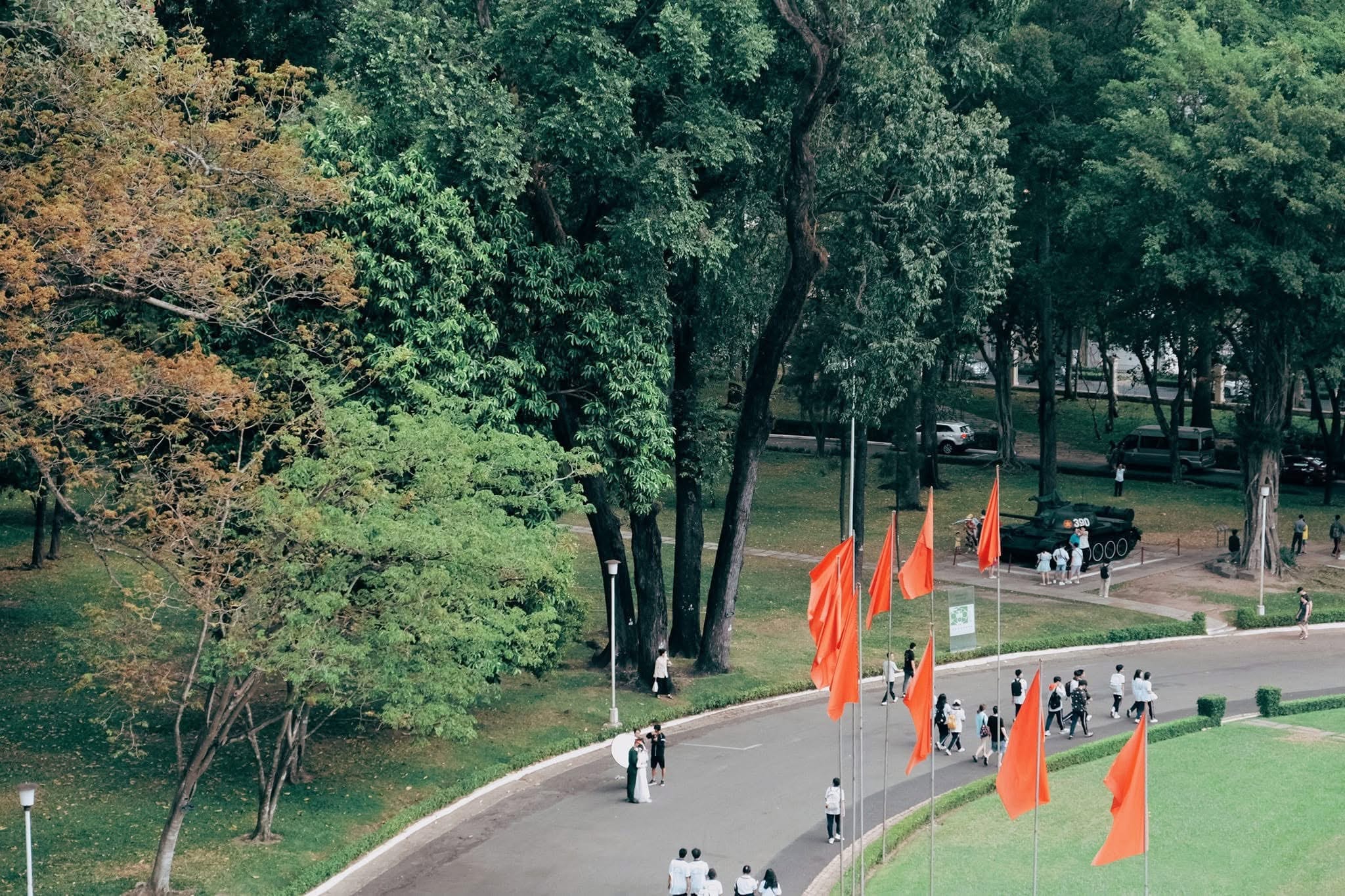
Enjoying tropical fruit orchards and resort downtime during extended Vietnam Family Holidays in the south
This predictability makes southern vietnam rainy season travel remarkably easy to plan. Families can explore bustling morning floating markets, visit fruit orchards, and tour cultural landmarks early, before retiring to an expansive Family villa with pool for afternoon swims, long lunches, and restorative spa treatments during their broader Vietnam Family Holidays.
Is Vietnam Worth Visiting During the Rainy Season?
Yes, if your expectations are realistic.
Rainy-season travel requires flexibility: humidity, slippery roads and sudden weather changes can affect outdoor plans. In return, landscapes become greener, popular destinations often feel calmer and the pace naturally slows.
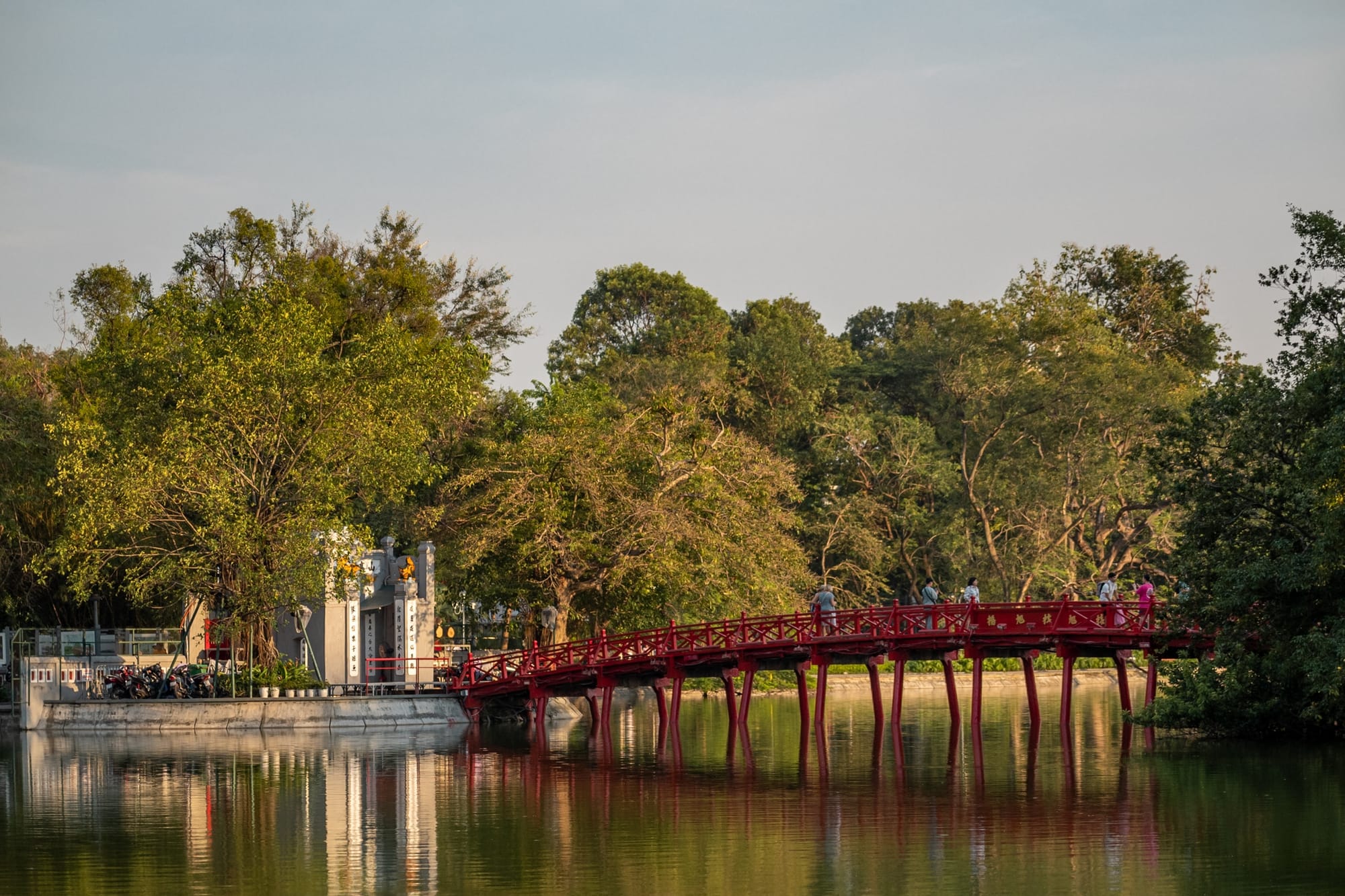
Exploring top regional destinations and verdant valleys on a curated vietnam rainy season travel route.
Rain can also change the mood of a place beautifully. Mist gathering between Ninh Binh’s limestone mountains, wet streets reflecting lantern light in Hoi An or tropical rain moving across a Mekong riverbank can become part of the experience rather than an interruption.
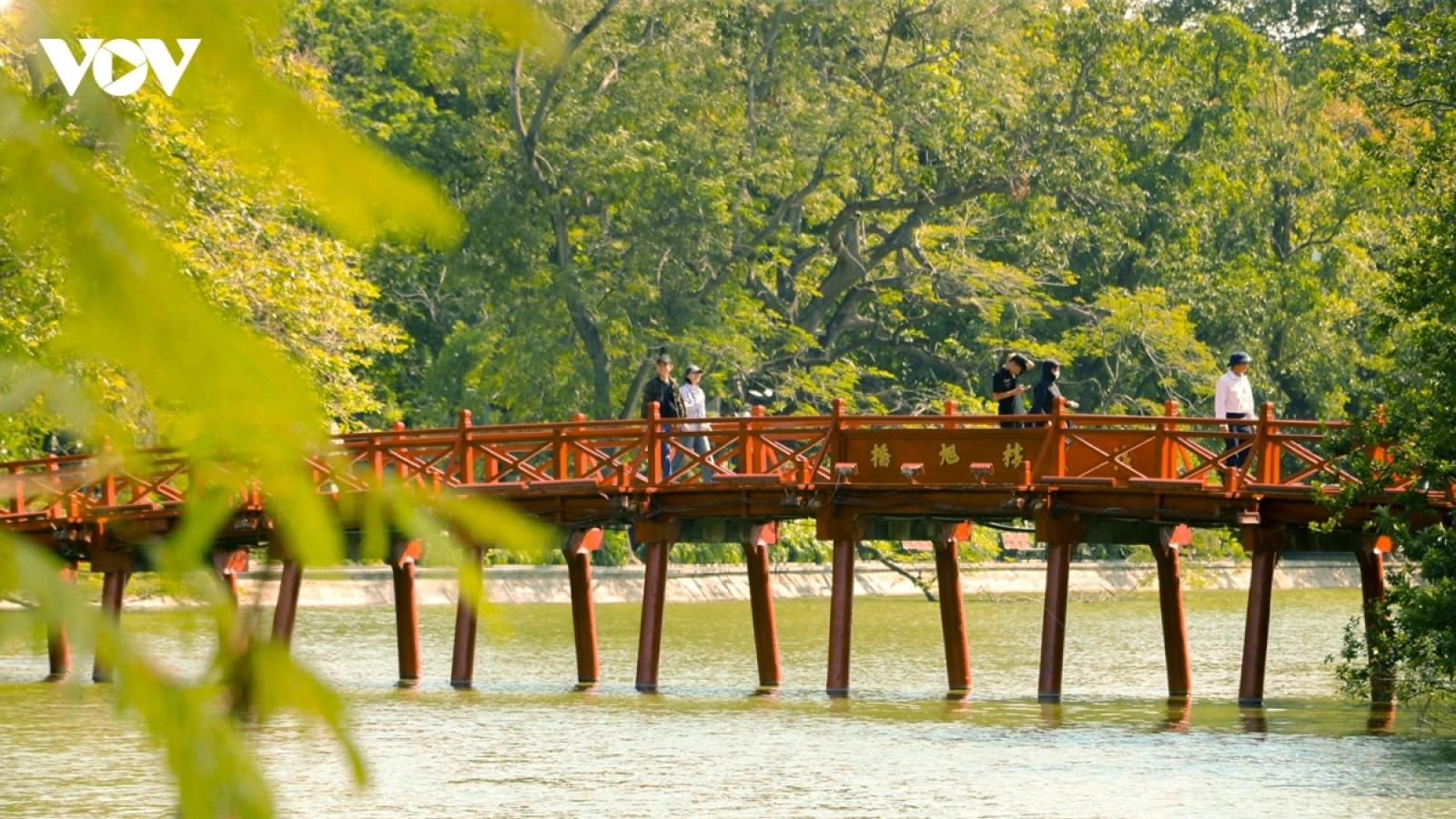
Discovering ancient cultural landmarks and the best places to visit in Vietnam under dramatic misty skies.
This is why Vietnam rainy season travel is less about trying to avoid every shower and more about understanding what kind of rain you are likely to encounter. A brief tropical downpour in southern Vietnam requires a very different itinerary adjustment from several days of stormy weather on the central coast.
Best Places for Vietnam Rainy Season Travel
Hanoi – A City That Still Works in the Rain
Hanoi is one of the easiest places to enjoy when the weather changes because the city offers so much beyond outdoor sightseeing.
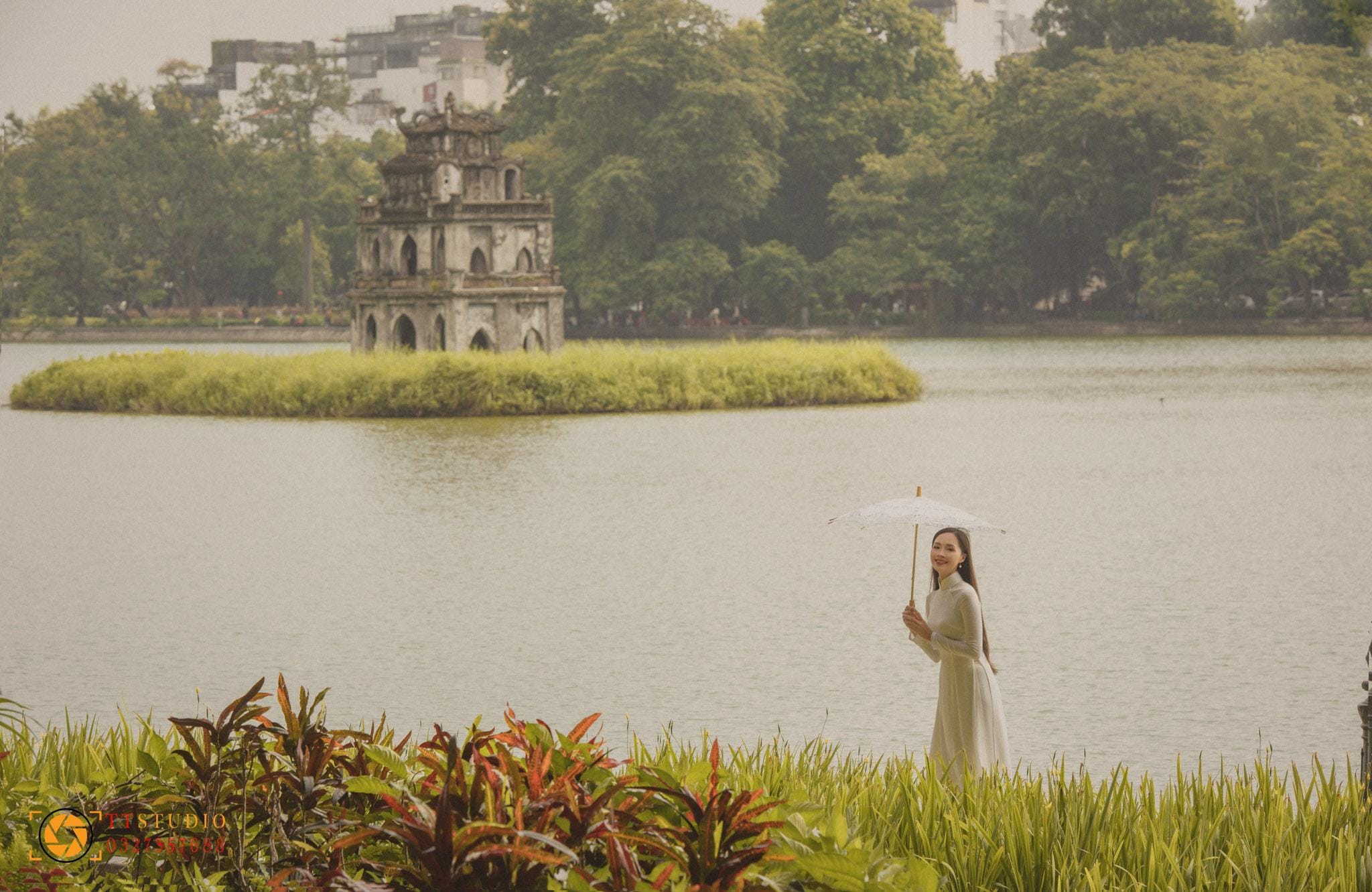
Experiencing historic museums and vibrant café culture during northern vietnam rainy season travel in Hanoi
A rainy morning can be spent in a museum, gallery, café or market before moving back outside when the weather clears. Food experiences work particularly well because noodle shops, coffee culture and small restaurants remain part of the journey regardless of the forecast.
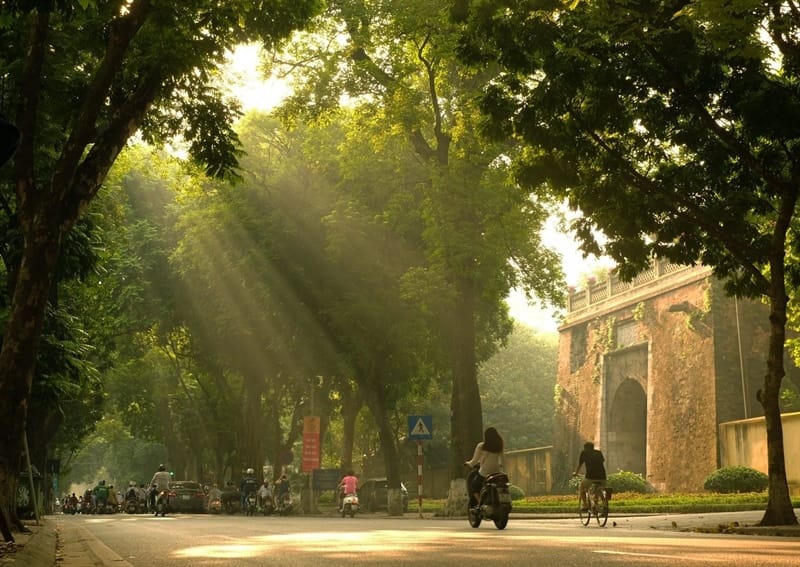
Soft afternoon rain falling on Situated at the heart of Hanoi, the Central Sector of the Imperial Citadel of Thang Long
Instead of planning a full day of walking, divide sightseeing into shorter sections. Explore the Old Quarter when conditions are comfortable, then move indoors for Vietnamese coffee, a long lunch or a museum visit if the rain becomes heavier.
Ninh Binh – Misty Karsts and Slow Retreat Days

Gliding along mist-veiled river caves during an uncrowded ninh binh family tour on a rainy day.

Lounging beside the private infinity pool of a private pool villa ninh binh at Jiva Hoa Lu Retreat.
Ninh Binh is particularly atmospheric during northern Vietnam’s wetter months. Rain deepens the green of the valleys, mist settles around limestone formations and waterways through Trang An and Tam Coc can feel especially dramatic beneath changing skies. Travelers can still enjoy early boat journeys, Hoa Lu Ancient Capital, Bich Dong Pagoda and countryside cycling when conditions are suitable. The key is not to build the entire day around outdoor sightseeing.
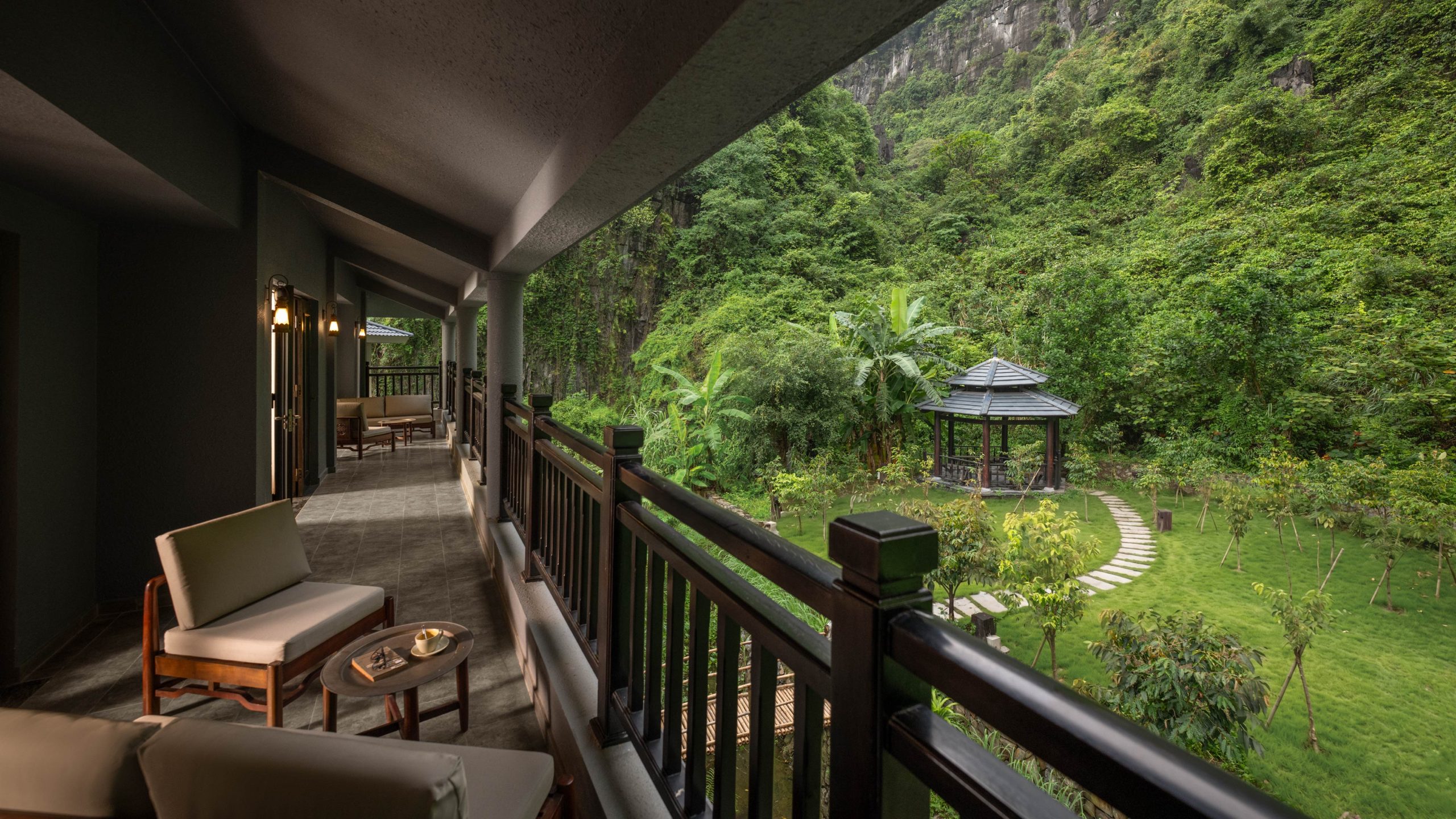
Exploring misty karst waterways and ninh binh hidden gems during your seasonal summer journey
Rainy days in Ninh Binh can be particularly suited to slowing down, restoring your energy and experiencing local culture at a gentler pace. Instead of treating the weather as lost sightseeing time, travelers can turn toward spa rituals, tea, regional cuisine, creative workshops and quiet moments surrounded by the misty karst landscape.

A wooden sampan carrying travelers quietly through the low stone arches of a water cave in Trang An
For a restorative stay, Jiva Hoa Lu Retreat offers a particularly immersive setting within the Trang An landscape, where guests can combine treatments at Chỉ Quán Spa with Vietnamese tea experiences, cultural workshops, slow dining at Nhật Yên Restaurant and time in gardens and spacious villas.
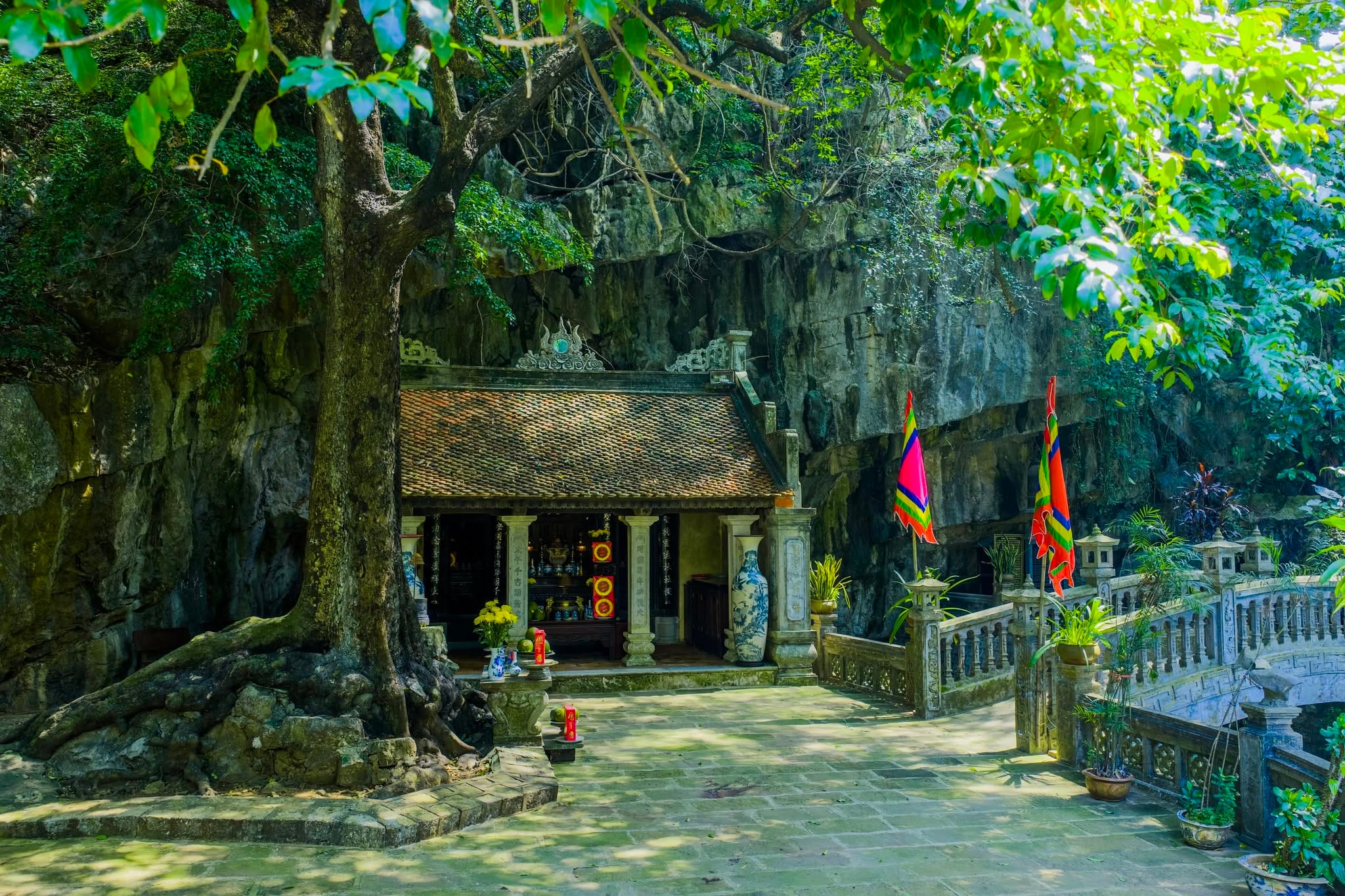
Uncovering secluded valley shrines and ninh binh hidden gems while enjoying mindful slow travel vietnam.
Other luxury options in Ninh Binh include Tam Coc Garden Resort, known for its peaceful countryside setting, and Emeralda Resort Ninh Binh, a larger resort inspired by traditional northern Vietnamese architecture. On rainy afternoons, these retreats allow travelers to experience Ninh Binh through wellness, culture and stillness rather than simply waiting for the weather to clear.
Hue – Imperial Heritage in a Quieter, More Atmospheric Season
Hue takes on a particularly contemplative character during the rainy season. The former imperial capital generally becomes wetter from around August or September through January, with October and November bringing the greatest risk of prolonged rain and flooding. Travelers should therefore monitor local conditions carefully, particularly during periods of heavy storms.
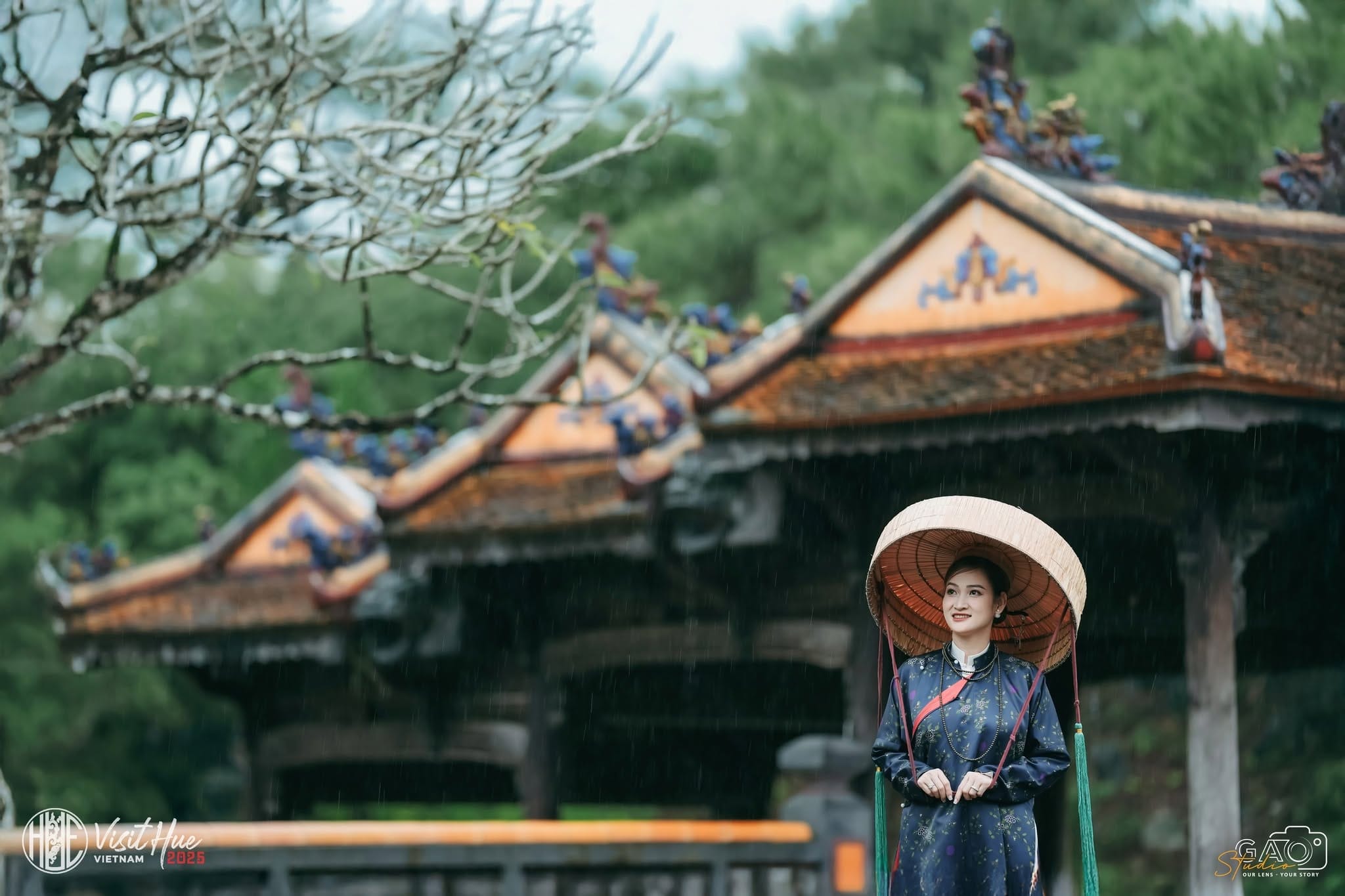
Discovering contemplative royal tombs and imperial history during central vietnam rainy season travel in Hue.
When the weather is manageable, however, rain suits Hue remarkably well. Mist and grey skies lend a softer atmosphere to the Imperial City, Thien Mu Pagoda and the royal tombs scattered along the Perfume River. Indoor and semi-covered cultural experiences, museums, cafés and slow meals featuring Hue’s distinctive cuisine also make it easier to adapt the day when showers interrupt outdoor plans.
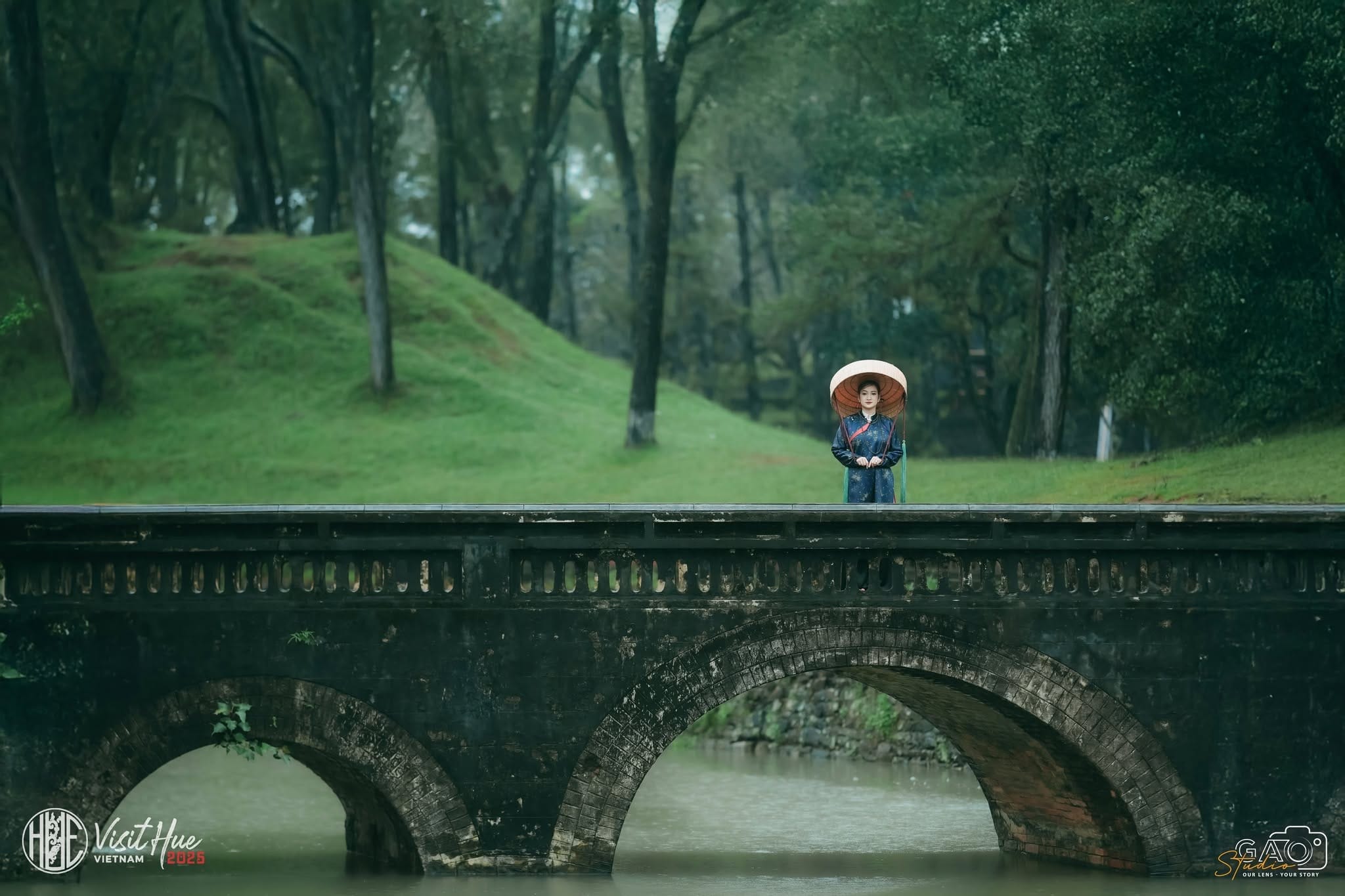
Rain gently rippling across the surface of the Perfume River beside the historic Thien Mu Pagoda.
Rather than trying to cover every monument, spend the clearer hours exploring imperial heritage and leave the wetter part of the day for food, spa time or a quiet stay. Luxury options such as Azerai La Residence Hue, Pilgrimage Village Boutique Resort & Spa and Vedana Lagoon Resort & Spa work particularly well for travelers who want the rainy season to feel restorative rather than restrictive.
Hoi An – Beautiful in Light Rain, Less Predictable in Storm Season
Hoi An can be wonderful in rain, but timing matters. Light showers make the Ancient Town quieter, and lanterns reflecting on wet streets create one of Central Vietnam’s most atmospheric scenes. Cooking classes, cafés, tailor visits and craft workshops also give travelers plenty to do indoors.
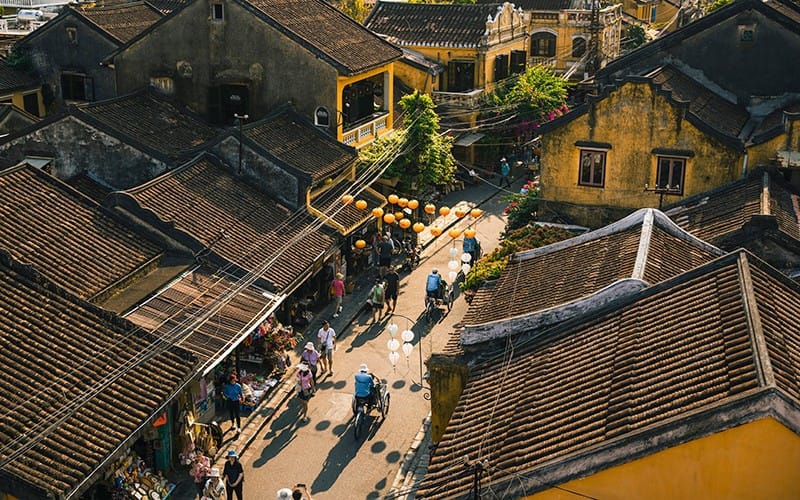
Amber and red lanterns casting warm glows over wet historic streets and quiet canals in Hoi An Ancient Town.
However, October and November can bring flooding and tropical storms, so this is not the period to romanticize every rainy day. Travelers visiting during the wetter months should monitor conditions carefully and avoid assuming every planned day will remain usable.
Da Lat – Cool Air, Waterfalls and Misty Highlands
Da Lat receives frequent rain during the wet season, but its cooler temperatures and highland setting appeal to travelers who prefer mist to tropical heat.
Pine forests, gardens, lakes and waterfalls become especially lush, while cafés and the city’s slower pace provide easy alternatives when outdoor plans need to pause. Travelers should be cautious with longer hikes after prolonged rain, when paths can become slippery.
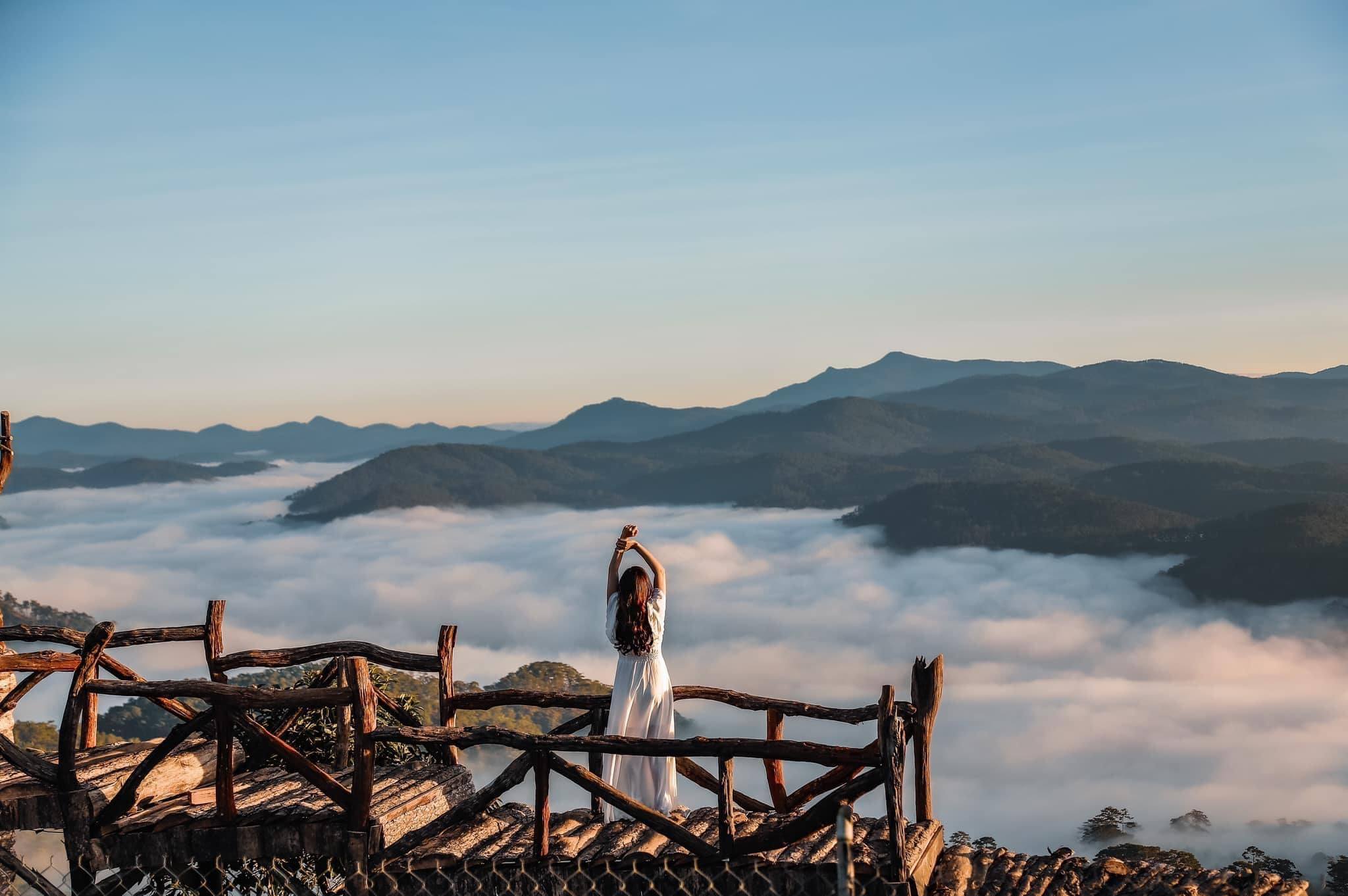
Travelers sipping hot spiced tea on a sheltered second-floor balcony overlooking misty moutains of Dalat
Rather than treating Da Lat purely as an outdoor destination, combine garden visits and countryside excursions with the city’s cafés, restaurants, spa experiences and slower indoor moments.
Mekong Delta – Tropical Greenery and Afternoon Showers
The Mekong Delta remains one of southern Vietnam’s most interesting rainy-season destinations because water is already central to the landscape.
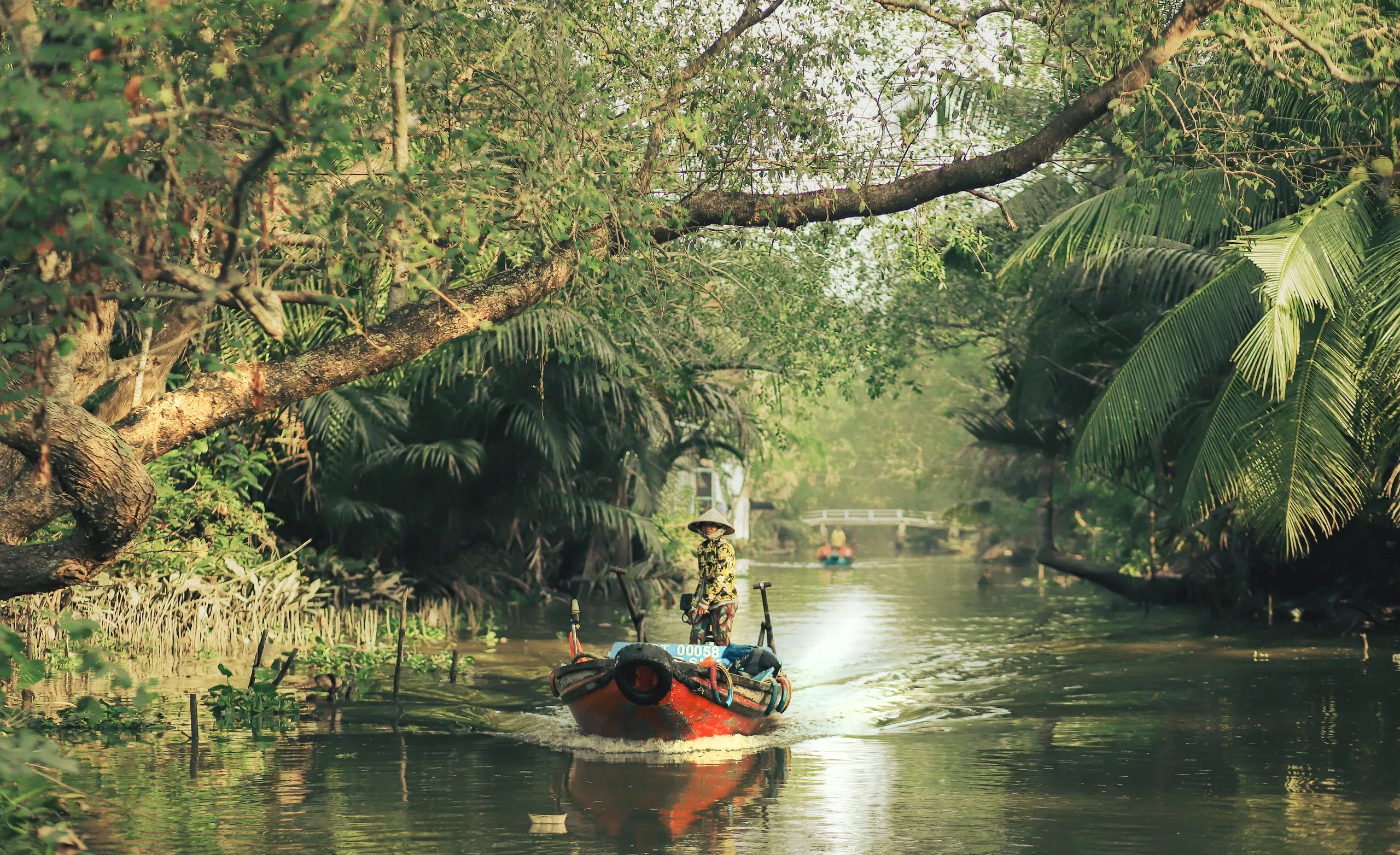
Navigating lush river channels and floating markets before afternoon showers on a southern vietnam rainy season travel excursion.
Mornings are the best time for river journeys, local markets, orchards and village visits. By the time afternoon showers arrive, travelers can move indoors for lunch, cooking experiences or time at their accommodation.
The wet season also brings lush vegetation and abundant tropical produce. A flexible itinerary works particularly well here: begin early, keep the afternoon light and allow local weather conditions to determine how much time is spent on the water.
How to Build a Rain-Friendly Itinerary
Put Outdoor Activities First
The foundation of a smooth vietnam rainy season travel plan is making the morning hours count. In both northern and southern provinces, rainfall typically develops during the late afternoon, leaving mornings bright, clear, and cooler.
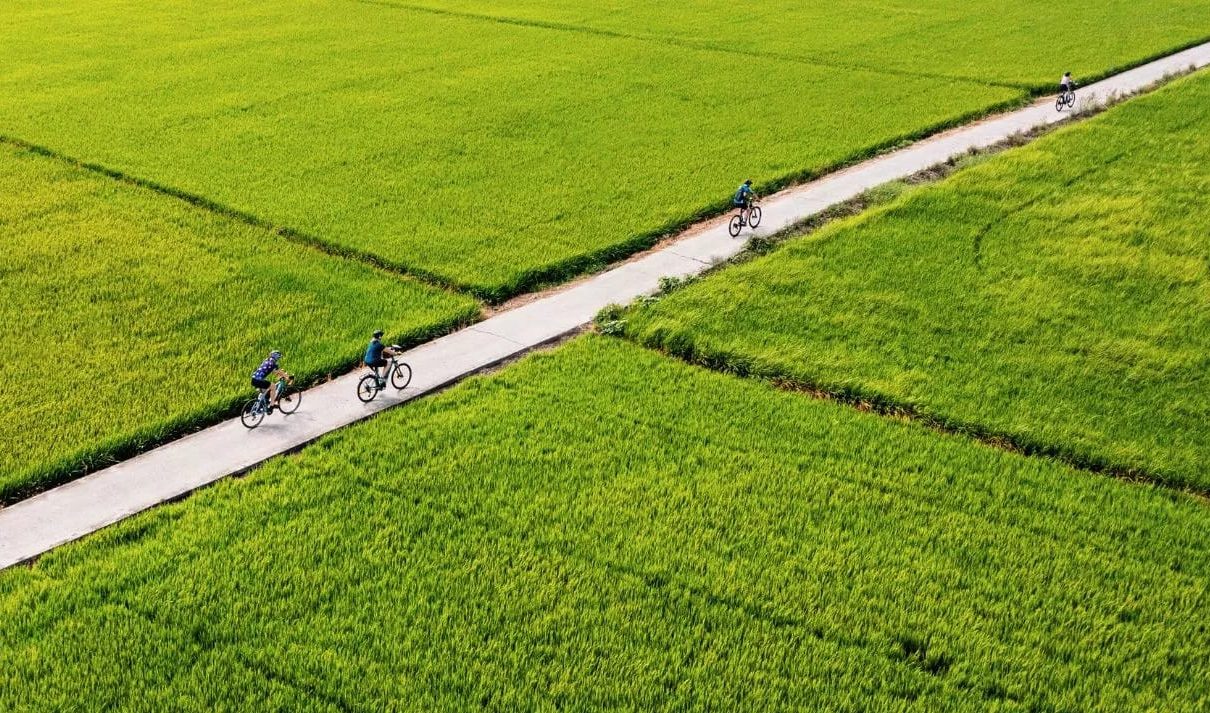
Taking an early morning ninh binh family tour under cool, overcast skies before afternoon showers arrive
For example, an early ninh binh family tour through Trang An caves, a bike ride through rice paddies, or a temple visit—between 07:00 and 11:00 AM allows you to complete active sightseeing before midday heat or storms arrive. This approach ensures your vietnam family vacation continues uninterrupted, letting everyone transition indoors naturally around lunchtime.
In southern Vietnam, this approach fits particularly well with the tendency for rain to arrive later in the day. In northern Vietnam, it creates a useful buffer if thunderstorms develop during the afternoon.
Keep One Flexible Block Every Day
Do not schedule every hour, A rigid, back-to-back schedule rarely works well during vietnam rainy season travel.
Leave at least one part of the day that can absorb a delayed tour, sudden shower or change of mood. A spa treatment, café stop, cooking class or long meal can become the backup plan without feeling like a compromise.
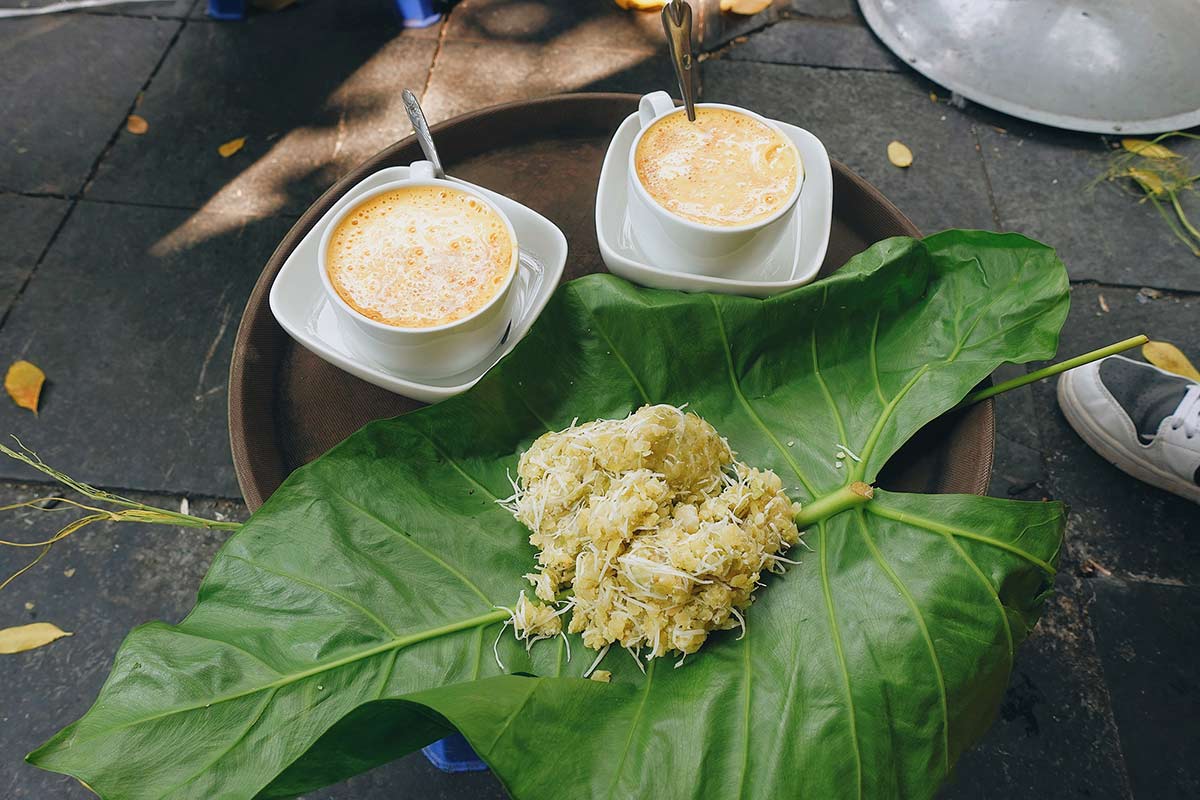
Leave at least one part of the day that can absorb a delayed tour
If a thunderstorm rolls through, this open block can easily be turned into an afternoon herbal spa session, a hands-on cooking class, or a slow family lunch. Embracing this adaptable rhythm embodies authentic slow travel vietnam and keeps Vietnam Family Holidays relaxing for all ages.
This is especially important on multi-city journeys. If every transfer, cruise and excursion is tightly connected, one weather disruption can affect several days.
Stay Somewhere Worth Spending Time
Rainy-season accommodation should be chosen differently from accommodation on a sightseeing-heavy dry-season trip. A good spa, beautiful common areas, a private pool, covered terrace or excellent restaurant can completely change how a wet afternoon feels. Nature retreats are particularly effective because guests can remain visually connected to the destination even when they are not outside.
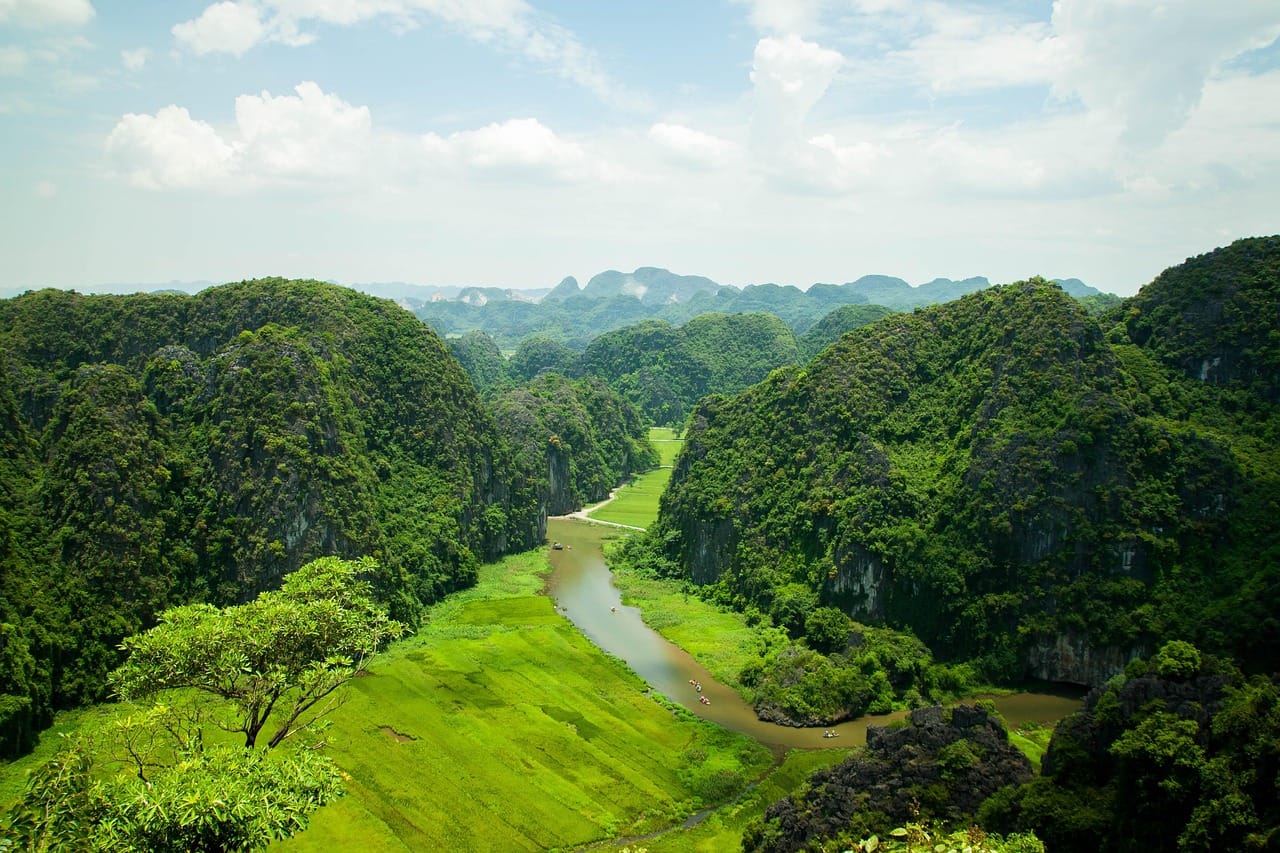
Planning predictable morning outings and restful afternoon breaks during southern vietnam rainy season travel.
This is one reason slower retreats can work so well in places such as Ninh Binh or Da Lat. The hotel is no longer simply where the sightseeing day ends. It becomes part of the journey itself.
What to Pack for Vietnam’s Rainy Season
Packing properly for vietnam rainy season travel means focusing on lightweight, fast-drying fabrics rather than heavy, suffocating raincoats. Comfortable shoes with good grip matter around stone steps and countryside paths. A waterproof phone pouch, small umbrella and dry bag are also useful.

Designing a rain-friendly daily schedule to ensure an effortless, relaxing vietnam rainy season travel experience.
Sun protection is still necessary because strong sun can return quickly after a shower. Vietnam Airlines similarly recommends lightweight waterproof gear and protecting electronics when traveling during the wet season. It is also worth leaving a little extra room in your luggage. Wet clothes, shoes and umbrellas become considerably more annoying when every bag has been packed to capacity.
What Should You Avoid During Heavy Rain?
The main rule is not to treat weather warnings as an inconvenience to overcome. Staying safe during vietnam rainy season travel requires respecting local weather warnings and avoiding high-risk outdoor activities.Avoid mountain roads, exposed viewpoints, trekking routes and boat journeys during severe storms or when local operators advise against travel. Landslides, flash flooding and rough water are genuine risks in some regions.
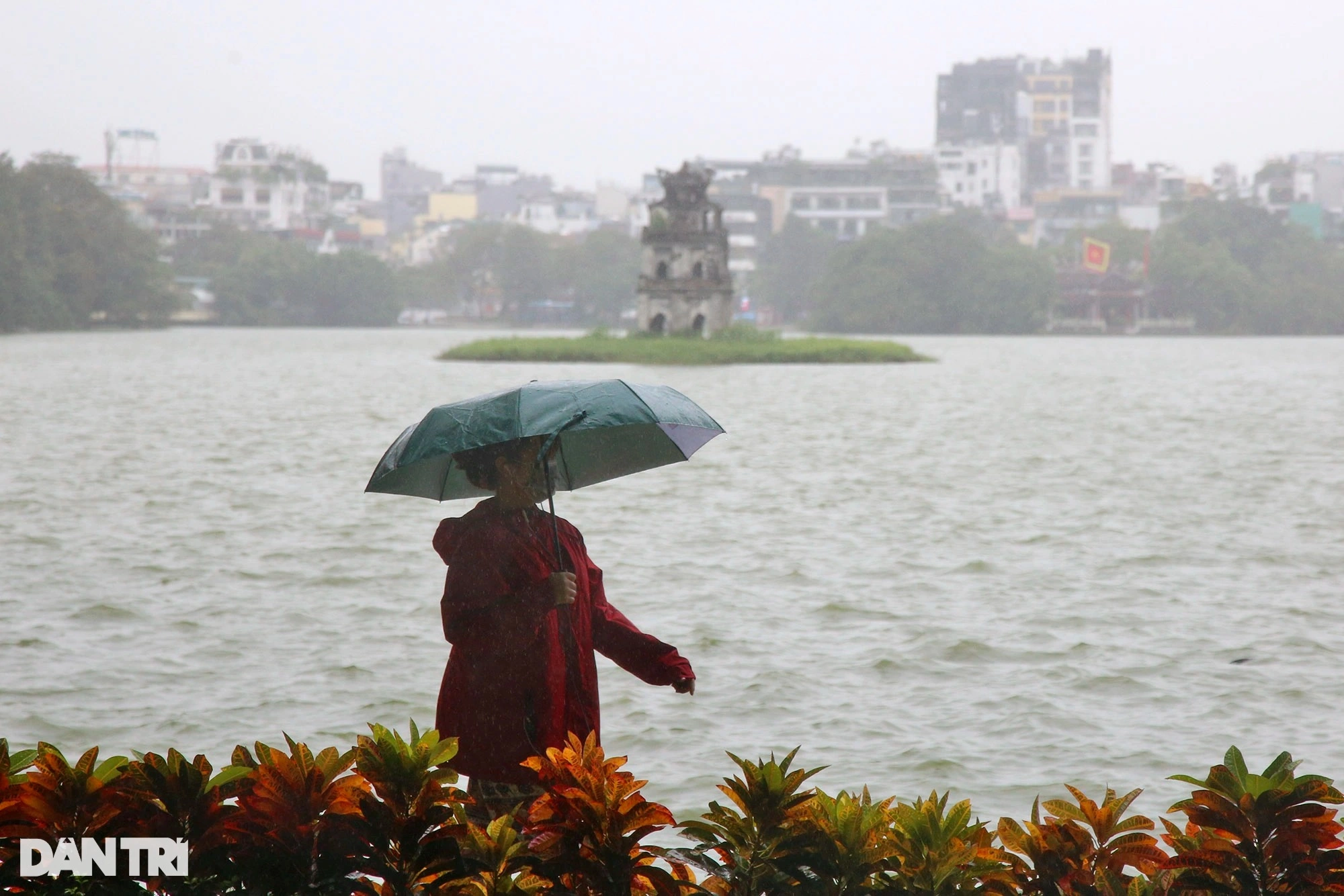
In Central Vietnam, flooding can rise quickly during prolonged rain. In northern mountain areas, road conditions can deteriorate after repeated storms. Official travel guidance consistently emphasizes greater caution around Central Vietnam’s storm period and mountainous routes during heavy rainfall.
If an attraction closes or a driver recommends delaying a journey, change the plan. Rainy-season travel works best when flexibility is part of the itinerary rather than a failure of it.
Jiva Hoa Lu Retreat: Immersive Heritage, Wellness & Rainy-Day Seclusion in the Trang An Core
For travelers planning northern vietnam rainy season travel, Jiva Hoa Lu Retreat stands out as an exceptional sanctuary set directly within the UNESCO World Heritage core of the Trang An Landscape Complex. Designed in the architectural style of a traditional Tonkinese village with curved terracotta tile roofs, dark timber frames, and covered stone colonnades, the retreat ensures that inclement weather enhances rather than interrupts your cultural journey.
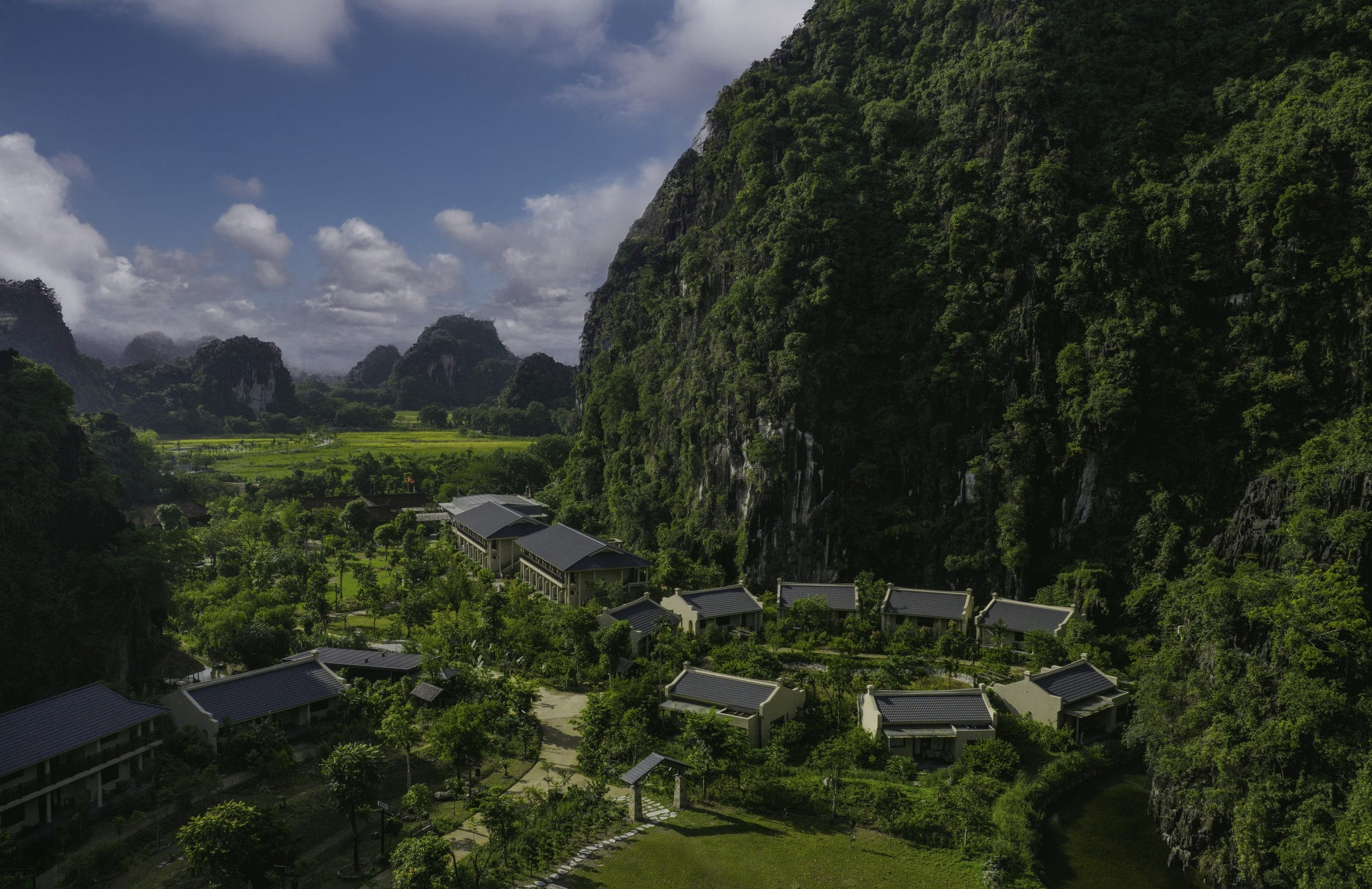
enjoying warm artisanal tea and local delicacies in an open-air pavilion overlooking green paddy feilds
When rain sweeps across the valley, Jiva becomes an all-inclusive haven where wellness rituals, refined culinary experiences, and screen-free crafts allow you to enjoy a complete cultural immersion indoors. Once the rain clears, its premier location makes it the ultimate launchpad to begin an outdoor ninh binh family tour and explore iconic cultural landmarks throughout the heritage core.
Immersive Indoor Wellness, Art, and Farm-to-Table Gastronomy on Rainy Days
When tropical rain gathers between the limestone peaks, Jiva allows guests to experience northern Vietnamese culture at an unhurried, deeply restorative tempo. Visitors can spend wet afternoons at Chỉ Quán Spa, unwinding with therapeutic herbal compressions, warm foot baths, and ancestral body treatments formulated with regional medicinal herbs. At the tea pavilion, mindful tea ceremonies introduce travelers to rare artisanal infusions while rain ripples across surrounding lotus ponds.

Lounging beside the private infinity pool of a private pool villa ninh binh at Jiva Hoa Lu Retreat.
For children and families, the retreat’s Kids’ Club hosts engaging indoor activities, including traditional dó-paper making, river stone painting, and local folk art workshops. In the evening, gather at Nhật Yên Restaurant to savor authentic Tonkinese cuisine and international specialties made from fresh farm ingredients.
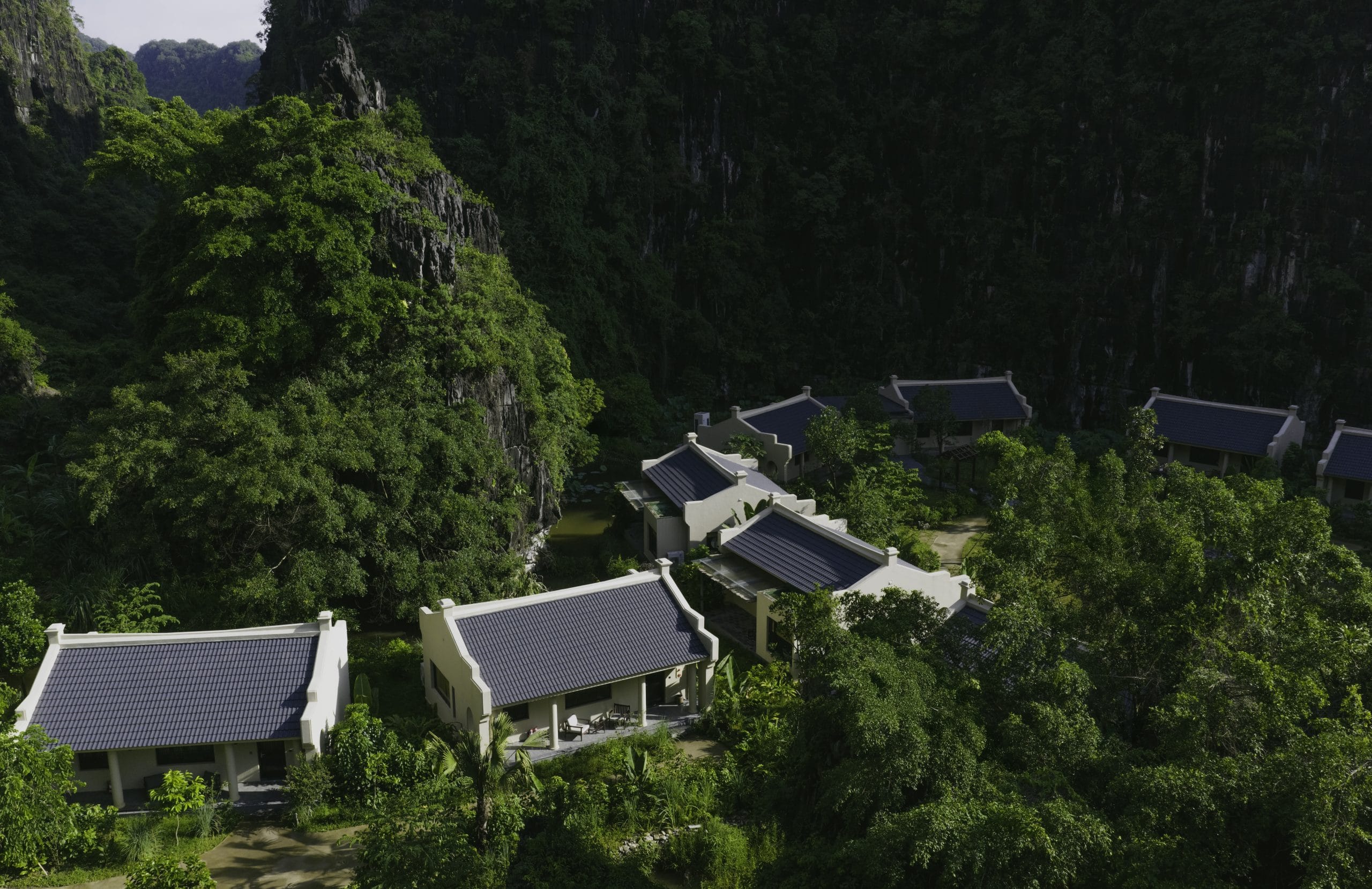
Savoring indoor wellness and private villa luxury during vietnam rainy season travel at Jiva Hoa Lu Retreat
Reserving a spacious Family villa with pool or an exclusive private pool villa ninh binh ensures that both parents and young adventurers have generous space to relax, swim beneath covered verandas, and experience the quiet luxury of Vietnam Family Holidays and romantic couples travel vietnam.
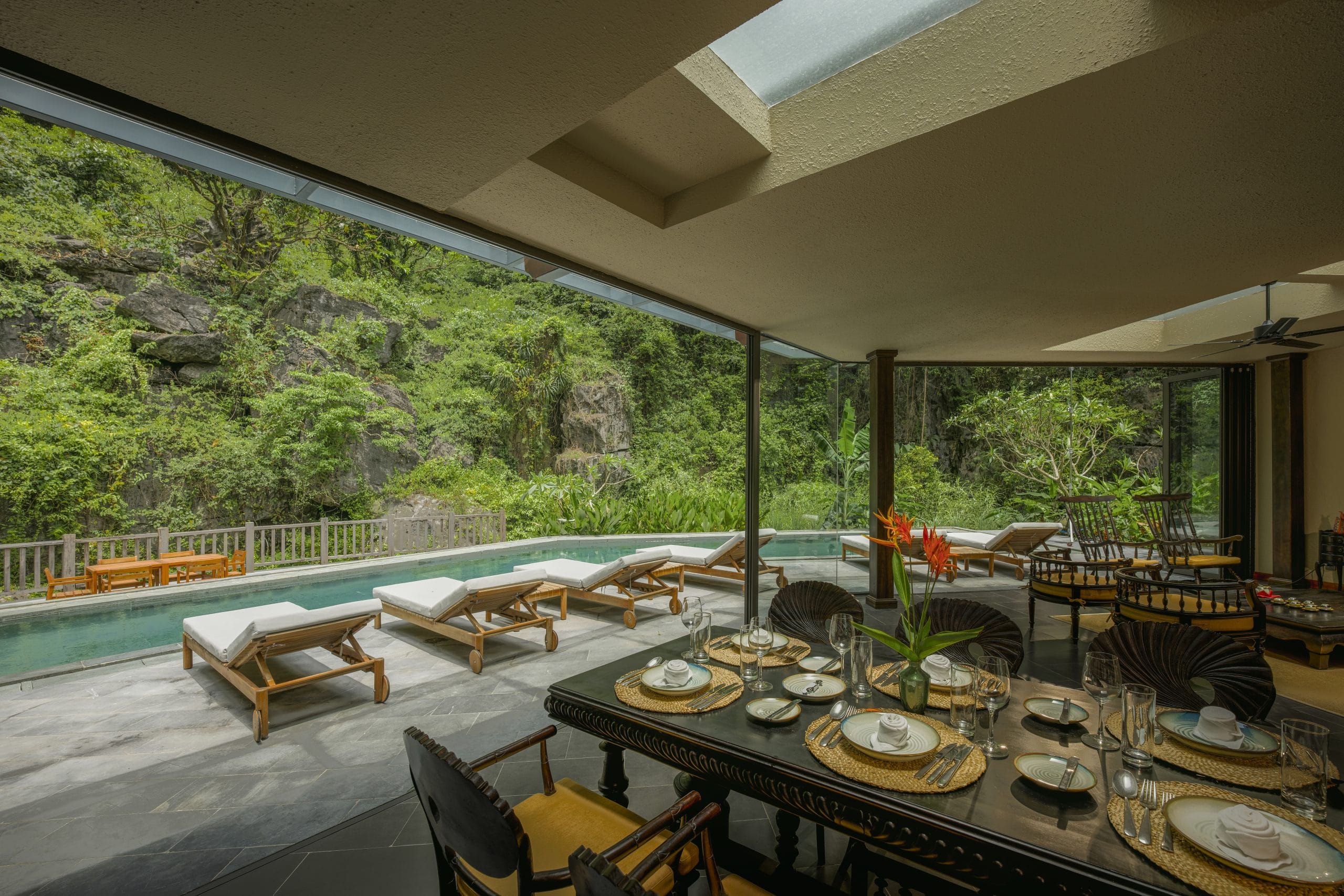
Unwinding in a spacious Family villa with pool during a peaceful, unhurried vietnam family vacation
The Ultimate Launchpad for Trang An Heritage Discoveries When Skies Clear
As soon as the tropical rain breaks, Jiva Hoa Lu Retreat places you in the ideal spot to resume an active ninh binh itinerary without transit delays. Situated right in the heritage heartland, guests can set out immediately to explore the best places to visit in ninh binh while the limestone cliffs are draped in atmospheric low mist.

Setting out on an unhurried ninh binh family tour directly from your luxury retreat as soon as the rain clears
You can take a private sampan from nearby Trang An boat pier to glide through subterranean river caves, wander the ancient stone courtyards of Hoa Lu Ancient Capital, or explore the multi-tiered cave shrines of Bich Dong Pagoda. Complimentary bicycles allow families to ride along flat village lanes past emerald rice paddies and lotus pools, uncovering secluded ninh binh hidden gems before daytime crowds arrive.
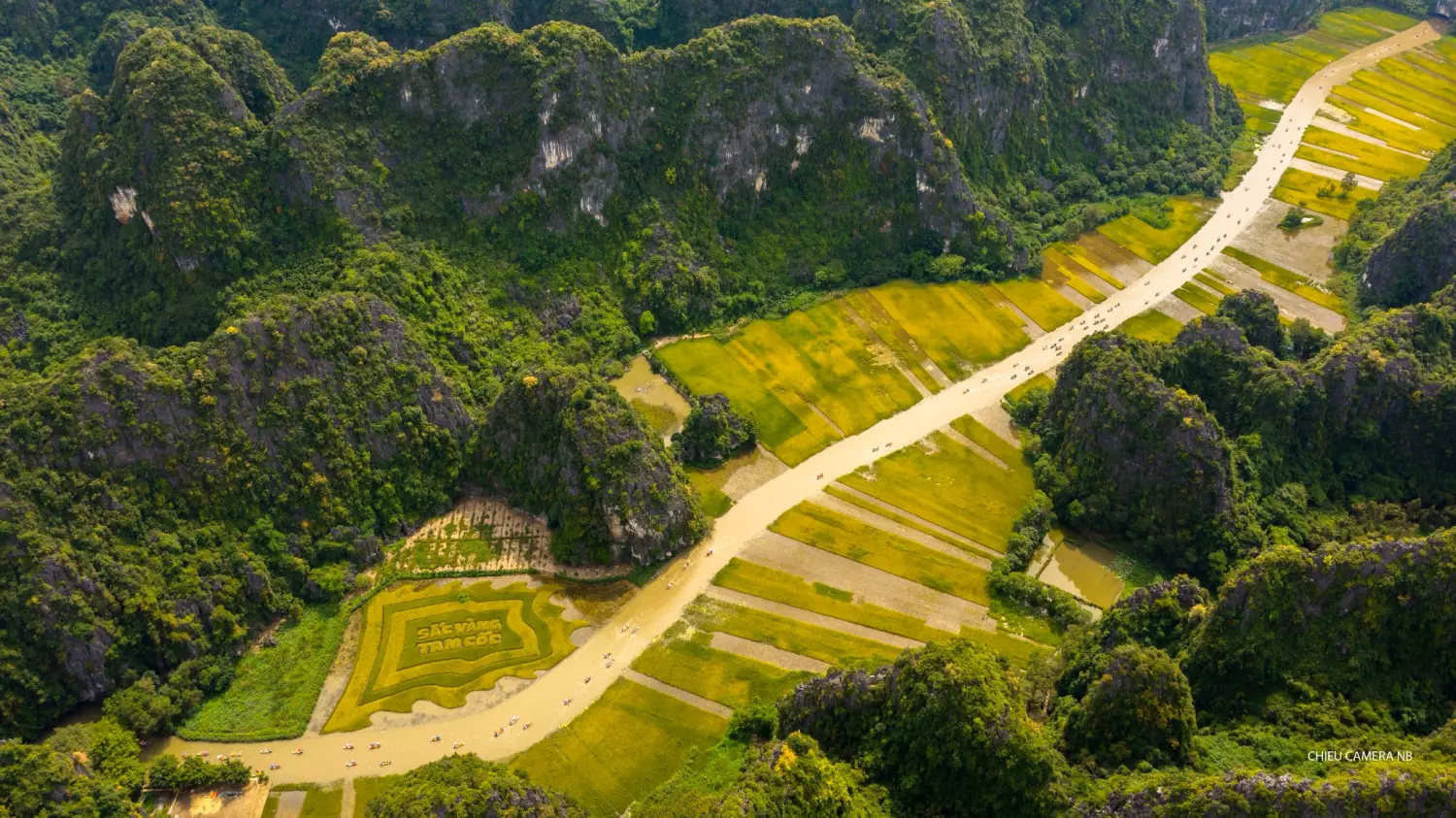
Discovering ancient cultural landmarks and the best places to visit in ninh binh under dramatic misty skies.
Seamlessly alternating between rain-sheltered retreat living and easy outdoor sightseeing makes Jiva the gold standard for an authentic vietnam family vacation and high-end slow travel vietnam.
Ready to Experience Jiva?
Immerse yourself in a stay where northern Vietnamese architecture meets world-class comfort. At Jiva Hoalu Retreat, each accommodation blends locally inspired décor with modern luxuries, offering a unique fusion of culture, tradition, and elegance. Whether you’re here for a romantic getaway, a family escape, or a tranquil retreat, Jiva promises unforgettable moments in the heart of Ninh Binh.
Contact Us:
📞 +84 933 006 886
📧 inquiry@jivahoaluretreat.com
🌐 https://jivahoaluretreat.com/