EN
- VN
- FR
Practicing sustainable travel vietnam is never about sacrificing comfort or bypassing the country’s most iconic landscapes.

Embracing mindful itineraries and low-impact exploration on an inspiring sustainable travel vietnam vacation.
Instead, it represents a thoughtful shift toward traveling at a slower pace, actively supporting host communities, respecting living traditions, and making conscious choices that safeguard Vietnam’s natural ecosystems for generations to come.
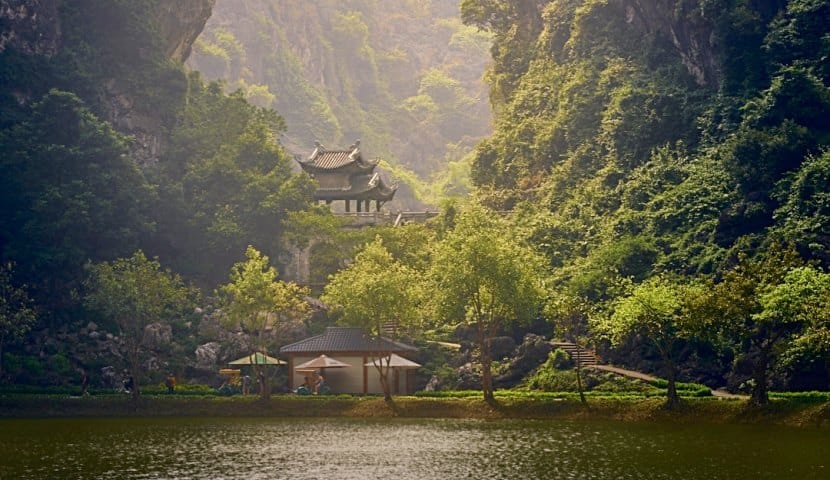
strolling along a quiet rural lane bordered by towering karst cliffs and lush vegetation.
From the emerald waterways of the Trang An heritage core to remote mountain communities, conscious exploration transforms visitors from passive observers into active custodians of local heritage.
Clear morning sunlight illuminating an untouched mountain valley free from tourist crowds.
Around the globe and across Southeast Asia, the conversation surrounding tourism has expanded far beyond simple ecological labels or eliminating plastic straws.

Prioritizing certified eco-lodges and verified responsible tourism vietnam operators to protect vulnerable habitats.
Today, sustainable travel vietnam reflects a sophisticated understanding of how visitors interact with local cultures, environmental biodiversity, and regional economic distribution.

Close-up of a handcrafted wooden sign outlining community rules for zero-waste travel in a rural sanctuary.
The contemporary shift toward sustainable travel vietnam mirrors clear worldwide consumer data. Extensive research spanning over 32,000 travelers across 34 global markets reveals that 93% of modern wanderers actively seek sustainable travel choices, while 73% insist that the money they spend during their vacations directly benefits local communities.

Supporting indigenous culture and rural livelihoods through authentic community-based tourism across northern valleys.
Furthermore, 69% express a deep commitment to leaving the places they visit in better condition than they found them. Rather than seeking generic sightseeing, international travelers are gravitating toward responsible tourism vietnam models that protect native species and foster cross-cultural understanding.
Recent travel trends indicate that 43% of international visitors plan to avoid overcrowded hotspots in favor of tranquil, nature-focused destinations, while 36% actively seek accommodations with recognized sustainability practices.
In Vietnam, this evolution is evident as families and couples bypass congested bus tours in favor of bicycle explorations, certified boutique eco-lodges, and village-based cultural workshops. Embracing sustainable travel vietnam allows travelers to build itineraries that protect vulnerable ecosystems while ensuring tourism revenue remains with independent local workers.
To make conscious decisions on the road, travelers must first understand that sustainable travel vietnam extends far beyond superficial “green” labels or simply declining hotel housekeeping. Sustainable tourism is fundamentally built upon three interdependent pillars recognized by global conservation bodies and Vietnam Tourism: People, Planet, and Prosperity (Profit).

Balancing environmental care, cultural heritage, and local livelihoods through sustainable travel vietnam.
In everyday practice, this framework requires considering how our journeys impact the host communities who welcome us, the fragile natural ecosystems we explore, and the equitable distribution of the tourism revenue we generate.
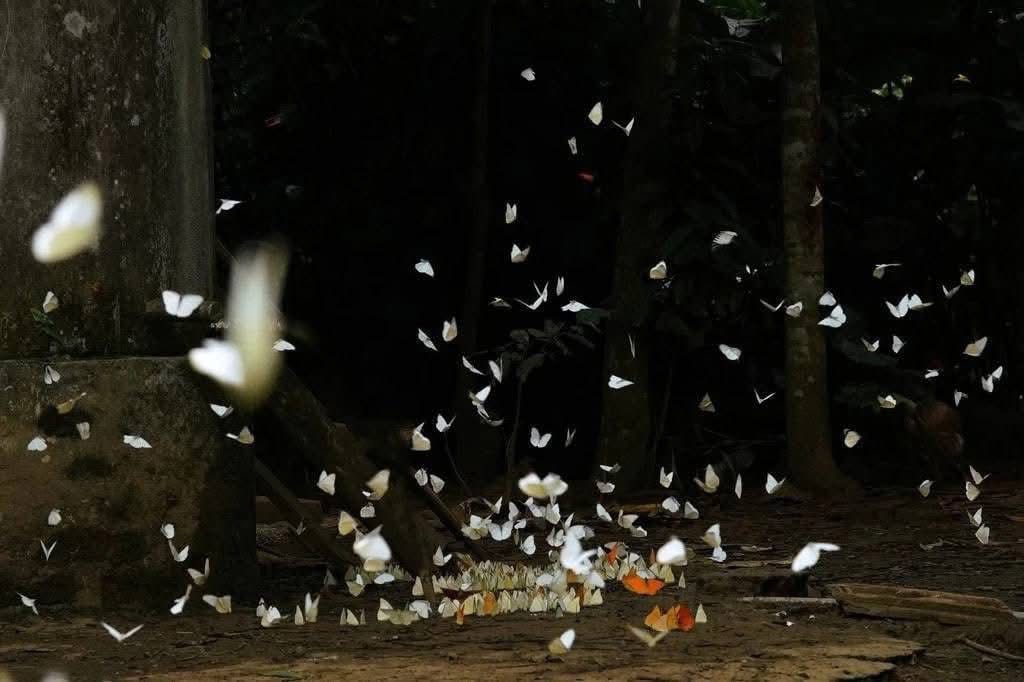
Rather than viewing travel as a one-way consumption of sights, practicing responsible tourism vietnam transforms the journey into a mutually beneficial exchange.
The social dimension of sustainable travel vietnam places human dignity and cultural preservation at its heart. Host communities are not scenic backdrops or actors staged for photo opportunities; they are the custodians of centuries-old agricultural customs, crafts, and spiritual traditions.
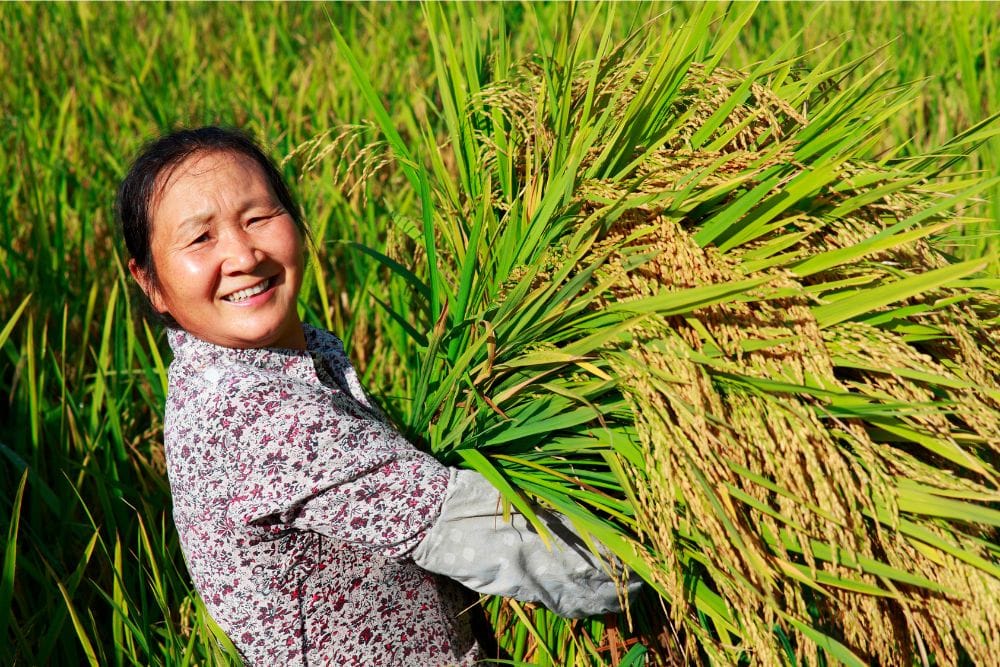
Discovering untouched ecosystems, ancient forests, and marine sanctuaries through sustainable travel vietnam.
Supporting the “People” pillar means hiring licensed local guides who share firsthand narratives of their ancestral lands, honoring modest dress codes when visiting sacred pagodas or communal houses, and seeking permission before photographing residents.

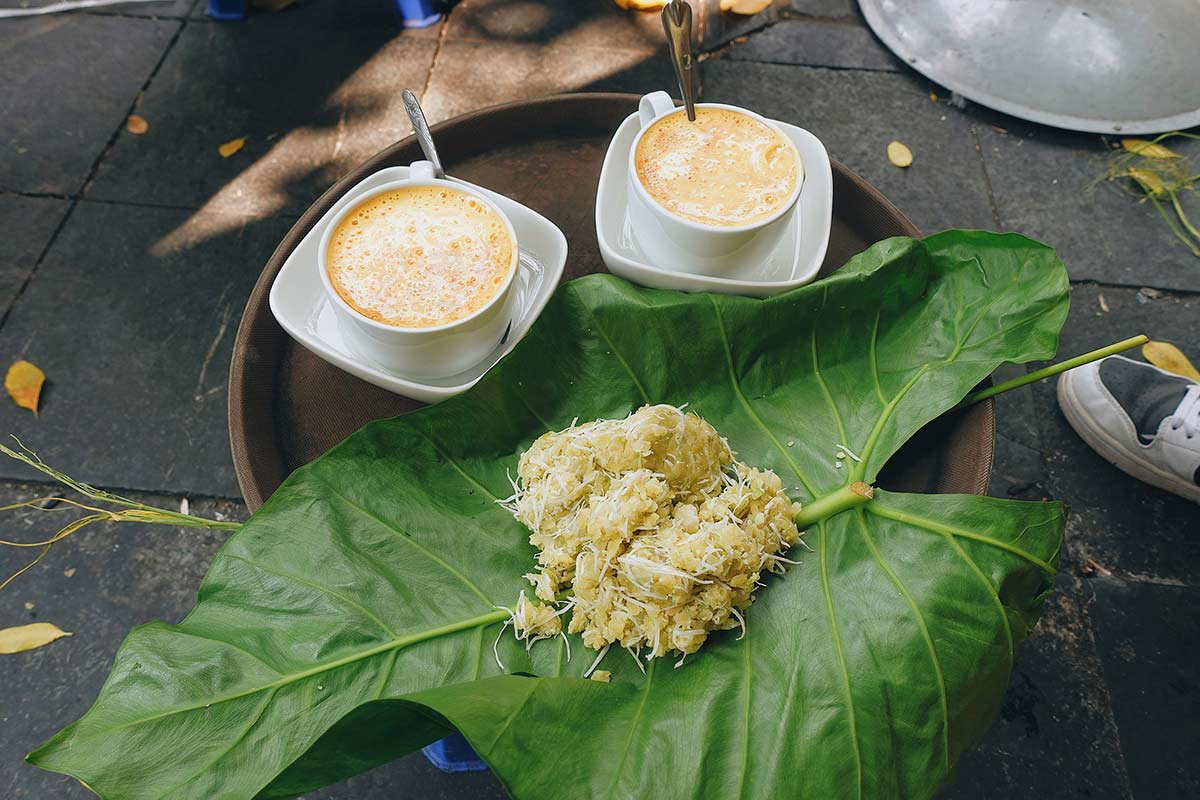
Travelers enjoying a farm-to-table lunch prepared with ingredients sourced from neighboring gardens.
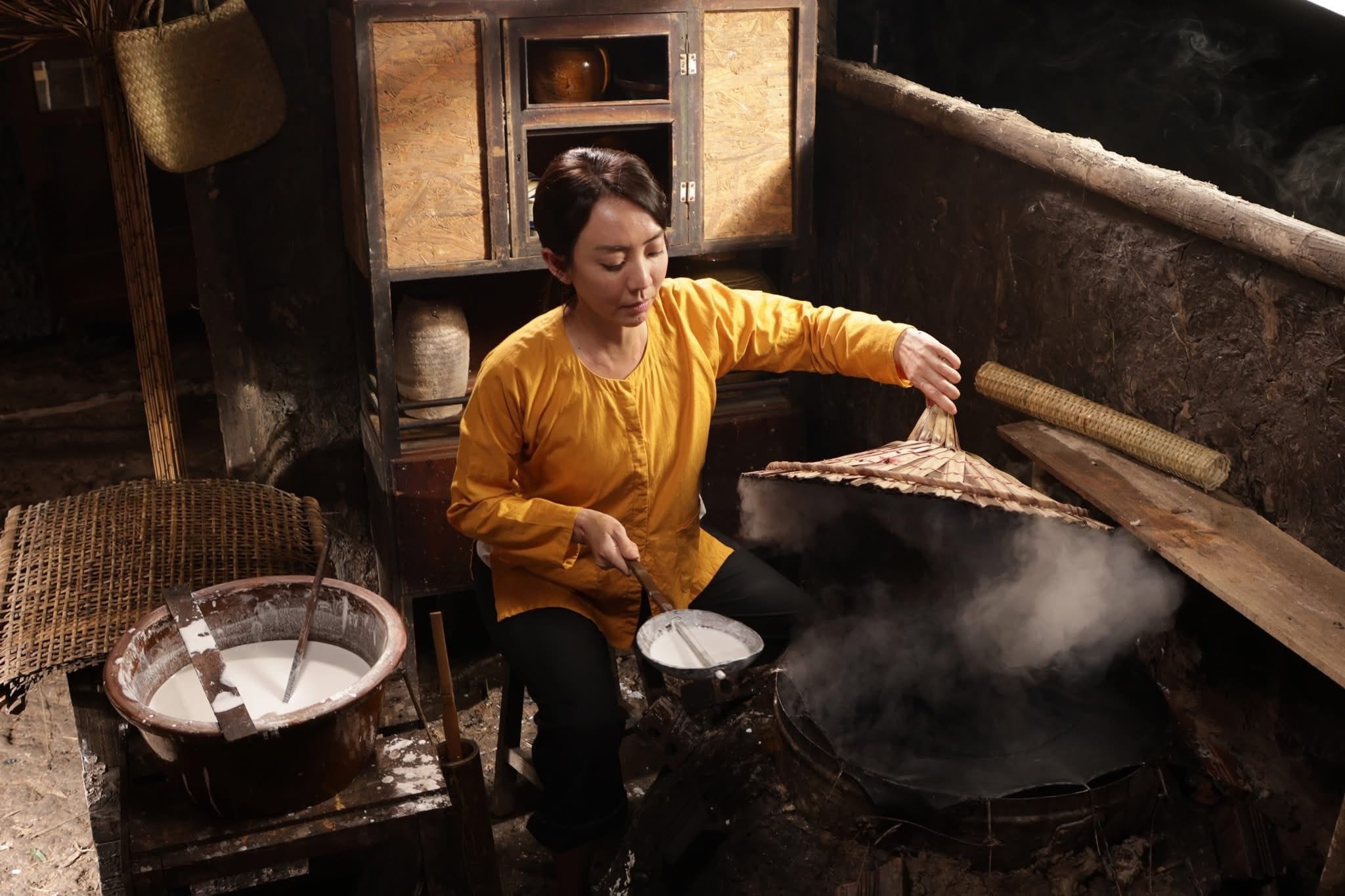
Through authentic community-based tourism, international families and couples can engage in meaningful cultural exchanges that foster mutual respect and ensure that ancient traditions continue to thrive.
For inspiration, explore our guide to Vietnam travel tips before planning your route.
Vietnam’s extraordinary natural landscapes—from the vertical limestone pinnacles of Ninh Binh to the ancient primeval canopy of Cuc Phuong National Park—face escalating pressures from rapid tourist development.
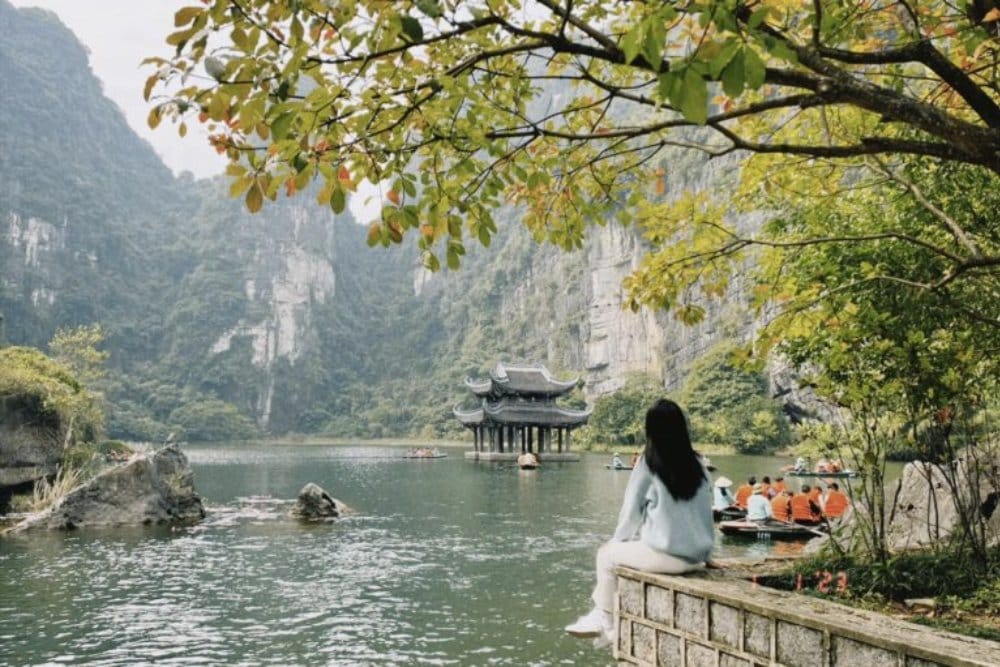
A breathtaking panoramic view of mist-shrouded limestone peaks rising above an intact wilderness valley.
Under the “Planet” pillar, eco-friendly travel vietnam demands that visitors tread lightly across every habitat. This translates into concrete daily habits: carrying reusable water bottles to curb plastic pollution, leaving no trace along trekking paths, avoiding the purchase of souvenirs sourced from endangered wildlife, and strictly rejecting tours that exploit animals.
In places like the UNESCO-protected Trang An Landscape Complex, adhering to established conservation regulations ensures the long-term survival of delicate karst wetlands and endangered fauna like the Delacour’s langur.
For travellers looking for a more private and considered stay, our guide to private luxury villas in Vietnam offers another perspective on combining comfort with a slower travel experience.
A truly sustainable travel ecosystem must be economically viable for the local population. Too often in mass tourism, the majority of travel expenditure leaks away to foreign corporations or distant tour aggregators, leaving local hosts with minimal benefit.

Under the “Prosperity” pillar, conscious travelers intentionally steer their financial footprint into the grassroots economy. By patronizing family-run noodle stalls, purchasing woven goods directly from craft village cooperatives, and booking locally owned heritage retreats, visitors ensure that tourism revenues circulate directly into household incomes.
Embracing this principle of sustainable tourism in ninh binh helps rural communities preserve their traditional ways of life while achieving sustainable economic growth.
True sustainability in travel is defined by the spaces where environmental protection, intact wilderness, and community traditions flourish side by side.
Across Vietnam, a growing collection of nature reserves, national parks, and rural provinces offer travelers opportunities to support active wildlife rehabilitation, safeguard ancient rainforests, and immerse themselves in pristine landscapes far removed from mass tourism corridors.
Below are ten remarkable destinations where conscious travelers can experience authentic stewardship on a sustainable travel vietnam itinerary.
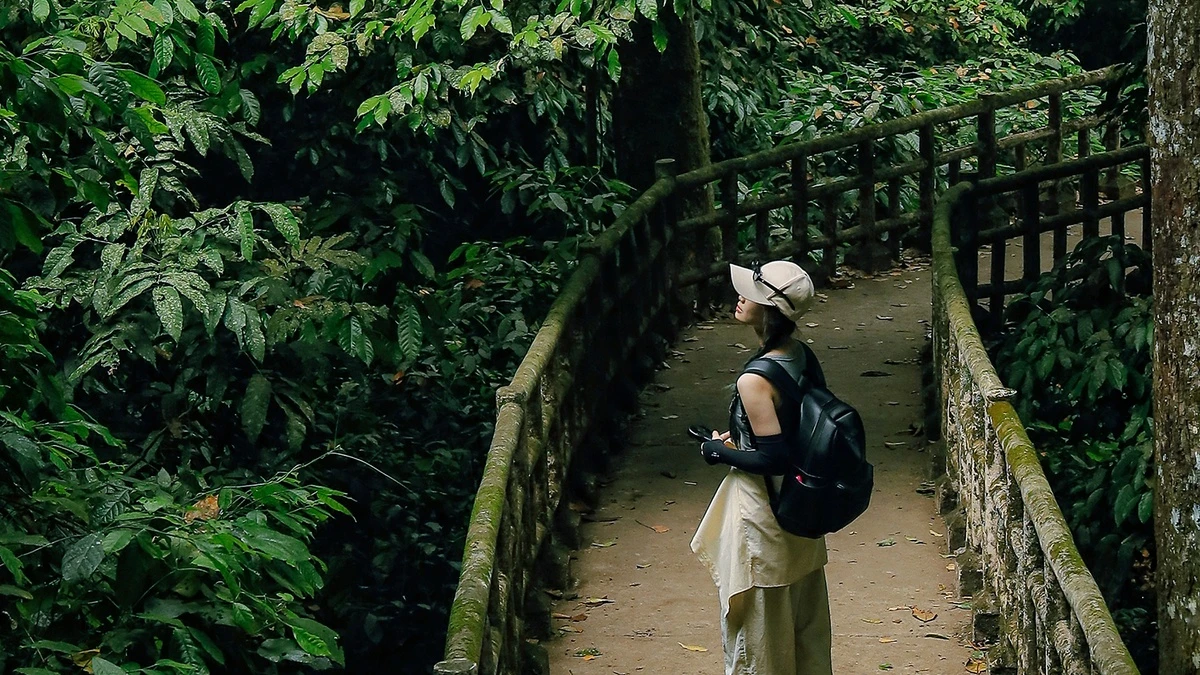
Ninh Binh represents one of the most compelling examples of how biodiversity conservation and rural livelihoods coexist within a shared terrain.

In the ancient limestone heart of Cuc Phuong National Park—Vietnam’s earliest established national park—travelers can step directly into field conservation by visiting the Endangered Primate Rescue Center (EPRC).
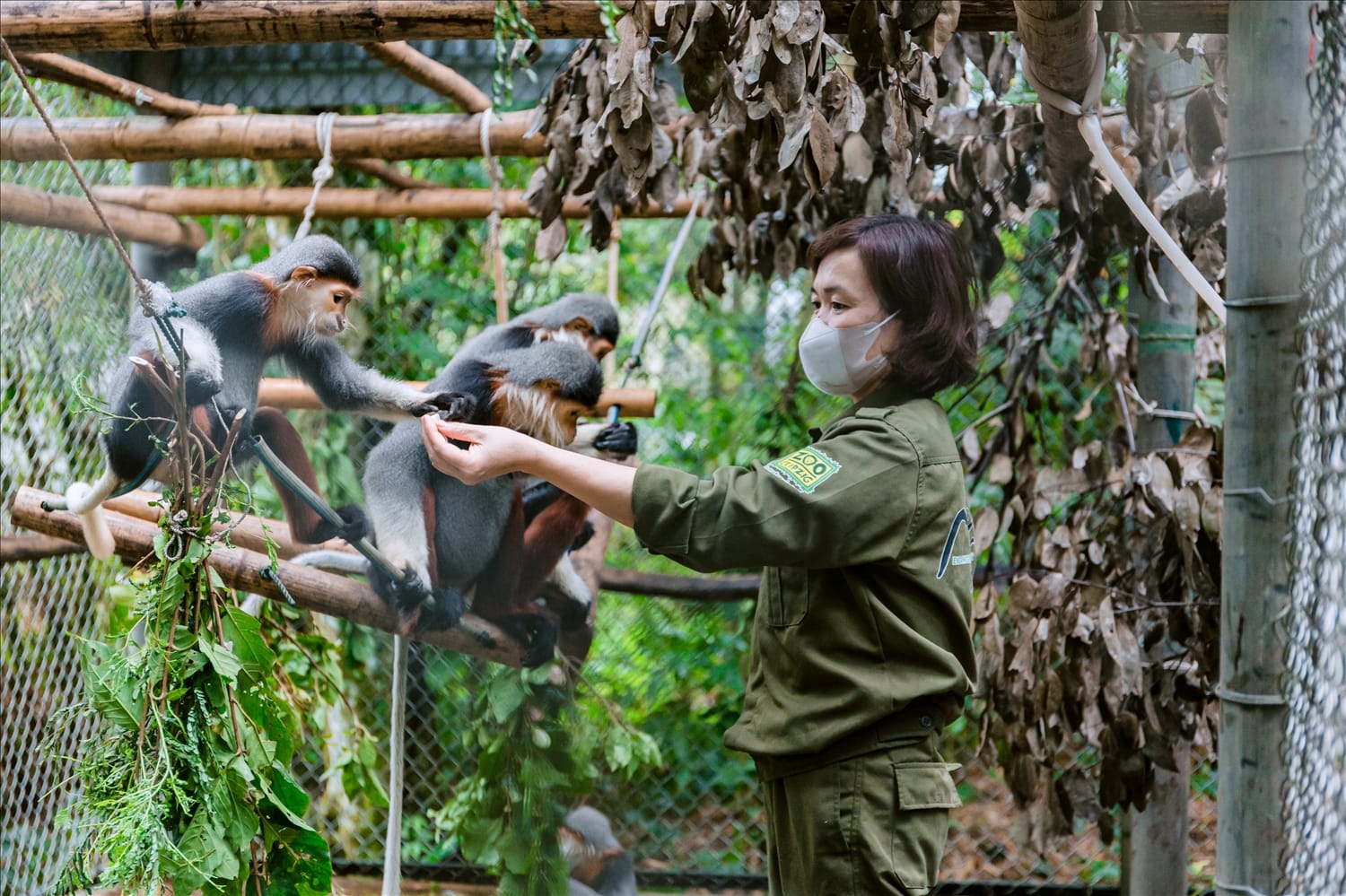
Dedicated to rescuing, rehabilitating, and breeding some of the world’s rarest arboreal primates, this sanctuary allows visitors to observe critically endangered species, such as Delacour’s langurs, Cat Ba langurs, and Golden-headed langurs, under the guidance of expert wildlife biologists. Strict educational protocols ensure that animals are never touched or exploited, making it a gold standard for animal welfare in sustainable travel vietnam.

Further south along the tranquil river branches and floodplains of the Trang An and Gia Vien basins, visitors can take part in hands-on agrarian preservation.


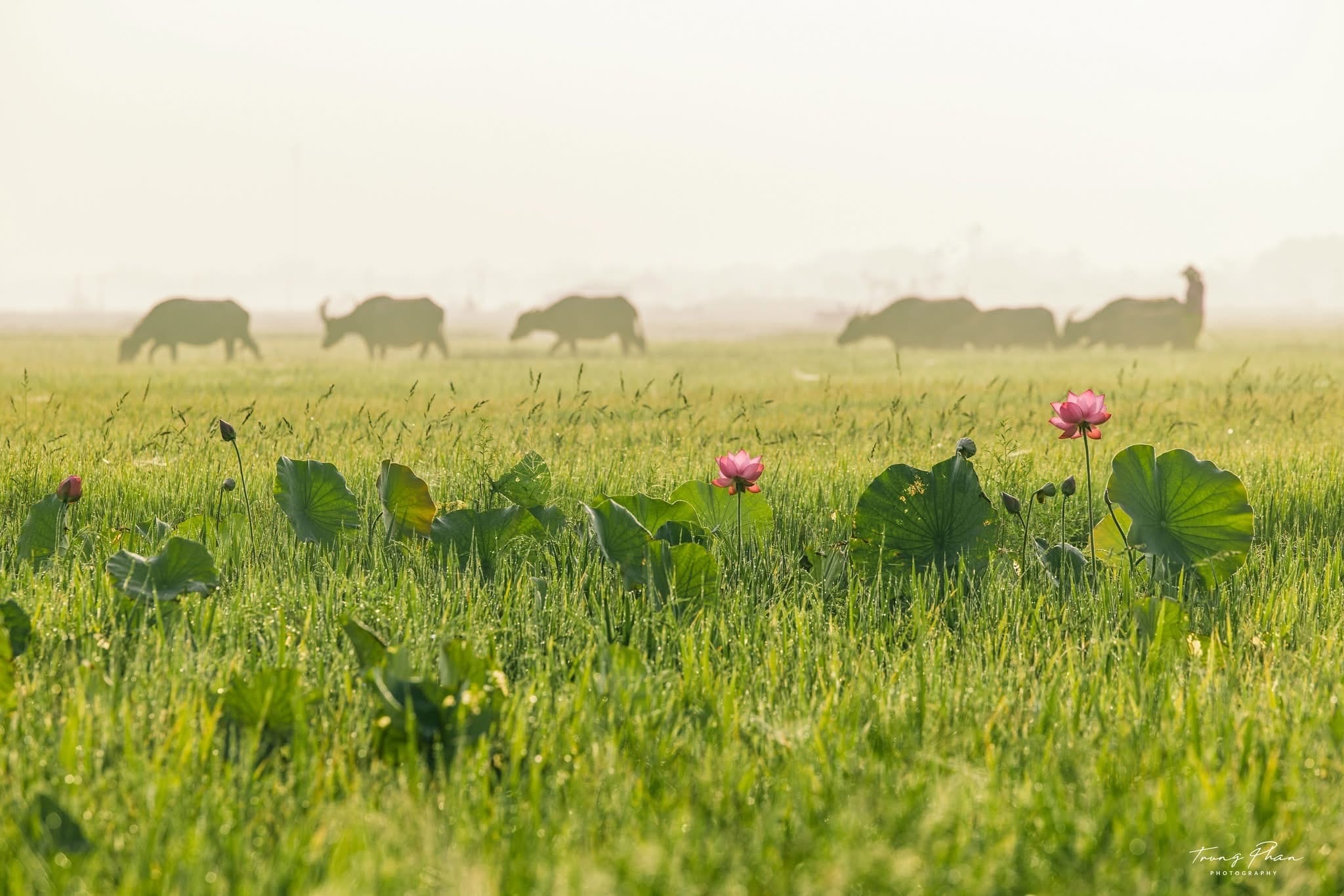
Rather than observing farming from afar, travelers can step into the earthen fields alongside local families to transplant young wet rice seedlings into nutrient-rich mud, gaining a tangible appreciation for the centuries-old agricultural rhythm that shaped by the Red River Delta, Đáy river, Hoàng Long river & Đào river.
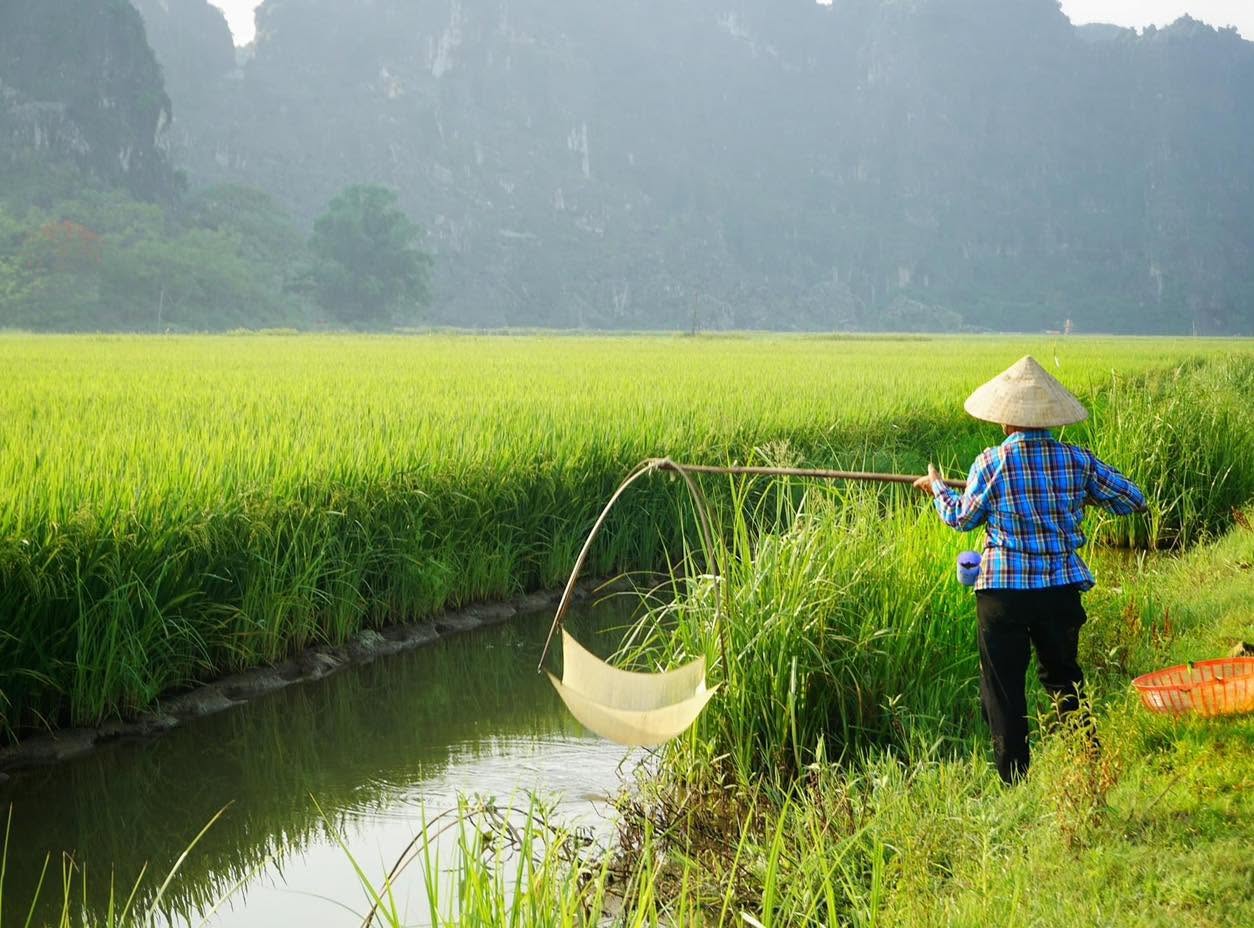
Down on the quiet river arms at the foot of vertical karst cliffs, you can join village fishermen to cast woven circular lift nets (cất vó) and deploy bamboo fish traps. These intimate, low-impact exchanges channel tourism income directly to rural households while preserving traditional farming practices without ecological disruption.

For a more considered stay, explore our guide to the best places to stay in Ninh Binh and discover accommodation options suited to a slower, more immersive journey.
Covered by dense tropical evergreen forest, Phong Nha-Ke Bang National Park preserves some of the oldest and most extensive karst cave systems on earth.
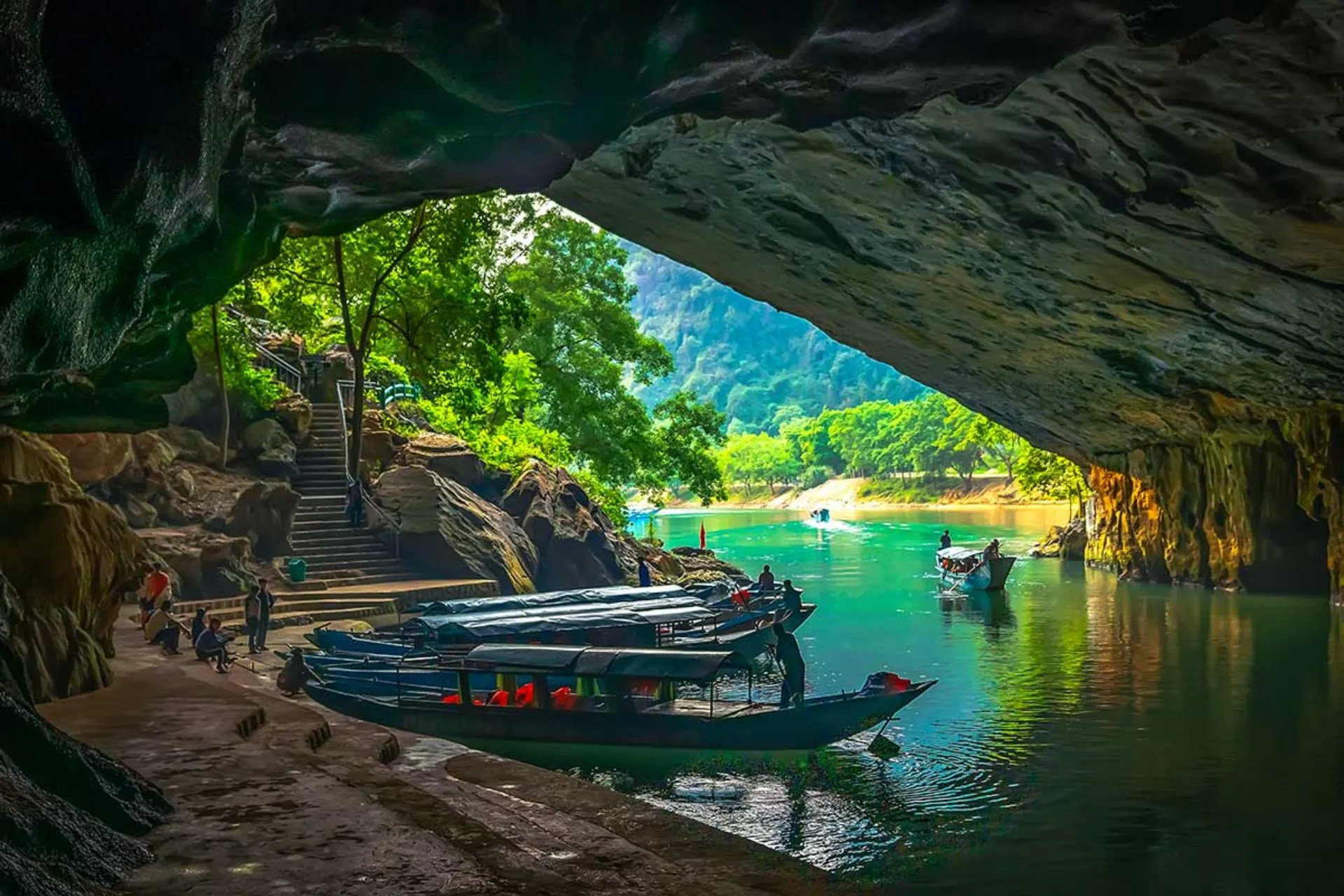
Sustainable exploration here is built on strict carrying capacity regulations: only small, permit-controlled trekking groups are allowed into delicate caverns like Son Doong, Tu Lan, and Hang En.
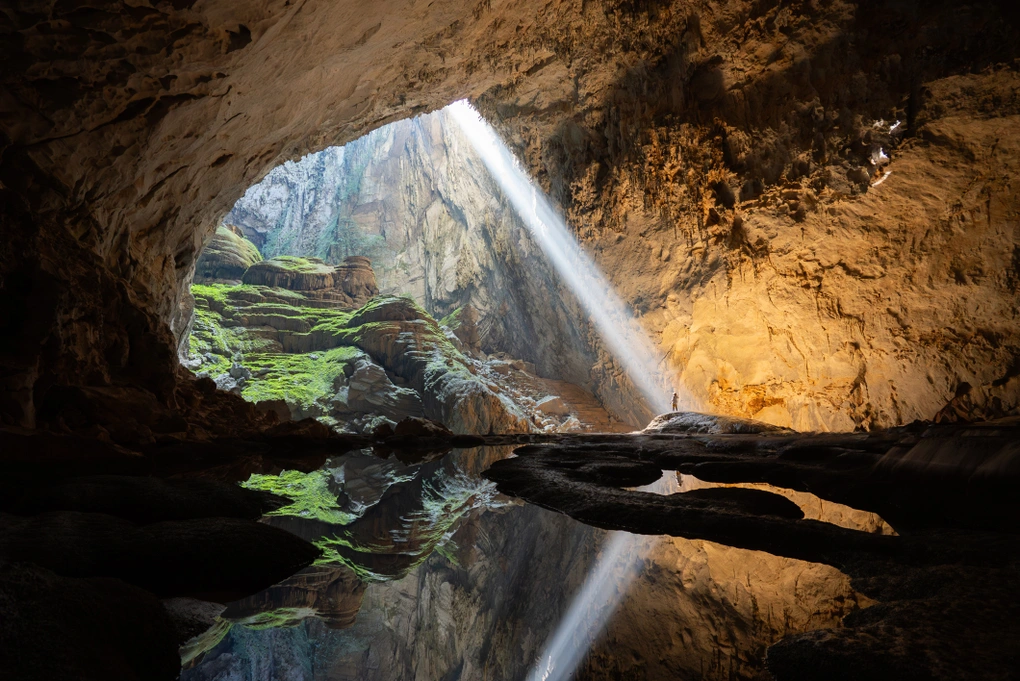
Crucially, local conservation tour operators have retrained former jungle loggers and illegal poachers as expert safety guides and cave porters, creating lucrative, dignity-affirming green careers that protect the virgin rainforest from deforestation.
Enclosed by jagged limestone mountains and lush primary forests, Pu Luong stands as a model for low-impact community conservation.

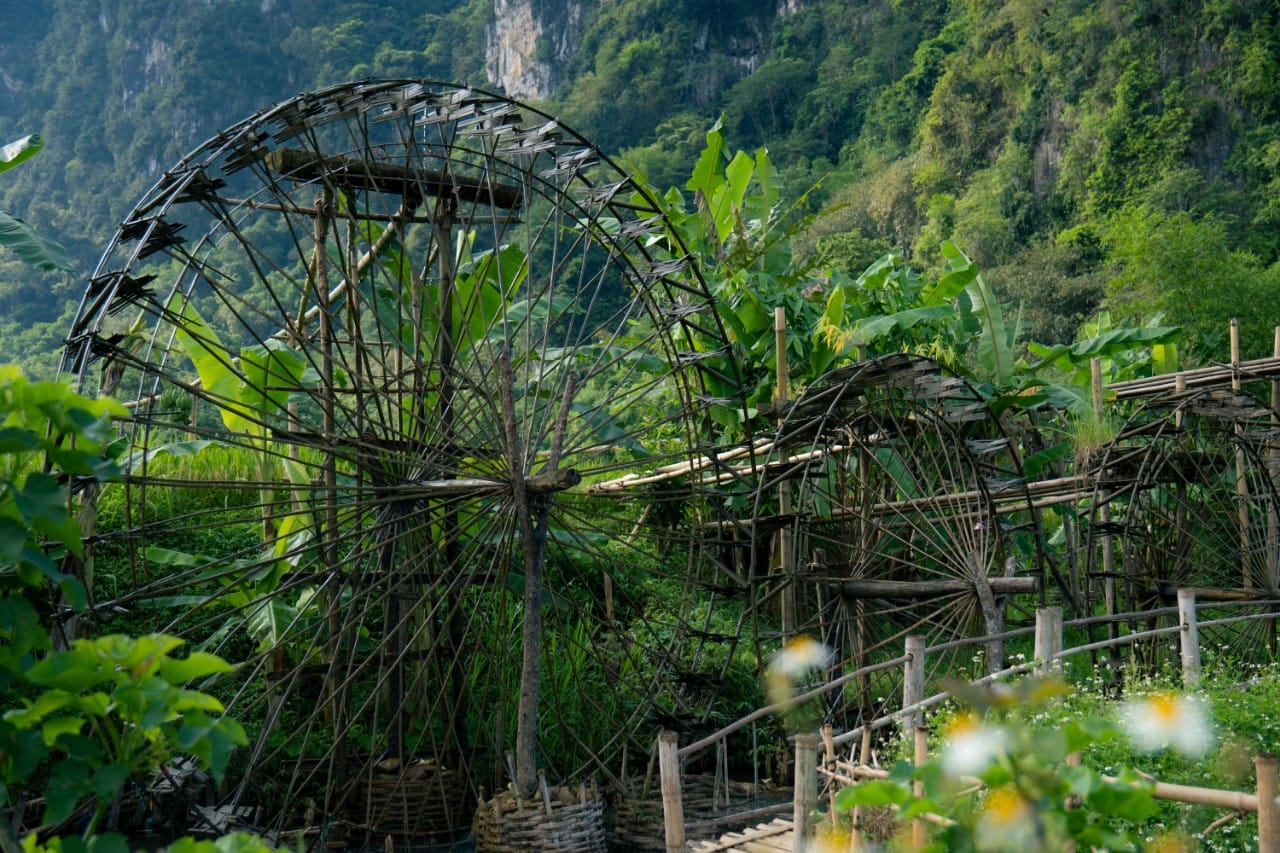
The reserve’s terraced valley floor is fed by natural spring water routed through an intricate system of giant bamboo waterwheels, which scoop river currents without electrical power.
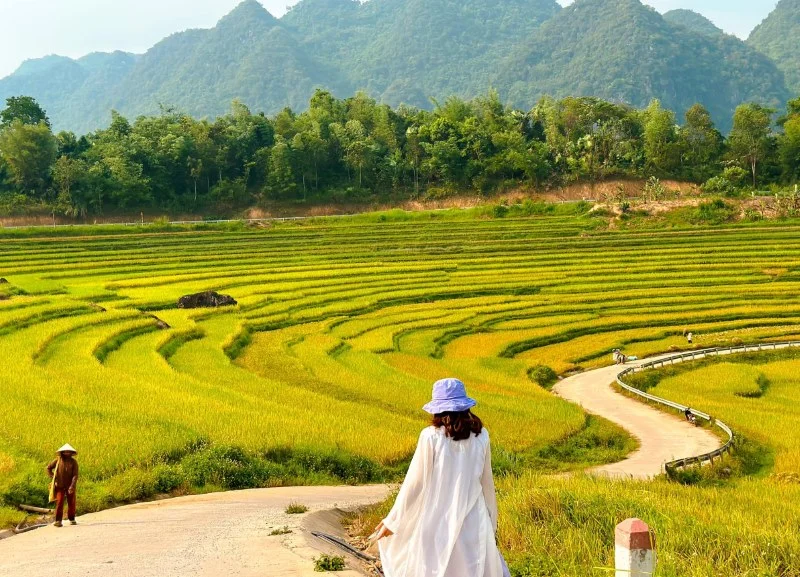
Travelers can hike along ancient footpaths between Thai and Muong ethnic hamlets, lodge in elevated wooden stilt houses, and dine on homegrown heirloom vegetables, directly supporting mountain families committed to protecting their surrounding watershed.
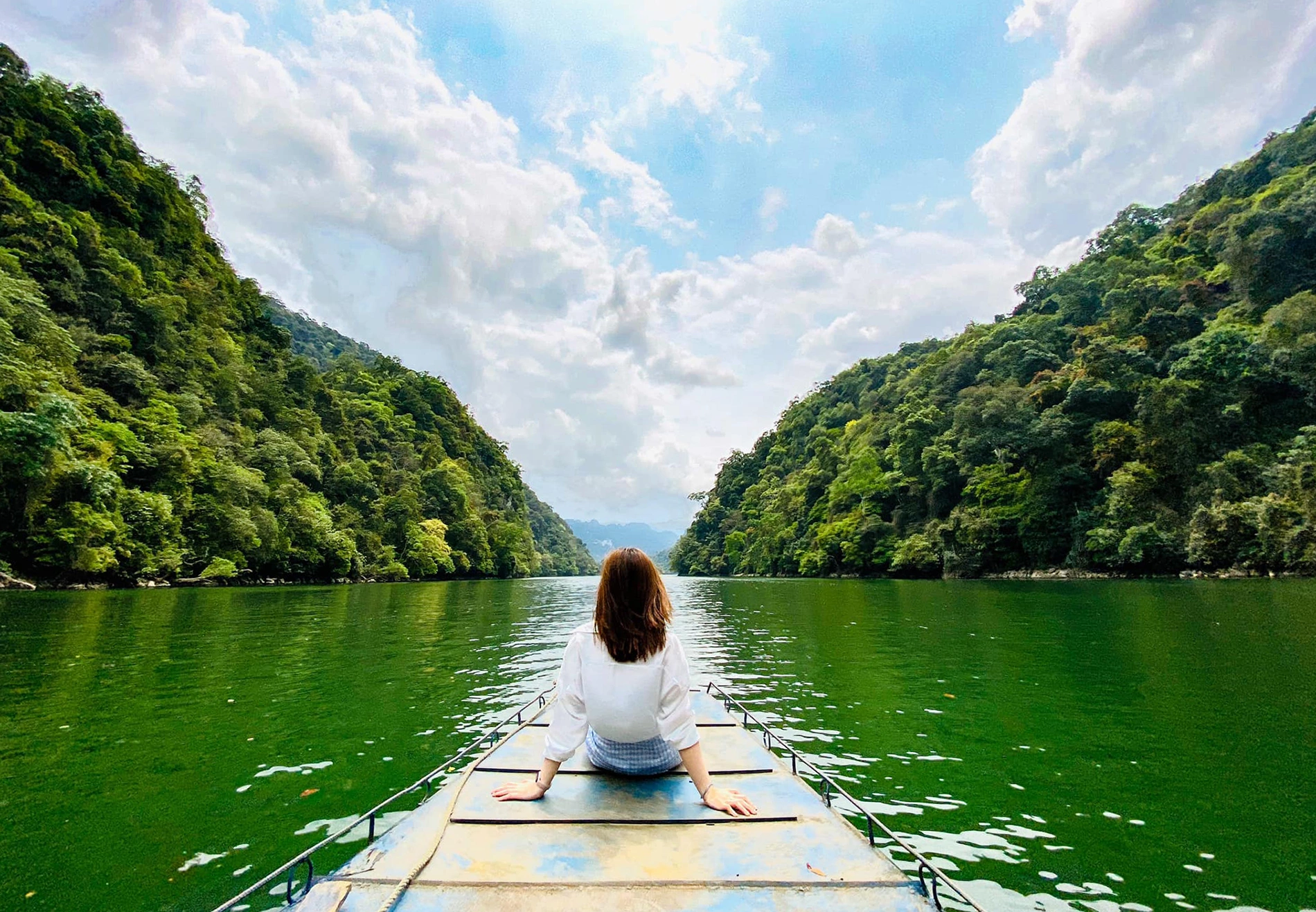
Nestled inside Ba Be National Park, Ba Be is Vietnam’s largest natural freshwater mountain lake, enclosed by sheer karst ridges and dense evergreen canopies.

To safeguard the lake’s delicate aquatic ecosystem from motor fuel runoff and noise pollution, responsible boat operators utilize electric and solar-powered sampans. Staying in family-run wooden homestays in Tay ethnic villages like Pac Ngoi and Cam Ha provides a peaceful, non-commercialized retreat while funding community-led lake cleanups.
Recognized as a UNESCO Global Geopark, Cao Bang offers vast expanses of untouched karst pinnacles, underground rivers, and cascading waterfalls that remain free from dense commercial resort infrastructure.
Sustainable travel across Cao Bang revolves around following marked geological trails, lodging in heritage stone homestays in traditional Nung villages, and supporting regional craft cooperatives that produce traditional forged knives and natural incense, spreading economic benefits across remote border communities.

. Community-based tourism has become an important part of the region’s tourism development, while the destination was also included among Vietnam’s Top 10 Most Welcoming Destinations in Booking.com’s Traveller Review Awards 2026.
Beyond the lantern-lit alleys of its ancient trading town, Hoi An has emerged as a national pioneer in zero-waste hospitality and plastic reduction campaigns.

Tra Que Vegetable Village
Visitors can cycle through the organic farming hamlets of Tra Que, where chemical fertilizers are replaced with natural river algae, or venture offshore to the Cham Islands Marine Protected Area.
Here, strict bans on single-use plastic bags combined with coral reef preservation programs ensure that pristine coastal habitats remain safeguarded.
As a designated UNESCO Biosphere Reserve, the Cat Ba Archipelago encompasses rugged limestone islands, dense subtropical forests, and mangrove-fringed coastal shallows.
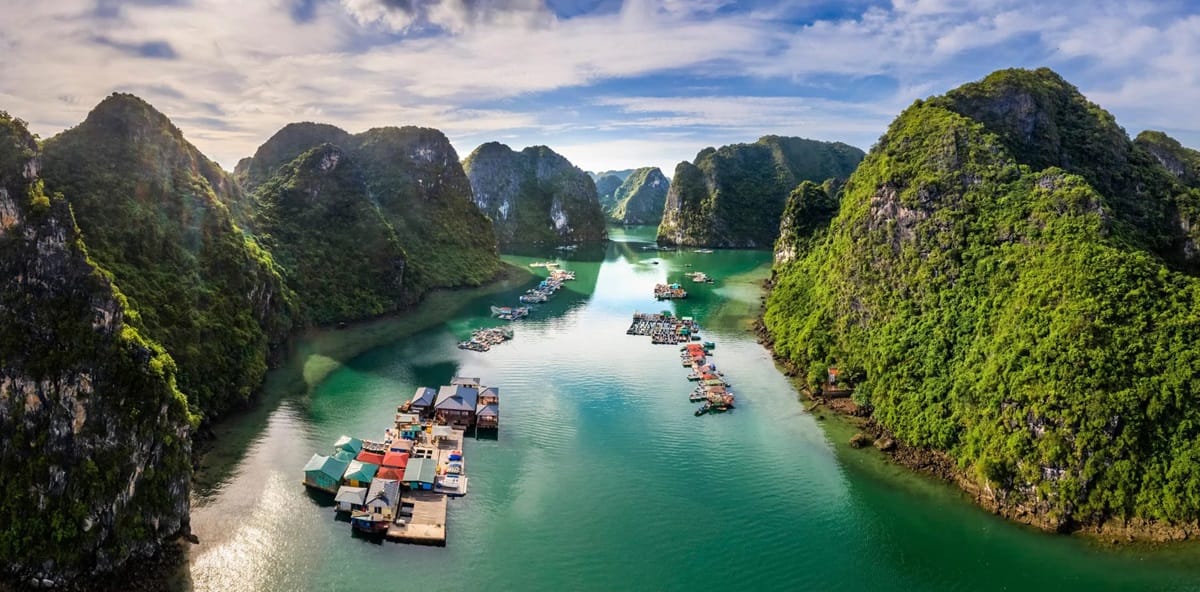
Eco-conscious travelers bypass motorized party cruisers in favor of human-powered kayaking expeditions through Lan Ha Bay, participating in mangrove replanting workshops and supporting coastal ranger stations that monitor the fragile habitat of the critically endangered Cat Ba langur.
The remote archipelago of Con Dao boasts Vietnam’s most pristine marine national park, home to vibrant offshore coral reefs, endangered dugongs, and the nation’s most vital nesting beaches for green sea turtles.
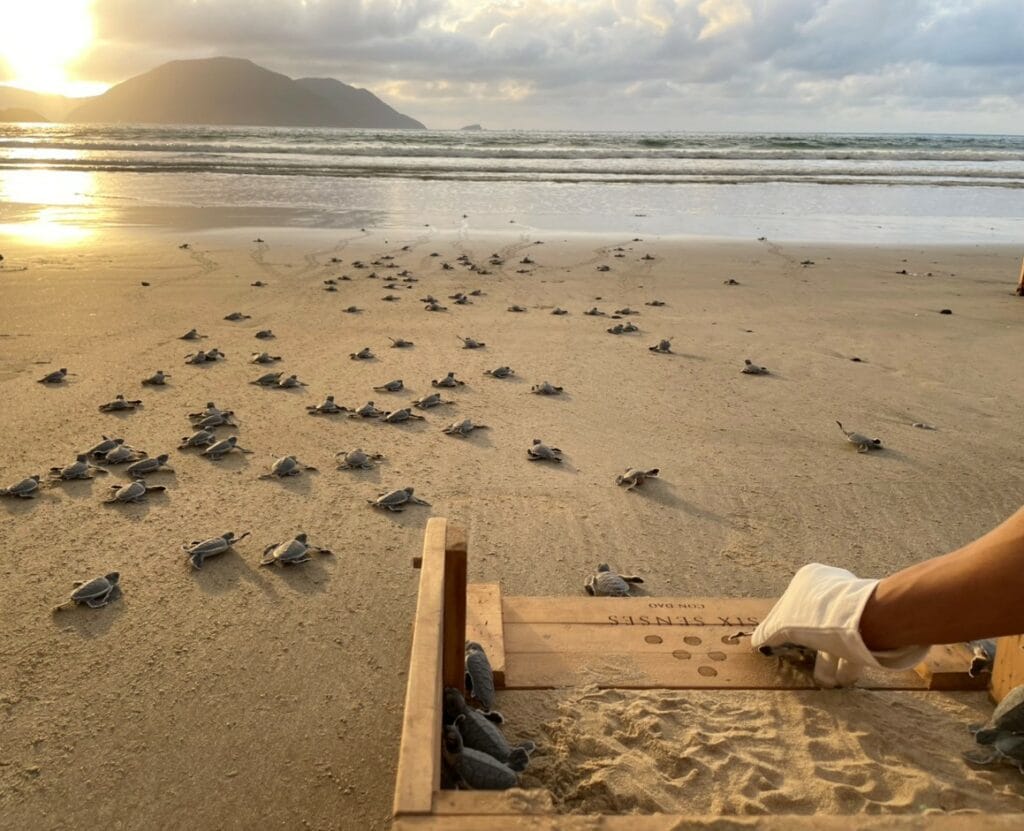
Sustainable exploration here is characterized by strict ecological stewardship: visitor numbers on delicate outer islets are strictly capped, guided night watches allow travelers to witness wild turtle nesting without disturbing the animals, and single-use plastics are rigorously regulated by island authorities.
Conscious travelers can participate in dawn turtle-hatchling releases or snorkel alongside marine biologists, gaining a profound appreciation for open-ocean conservation while ensuring tourism leaves no trace on fragile island shores.
Far away from congested tourist docks, the deeper reaches of the Mekong Delta—such as Tra Vinh, Ben Tre, and coastal Ca Mau—offer peaceful journeys along natural tidal river channels.
Traveling aboard non-motorized wooden rowboats, visitors navigate shaded mangrove canals that protect coastal soils from saline intrusion and riverbank erosion.
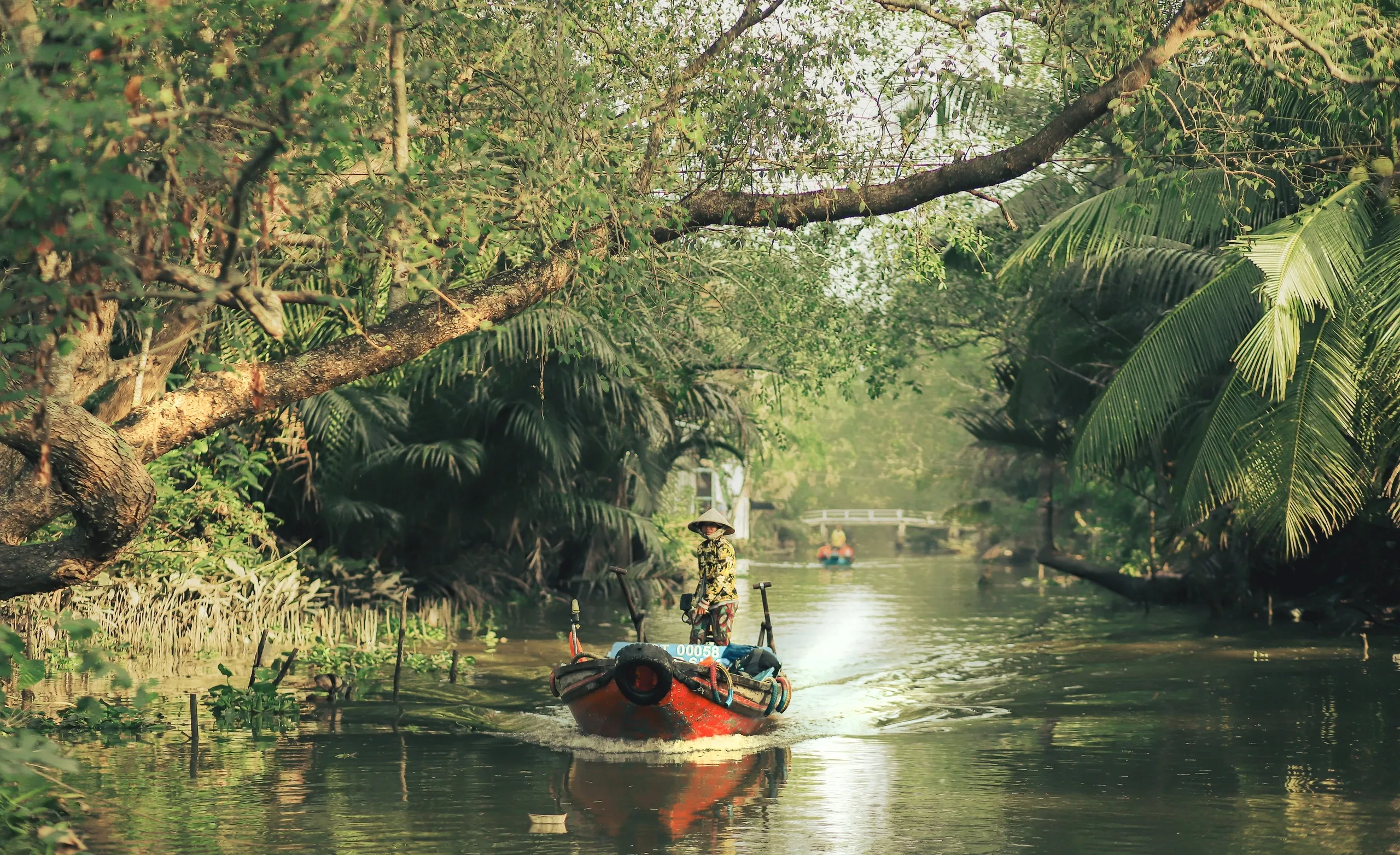
Homestays situated within family-run fruit orchards and integrated organic shrimp-mangrove farms demonstrate how traditional agriculture adapts naturally to seasonal floods and climate shifts.
Engaging in low-wake river travel and dining on backyard harvest vegetables directly supports rural riverine households without altering their traditional water-based way of life.
In the Central Highlands, Dak Lak has pioneered a landmark transition from traditional elephant riding to Southeast Asia’s first ethical, elephant-friendly tourism model inside Yok Don National Park.
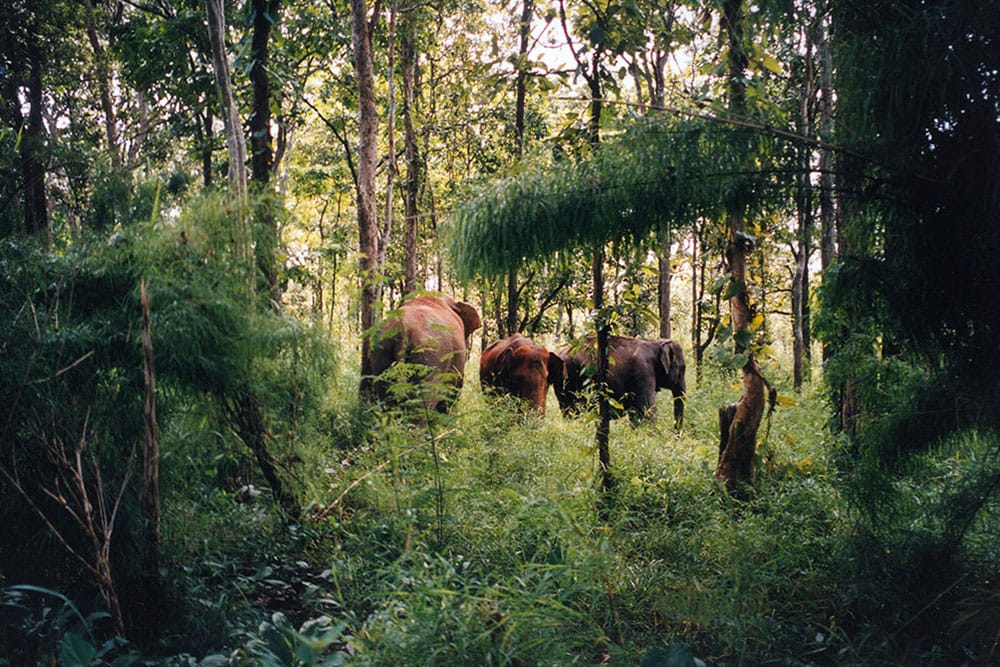
Instead of riding, bathing, or performing with captive animals, travelers embark on respectful forest walks to observe rescued Asian elephants roaming freely, foraging, and socializing in their natural jungle habitat from a non-intrusive distance.
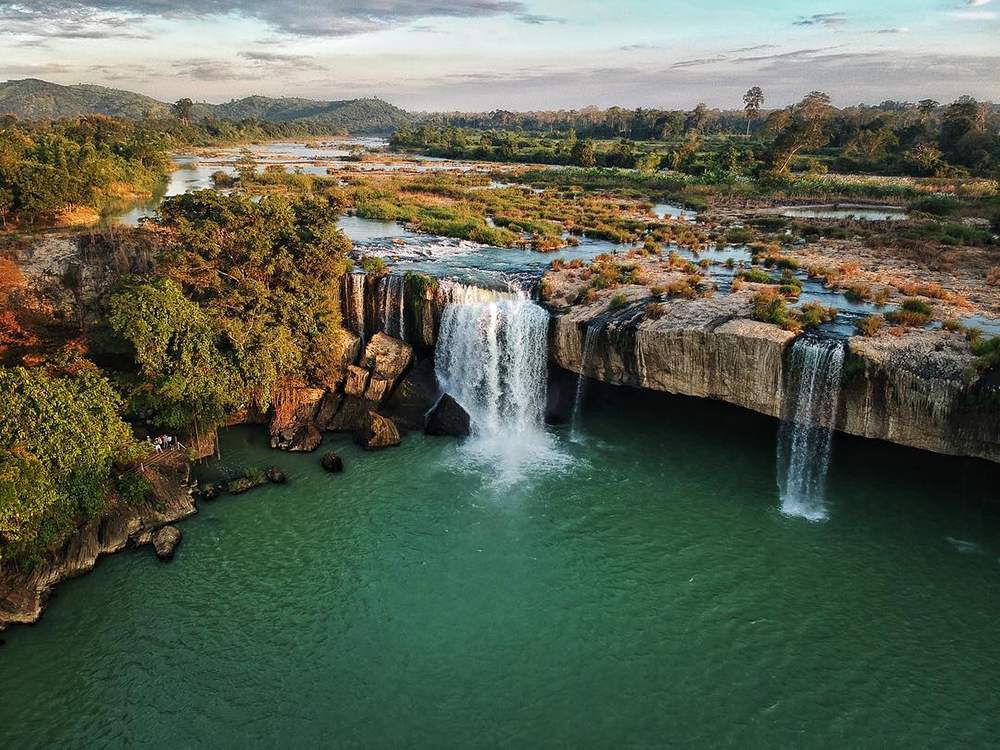
This pioneering project provides stable, dignified employment for ethnic minority mahouts while allowing these magnificent animals to live wild and unburdened, establishing a compassionate new standard for wildlife protection within sustainable travel vietnam.
Immerse yourself in a stay where northern Vietnamese architecture meets world-class comfort. At Jiva Hoalu Retreat, each accommodation blends locally inspired décor with modern luxuries, offering a unique fusion of culture, tradition, and elegance. Whether you’re here for a romantic getaway, a family escape, or a tranquil retreat, Jiva promises unforgettable moments in the heart of Ninh Binh.
Contact Us:
📞 +84 933 006 886
📧 inquiry@jivahoaluretreat.com
🌐 https://jivahoaluretreat.com/
Thank you for your reservation.
You will receive a confirmation from us momentarily
Thank you for reaching out. Your request has been received. Our team will respond within 24 hours.