


05 November, 2026
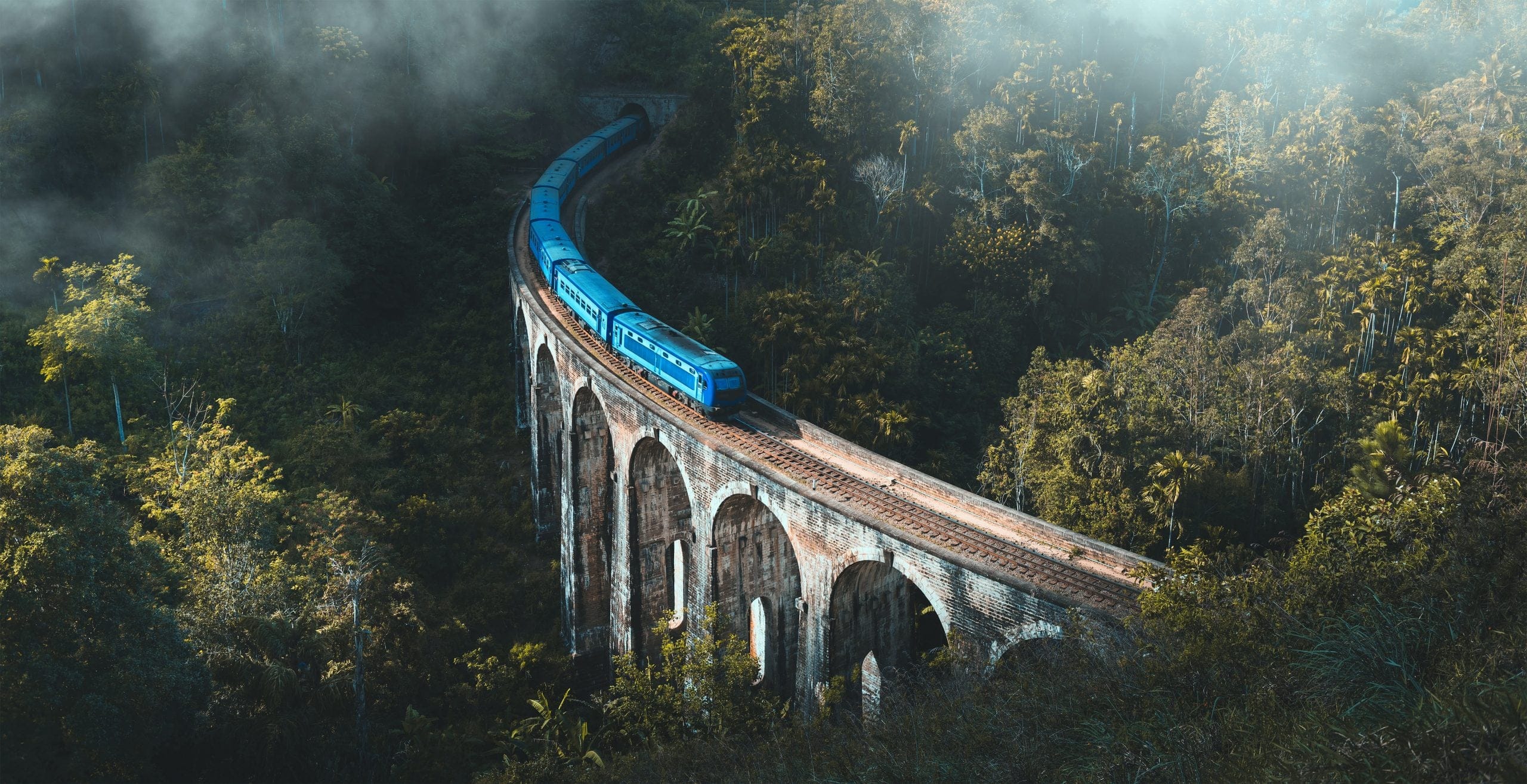
Comparing different landscape regions before reserving your preferred ninh binh hotel.
From misty mountain passes and peaceful river valleys to heritage towns and vibrant southern streets, this backpacking Vietnam itinerary reveals the country at a thoughtful pace. Discover hidden gems, local culture and unforgettable adventures while choosing routes that suit your time, travel style and sense of curiosity along the way.
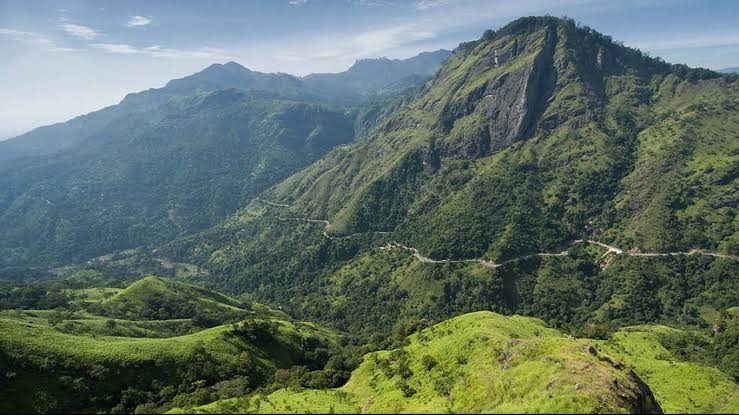
A wide aerial perspective showing the contrast between bustling town streets and quiet rural paddies.
Why Vietnam Is Perfect for Backpacking
Unrivaled Diversity in Landscape and Culture
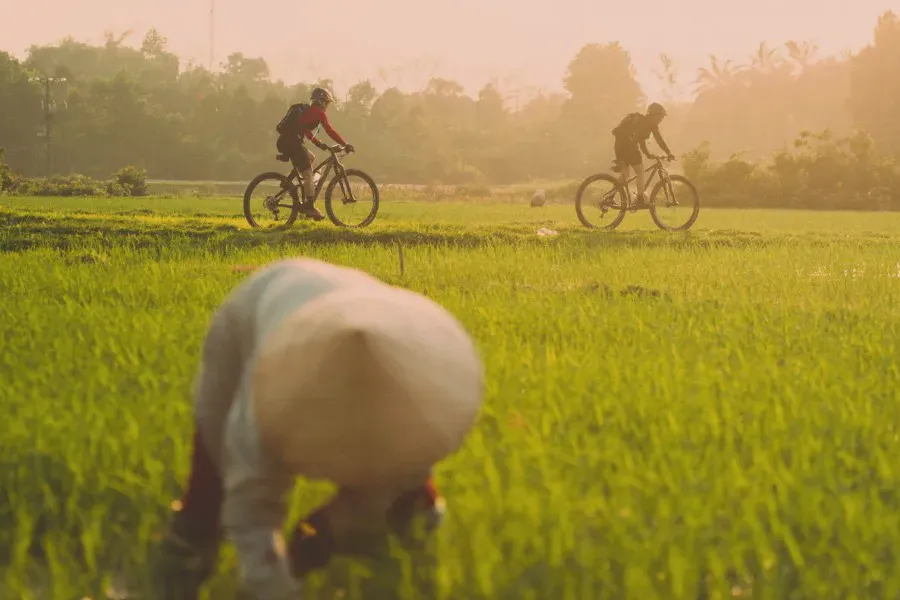
Soft morning sunlight illuminating vertical karst mountains rising above paddy feilds
What makes a backpacking vietnam itinerary so compelling is the sheer speed at which the scenery changes. Within hours, you can transition from cycling through misty emerald rice valleys in Ninh Binh to navigating the ancient, lantern-lit streets of Hoi An or soaking in the dynamic energy of Ho Chi Minh City.
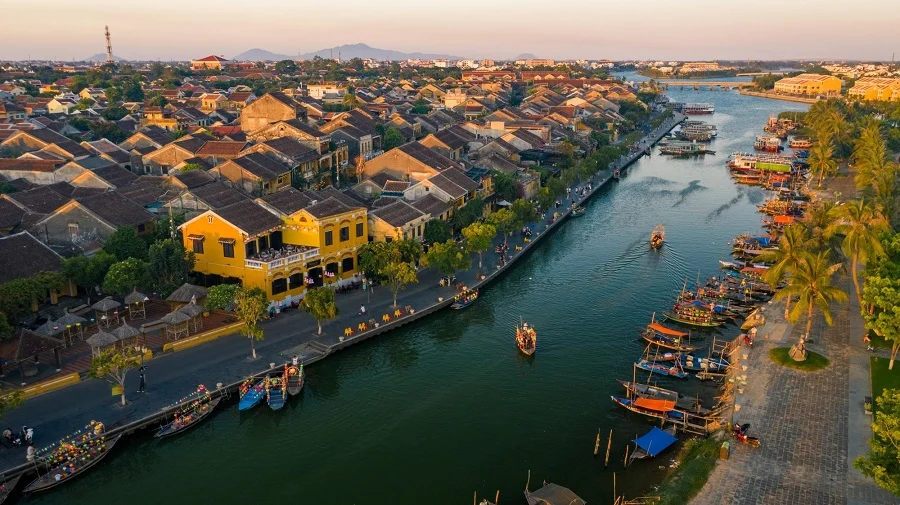
Designing a flexible, high-yield backpacking vietnam itinerary through majestic northern mountain passes.
Each region operates with its own distinct dialect, culinary specialties, and architectural style, creating the feeling of exploring several countries within one seamless trip.
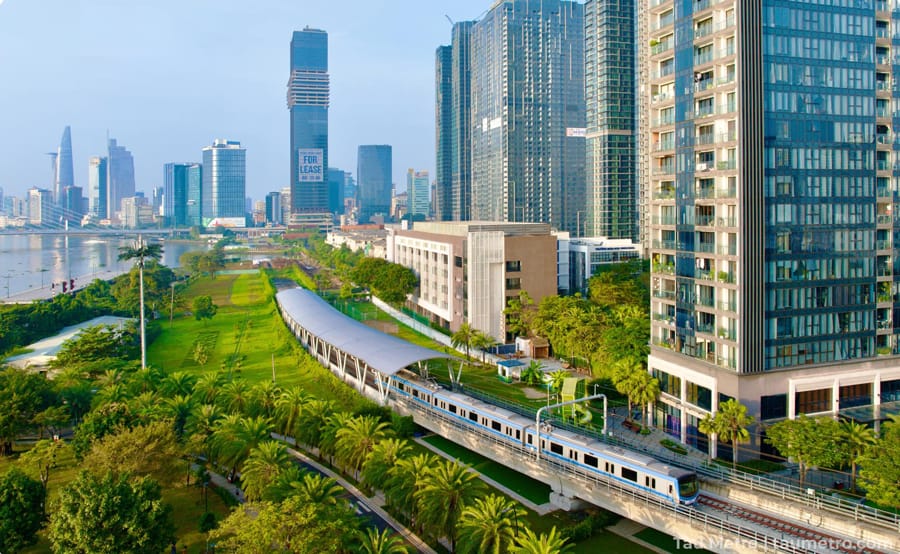
Embracing the unhurried lifestyle of slow travel vietnam along rural countryside routes.
Seamless Transit Infrastructure for Every Budget
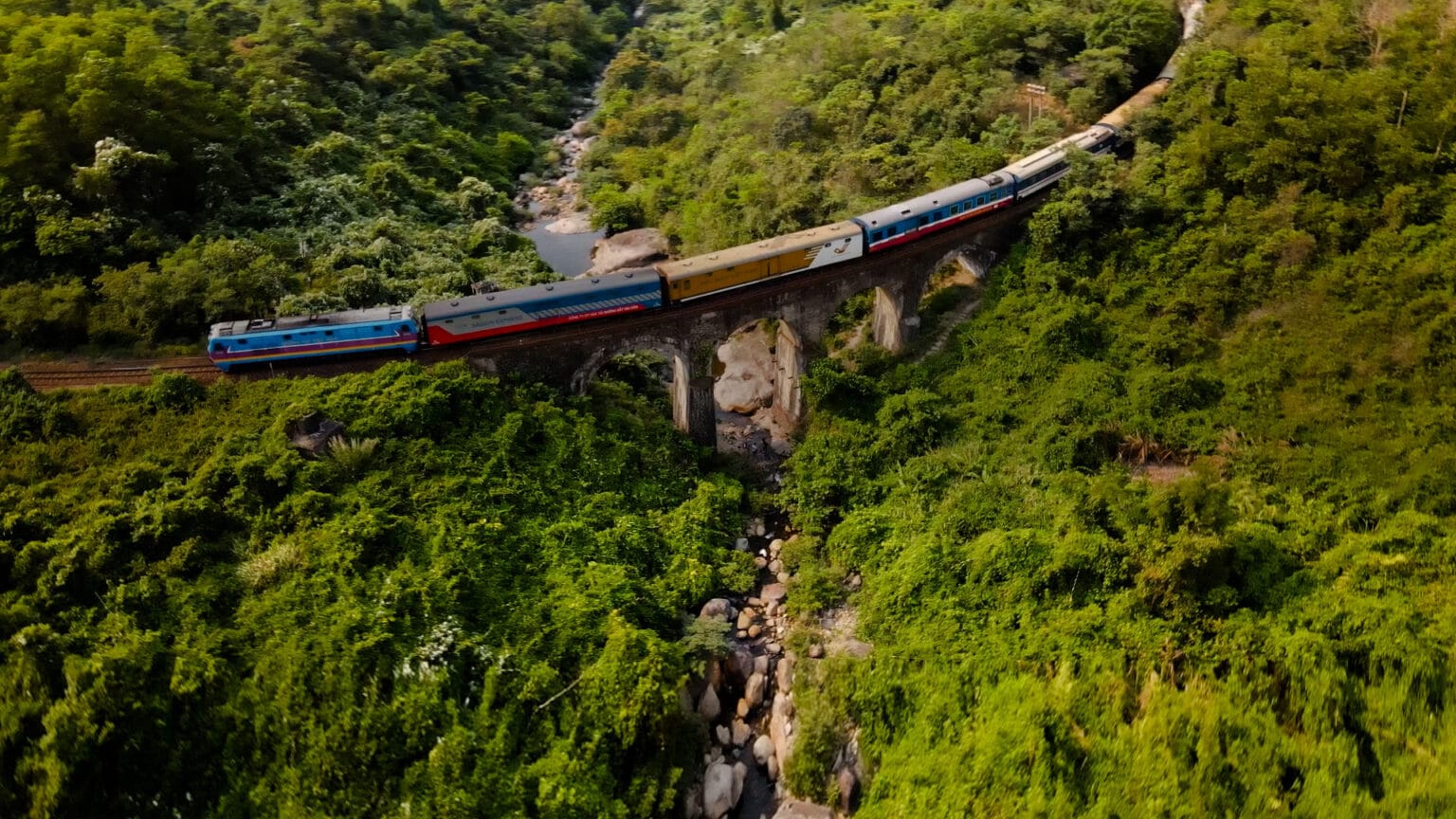
A stunning wide shot of a passenger train winding along a lush coastal mountain pass overlooking blue ocean waters.
Traveling across the country is remarkably straightforward. An extensive network of overnight sleeper trains, air-conditioned VIP limousine buses, and frequent domestic flights allows travelers to move between major regions without hassle.
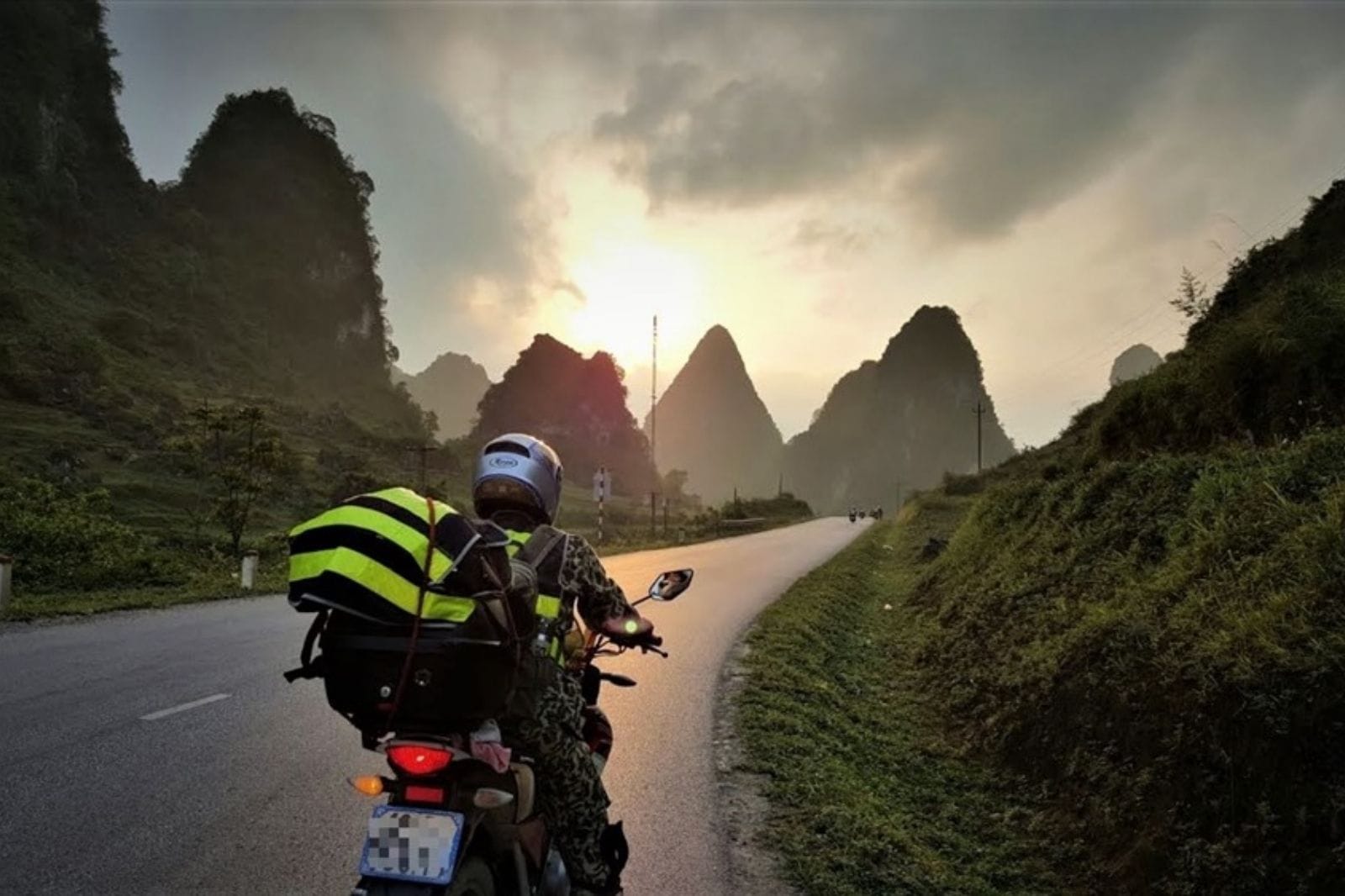
For couples and “flashpackers” seeking greater comfort, upgrading to four-berth soft-sleeper train cabins or arranging private door-to-door car transfers provides luxury-level convenience at a fraction of Western costs.
The Art of Slow Travel and Authentic Connection

Beyond its affordability, Vietnam naturally invites visitors to embrace the principles of slow travel vietnam. Rather than rushing through commercial city tours, independent travelers can stay in family-run homestays, learn traditional handicrafts from local artisans, and trek along uncrowded mountain paths.

This balance of raw outdoor adventure, deep cultural immersion, and warm local hospitality makes Vietnam an unmatched destination for independent exploration.
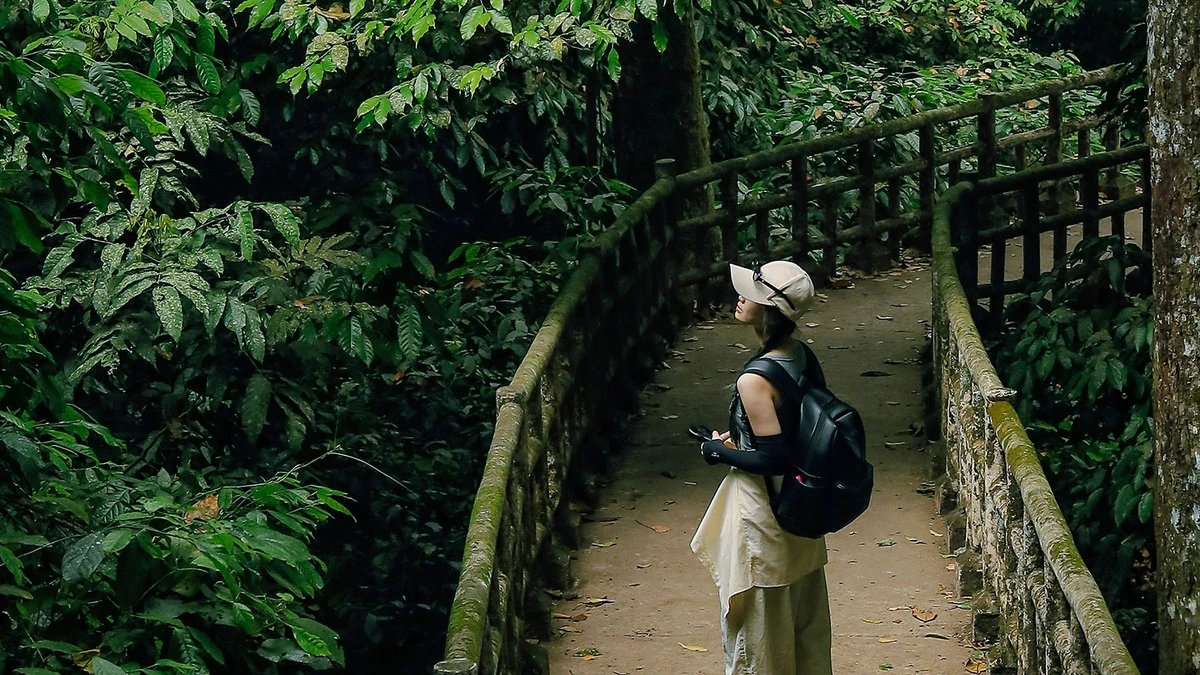

How Long Should You Spend Backpacking Vietnam?
The ideal length of a Vietnam backpacking trip depends on how widely you wish to travel and how slowly you prefer to experience each destination. Two weeks is enough for a carefully planned journey through the country’s main highlights, although the pace will be relatively fast and longer transfers should be considered.

Three weeks offers a more comfortable balance. Travellers can explore the mountains and heritage landscapes of northern Vietnam, continue through the historic cities of the central region and still spend several days in the south without feeling constantly on the move.
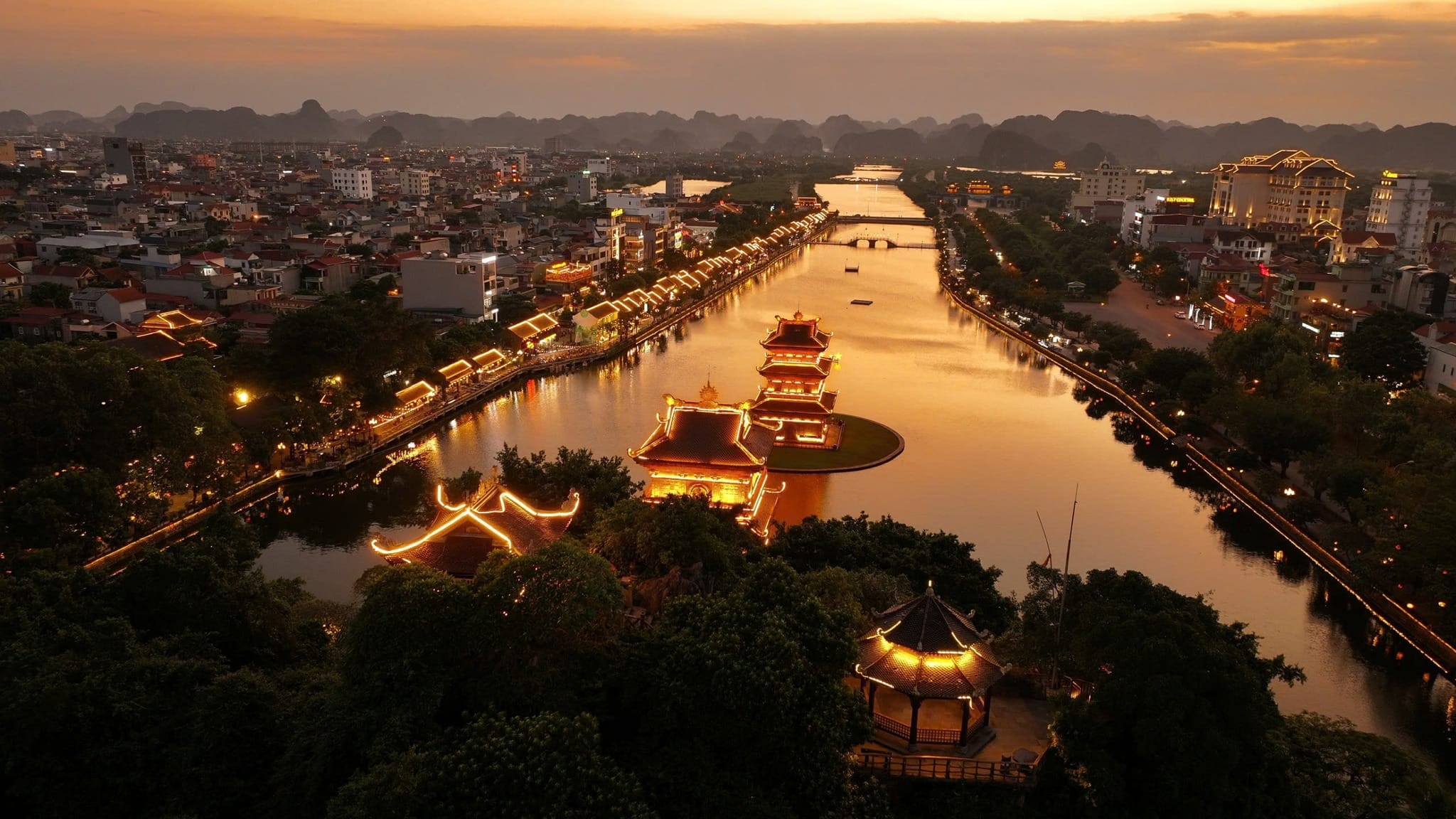
For a deeper and more flexible journey, 30 days is ideal. A full month allows time for lesser-known destinations, rural homestays and spontaneous detours, as well as moments of rest between overnight trains and long bus journeys. Rather than trying to see everything, choose a route that reflects your interests and leaves enough space to appreciate the places you visit.
Hidden Gems to Add to Your Vietnam Backpacking Route
While the classical highway route connects the nation’s major metropolises, the true soul of a backpacking vietnam itinerary lies hidden within its remote mountain communes, quiet river basins, and uncommercialized coastal enclaves.

Integrating these lesser-known coordinates into your travel schedule allows you to step away from crowded tour bus groups, capture pristine landscapes, and connect authentically with local communities.
To ensure maximum depth and actionable insights for independent travelers and couples, our editorial team has organized these twelve off-the-beaten-path destinations into four specialized discovery trios.
Du Gia, Ha Giang
Tucked among the mountains of Ha Giang, Du Gia offers a gentler alternative to the busier stops along the famous loop.
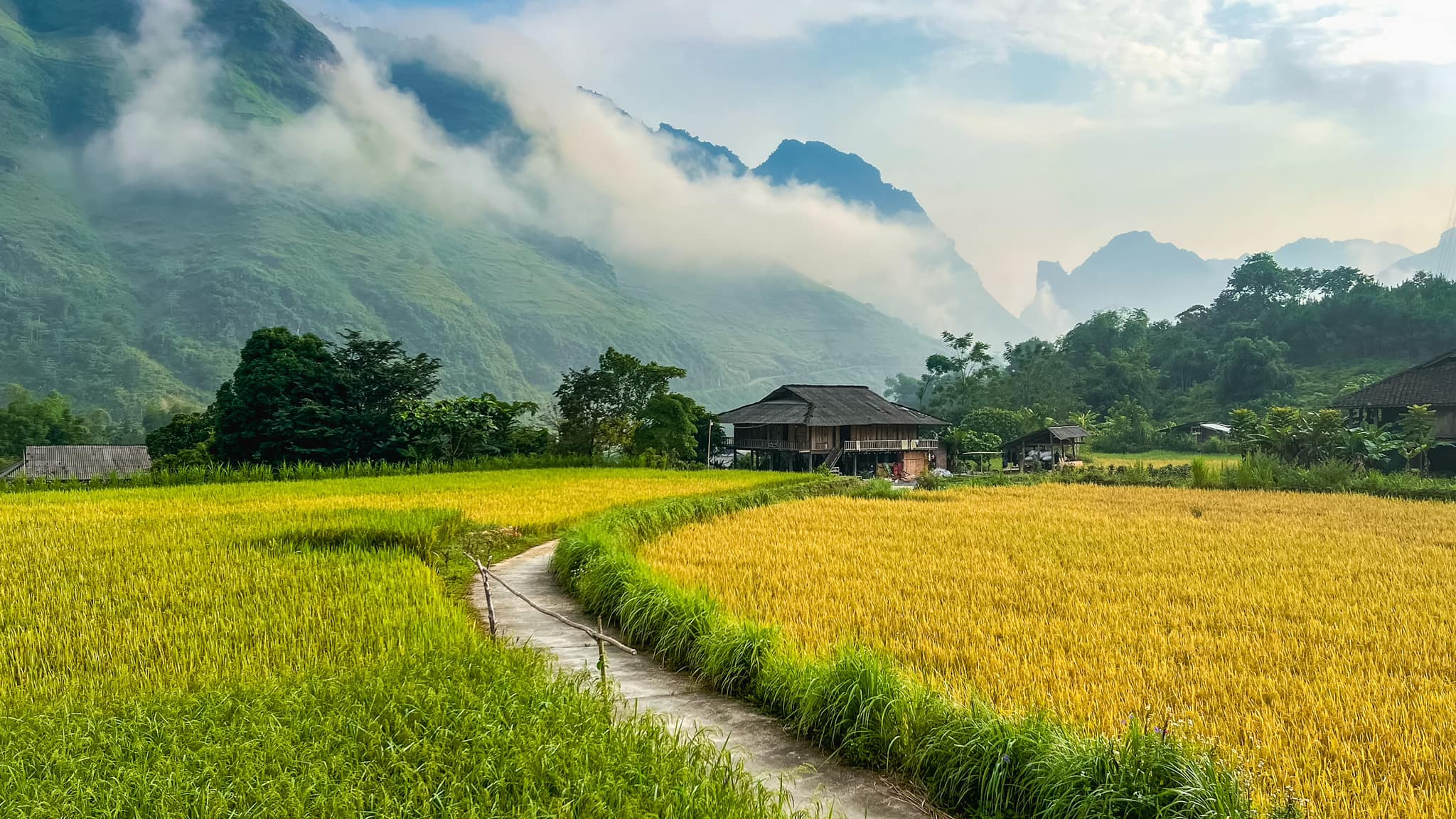
Discovering authentic Tay ethnic homestays on a scenic northern vietnam travel loop.
Independent travelers executing a northern vietnam travel circuit can ride quiet back roads winding past emerald rice paddies, swim beneath pristine mountain waterfalls, and stay in family-run Tay ethnic homestays.

Pausing at peaceful mountain valleys during an active backpacking vietnam itinerary.
It serves as a gentle, unhurried haven to pause, breathe fresh alpine air, and experience rural mountain life at a slower rhythm.
Cao Bang
Cao Bang rewards travellers who venture towards Vietnam’s far northeastern frontier. Ban Gioc Waterfall may be its best-known sight, but the province also holds limestone valleys, Nguom Ngao Cave, the Thang Hen lake system and villages belonging to Tay, Nung, Dao and Hmong communities.
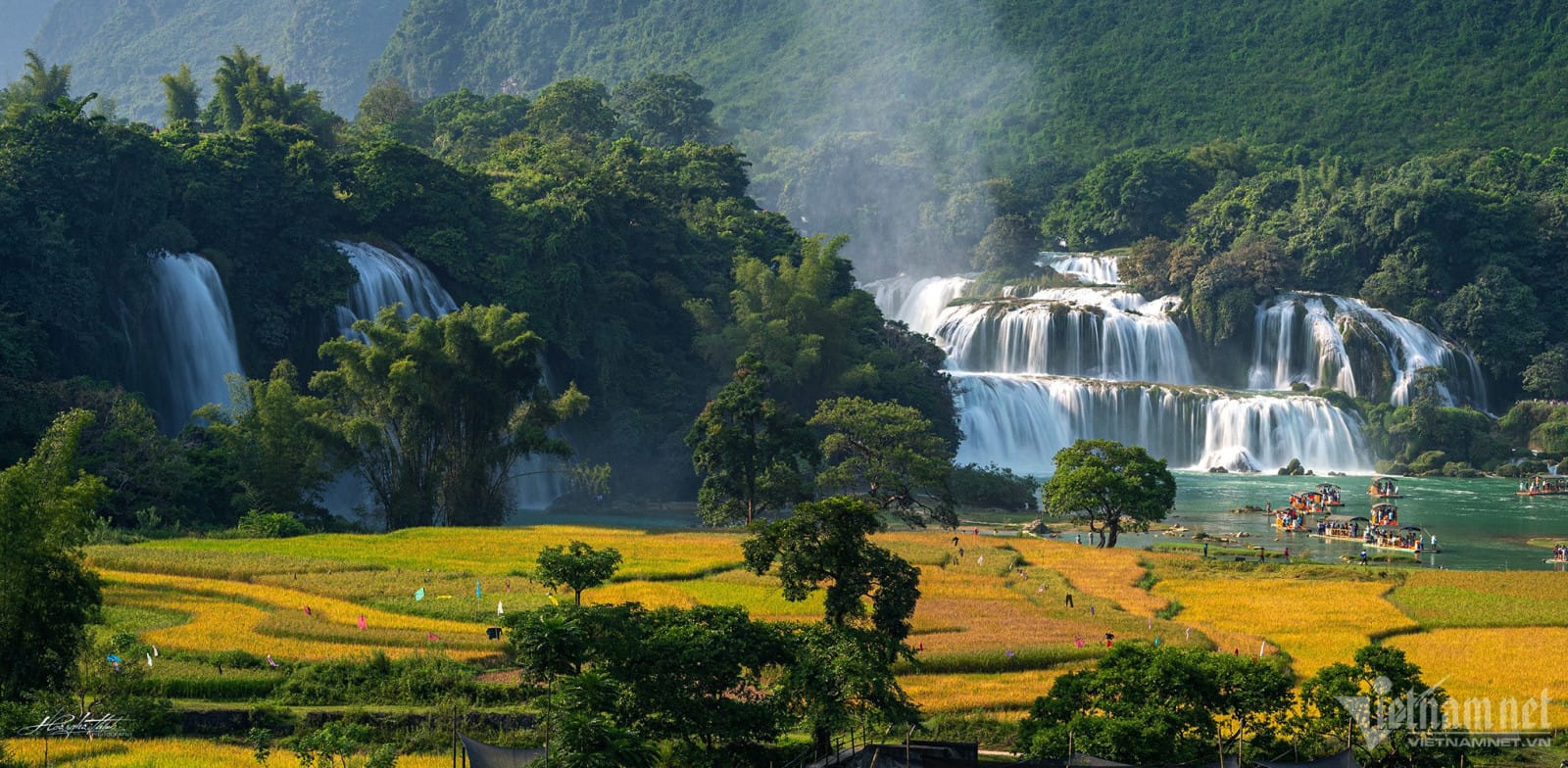
Exploring thunderous border waterfalls on a dedicated northern vietnam travel extension.
Beyond the thunderous multi-tiered cascades of Ban Gioc Waterfall, this vast karst province encompasses the underground chambers of Nguom Ngao Cave, the quiet Thang Hen lake system, and traditional Nung and Tay villages.
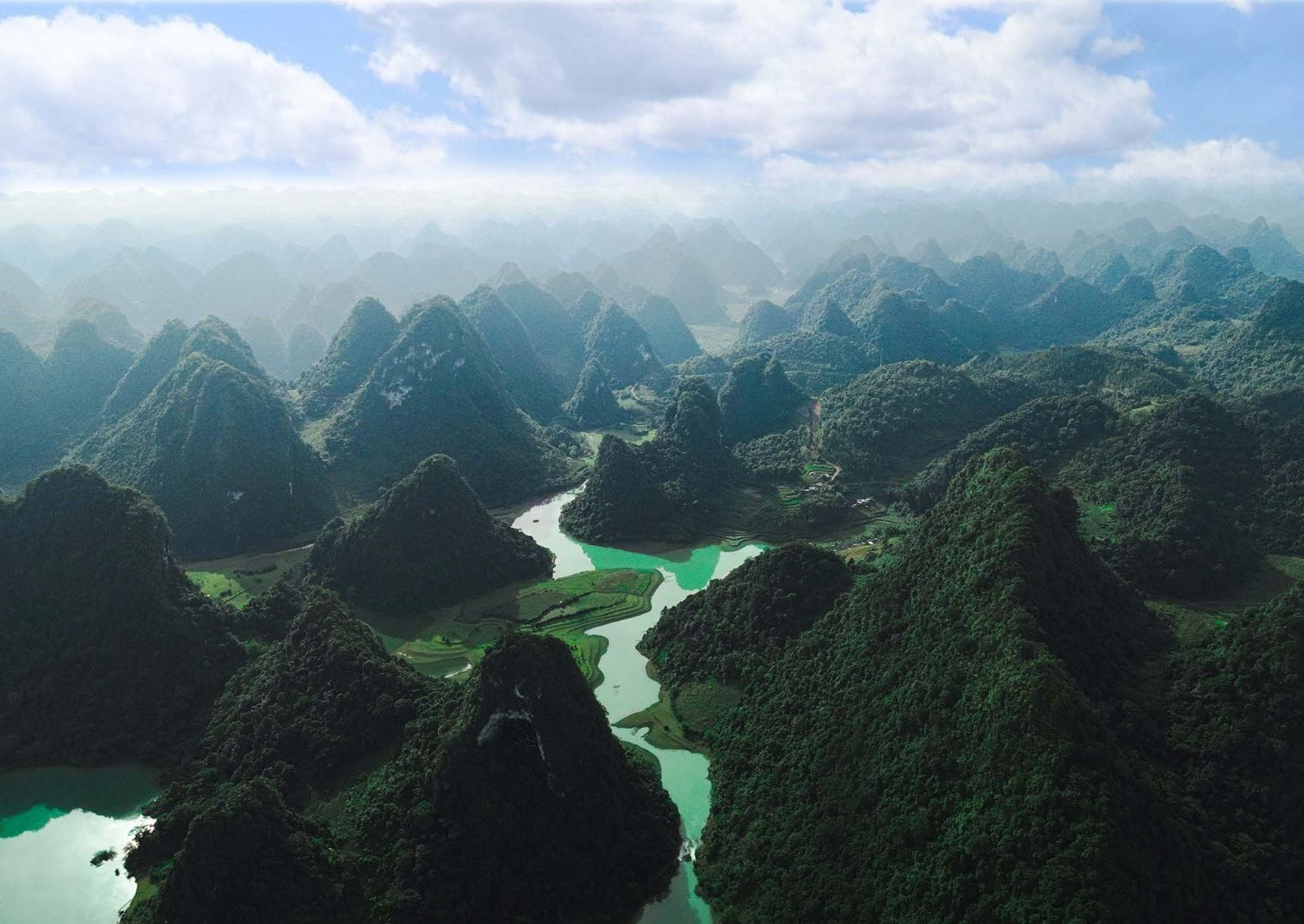
Uncovering off-the-beaten-path karst landscapes to enhance your backpacking vietnam itinerary.
Incorporating Cao Bang into your backpacking vietnam itinerary delivers raw natural scenery far removed from commercial tourism.
Ba Be Lake
Surrounded by forested mountains, Ba Be Lake offers a peaceful retreat within one of northern Vietnam’s most beautiful national parks.
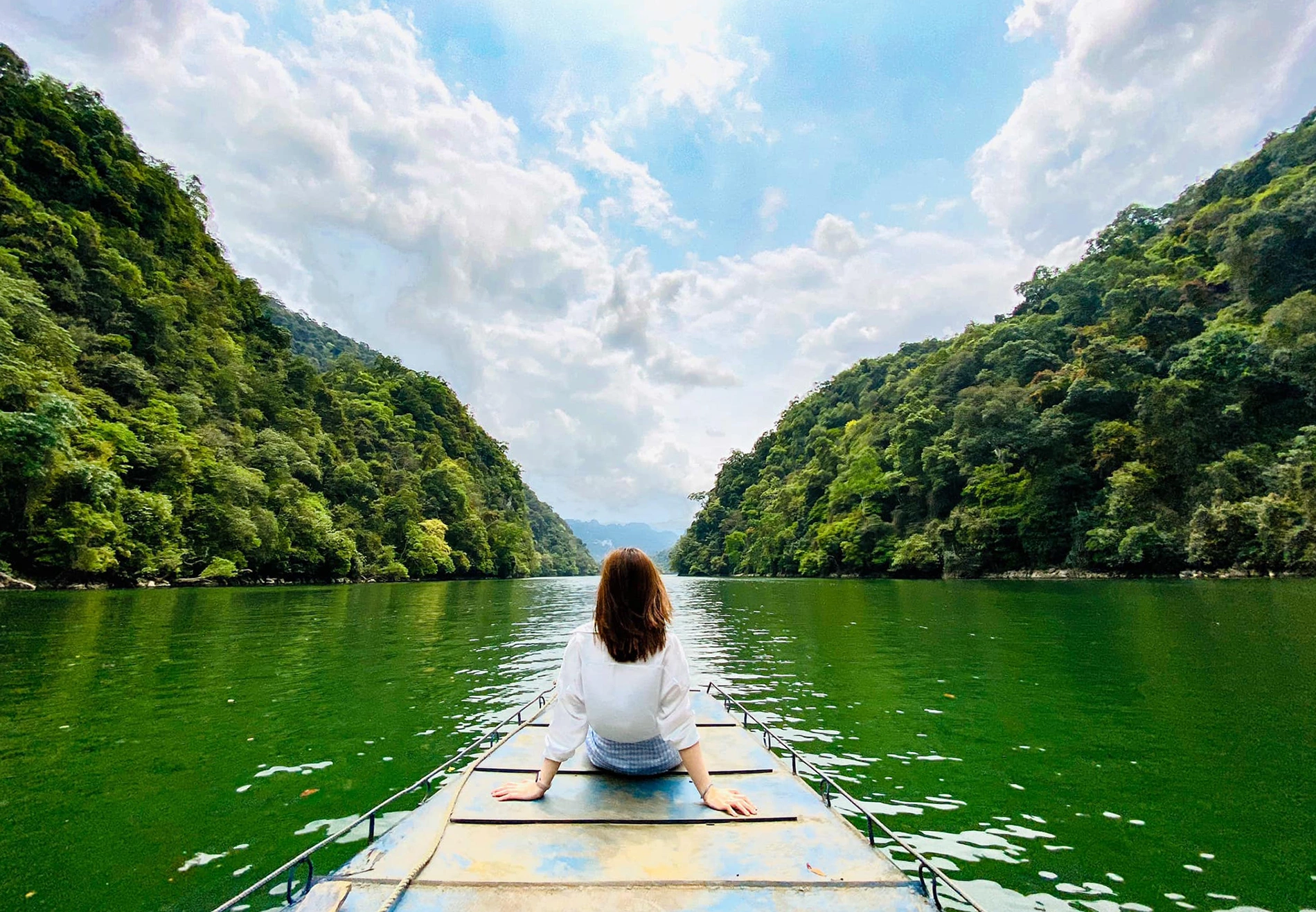
Cruising misty alpine lakes to embrace the true soul of slow travel vietnam
Backpackers can board traditional dugout boats across the mirror-smooth lake, explore hidden river caves, trek through primary jungle, and stay in authentic Tay stilt houses built right along the water’s edge.
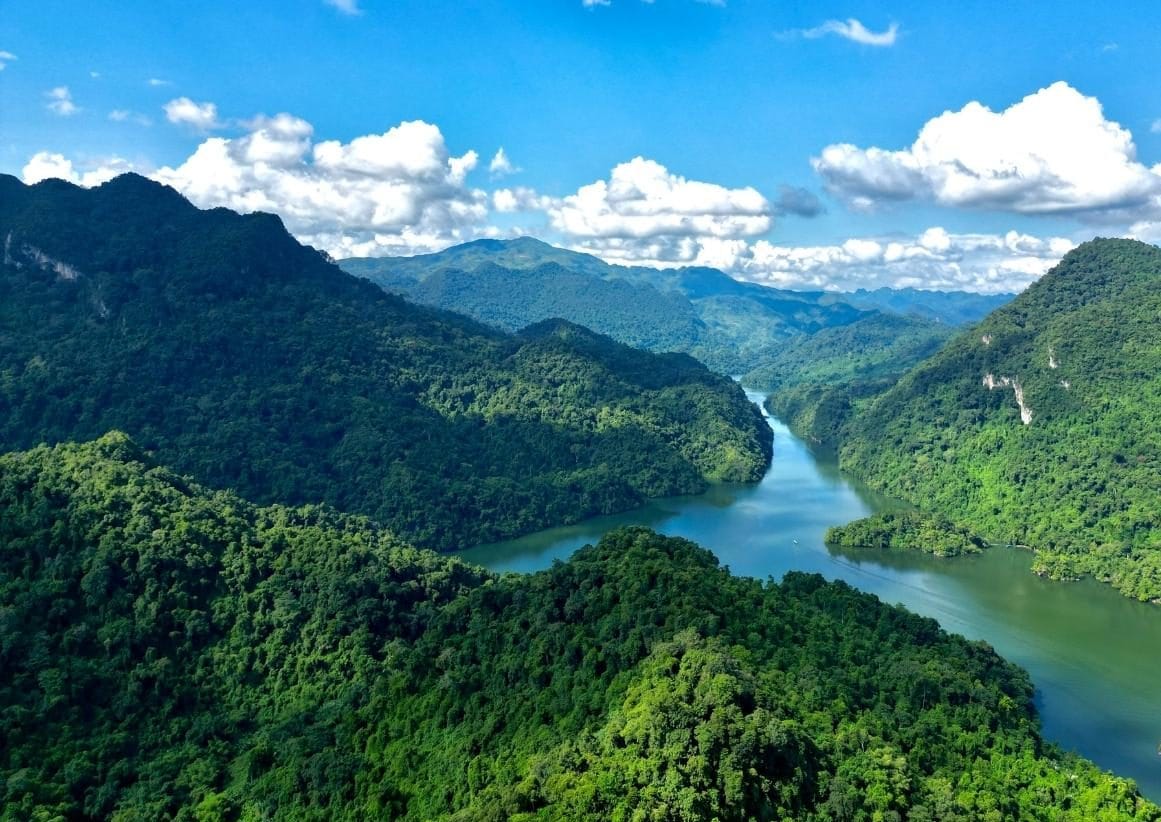
Soft morning fog rolling over dense primary rainforests bordering an ancient mountain lake.
Evenings here are wonderfully peaceful—defined by home-cooked meals, misty mountain air, and a tranquil atmosphere that epitomizes slow travel vietnam.
Mu Cang Chai
Mu Cang Chai is celebrated for rice terraces that curve gracefully across the mountains of northwestern Vietnam.
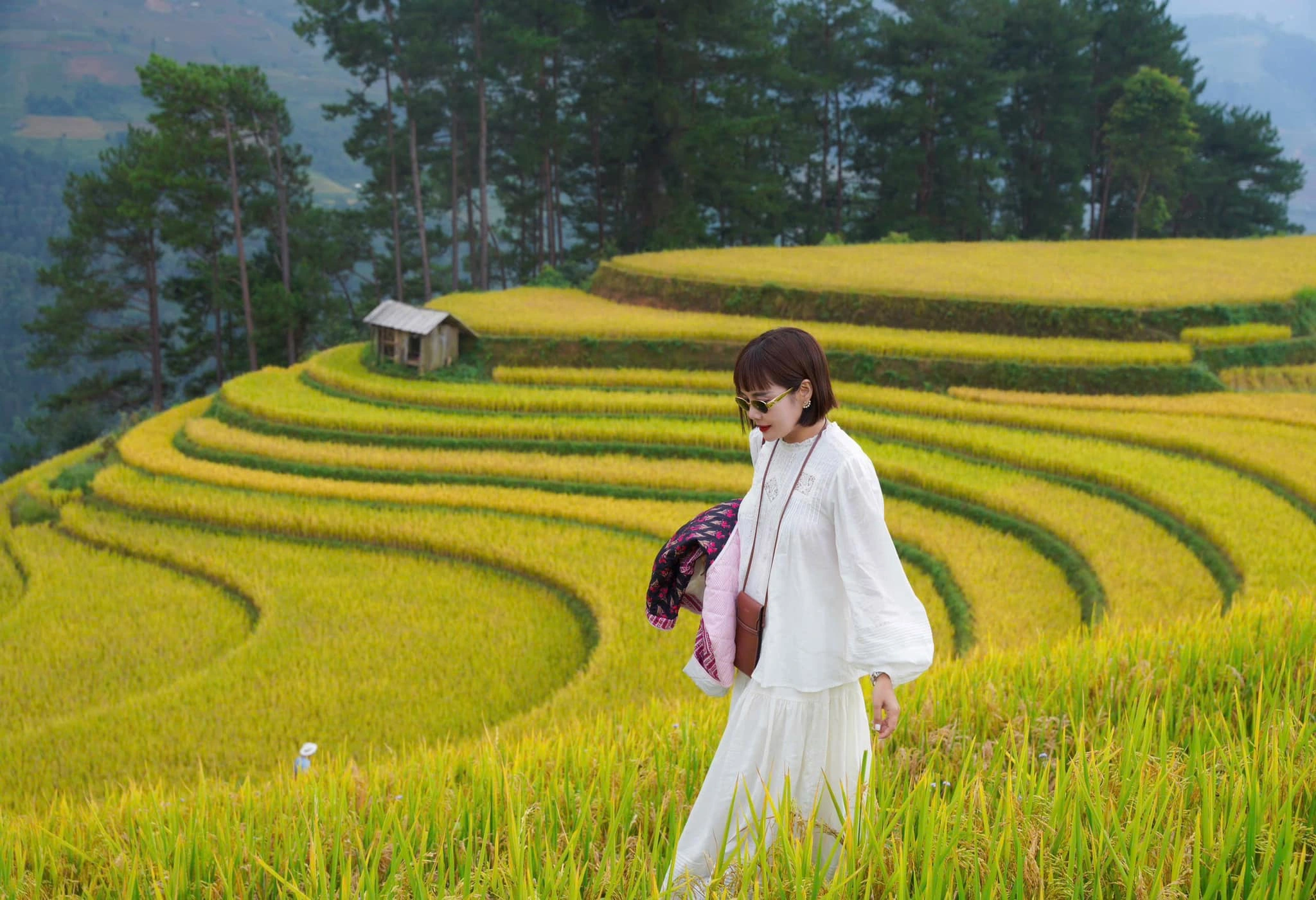
Trekking sculpted mountain rice terraces on an epic backpacking vietnam itinerary.
The landscape changes with the agricultural seasons, from reflective fields during the water-pouring period to golden hillsides at harvest time.
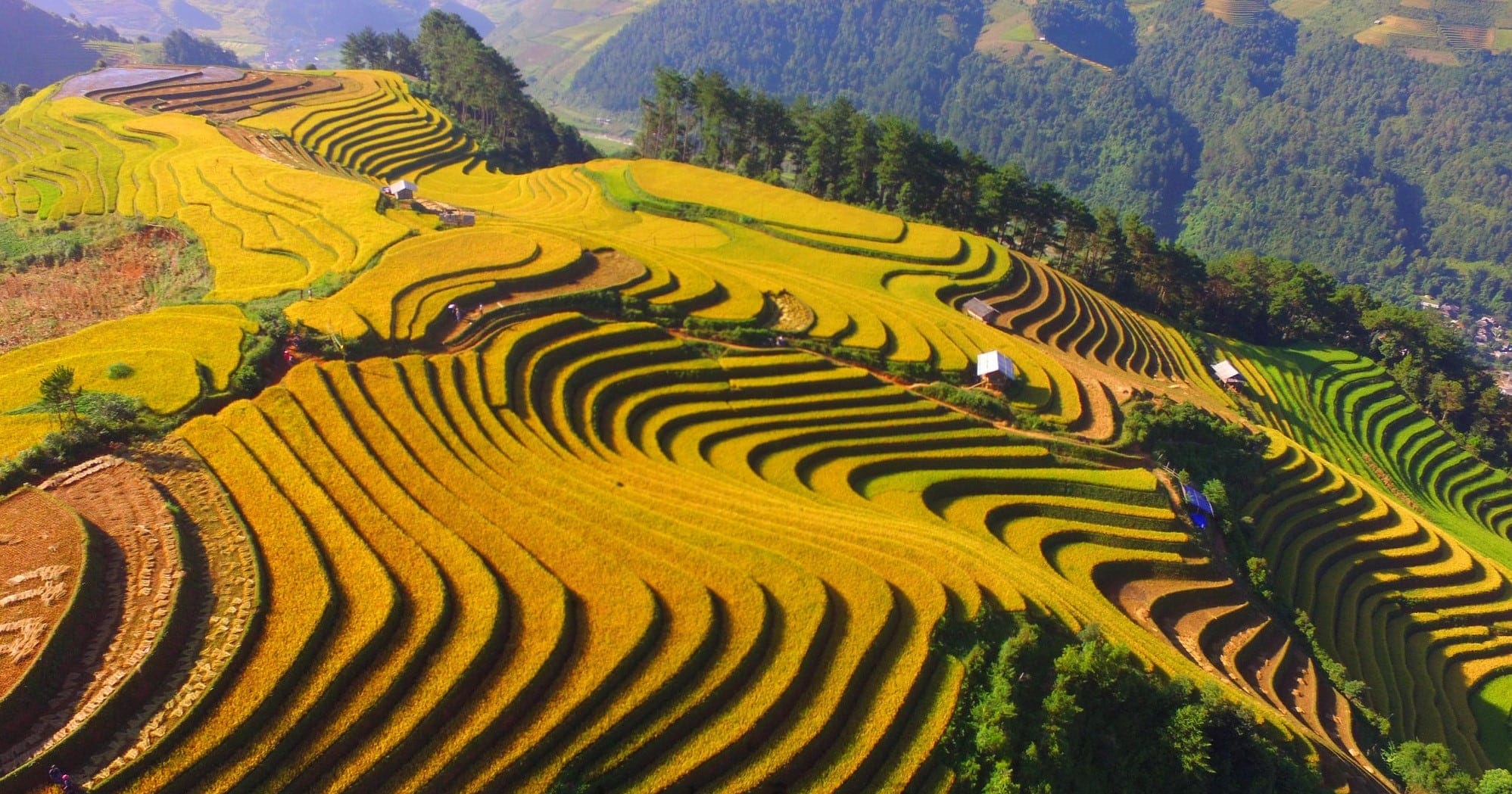
Capturing golden harvest landscapes on a custom northern vietnam travel adventure.
Beyond the viewpoints, walking between Black Hmong villages offers a more intimate understanding of the people whose knowledge and labour have shaped this remarkable scenery.
Pu Luong Nature Reserve
Closer to Hanoi yet still wonderfully serene, Pu Luong is a landscape of forested mountains, cascading rice terraces and traditional villages.
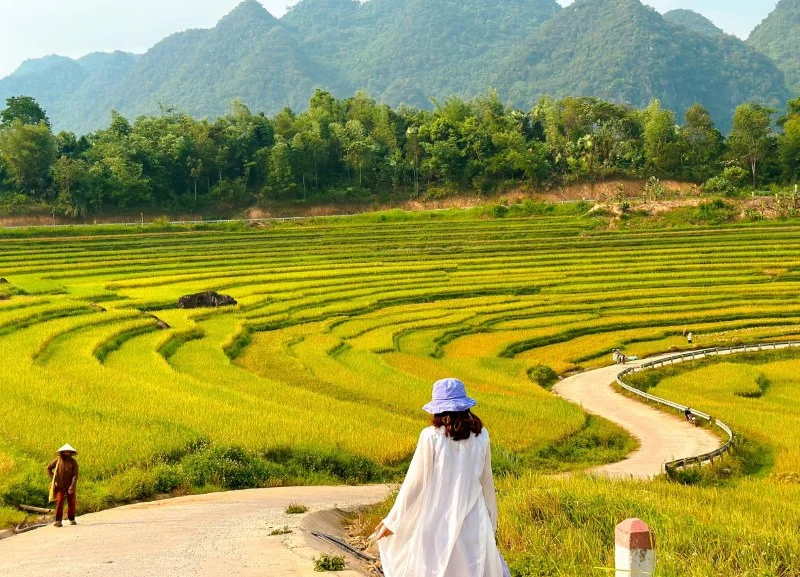
Integrating uncrowded valley treks into your master backpacking vietnam itinerary.
Gentle trekking routes connect communities across the reserve, while local homestays provide simple meals and wide views over the valleys.
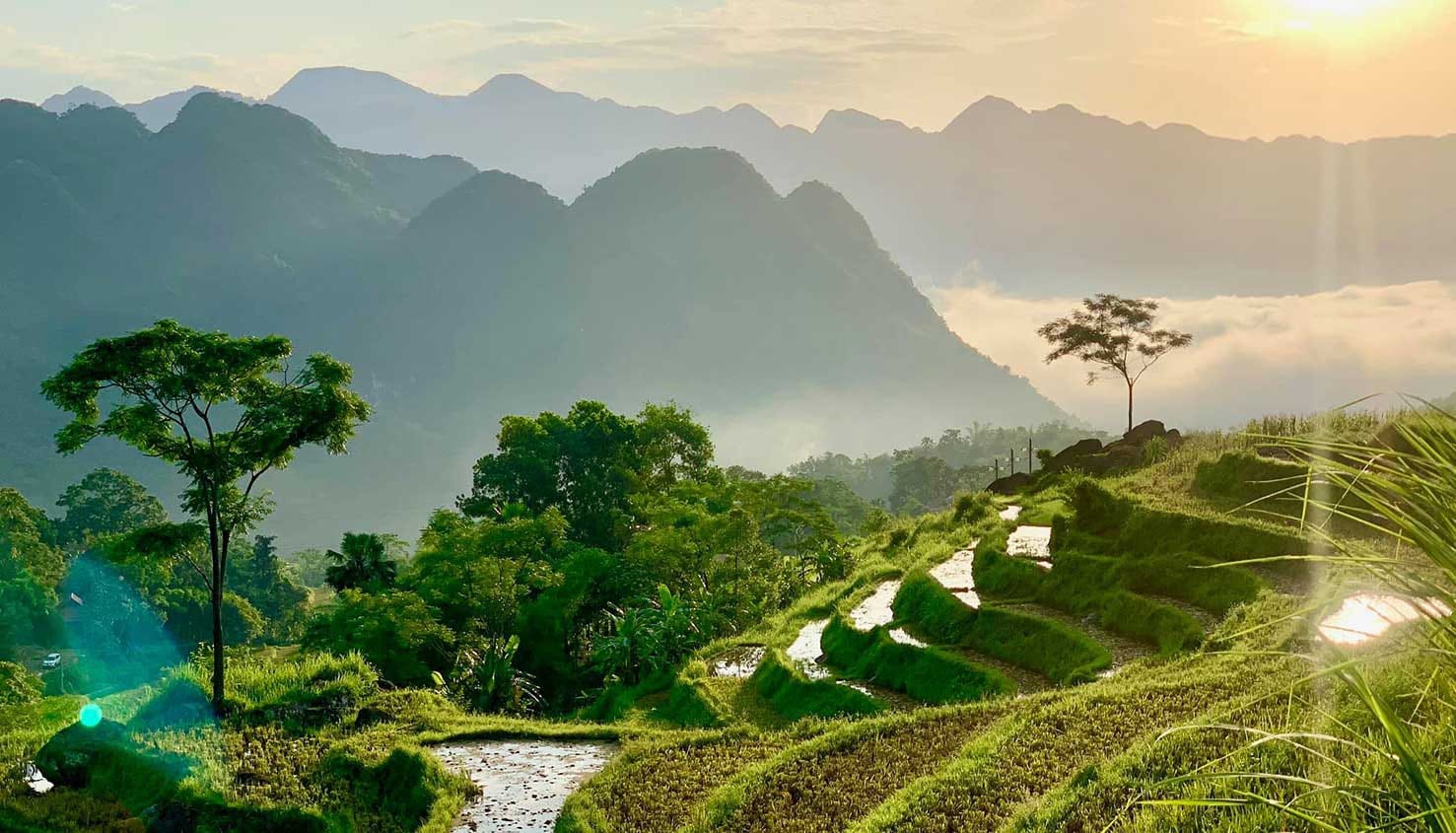
An open wooden deck view of green rice paddies stretching toward mist-covered mountain ridges.
It is particularly suited to travellers seeking fresh air and cultural immersion without committing to the longer journey into Vietnam’s far north.
Tam Coc, Ninh Binh
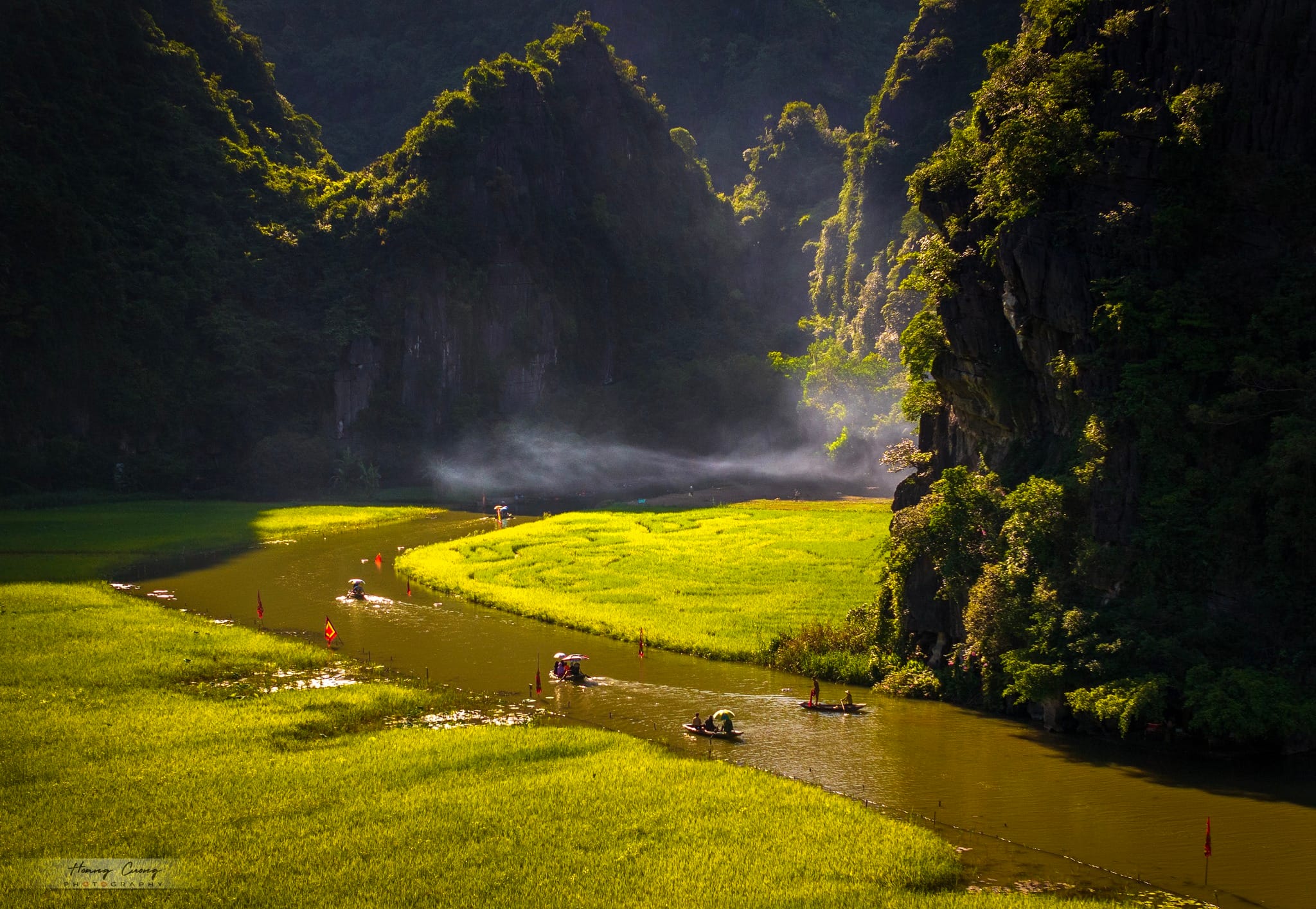
Scouting early morning river routes that rank as the best places to visit in ninh binh.
In Tam Coc, wooden boats drift along the Ngo Dong River beneath limestone cliffs and through three natural caves, with rice fields unfolding beside the water.
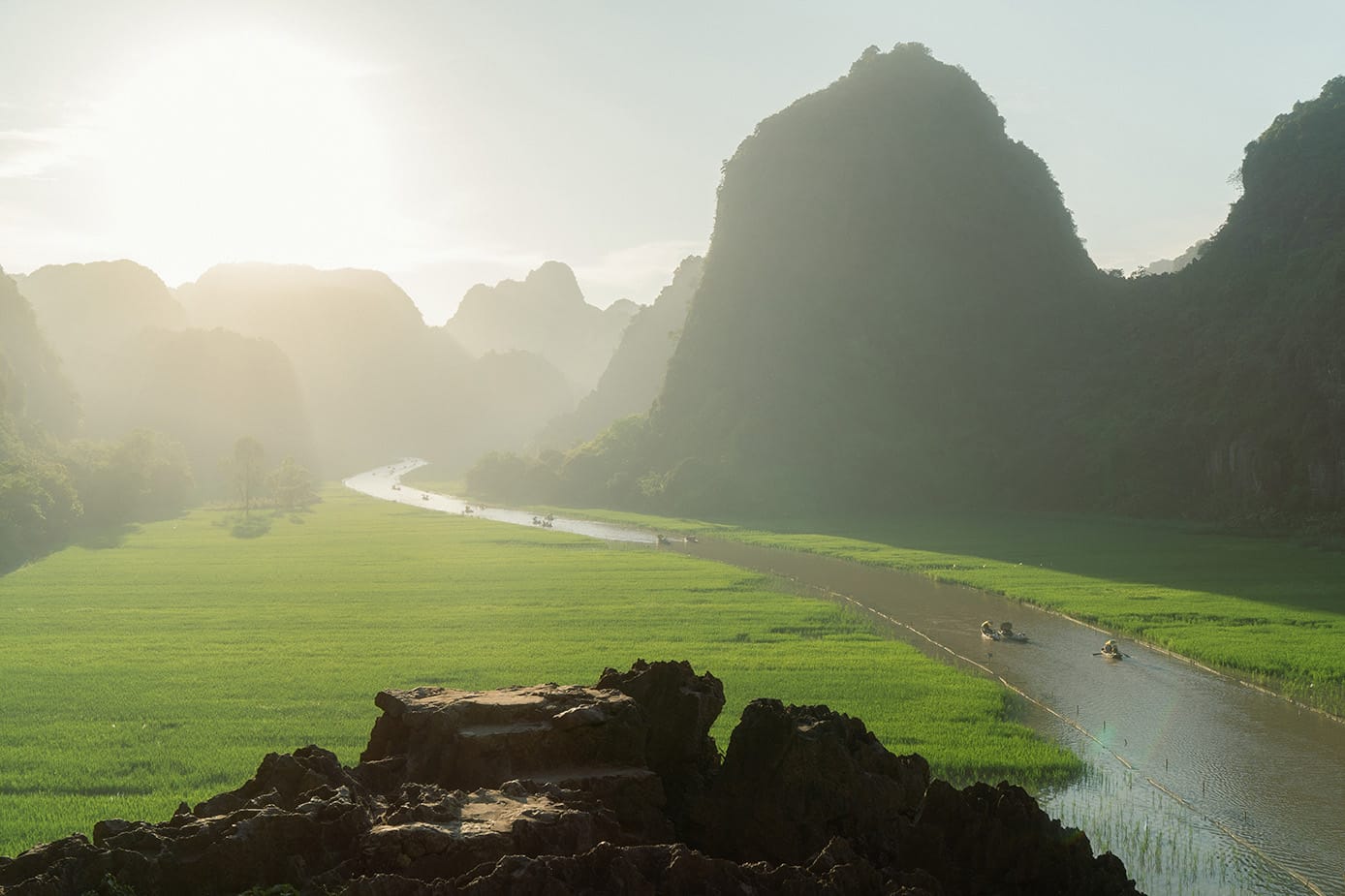
A stunning golden hour perspective of sampans gliding through a limestone river cave.
Recognized universally among the best places to visit in ninh binh, this UNESCO heritage landscape is best explored early in the morning before commercial groups arrive.

Backpackers can cycle down quiet village lanes to Bich Dong Pagoda and Thai Vi Temple. To experience this natural wonder at a truly unhurried pace, anchor your stay at Jiva Hoa Lu Retreat, nestled directly within the ancient valleys of Ninh Binh.

Adding peaceful karst sampan trips to your custom ninh binh itinerary.
Travellers can continue by bicycle to Bich Dong Pagoda, Thai Vi Temple and peaceful surrounding villages. To experience this heritage landscape at a more considered pace, book your stay at Jiva Hoa Lu Retreat, nestled within the ancient valleys of Ninh Binh.
Phong Nha
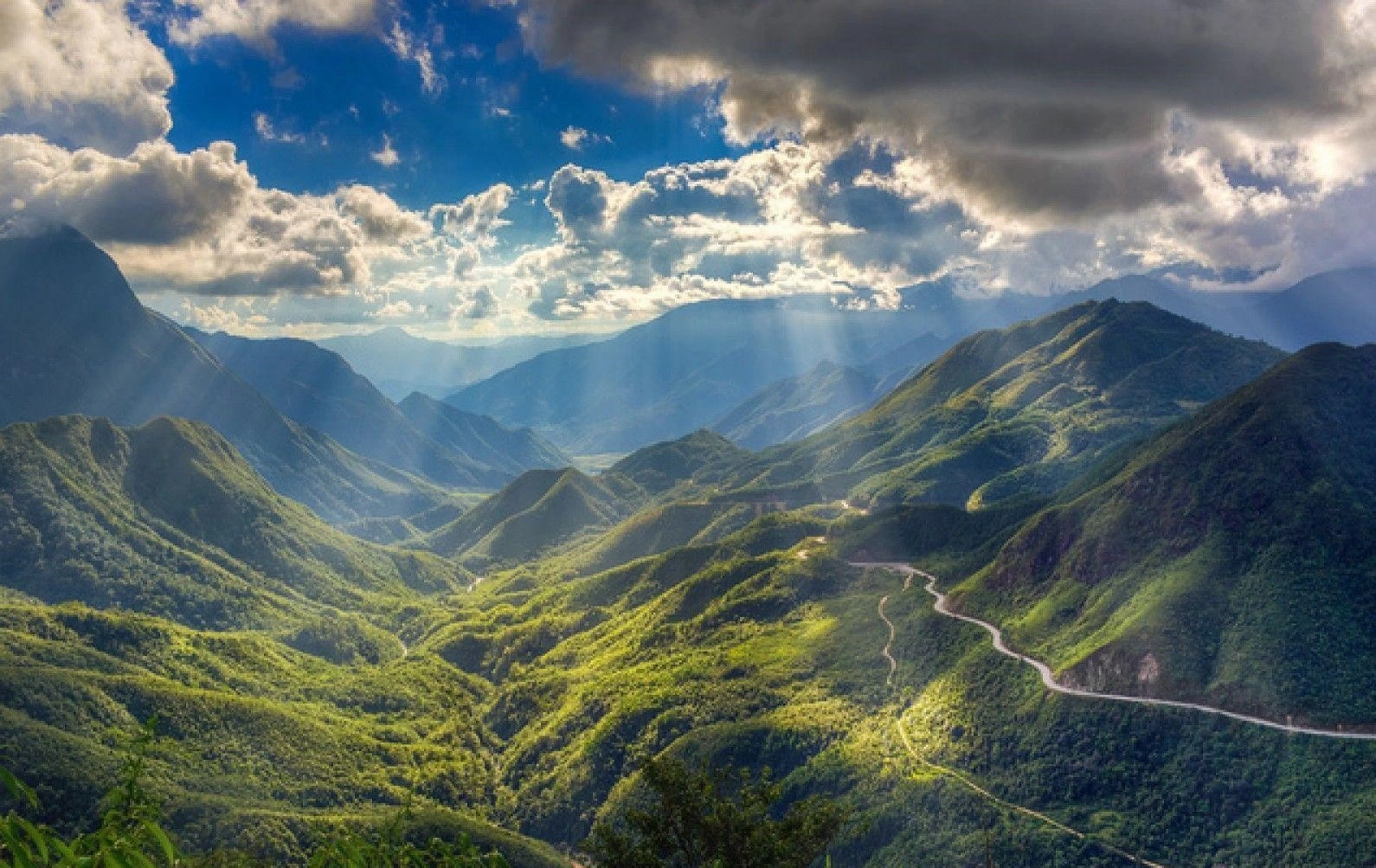
Joining expert cave exploration tours on a backpacking vietnam itinerary.
Phong Nha is often associated with monumental caves, yet its appeal extends far beyond the underground world. Backpackers can cycle through quiet farmland, kayak along rivers, follow forest trails and explore smaller caves with experienced local guides.
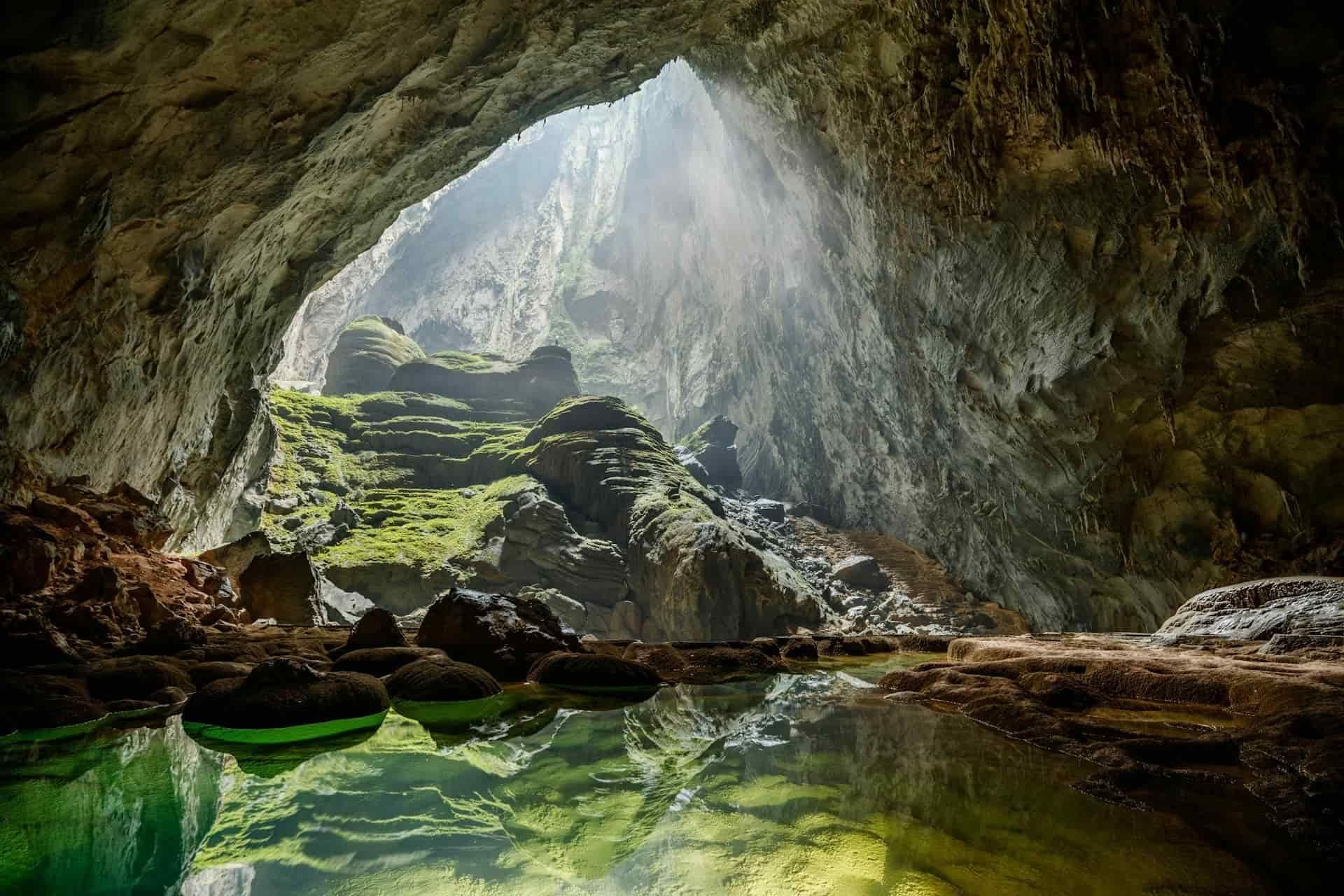
walking beside an underground cave river.
Allowing several days here creates time to appreciate both the scale of Phong Nha–Ke Bang National Park and the peaceful rural communities surrounding it.
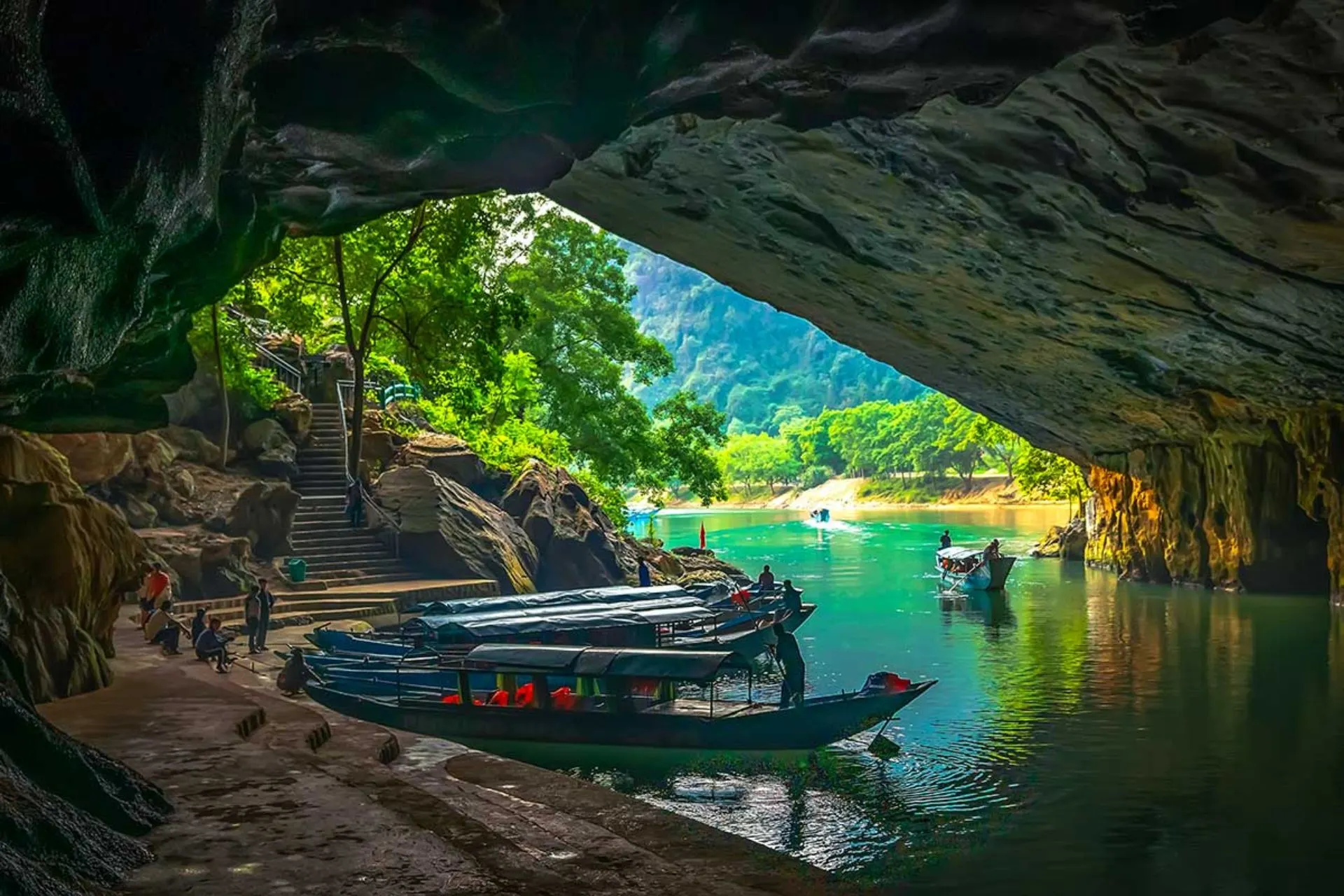
Cycling quiet rural valleys to experience the best of slow travel vietnam.
Tam Giang Lagoon, Hue
Stretching beyond the historic centre of Hue, Tam Giang Lagoon reveals a softer side of central Vietnam. Fishing villages, narrow boats and wooden aquaculture structures create a landscape shaped by generations of life on the water.
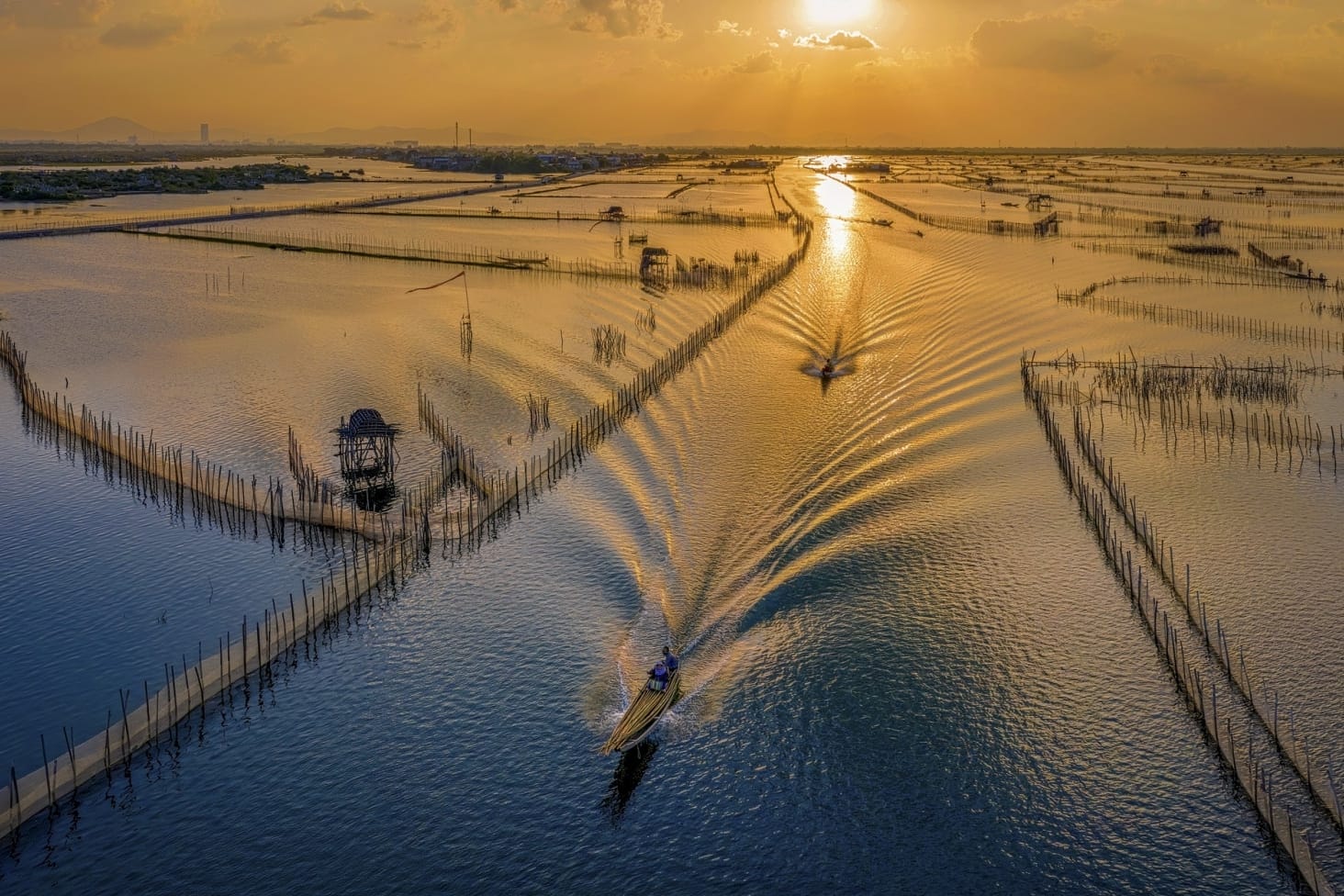
Capturing golden hour sunset views on a romantic couples travel vietnam trip.
Visit around sunset, when the lagoon turns gold, or explore the nearby Ru Cha mangrove forest, where winding paths lead through dense, reflective greenery.
Ly Son Island
Formed by ancient volcanic activity, Ly Son Island combines rugged cliffs, clear water, coastal temples and distinctive fields of garlic and onions. Travellers can ride around the island, climb to elevated viewpoints and snorkel in the surrounding sea.
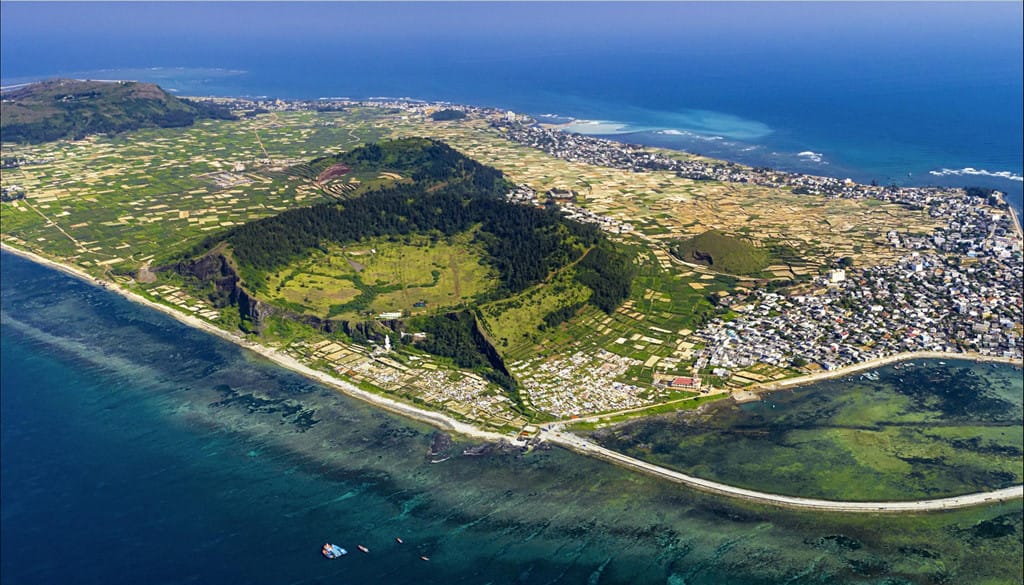
Discovering volcanic coastal islands on an independent backpacking vietnam itinerary.
Its compact size makes it easy to explore over several days, although the island’s unhurried atmosphere may encourage you to remain longer than planned.
Quy Nhon
Quy Nhon retains the relaxed character of a coastal fishing town, with open beaches, quiet bays and seafood restaurants overlooking the water.

Finding quiet beach destinations away from commercial resort cities.
A motorbike journey along the surrounding coast reveals secluded coves and broad sea views, while nearby Cham towers introduce another layer of regional history. It is an appealing alternative for backpackers who prefer a slower seaside stay away from larger resort cities.
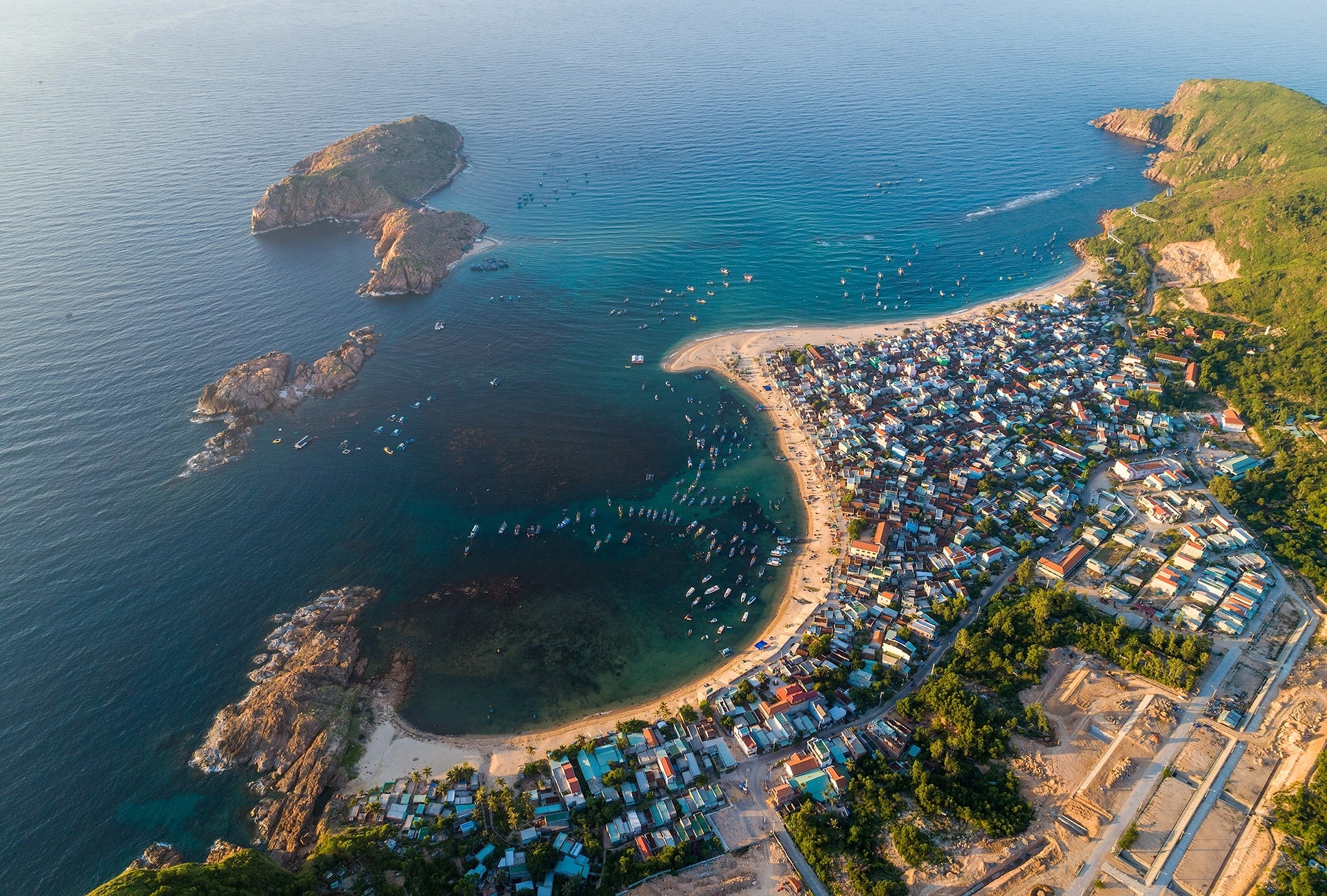
Exploring uncrowded central beach coves on a backpacking vietnam itinerary.
Phu Yen
Between Quy Nhon and Nha Trang, Phu Yen remains one of central Vietnam’s most understated coastal destinations. Its landscape moves between long beaches, green hills, fishing communities and striking geological formations.
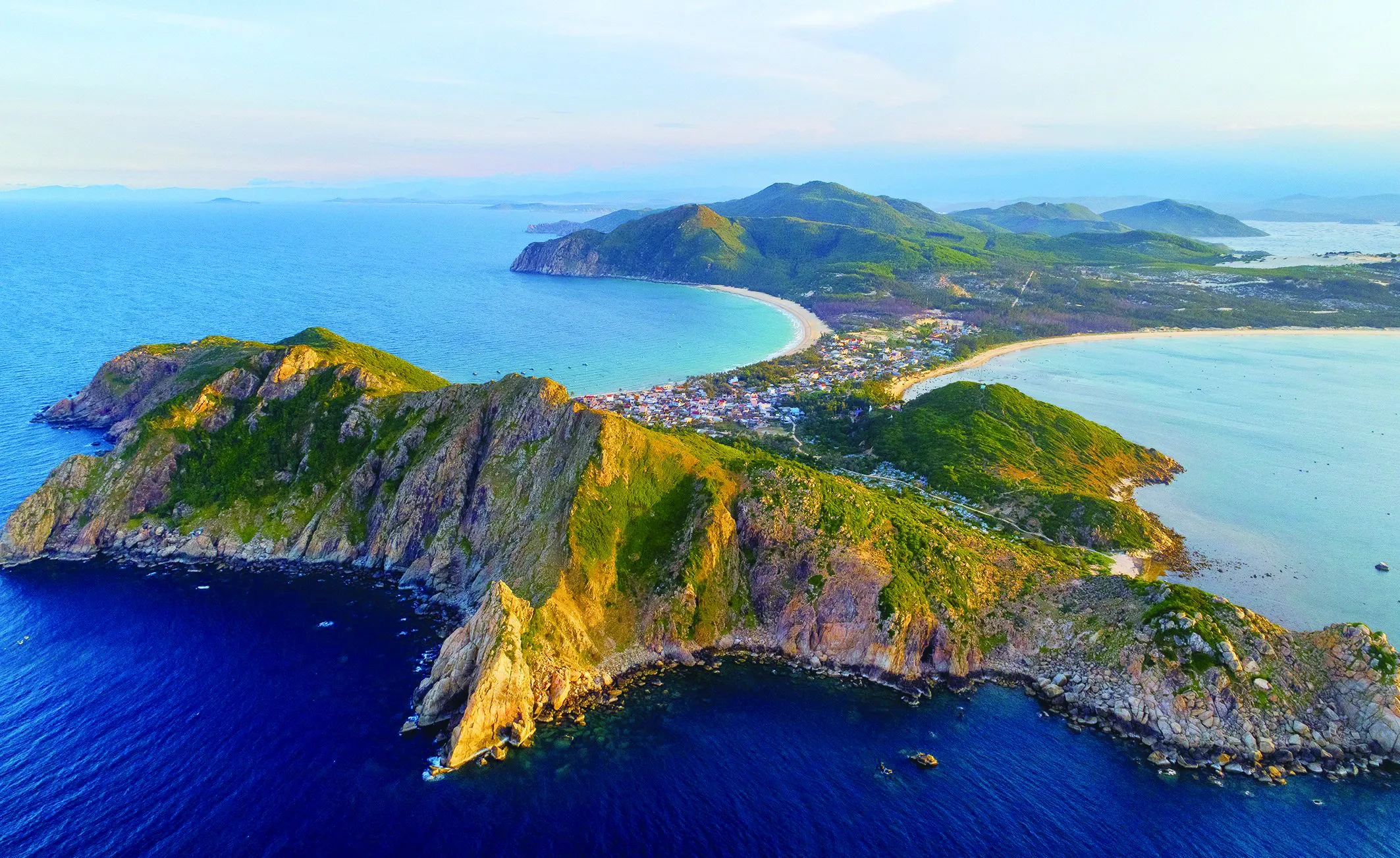
Riding scenic coastal highways to discover authentic slow travel vietnam highlights.
Travellers can explore the coastline around Tuy Hoa, visit Ganh Da Dia and follow quiet roads between bays and villages, discovering a region that still feels spacious, local and refreshingly unhurried.
Mang Den
Set on a cool plateau in the Central Highlands, Mang Den is surrounded by pine forests, lakes, waterfalls and misty country roads. The mild climate makes it a refreshing pause between Vietnam’s warmer coastal destinations.
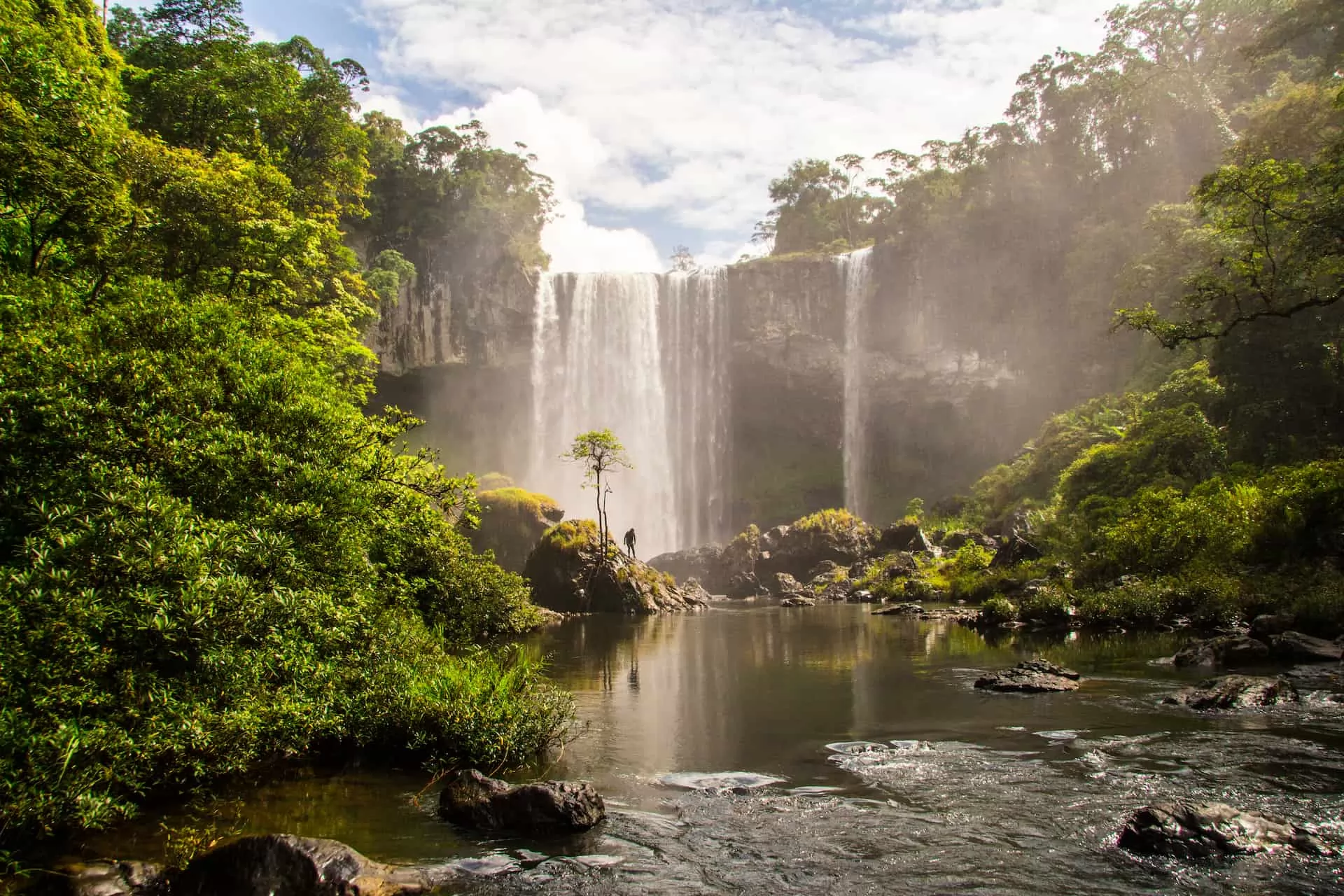
Escaping to cool pine-forested plateaus during your backpacking vietnam itinerary.
Beyond its natural scenery, the area is home to several ethnic communities, offering travellers an opportunity to encounter regional traditions while supporting locally guided and community-based experiences.
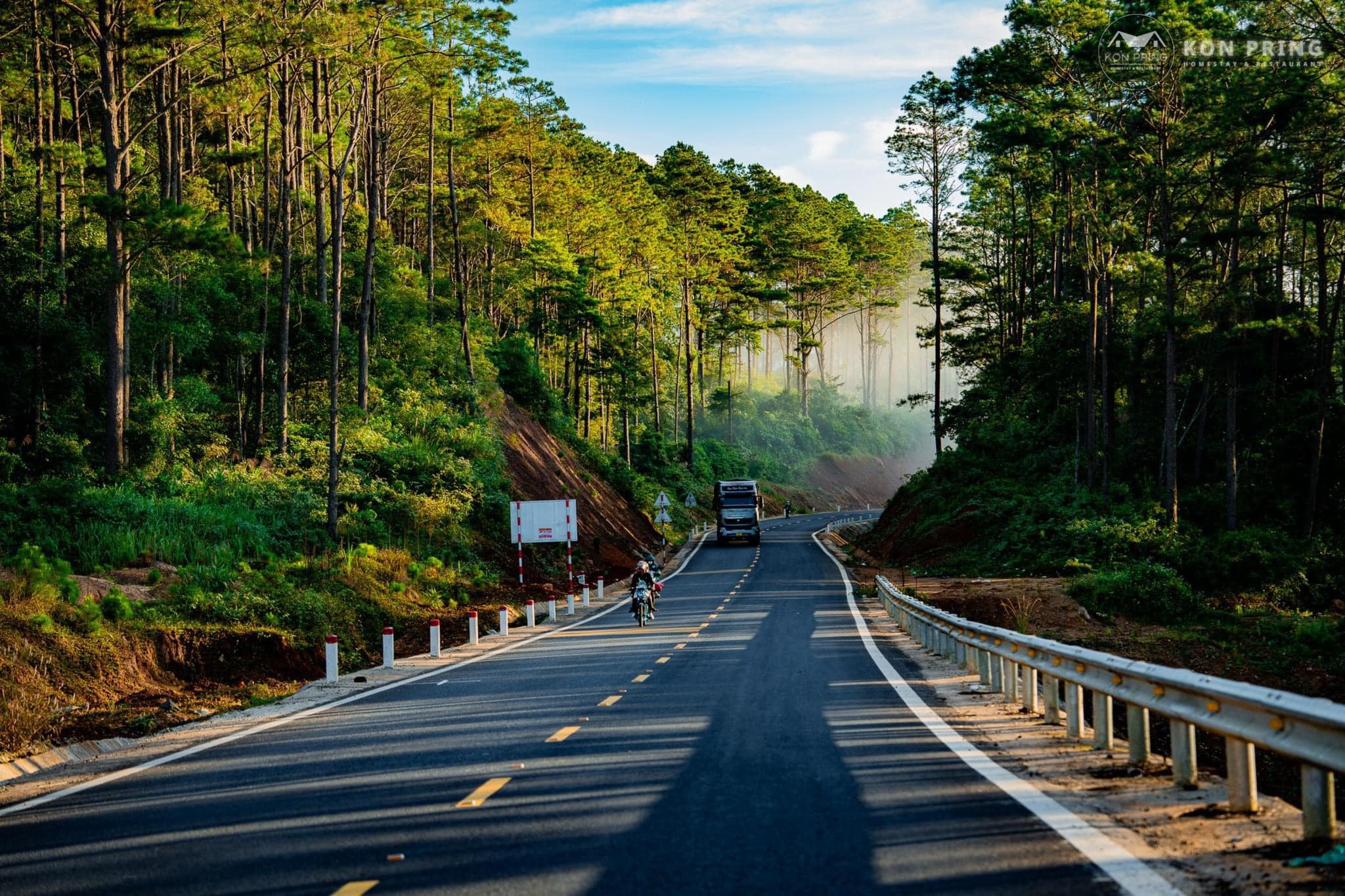
A peaceful road winding through tall green pine forests in the cool highlands.
Lak Lake, Dak Lak
Lak Lake lies within a peaceful highland landscape of forest, farmland and ethnic minority villages.
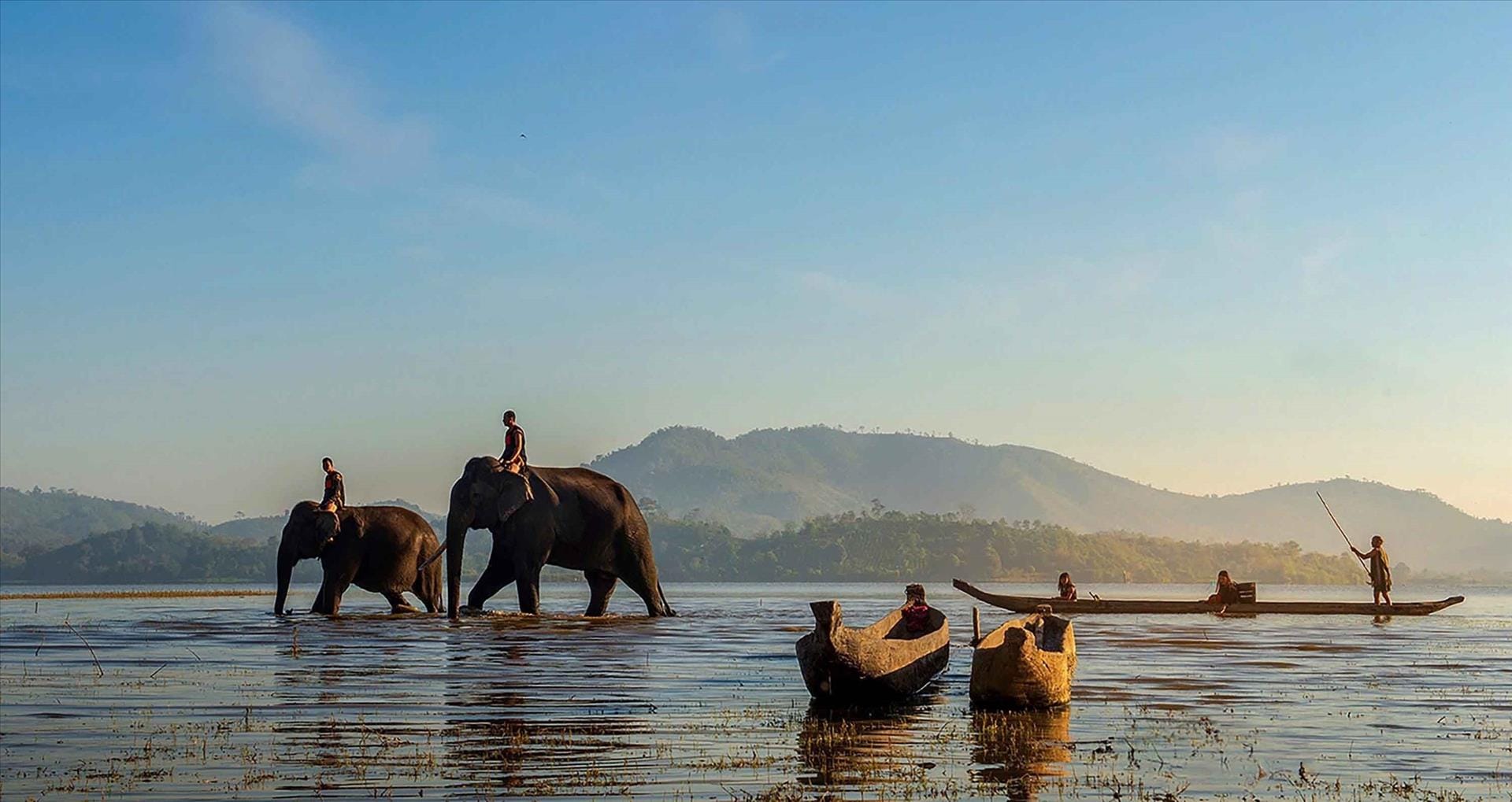
Learning local highland traditions on a custom slow travel vietnam tour.
Travellers can cross the water by traditional dugout canoe, explore nearby settlements and learn more about the culture of the Central Highlands.
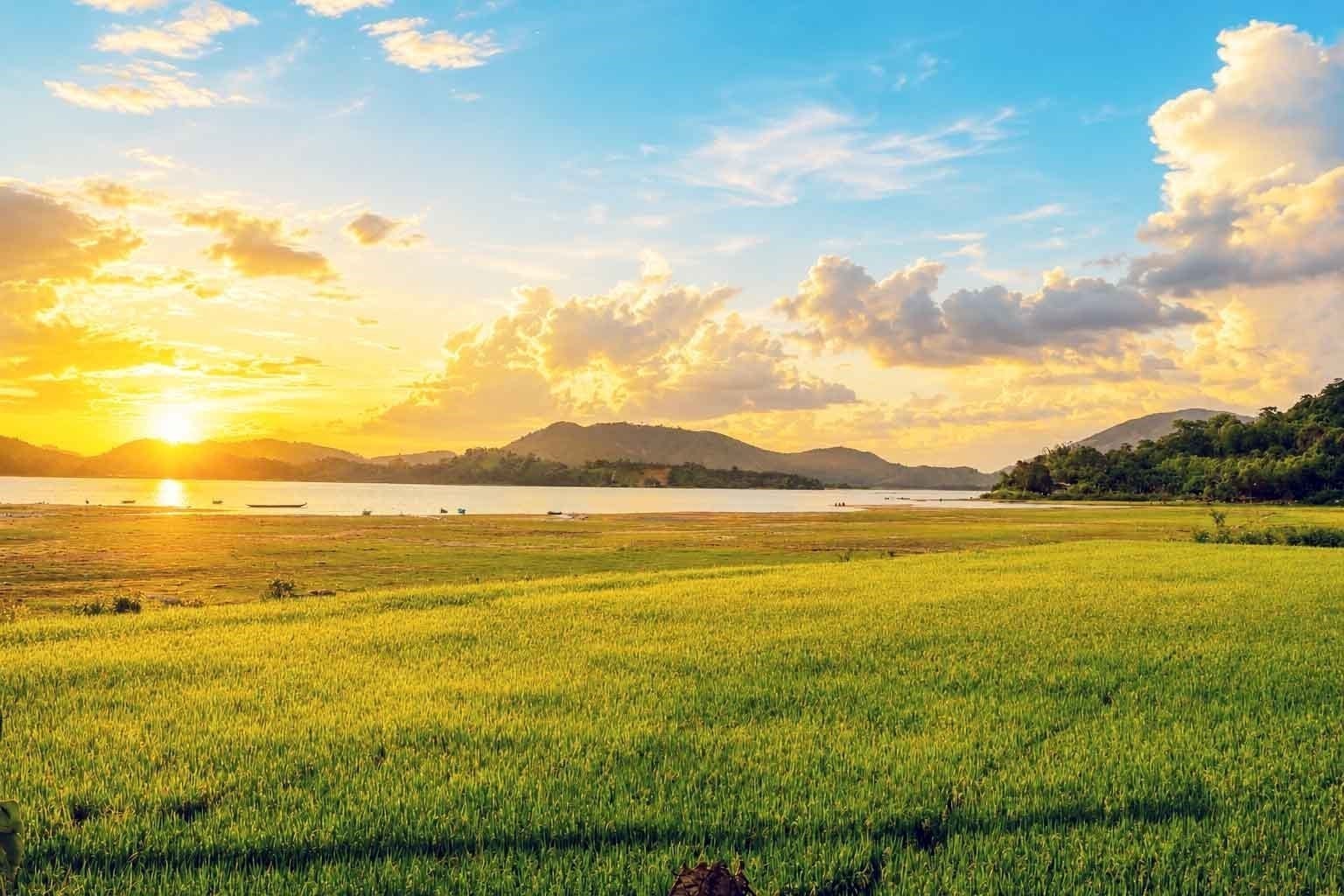
A wooden dugout canoe moving smoothly across the calm waters of Lak Lake at sunset.
Combined with the coffee traditions of Buon Ma Thuot and the wilderness of Yok Don National Park, it creates a rewarding detour from Vietnam’s familiar coastal route.
Con Dao
Con Dao brings together pristine beaches, forested hills, marine life and a deeply moving historical legacy.
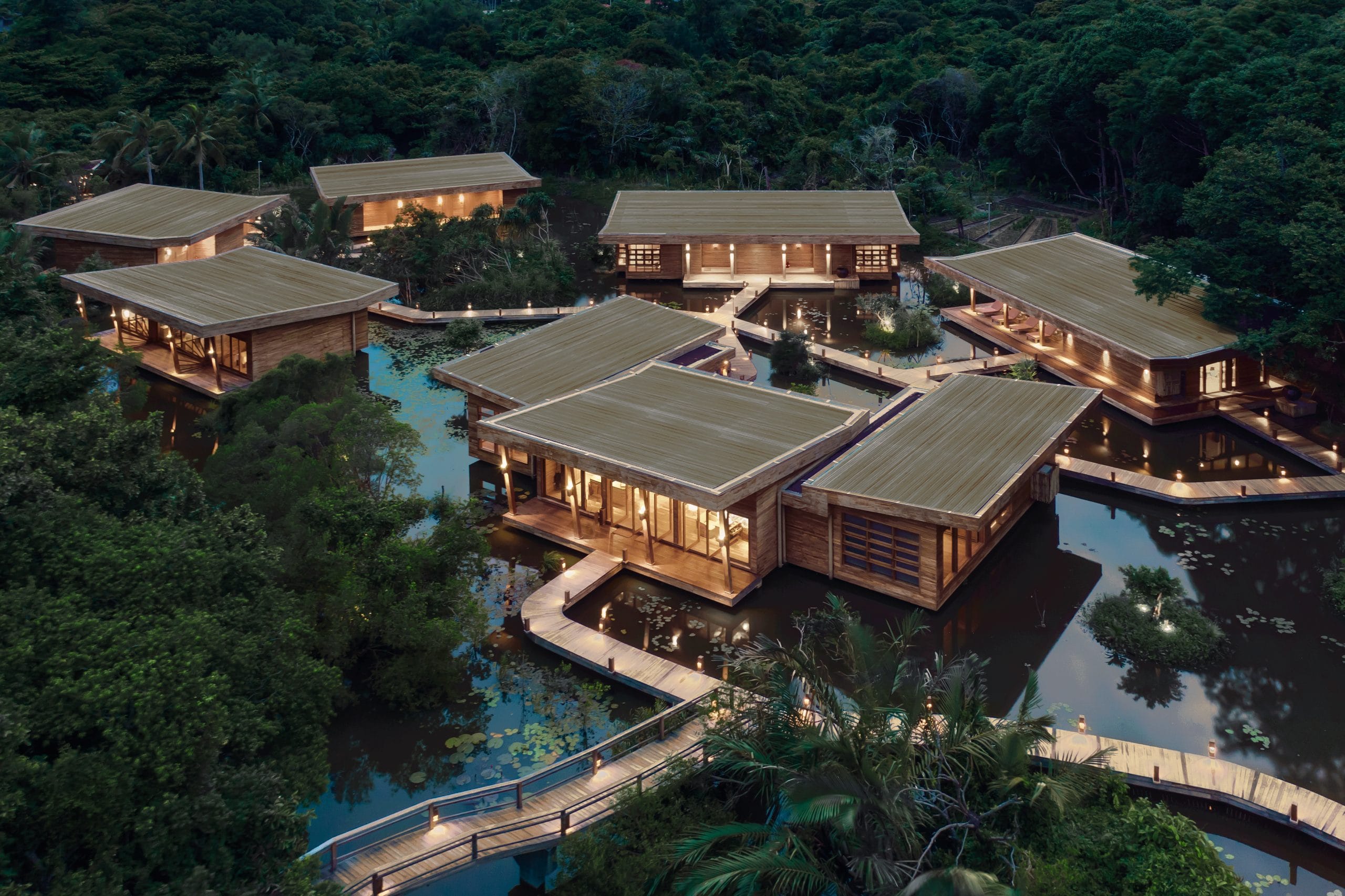
A serene wide shot of native water birds resting on the branches of a dense cajuput forest canopy.
Days can be spent hiking, snorkelling or following quiet coastal roads, while visits to the former prison sites reveal an important chapter of Vietnam’s past. The archipelago’s distance from the mainland gives it a sense of stillness that feels especially restorative after weeks of continuous travel.
Chau Doc and Tra Su Forest
Near the Cambodian border, Chau Doc reflects the cultural diversity of the Mekong Delta through its Cham communities, temples, markets and riverside neighbourhoods.
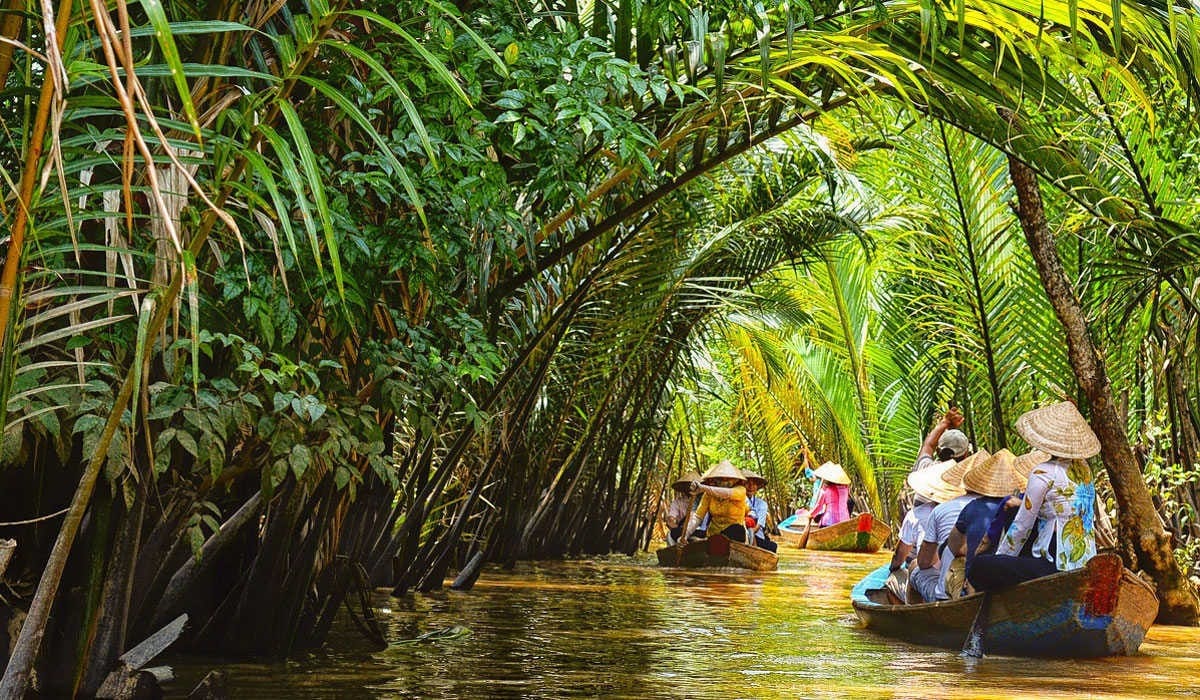
Gliding through vibrant green cajuput forests on a backpacking vietnam itinerary.
Nearby Tra Su Cajuput Forest is best explored by small boat, gliding beneath a canopy of green through wetlands rich in birdlife. Together, they offer a colourful and atmospheric final chapter to a southbound backpacking journey.
Ideal Backpacking Itineraries Through Vietnam
Vietnam can be explored in many different ways, but the most rewarding journeys are often those that leave enough time to notice the details between destinations.

Asian woman wearing vietnam culture traditional at Hoi An ancient town, Vietnam. Hoi An is one of the most popular destinations in Vietnam from Korea, Thailand, USA, Japan, China
Whether you have two weeks, three weeks or a full month, these suggested routes balance celebrated highlights with quieter landscapes, local encounters and moments of rest along the way.
Two-Week Backpacking Vietnam Itinerary
A two-week journey through Vietnam requires thoughtful planning, so it is best to focus on a carefully selected route rather than trying to see everything.
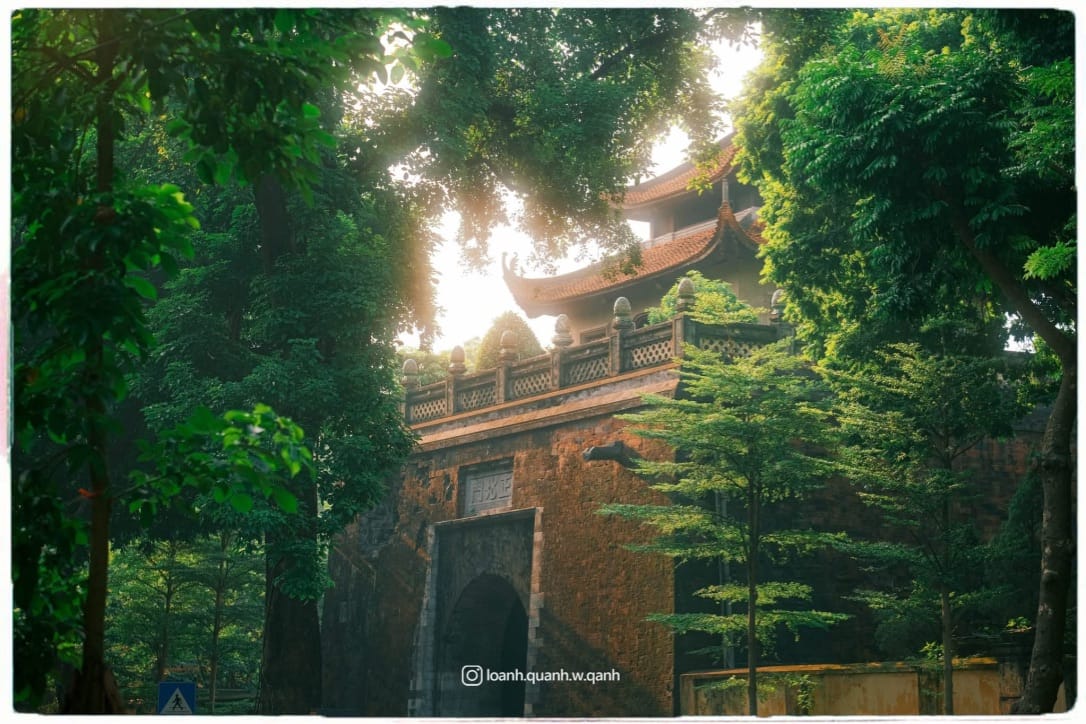
Combining active outdoor adventure and cultural stops on a northern vietnam travel loop
Begin with two days in Hanoi, where the narrow streets of the Old Quarter, traditional markets and neighbourhood cafés offer an atmospheric introduction to northern Vietnam.
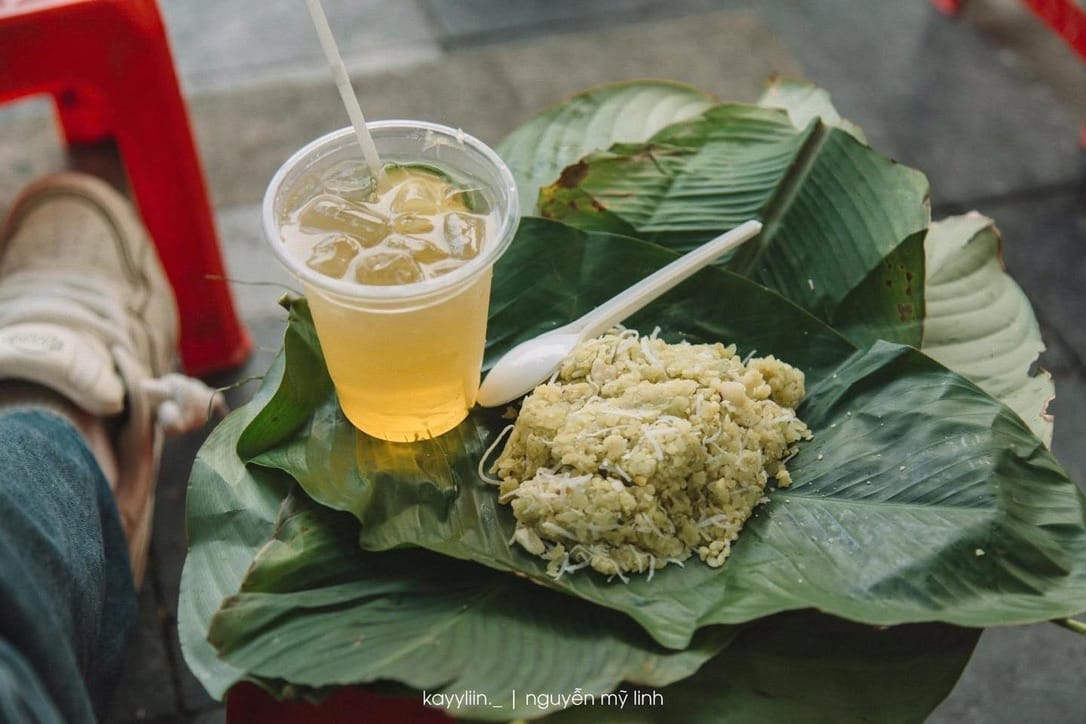
An independent traveler studying a detailed physical route map over fresh coffee in a sunny courtyard.
From the capital, continue to Ha Giang for three days. Joining the Ha Giang Loop allows you to travel through mountain passes, ethnic minority villages and some of the country’s most dramatic highland scenery.
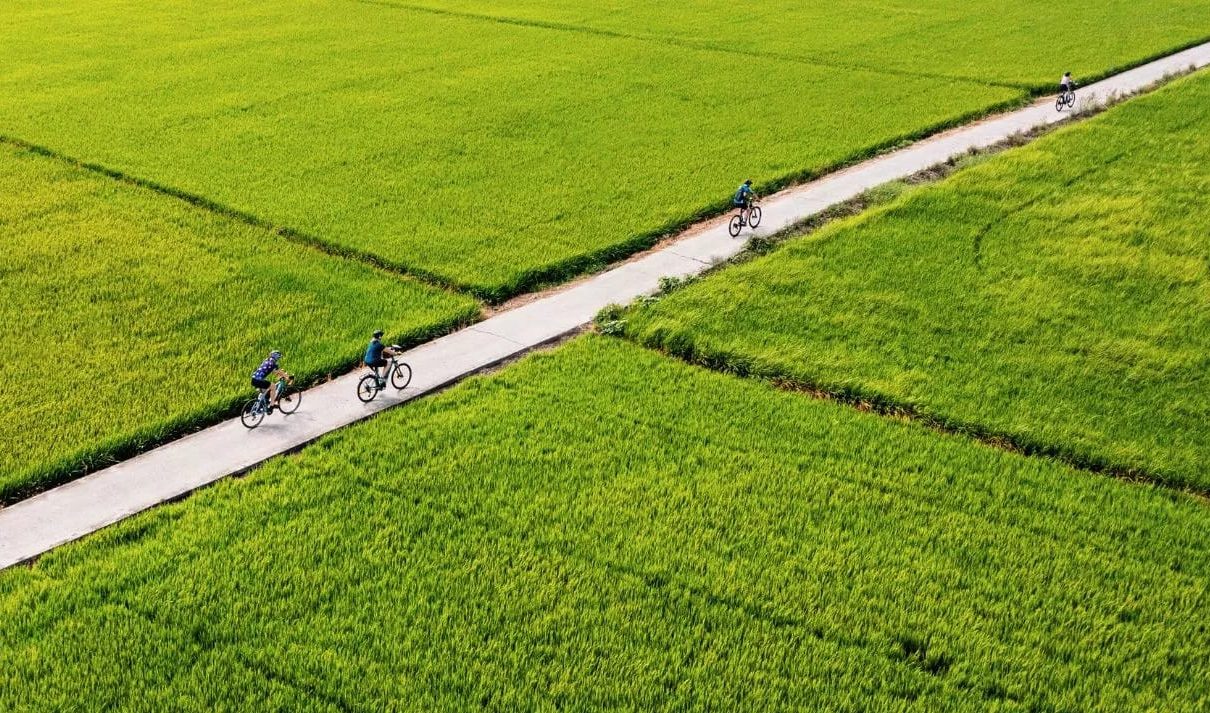
Spend the following two days in Tam Coc, Ninh Binh. A sampan journey along the Ngo Dong River, a bicycle ride through surrounding villages and a visit to Bich Dong Pagoda provide a gentler contrast to the mountain roads of Ha Giang.
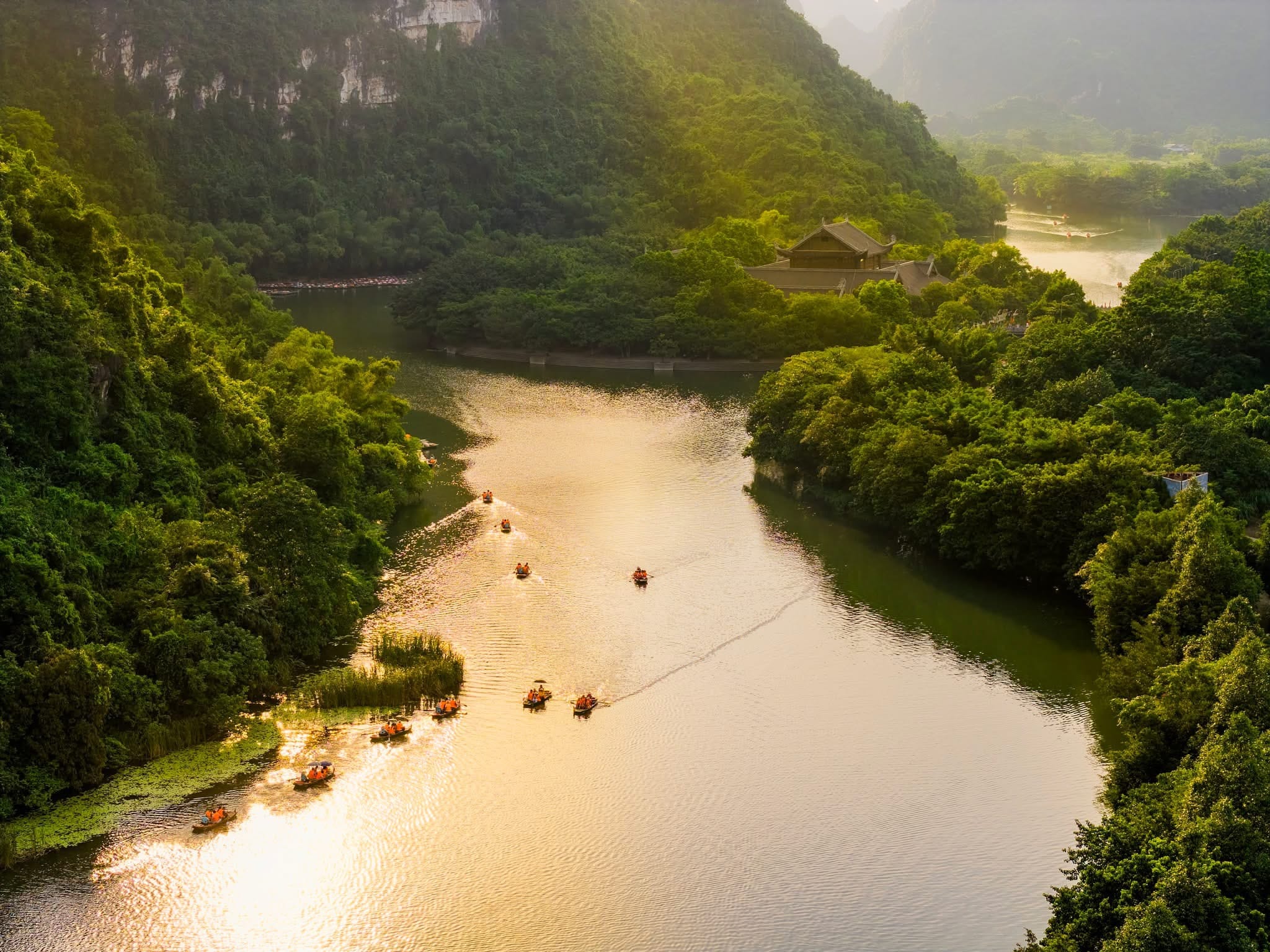
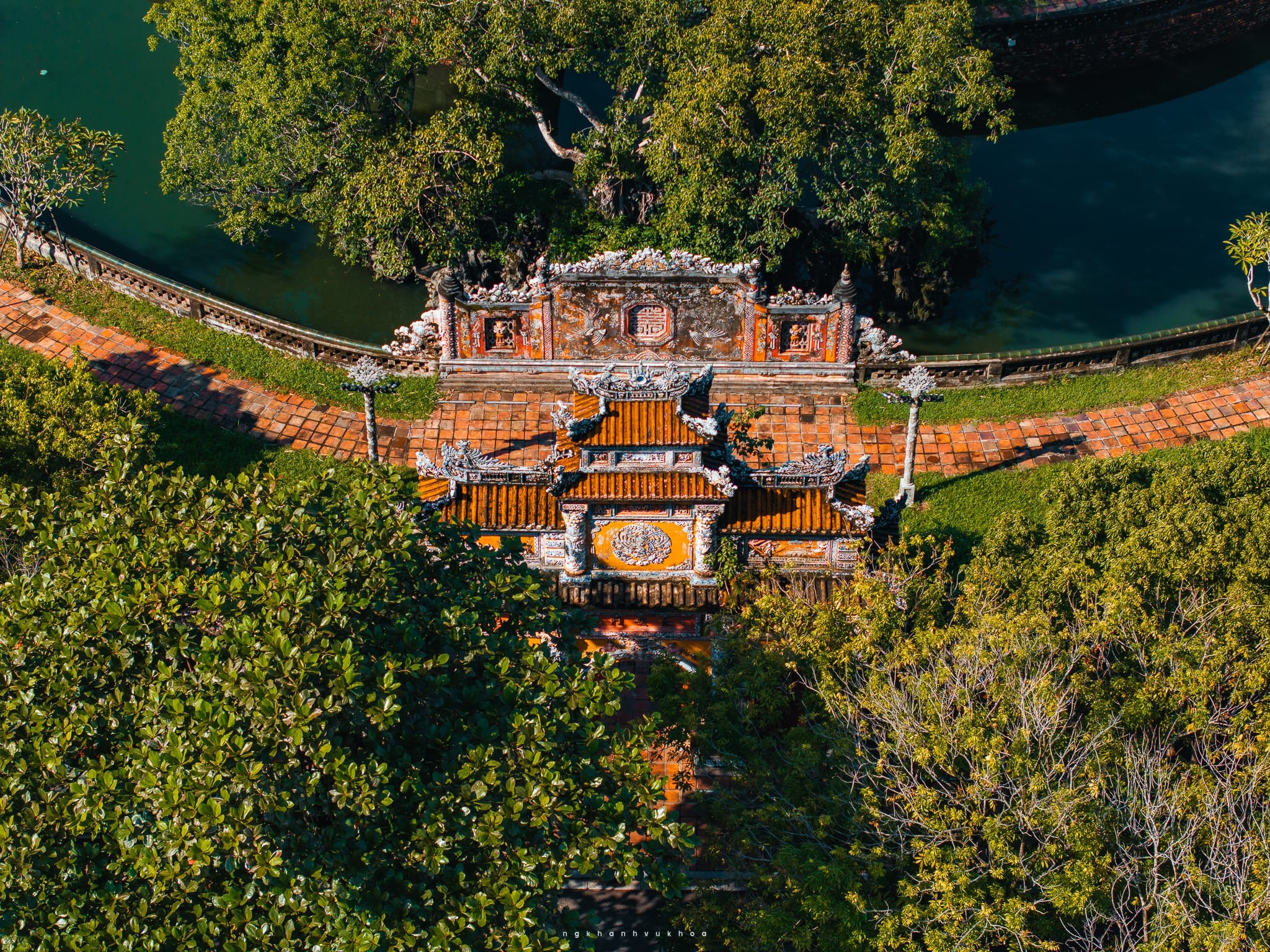
Travel south by overnight train to Hue and spend two days discovering the Imperial City, royal tombs and the quiet banks of the Perfume River. Continue to Hoi An for another two days, allowing time for the Ancient Town, nearby countryside and traditional craft villages.
default
Finish the journey with three days in Ho Chi Minh City. Explore the city’s historic neighbourhoods, markets and contemporary food scene, with the option of a day trip to the Mekong Delta before departing.
Three-Week Backpacking Vietnam Itinerary
Three weeks offers a more comfortable pace and allows you to experience Vietnam’s regional diversity without feeling constantly in transit.
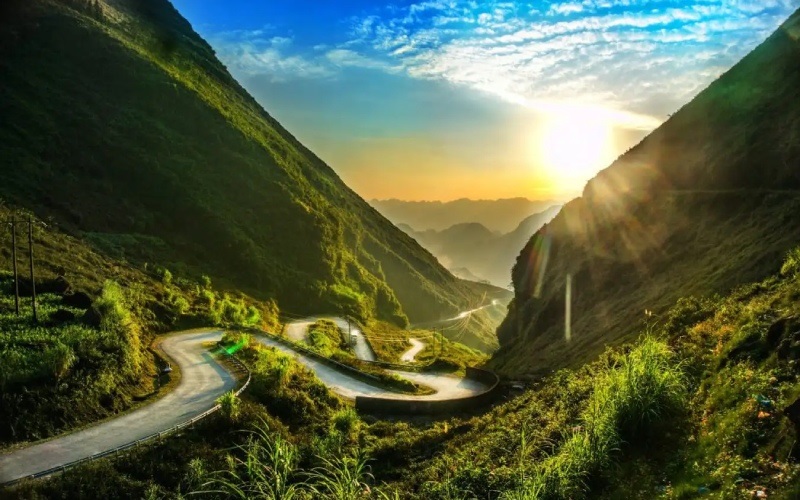
Spend your first three days in Hanoi, combining historic landmarks with street food, local cafés and walks through the city’s older residential quarters. Continue north for four days on the Ha Giang Loop, travelling slowly enough to stay in mountain villages and appreciate the changing landscapes between each pass.
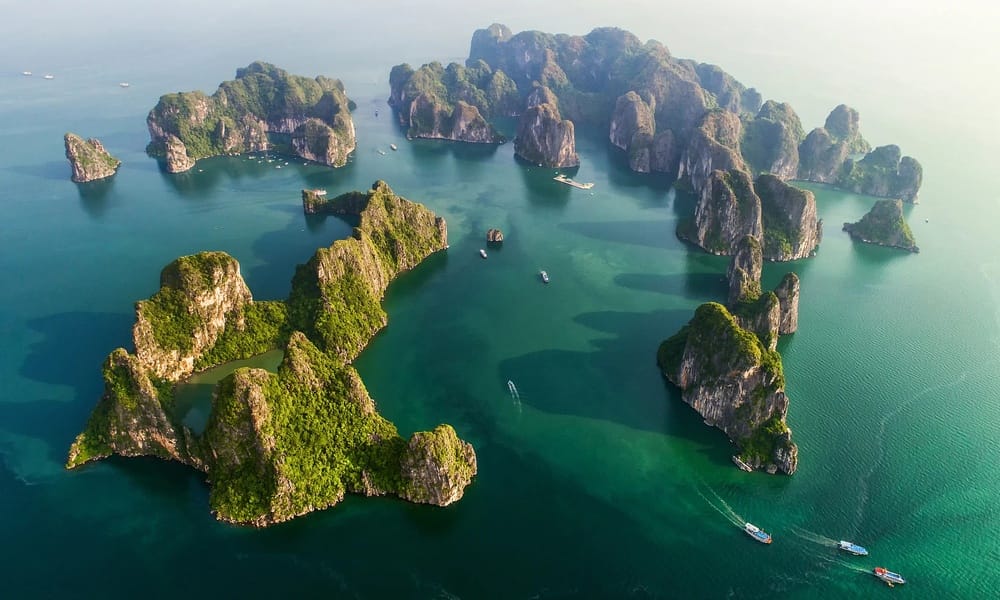
From Ha Giang, return towards the coast and spend two days on Cat Ba Island or around Lan Ha Bay. Kayaking between limestone formations and visiting small floating communities offers a quieter alternative to the busiest parts of Ha Long Bay.

Continue to Tam Coc for two days of river journeys, cycling and rural exploration before taking an overnight train towards Phong Nha. Allow two days here to discover the region’s caves, forest trails and peaceful countryside.
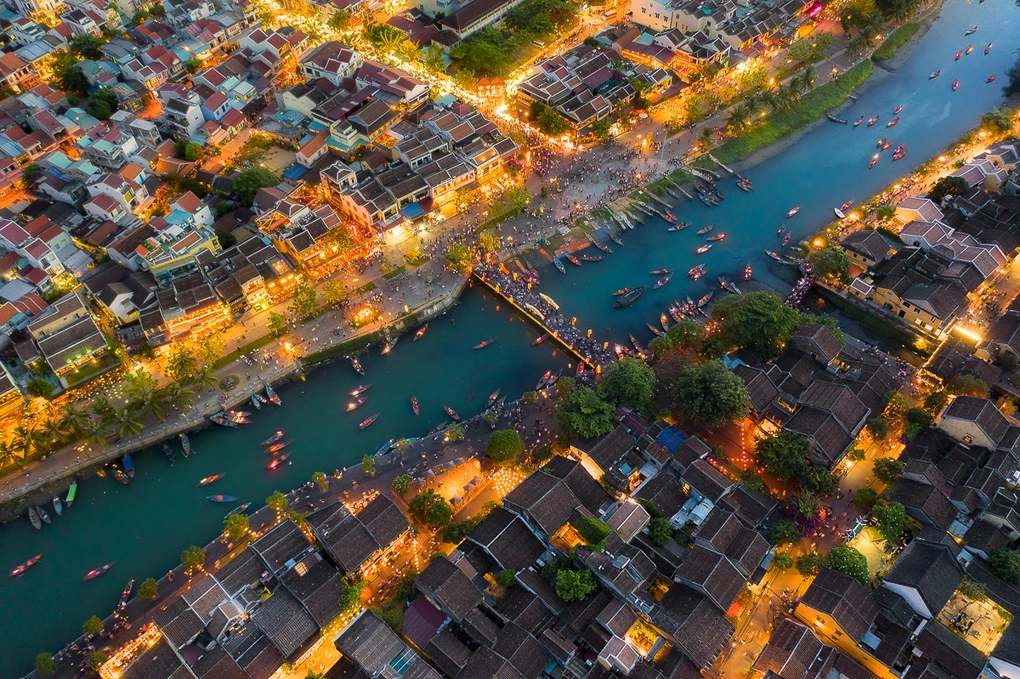
The next stage of the journey leads through central Vietnam. Spend two days in Hue, followed by three days in Hoi An and Da Nang. This gives you time for imperial history, local cuisine, heritage streets and a slower day beside the coast.
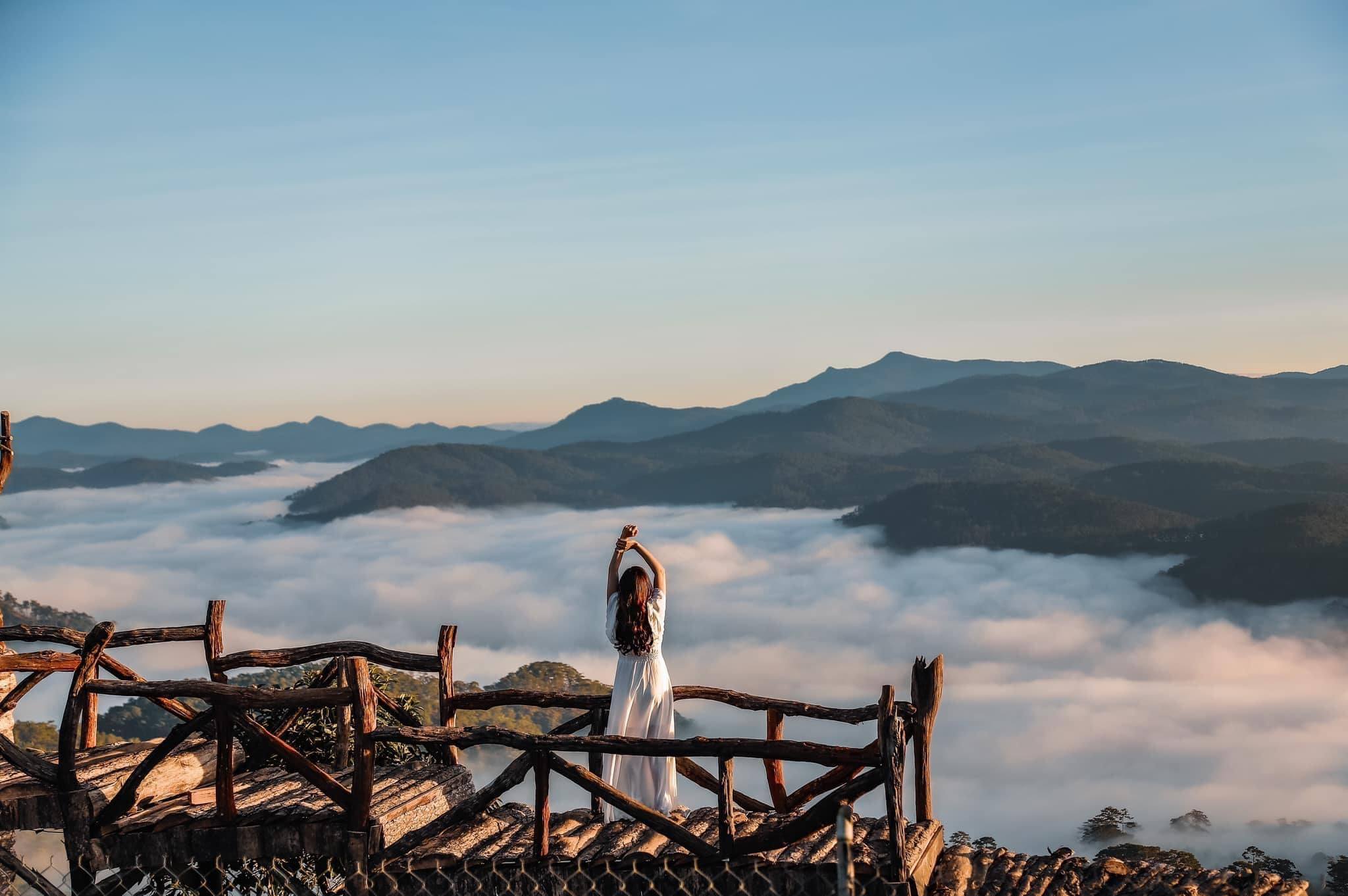
Fly or travel overnight to Da Lat for two days among pine forests, coffee farms and highland waterfalls. Conclude with three days in Ho Chi Minh City, using the final day for a journey into the Mekong Delta or a relaxed exploration of the city’s lesser-known neighbourhoods.
30-day Backpacking Vietnam Itinerary
A full month allows Vietnam to unfold gradually. Rather than moving every day, you can include remote destinations, slower transfers and spontaneous changes along the way.
Begin with three days in Hanoi before travelling to Ha Giang for four days on the loop. From there, continue east to Cao Bang for three days. Ban Gioc Waterfall, limestone valleys and Tay and Nung villages make this one of the most scenic detours in northern Vietnam.
Return towards the coast and spend two days on Cat Ba Island or around Lan Ha Bay. Follow this with three days in Tam Coc, where an additional day creates time to explore beyond the main river route and discover quieter temples, villages and countryside paths.
Travel overnight to Phong Nha and remain for three days. Alongside its famous caves, the area offers cycling routes, river activities and forest experiences that reward a slower visit.
Continue south for two days in Hue and three days in Hoi An. After exploring the heritage towns of central Vietnam, follow the coast to Quy Nhon for two days of beaches, fishing villages and relaxed local dining.
Travel inland to Da Lat for two days among the cooler landscapes of the Central Highlands. Then continue to Ho Chi Minh City for three days, allowing time for both well-known landmarks and the city’s everyday rhythms.
Complete the journey with three days in the Mekong Delta. Can Tho, Chau Doc or a family-run homestay in a smaller riverside community can offer a memorable conclusion shaped by floating markets, orchards, waterways and the quiet pace of southern rural life.
Best Time for Backpacking Vietnam
Vietnam can be explored throughout the year, although the best time for your journey depends on the regions included in your route. Because the country stretches across several climate zones, sunshine in one area may coincide with rain or cooler weather elsewhere.
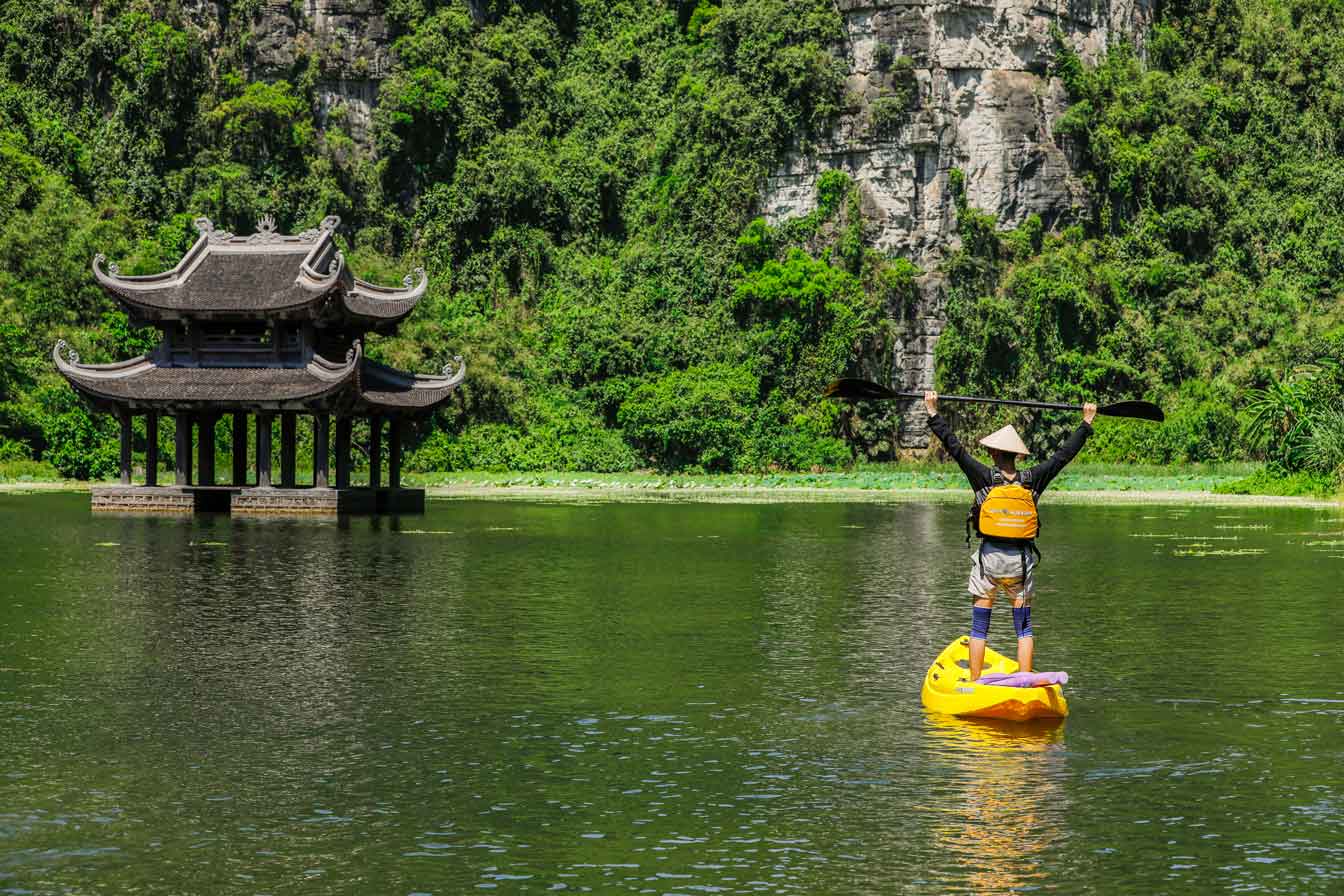
Northern Vietnam is generally most pleasant from March to April and from September to November, when temperatures are comfortable for exploring Hanoi, Ninh Binh and the mountain provinces. Winter can be cold and misty in Ha Giang and Sapa, while summer often brings heat and heavy rainfall
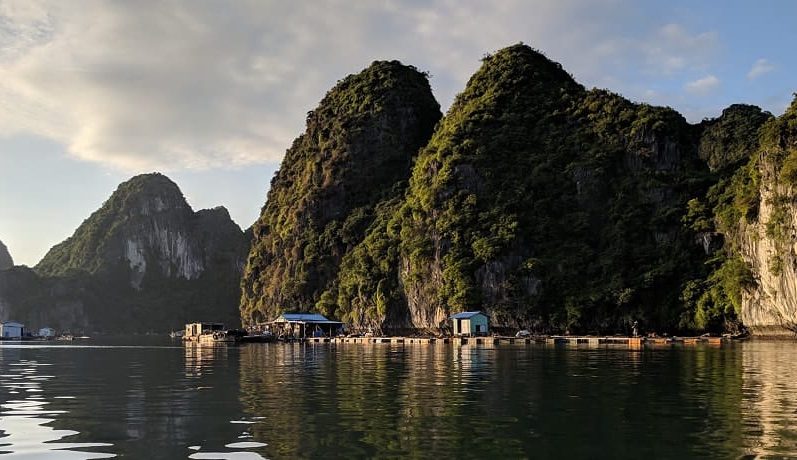
Central Vietnam is typically driest from February to August, making this a favourable period for Hue, Hoi An and the surrounding coastline. However, the region may experience storms and flooding later in the year.
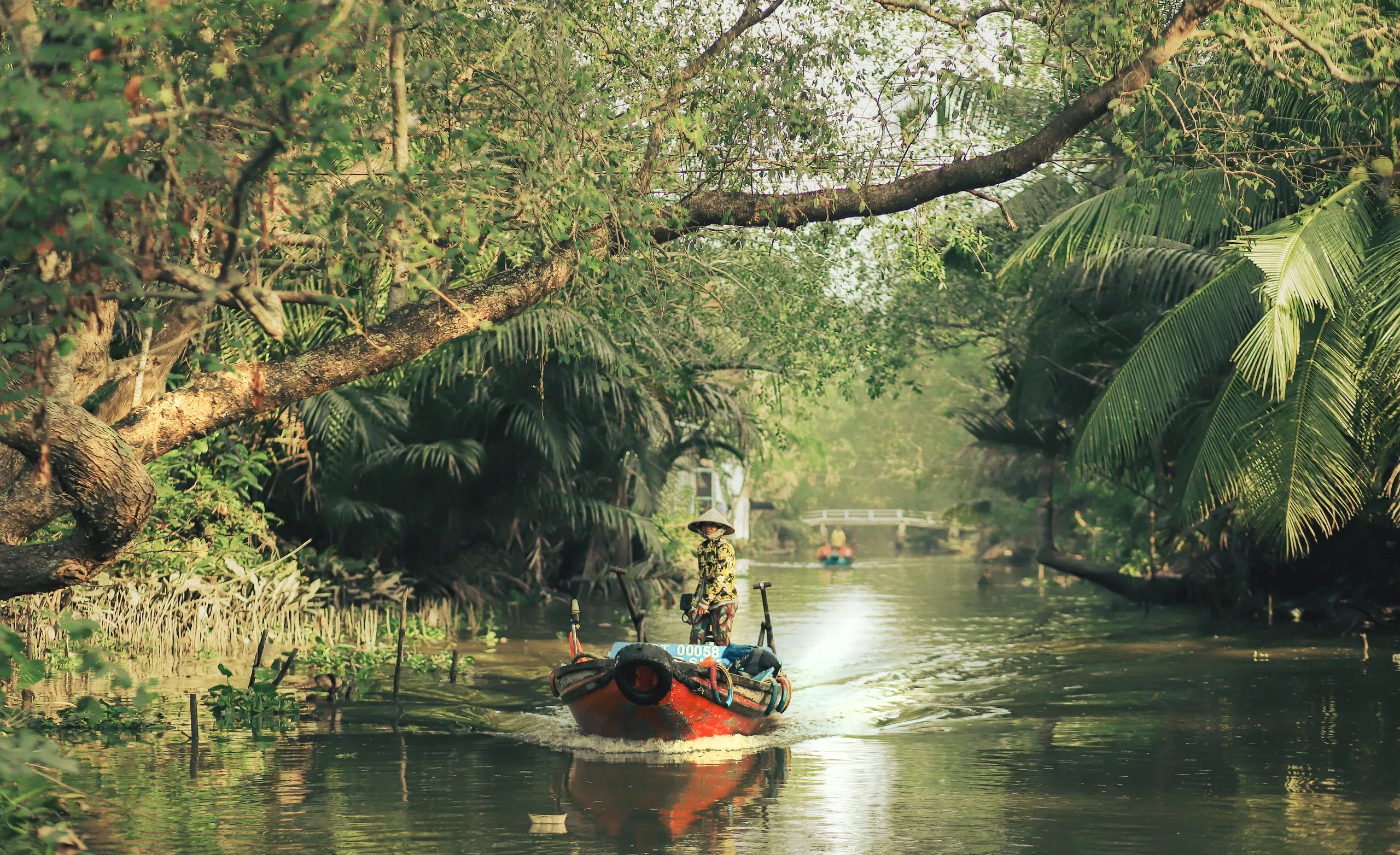
Southern Vietnam remains warm throughout the year. The dry season, from December to April, is particularly convenient for Ho Chi Minh City, the Mekong Delta and southern islands. Whenever you travel, check regional conditions and keep your itinerary flexible.
Jiva Hoa Lu Retreat: The Pinnacle Sanctuary to Start or Conclude Your Vietnam Expedition

Navigating a long-distance backpacking vietnam itinerary across bustling transit hubs can occasionally leave even seasoned travelers needing physical rest and mental clarity.
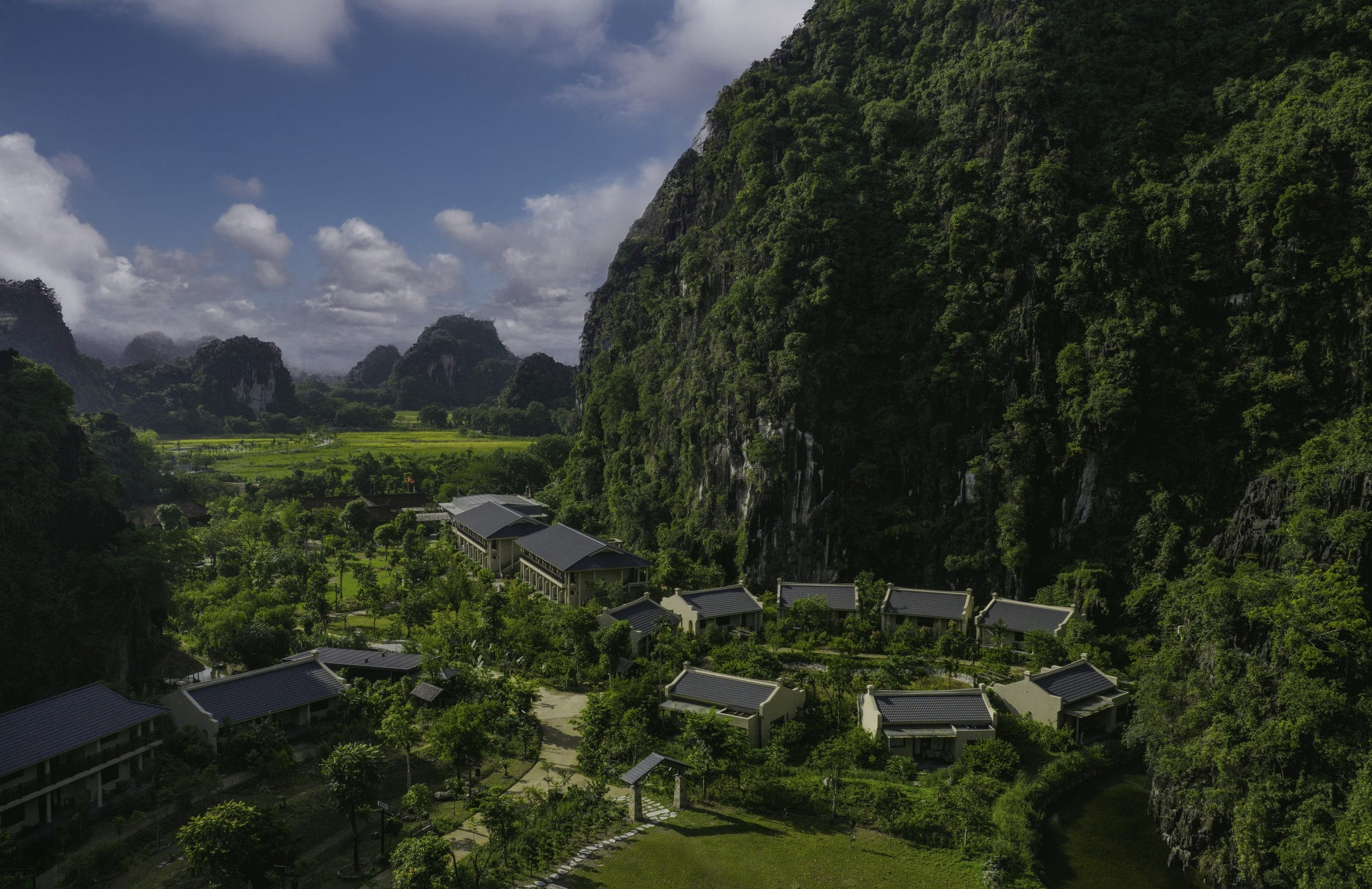
Resting at Jiva Hoa Lu Retreat to recharge your body during a multi-week backpacking vietnam itinerary.
Jiva Hoa Lu Retreat serves as the definitive eco-luxury sanctuary, offering the ultimate intermediate basecamp to begin, pause, or conclude your adventure across Vietnam.
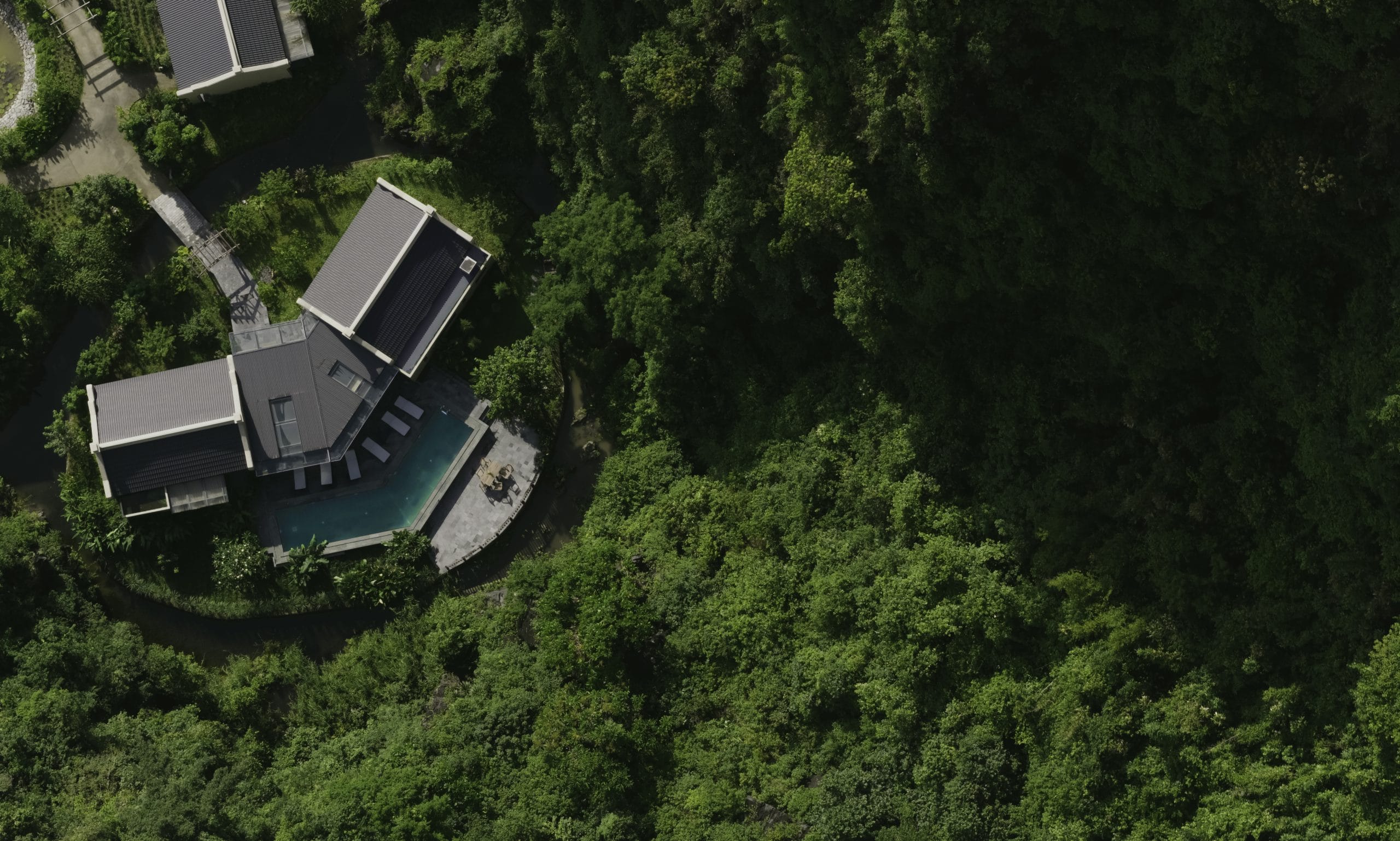
recharge your body during a multi-week backpacking vietnam itinerary
Tucked away within a secluded valley in Ninh Binh, this retreat bridges the gap between raw natural exploration and deep, restorative wellness.
The Strategic Intermediate Basecamp
Positioned right along the main North-South transit artery, Jiva Hoa Lu Retreat allows independent travelers and couples to take a well-deserved break between intense travel legs.
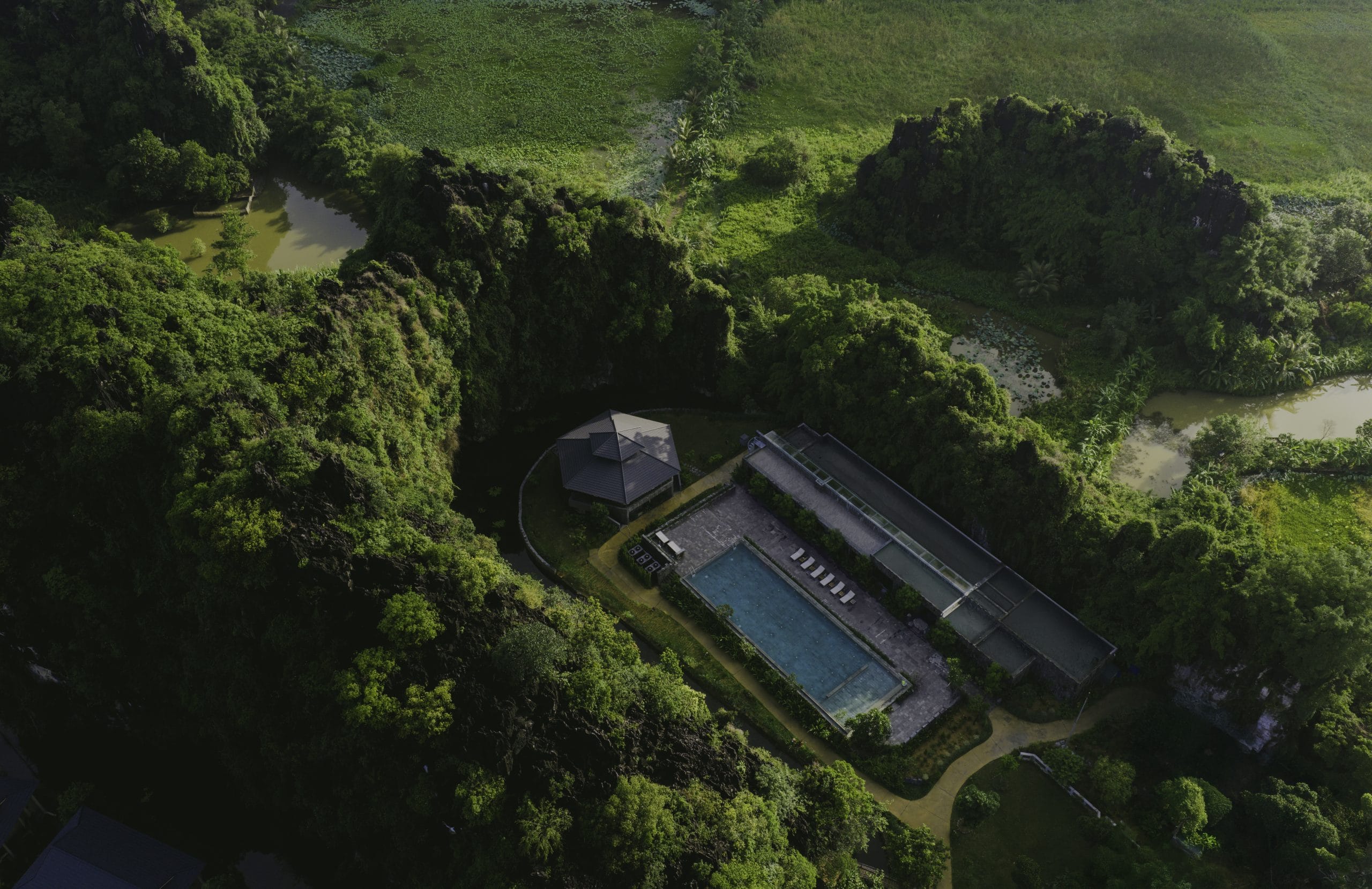
Soft dawn light filtering gently across the peaceful stilt villas and reflections of Jiva Hoa Lu Retreat.
After tackling the winding mountain roads of Ha Giang or before boarding an overnight train to Central Vietnam, staying two or three nights at Jiva lets you recharge in total comfort.

You can explore the single best places to visit in ninh binh—such as Trang An, Tam Coc, and Bich Dong Pagoda—during the day, then return to a peaceful, crowd-free haven at night.
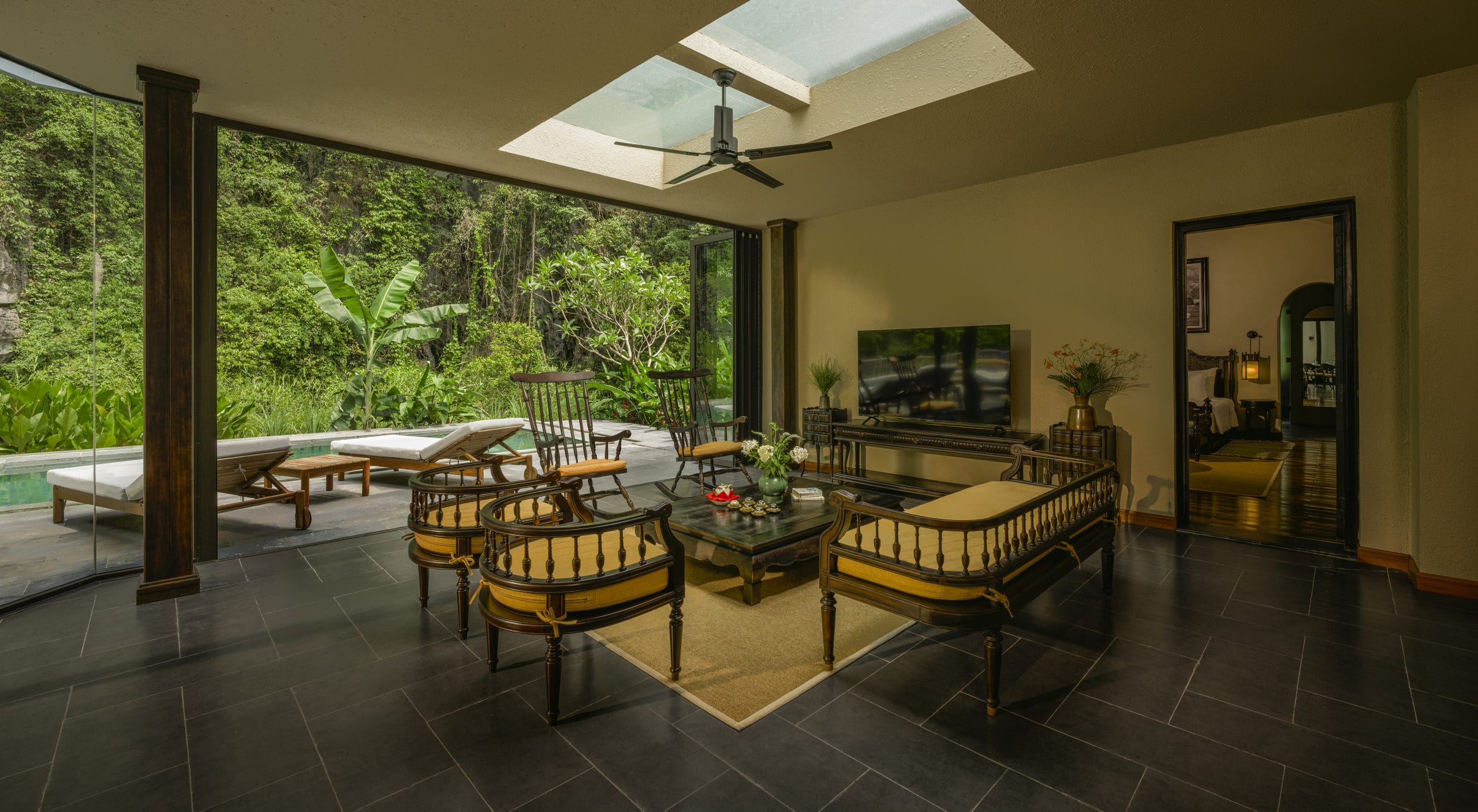
sharing a quiet, screen-free morning tea on a private wooden balcony surrounded by towering limestone karsts
Deep Wellness and Nature-Infused Luxury
Completely shielded by steep, jungle-covered limestone karst walls, Jiva Hoa Lu Retreat features private timber stilt villas designed to blend seamlessly with the natural landscape.

Guests can practice sunrise yoga on floating lakeside decks, enjoy therapeutic herbal baths infused with local botanicals, and sample clean, farm-to-table culinary creations.

For couples on a romantic holiday or solo voyagers seeking a peaceful retreat, Jiva transforms standard travel lodging into a deeply healing wellness experience.
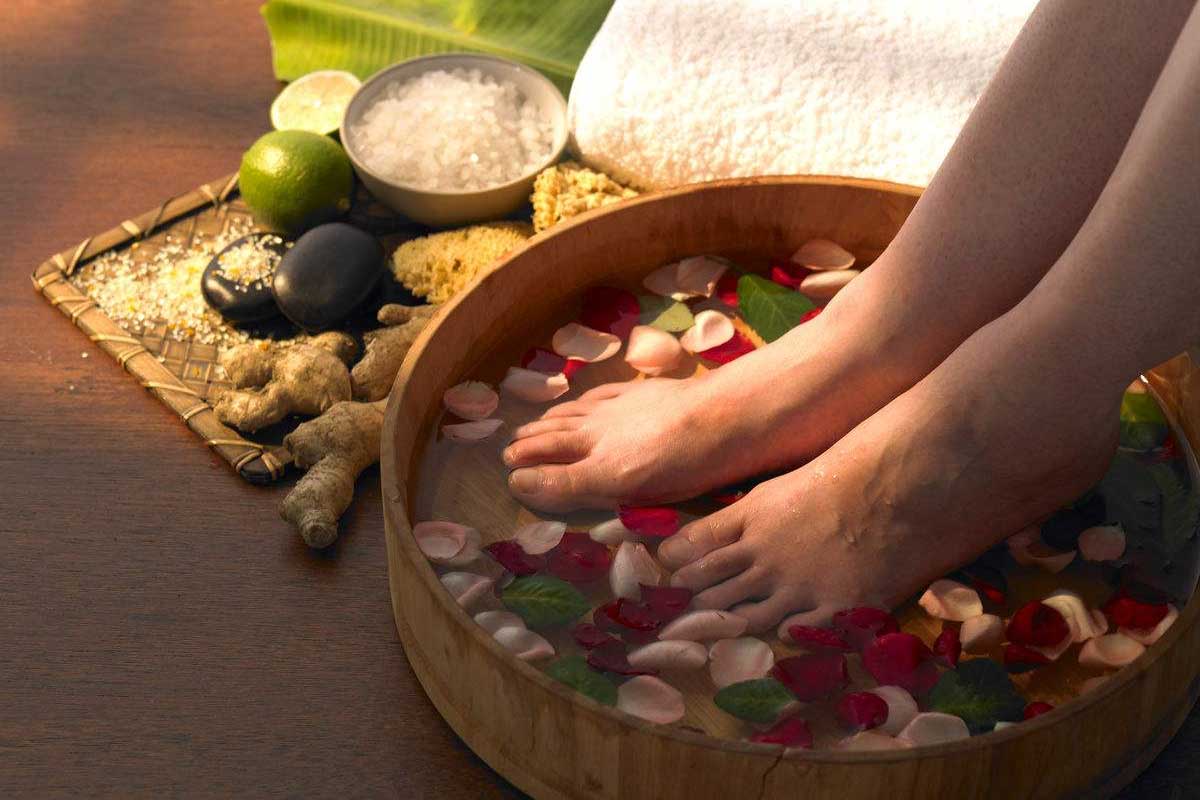
Insider Access to Ninh Binh Hidden Gems
Jiva Hoa Lu Retreat serves as a private gateway to the region’s secret trails. Guests can take advantage of complimentary bicycles to explore hidden lotus ponds, ancient family shrines, and quiet agricultural hamlets that typical tour buses completely bypass.
The resort’s dedicated concierge team can arrange private sampan tours through untouched wetlands, certified local guides, and seamless transfers to nearby train stations, ensuring your custom ninh binh itinerary is effortless and unforgettable.
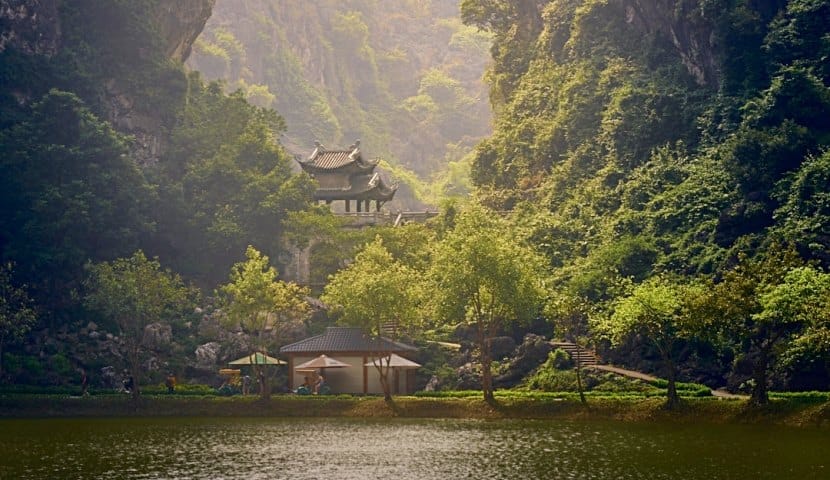
Exploring secret valley paths and ninh binh hidden gems directly from your luxury basecamp.
Ready to Experience Jiva?
Immerse yourself in a stay where northern Vietnamese architecture meets world-class comfort. At Jiva Hoalu Retreat, each accommodation blends locally inspired décor with modern luxuries, offering a unique fusion of culture, tradition, and elegance. Whether you’re here for a romantic getaway, a family escape, or a tranquil retreat, Jiva promises unforgettable moments in the heart of Ninh Binh.
Contact Us:
📞 +84 933 006 886
📧 inquiry@jivahoaluretreat.com
🌐 https://jivahoaluretreat.com/