EN
- VN
- FR
From misty mountain mornings in the North to sun-kissed coastlines in the South, Vietnam offers a different kind of magic in every season. But when is the best time to truly experience it all? In this article, Jiva Hoa Lu Retreat will journey through Vietnam’s diverse regions, unveiling how the rhythm of the weather shapes your travel experiences.
Planning your trip around the best time to travel to Vietnam can completely transform your experience. With its unique geography stretching over 1,600 kilometers, Vietnam offers a wide range of climates and seasonal highlights. From the cool misty mountains in the North to the sun-kissed beaches of the Central coast and the tropical warmth of the South, timing plays a crucial role in how you enjoy each destination.

Exploring Halong Bay in autumn, when clear skies create the perfect backdrop for a Vietnam trip.
Choosing the right season ensures that you can fully enjoy iconic attractions without weather disruptions. For example, visiting Hanoi and Halong Bay in autumn offers clear skies and pleasant temperatures, while spring in Hue or Hoi An is perfect for cultural festivals. On the other hand, traveling during the rainy season may affect activities like a Ninh Binh boat tour or a beach holiday in Da Nang.
If you’re planning your journey, pairing this seasonal guide with resources like our Top 14 Best Places to Visit in Vietnam or Ninh Binh Day Trip from Hanoi will help you craft the perfect itinerary. By understanding Vietnam weather and travel tips, you’ll know not only where to go, but also when to go for the most rewarding experience.
Northern Vietnam offers a changing landscape with each season, making it a destination worth visiting all year round. From golden rice fields in autumn to misty mountains in winter, every period brings its own kind of magic. Choosing the right time depends on what you want to experience most: cool weather, vibrant flowers, or cultural festivals.
Spring arrives with soft drizzles and cool temperatures averaging 20–21°C. The air is fresh, and the countryside awakens in color as flowers bloom across valleys and hillsides.

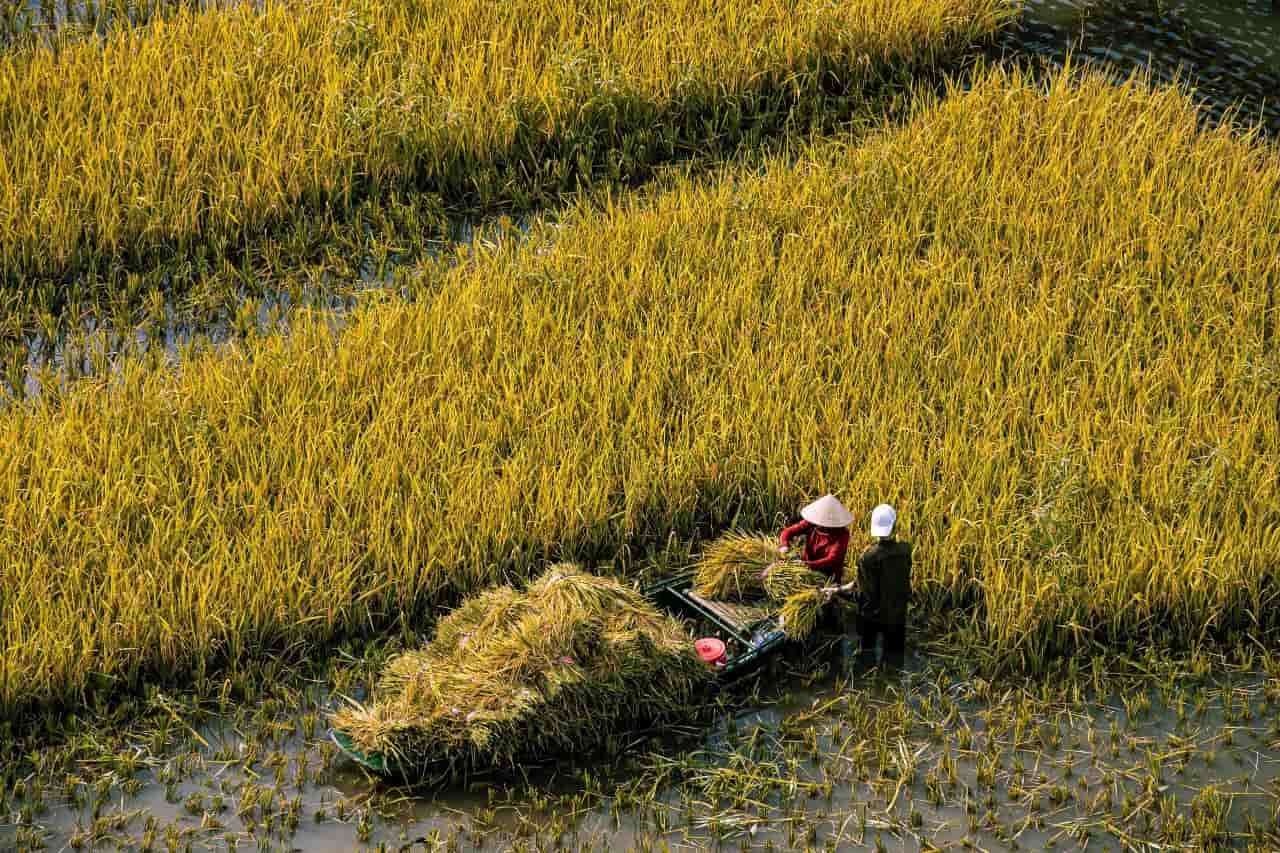
Golden Tam Giac Mach fields in Mu Cang Chai, a highlight of Northern Vietnam weather
It’s a peaceful time to explore Hanoi’s Old Quarter, hike the blooming trails of Moc Chau, or glide through the green waterways of Ninh Binh.
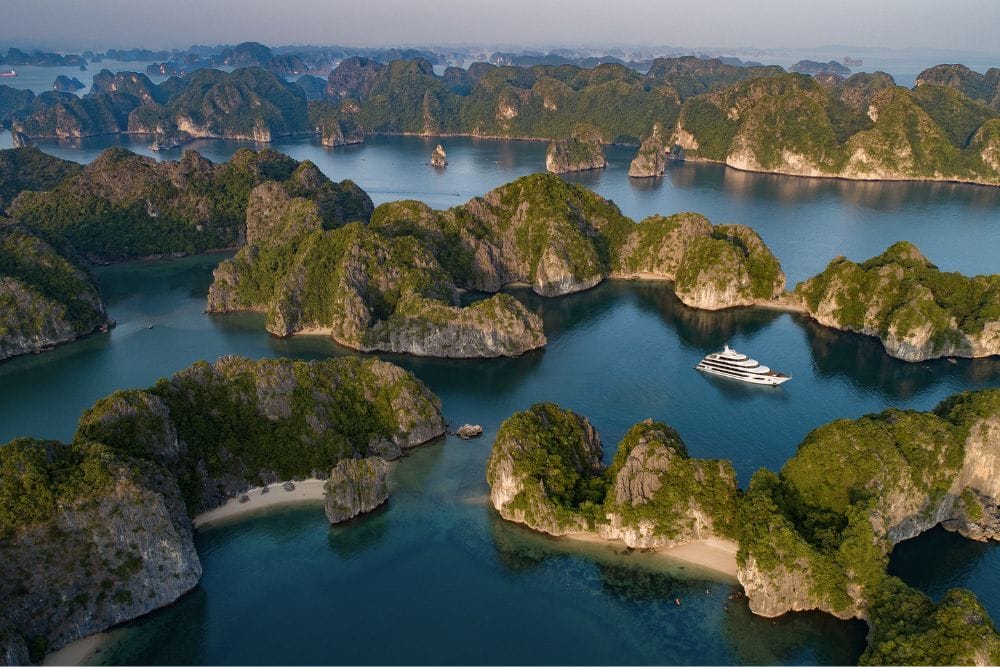
A peaceful morning in Halong Bay with clear skies, showing the impact of Vietnam’s weather on boat tours.
Expect hot, humid days with temperatures soaring between 25°C and 39°C. Afternoon showers are common, but they rarely last long. This is the season for island escapes and highland adventures. Think of cruises through Ha Long Bay, beach time on Cat Ba Island, or road trips through the mountain passes of Ha Giang.
Widely regarded as the most beautiful time of year in the North, autumn brings cooler air, golden rice fields, and clear skies.

Red leafs season in Hoan Kiem Lake, Hanoi most iconic attraction
Temperatures stay between 18°C and 28°C, perfect for outdoor activities. From the terraced fields of Mu Cang Chai to the tranquil karst landscapes of Ninh Binh, nature is at its most photogenic.
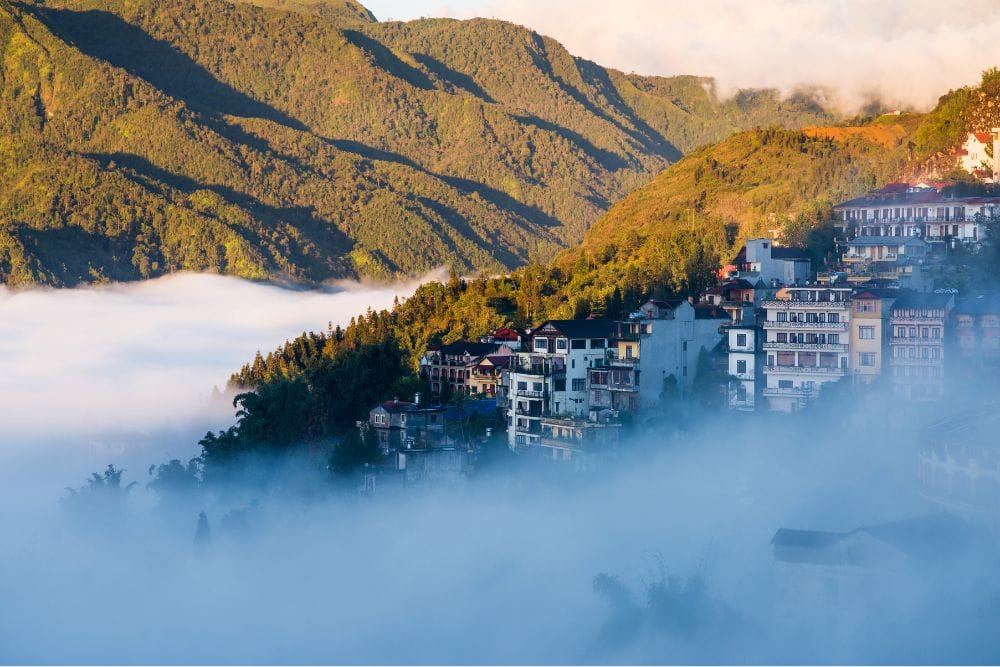
Snow covering Fansipan Peak in rare Northern Vietnam winters.
Winter settles in with mist and chill, especially in the northern highlands. Average temperatures dip to 10-20°C, and in places like Sapa or Cao Bang, frost and even snow can occasionally appear. It’s a unique time to enjoy peaceful mountain towns wrapped in fog and warm up with a bowl of pho on a crisp Hanoi morning.
The Central region of Vietnam stretches across a long, narrow strip of land and features varied climates depending on the area. It’s commonly divided into three subregions: the North Central Coast, the South Central Coast, and the Central Highlands.

My Khe Beach in Da Nang glowing in spring sunshine.
The North Central Coast experiences four distinct seasons, much like the northern provinces. In contrast, the South Central Coast and Central Highlands follow a two-season pattern: dry and rainy, similar to the South.

Hue Royal palace during the traditional Autumn Festival.
One important thing to note when planning your trip: this region is prone to typhoons, especially from July to October. During this time, many areas face heavy rainfall and occasional flooding, which may affect travel plans.
For the best weather, plan your visit between January and August. These months offer sunny skies and calm seas, ideal for beach destinations like Da Nang, Hoi An, Nha Trang, and Phan Thiet. It’s also a wonderful time to explore the cool, pine-covered hills of Da Lat in the Central Highlands.
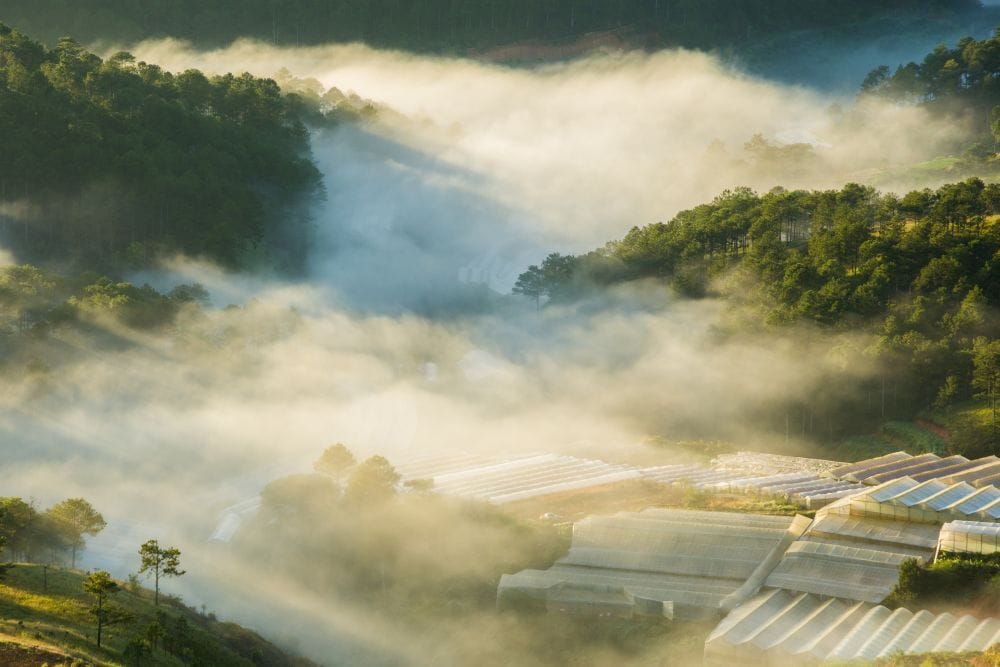
Quiet DaLat scene under soft winter rain.
Southern Vietnam enjoys a warm, tropical climate throughout the year, shaped by two distinct seasons: dry and rainy. Each brings its own kind of charm, whether you’re chasing sunshine or exploring lush green landscapes after a refreshing downpour.
This is the best time to explore the South. Expect clear skies, golden sunlight, and temperatures ranging from 25°C to 35°C. With low humidity and little rainfall, it’s perfect for beach escapes, river cruises, and open-air adventures.

Relaxing on Con Dao island beaches during the dry season
Popular spots during this season include Ho Chi Minh City, the tranquil Mekong Delta, Phu Quoc Island, Con Dao, and Vung Tau.
When the rains arrive, the landscape transforms. Afternoon showers are frequent but brief, leaving behind cooler air and vibrant greenery. Temperatures hover between 25°C and 32°C, and though you’ll need an umbrella, the region remains lively and full of color.
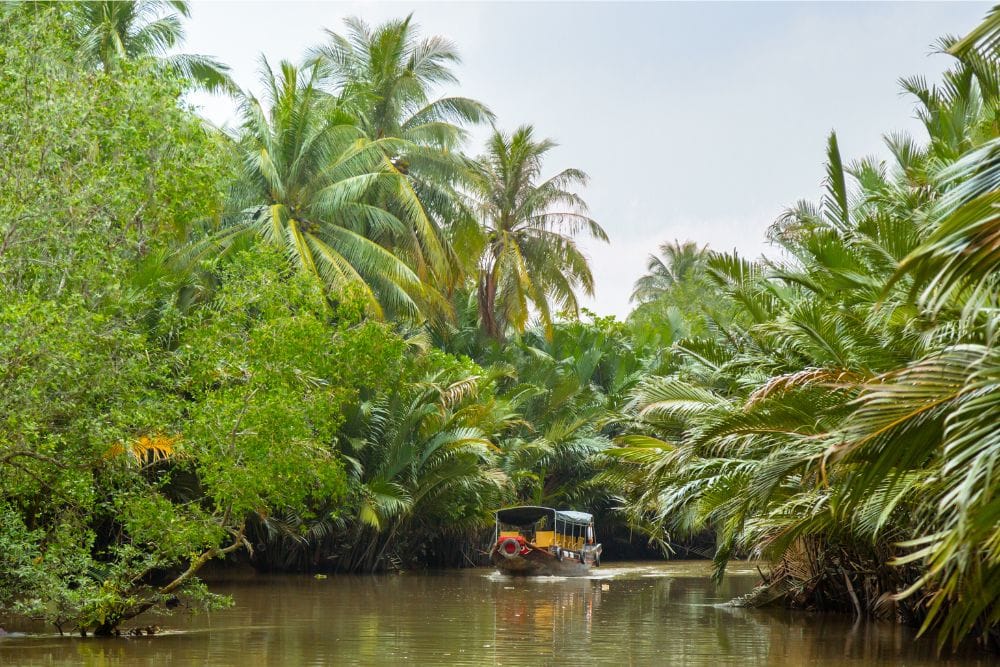
Travelling across Mekong tropical Fuits Farm land during a summer shower
It’s a great time to enjoy quieter moments in Can Tho, Ben Tre, or Ca Mau, where the rivers swell and the countryside comes alive.
Vietnam is a land of contrasts, towering mountains, emerald rice fields, hidden caves, vibrant cities, and serene beaches. Whether you’re an adrenaline-seeker or a slow traveler, the country offers unforgettable experiences across landscapes and seasons. Here’s your guide to the best things to do in Vietnam, tailored to every kind of explorer:
If you’re drawn to dramatic landscapes and winding mountain roads, head north to places like Ha Giang, Sapa, or Cao Bang. These regions are made for adventure, offering breathtaking views of limestone peaks, cascading rice terraces, and highland villages steeped in tradition.
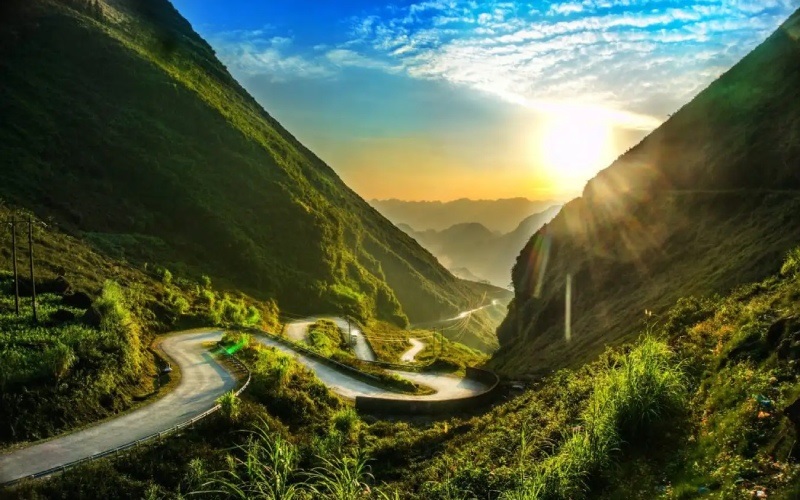
Tourists hiking in Ha Giang under spring sunshine
The best way to explore is by motorbike, either riding solo or with a local driver. The experience of weaving through mountain passes while soaking in panoramic views is one you won’t forget.
When to go: September to February is ideal for dry weather and golden rice fields. Avoid June to August due to landslide risks during the rainy season.
For those who seek the thrill of natural wonders, Vietnam’s cave systems are nothing short of spectacular. Explore UNESCO-listed treasures such as Trang An Complex Landscape in Ninh Binh, Ha Long Bay, and Phong Nha – Ke Bang National Park in Quang Binh.
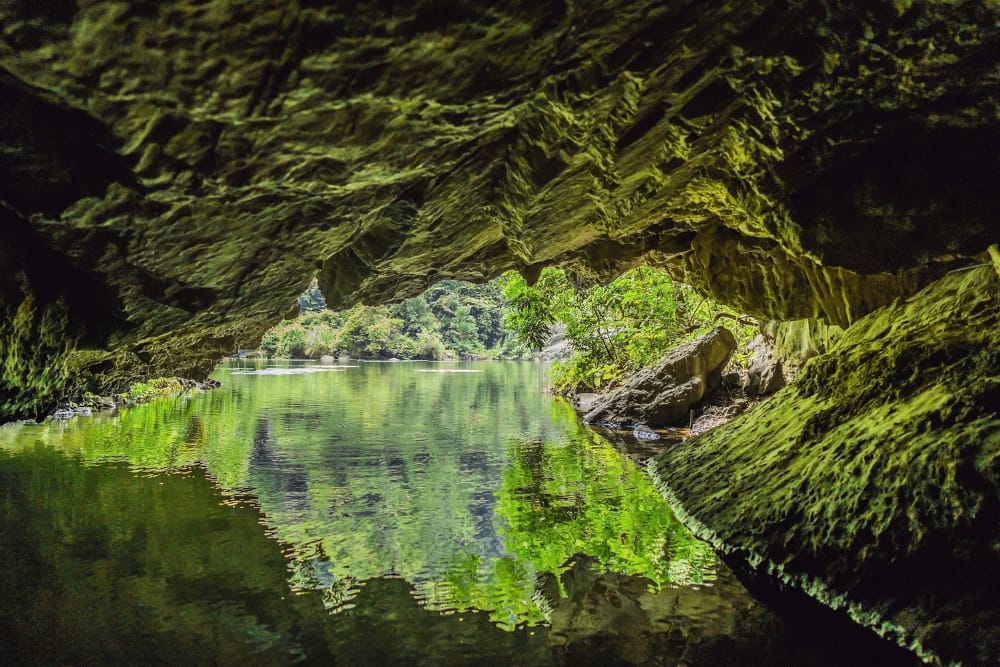
Countless of Majestic Caves waiting to be discovered
These destinations invite you to glide by boat into echoing caverns and marvel at towering stalactites formed over millions of years. The journey often feels like entering a lost world.
Travel tip: Avoid the rainy season (especially July to September), when water levels rise and strong winds may limit access to some caves and coastal areas.
Looking to unwind by the sea? Vietnam’s southern and central coasts are home to some of the most beautiful beaches in Southeast Asia. Destinations like Da Nang, Nha Trang, Phan Thiet, Vung Tau, and Phu Quoc promise turquoise waters, white sand, and a wealth of ocean activities.
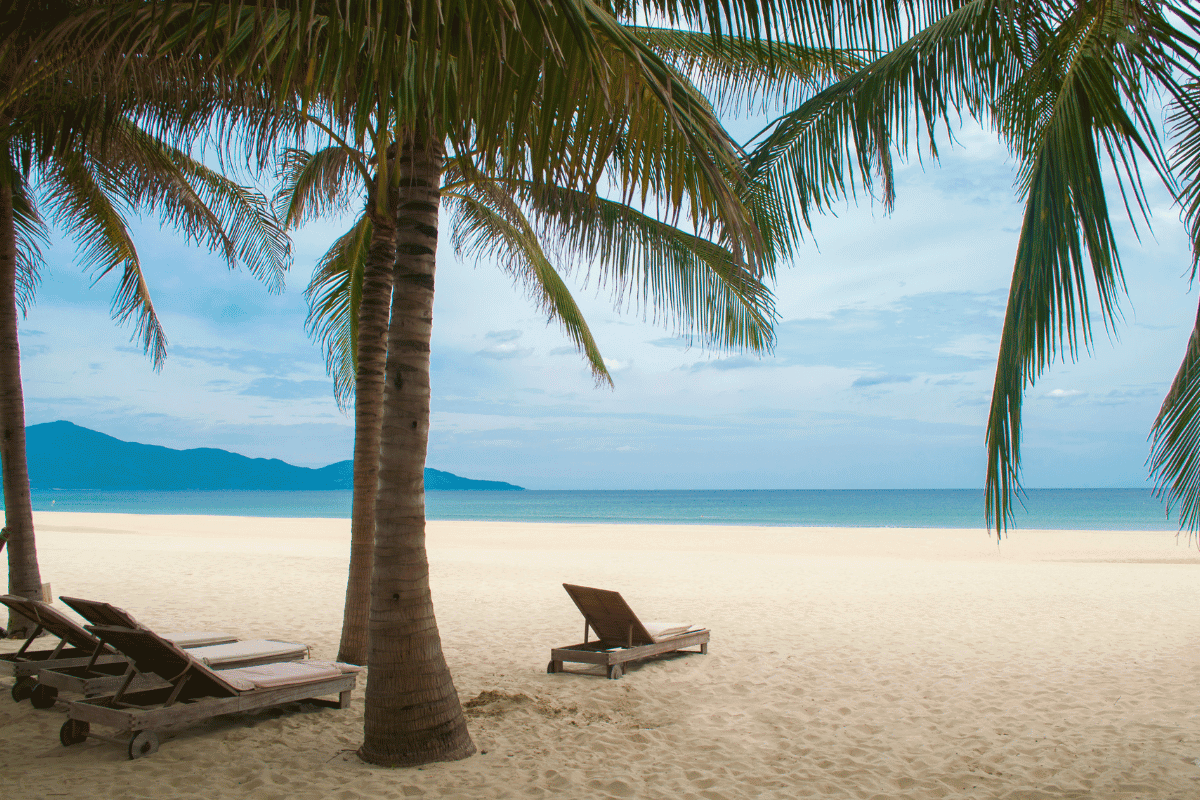
Charming Da Nang beach during hot summer days.
From snorkeling and kayaking to parasailing and sunset cruises, there’s no shortage of ways to enjoy the coast. Luxury beach resorts and boutique stays also make these places perfect for a tropical retreat.
When to go: These coastal cities enjoy warm weather year-round. For fewer crowds, avoid the peak summer holiday months of June and July.
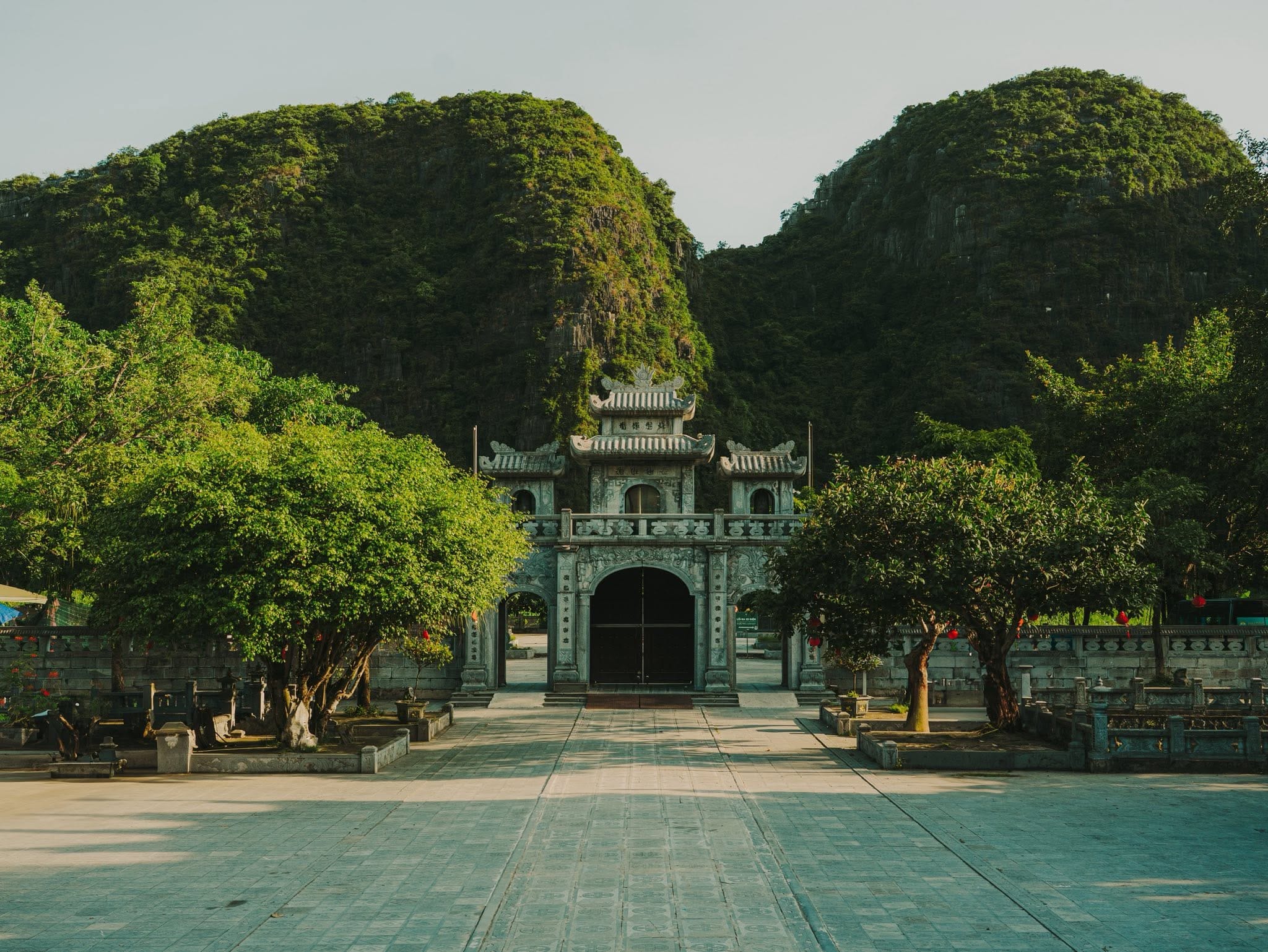
Vietnam’s story is deeply rooted in history and spirituality. Travel through time by visiting sites like the Hue Imperial City, Hanoi’s historic quarters, Hoi An Ancient Town, and the ancient capital of Hoa Lu in Ninh Binh, etc.
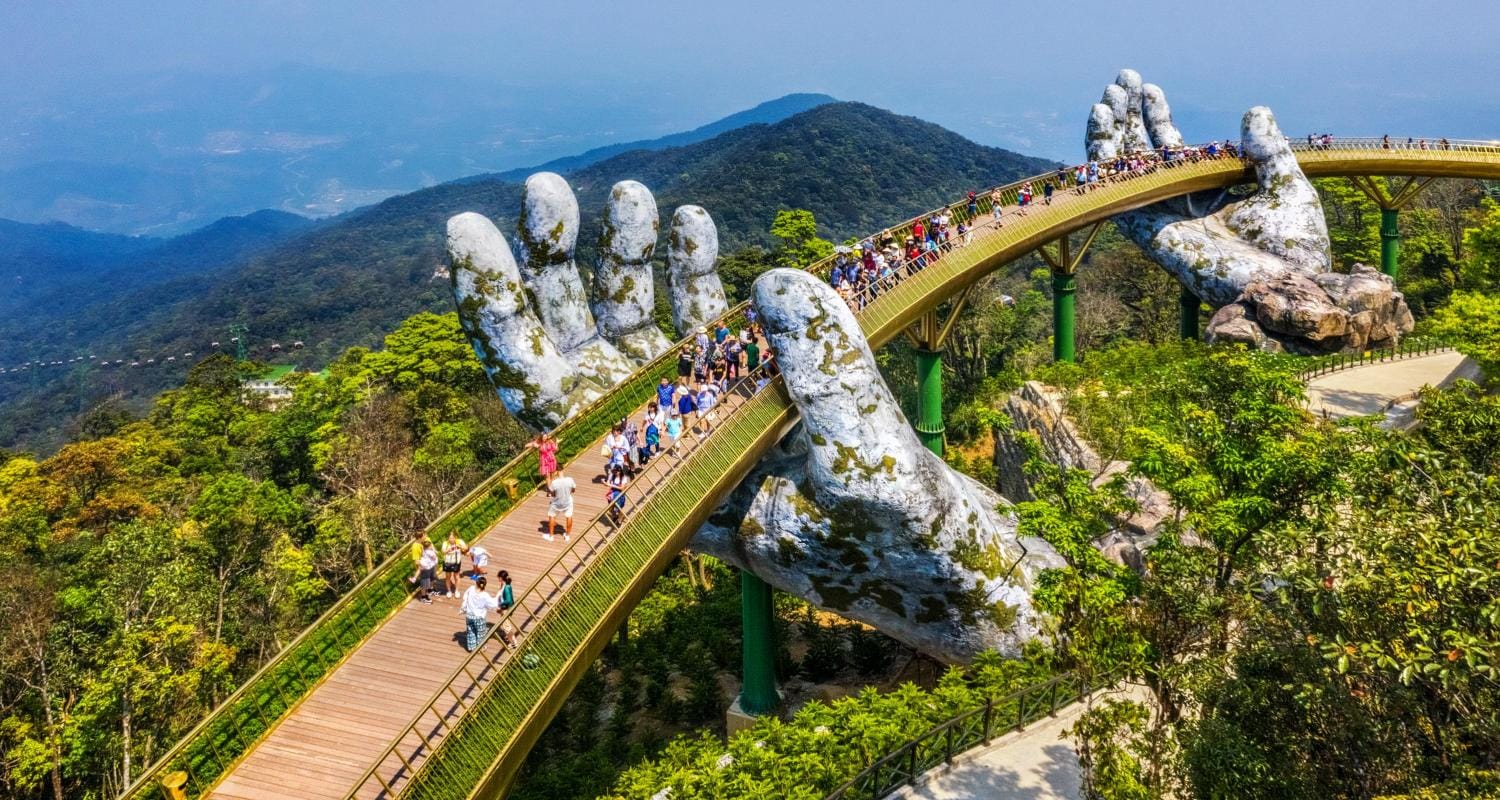
DaNang Golden Bridge during summer weekends.
Each destination offers a glimpse into the country’s past, from feudal dynasties to colonial legacies. You’ll find temples, pagodas, and ancient ruins that reflect a blend of Buddhism, Confucianism, and folk beliefs.
Travel tip: Dress modestly when visiting religious or spiritual sites, and consider avoiding the height of summer (July–August) when extreme heat can make sightseeing exhausting.
Vietnam’s cities are a dynamic blend of tradition and innovation. From the high-rises of Ho Chi Minh City to the café culture of Hanoi, from Da Nang’s beachside charm to the riverfront energy of Can Tho, urban Vietnam buzzes with life.
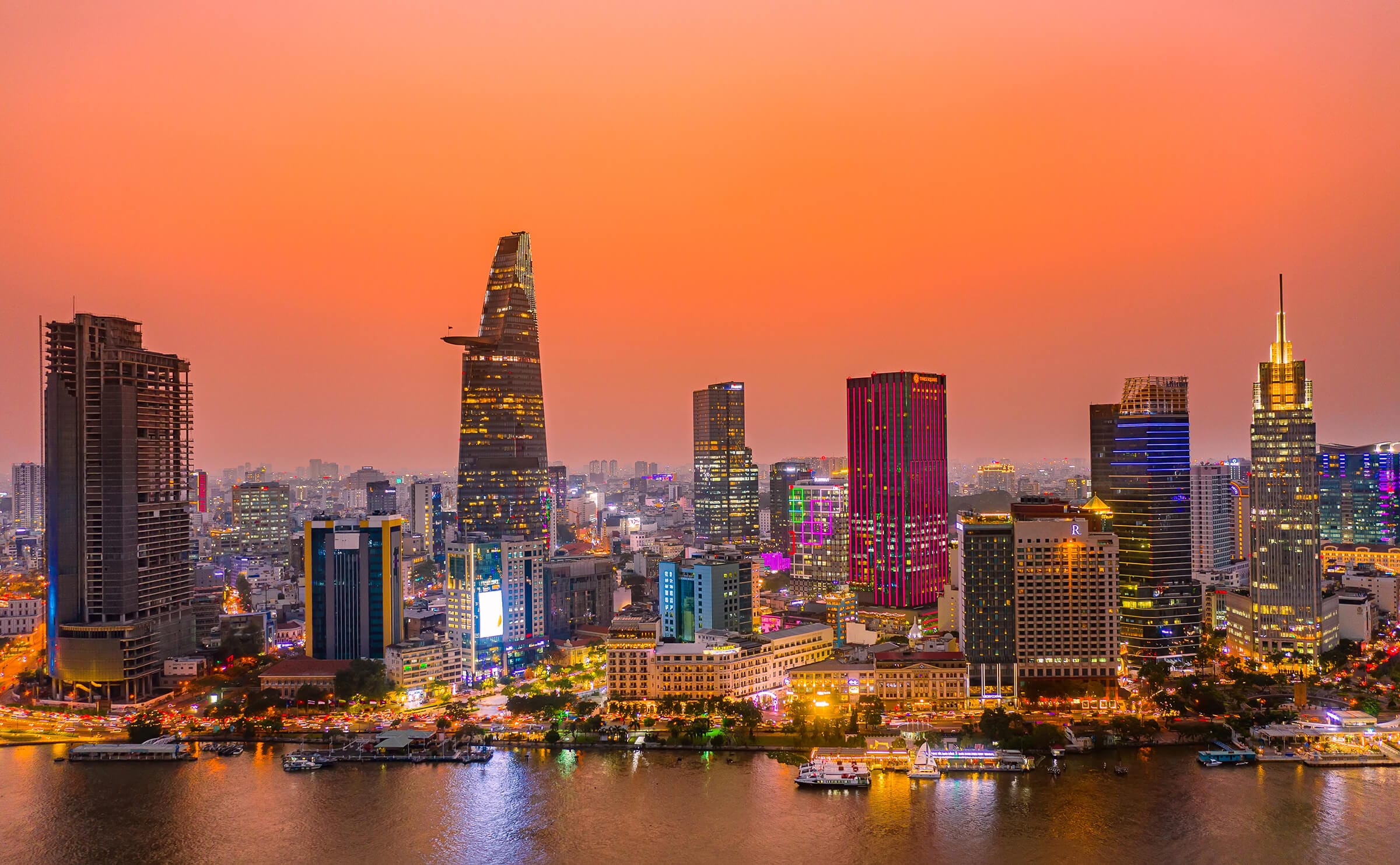
Bustling center distric under sunset skies in Ho Chi Minh City.
Spend your evenings discovering rooftop bars, vibrant street food scenes, and late-night markets. The cities are also hubs for art, fashion, and technology, giving travelers a taste of modern Vietnam in motion.
Who it’s for: Perfect for young travelers, digital nomads, and anyone seeking a mix of culture, comfort, and convenience.
Finally, Jiva Hoa Lư Retreat hopes this guide helps you choose the perfect time and places to explore Vietnam. Whether you’re hiking through northern mountains, cruising under karsts, or savoring seafood by the sea, Vietnam offers something for every traveler.
Dress Smart for the Climate:
Vietnam’s weather varies by region, so light, breathable clothes are best for the tropical South, while a light jacket is useful for the cooler North in winter.
Modest attire is recommended when visiting temples and pagodas.
A traditional Vietnamese conical hat (nón lá) not only protects from the sun but also makes a great travel photo accessory.
Essentials to Pack:
Bring sunscreen, insect repellent, and a reusable water bottle—essentials for year-round travel in Vietnam.
Don’t forget your camera or smartphone for capturing iconic landscapes like Halong Bay or the rice terraces of Sapa.
Carry important documents such as your passport and travel insurance. Some attractions offer discounts for students or children with ID.
Check the Vietnam Weather Forecast:
Timing matters—knowing the best time to travel to Vietnam helps you avoid heavy rains or extreme heat.
For boat tours in Ninh Binh or Ha Long Bay, check the forecast since storms may disrupt activities.
Plan mountain trips (like Sapa or Ha Giang) in the dry season for safe trekking conditions.
Book Transport and Accommodation in Advance:
Secure train, bus, or flight tickets early, especially during public holidays like Tet (Lunar New Year).
When traveling from Hanoi to other destinations like Ninh Binh or Ha Long, consider limousine services for comfort, but always check reviews first.
For a refined retreat, book accommodations such as Jiva Hoalu Retreat or boutique hotels in advance to ensure availability.
Stay Connected and Safe:
Buy a local SIM card or portable Wi-Fi device for easy navigation and communication.
Always keep small cash for taxis, street food, or entrance fees—some local spots don’t accept cards.
Learn a few basic Vietnamese phrases; locals appreciate the effort and it enriches your cultural experience.
Immerse yourself in a stay where northern Vietnamese architecture meets world-class comfort. At Jiva Hoalu Retreat, each accommodation blends locally inspired décor with modern luxuries—offering a unique fusion of culture, tradition, and elegance. Whether you’re here for a romantic getaway, a family escape, or a tranquil retreat, Jiva promises unforgettable moments in the heart of Ninh Binh.
Contact Us:
📞 +84 933 006 886
📧 inquiry@jivahoaluretreat.com
🌐 https://jivahoaluretreat.com/
Book now! to enjoy super hot deals
Thank you for your reservation.
You will receive a confirmation from us momentarily
Thank you for reaching out. Your request has been received. Our team will respond within 24 hours.