EN
- VN
- FR
More than just days off, public holidays in Vietnam are moments when history, culture, and community come alive. Whether you’re drawn by ancient traditions, spectacular parades, or the promise of mouthwatering dishes, traveling during these celebrations will immerse you in Vietnam’s energy, warmth, and timeless spirit. In this article, Jiva Hoa Lu Retreat will introduce Vietnam’s 7 biggest public holidays and share insider travel tips to help you lock in better prices, avoid closures, and catch the country’s biggest cultural moments.
Holidays in VietNam calendar blend state observances with lunar-festival traditions, creating prime windows for parades, lantern nights, and family reunions. Tet (Lunar New Year) is the most important public holidays in Vietnam—expect multi-day closures, homecomings, and dazzling street scenes. Reunification Day (30/4) & Labor Day (1/5) often merge into a long weekend that fills flights and beaches. In autumn, National Day (2/9) paints cities with flags and ceremonies, while the Mid-Autumn Festival turns old quarters into seas of star lanterns and lion dances.
New Year’s Day is one of the public holidays in Vietnam that blends modern celebration with quiet local observance. Held on 1 January, the day is widely marked in cities with fireworks displays, rooftop parties, and countdown events—especially in Hanoi and Ho Chi Minh City—while many smaller towns keep a low-key, family-oriented tone. For travelers, New Year’s Day is an easy chance to enjoy festive city energy without the multi-day closures of Tet.
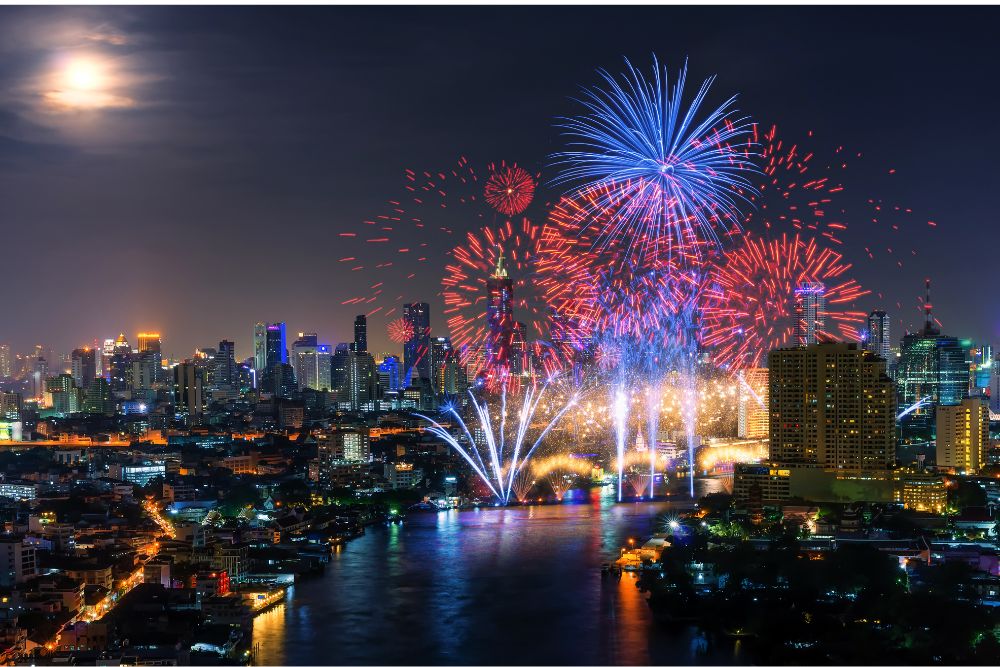
Vibrant fireworks lighting up the skies of HCMC on New Year’s Eve.
In major cities like Hanoi and Ho Chi Minh City, the night before is marked by fireworks displays, countdown parties, and special hotel or riverside events that attract both locals and visitors; in smaller towns the day tends to be quieter and more family-focused. Many businesses and government offices operate on reduced hours or close for the day, but unlike Tết the disruption is short-lived—making 1 January a convenient time for travelers to enjoy city celebrations without the long closures associated with lunar new year.
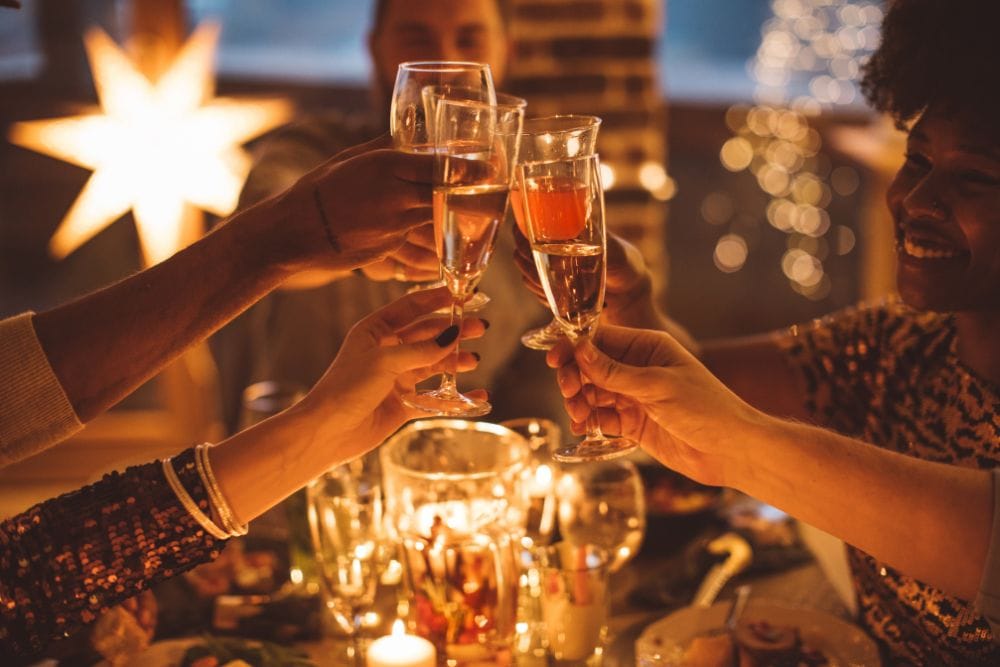
Rooftop party in Ho Chi Minh City during New Year’s Eve.
If you plan to join New Year’s Eve events, book dinners, river cruises or rooftop gatherings well in advance and allow extra time for transport on 31 December–1 January. For a calmer experience, consider sightseeing during daytime hours when museums and some attractions remain open.
Lunar New Year (Tết Nguyên Đán) is the single most important of all holidays in Vietnam, a time when the country essentially pauses for family, ritual, and renewal. Rooted in lunar-calendar traditions, Tết usually falls between late January and mid-February and centers on ancestral worship, homecomings, and symbolic fresh starts. Expect streets and homes to be transformed with kumquat trees, red banners, and offerings on family altars; special foods such as bánh chưng (square sticky rice cake) and festive sweets dominate the table.
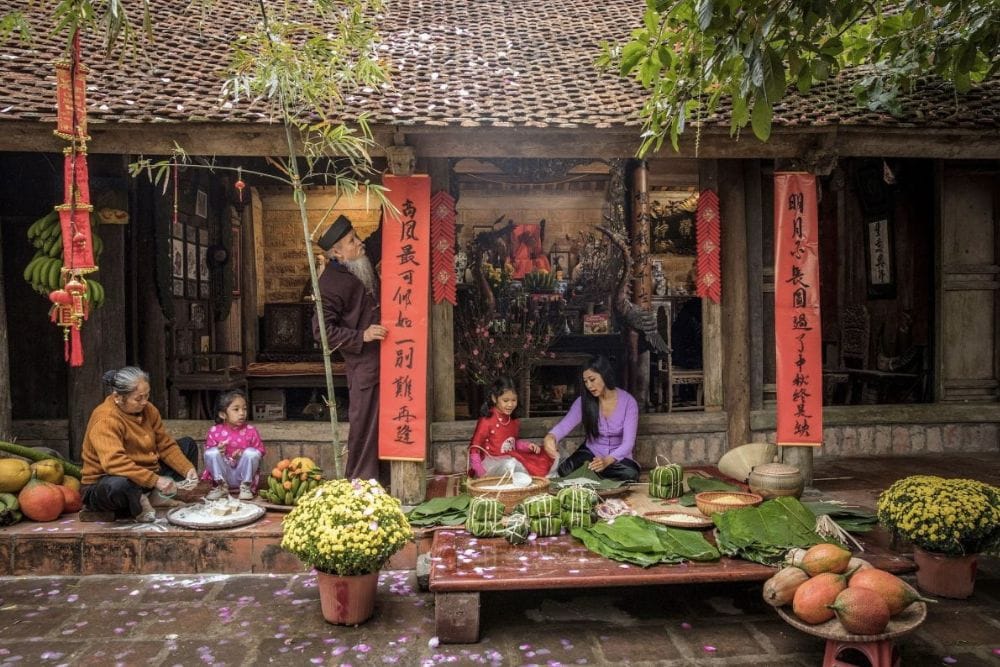
Families making and sharing traditional bánh chưng for Tet
During Tết, Vietnamese families observe a series of customs that highlight reunion and respect: cleaning and decorating the house before New Year’s Eve, performing ancestral rites, giving lì xì (red envelopes) to children, and attending pagoda visits for blessings. Public life slows—many shops, local offices, and government services close for several days—while cities stage fireworks, lion dances, and community festivals.
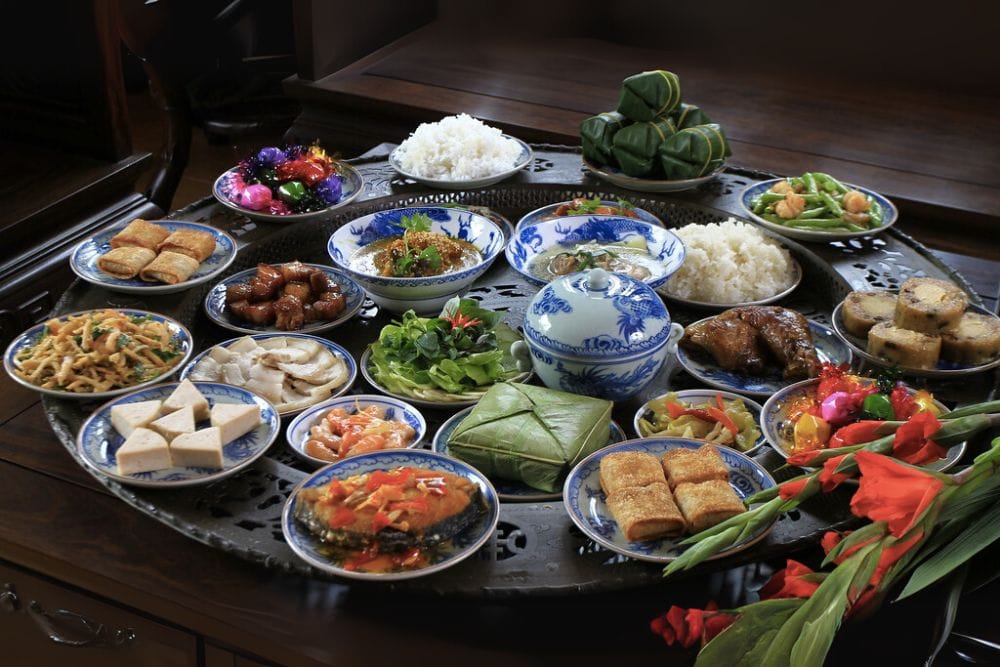
Typical Hanoian banquet in Tet holiday emphasize respect and harmony
Because Tết is one of the busiest travel moments of the year, it’s also the busiest of the holidays in Vietnam in terms of domestic movement: millions travel home for the holiday, producing intense demand for trains, flights and buses.
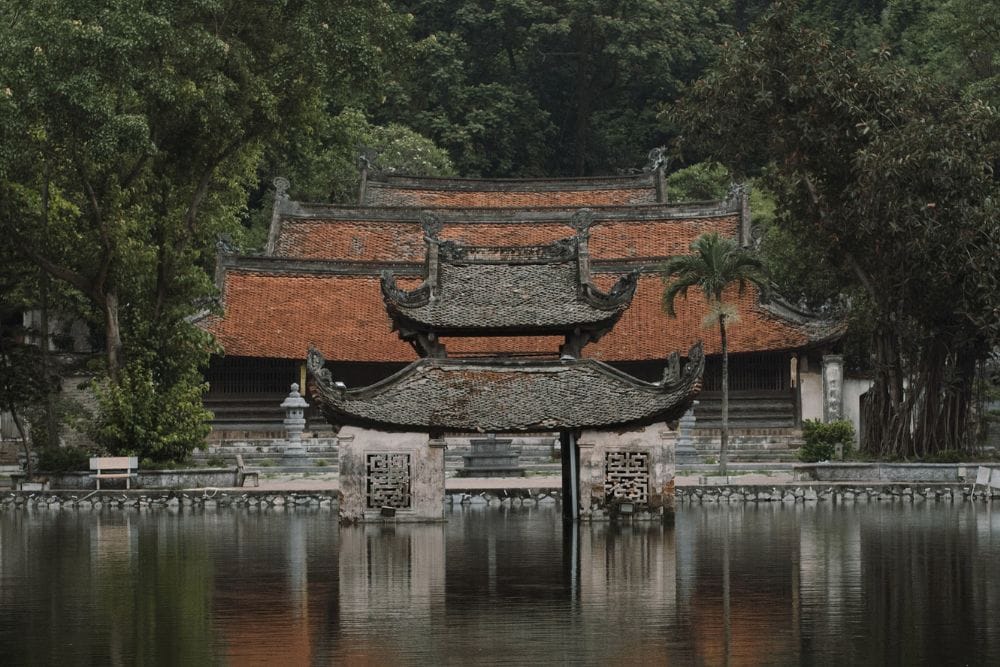
Go to the pagoda at the beginning of the year is a traditional habitat
Travel & planning tips for Tết: book transport and accommodations many weeks (or months) in advance, plan itineraries around multi-day closures, and respect local etiquette—dress modestly at temples, avoid unlucky topics on New Year’s Day, and join communal events with courtesy. If you prefer to experience festival energy without extreme crowds, consider arriving 2–3 days before Tết begins or exploring quieter cultural observances in smaller towns and pagodas.
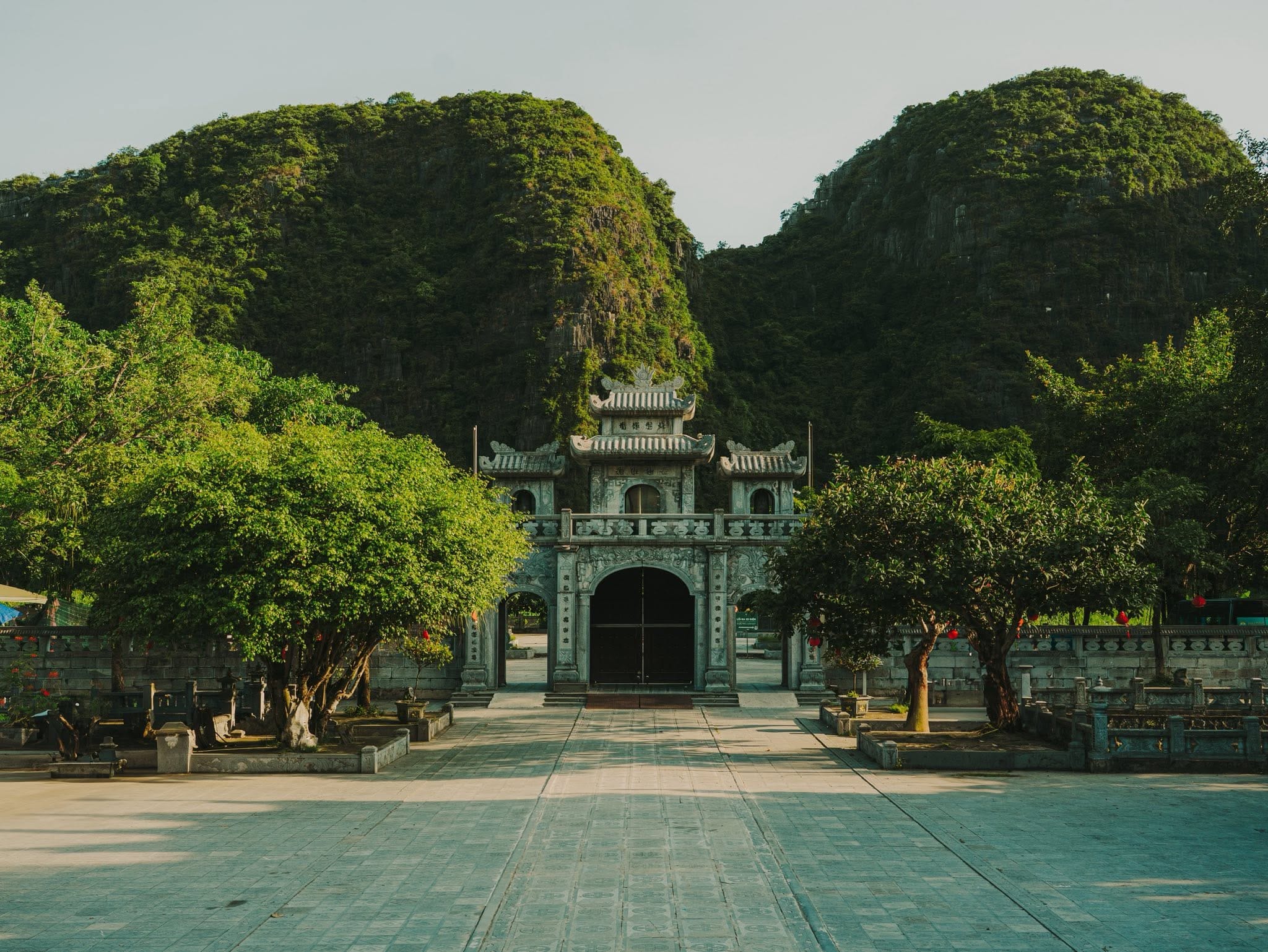
Hung Kings’ Commemoration Day (Giỗ Tổ Hùng Vương), observed on the 10th day of the 3rd lunar month, is a solemn national festival that honors Vietnam’s legendary founders. As one of the important holidays in Vietnam, the day draws thousands of pilgrims and visitors to the Temple of Hung Kings (Đền Hùng) in Phú Thọ province for incense offerings, processions, and state ceremonies. The rituals combine royal-style worship, folk performances, and communal meals that underscore national identity and ancestral reverence.
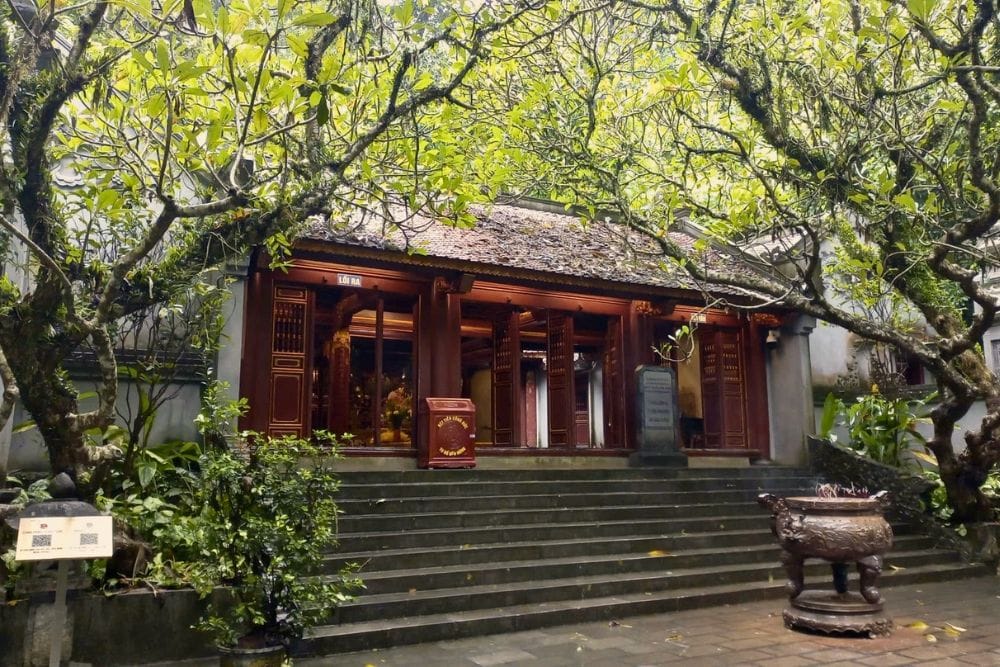
The purpose of this ceremony is to remember and pay tribute to the Hung king who are the tradit
ional founders
The main celebrations at the Hung Temple complex are theatrical and highly ceremonial: processions in traditional costume, folk music, and ritual offerings on the temple terraces. Local authorities also stage cultural programs—dance, martial arts demonstrations, and handicraft fairs—making the site both a place of worship and a lively cultural showcase. For international travelers, the event is a rare opportunity to witness Vietnam’s historical narratives brought to life in a setting that links myth, history, and community.
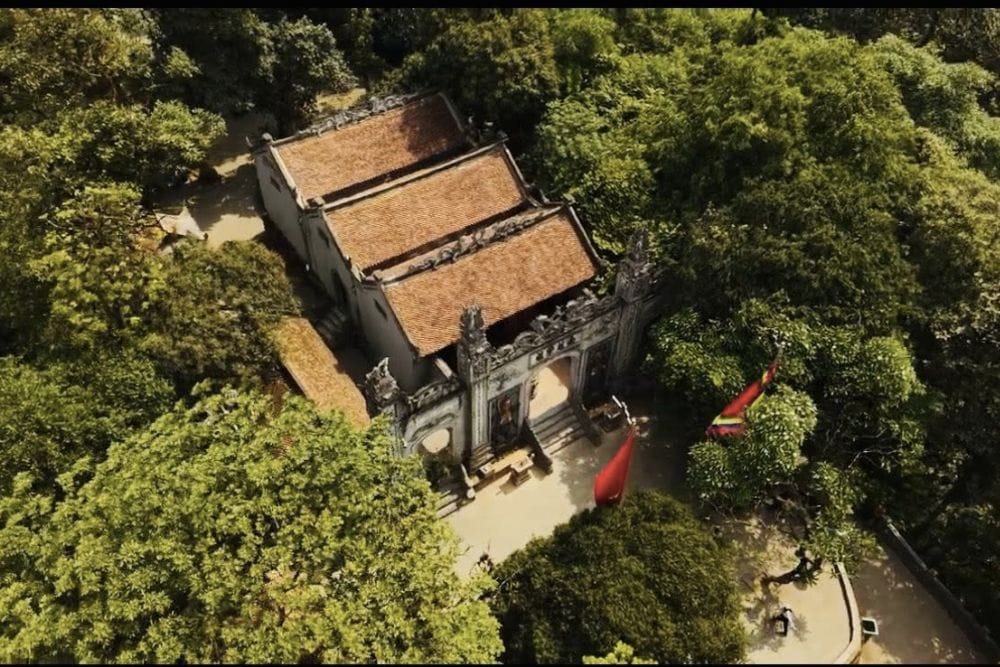
A procession starts at the foot of the Nghĩa Lĩnh mountain, and stops at every small temple before reaching the High Temple. Here, pilgrims offer prayers and incense to their ancestors
Travel & planning tips: if you plan to attend Hung Kings’ ceremonies, expect large crowds and limited accommodation in nearby towns—book transport and lodging early. Wear modest attire for temple areas, arrive early to secure a good view of the processions
Reunification Day on 30 April marks a pivotal moment in modern Vietnamese history and is one of the most observed holidays in Vietnam. Celebrations range from official ceremonies and military parades in major cities to more relaxed public gatherings, concerts, and family outings. In Ho Chi Minh City, the day carries strong civic energy with commemorative events at historic sites, while coastal and resort areas often fill with domestic travelers taking advantage of a long weekend.
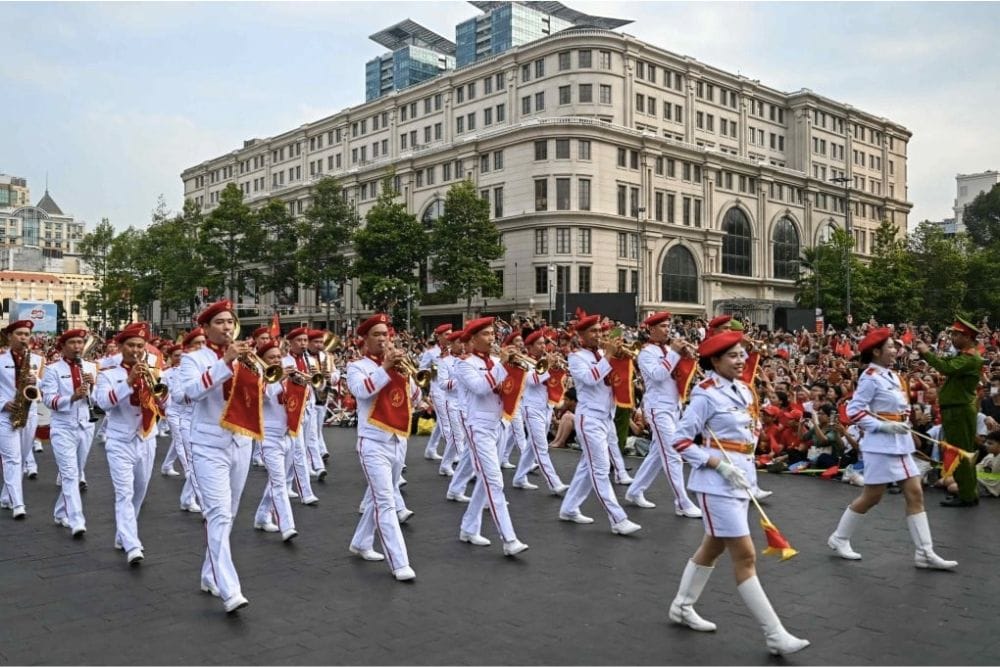
Military parade in Ho Chi Minh City celebrating Reunification Day.
For visitors, Reunification Day is a lively time to witness national pride and public festivities, but it also brings practical considerations for travel. Expect busy transport hubs and higher accommodation demand—many locals use the holiday to head to beaches or nearby getaways. If you prefer to join the city celebrations, arrive early to secure good vantage points for parades and concerts; if you want to avoid crowds, consider booking a quieter mountain or rural retreat.
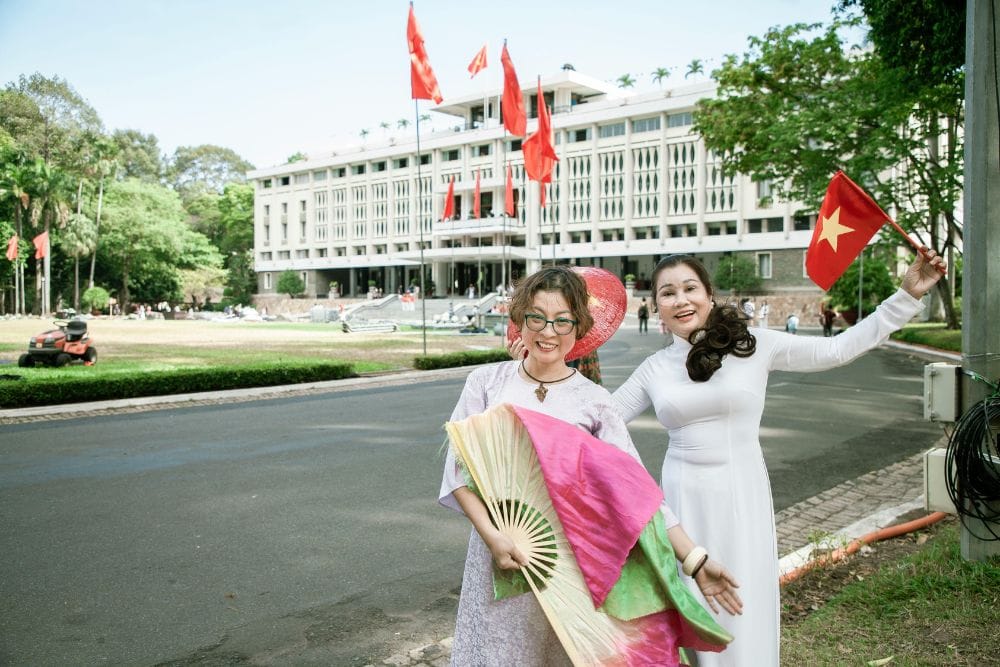
Tourists taking photos at Independence Palace on April 30th
Travel & Planning Tips For travelers experiencing Reunification Day, planning ahead is essential. Domestic travel demand peaks during this holiday in Vietnam, so book train, bus, or flight tickets well in advance and secure your accommodation early, especially in popular beach destinations like Da Nang, Nha Trang, or Phu Quoc. If you’re in Ho Chi Minh City or Hanoi, check local schedules for parades, fireworks, or cultural events, but allow extra time for traffic congestion around city centers.
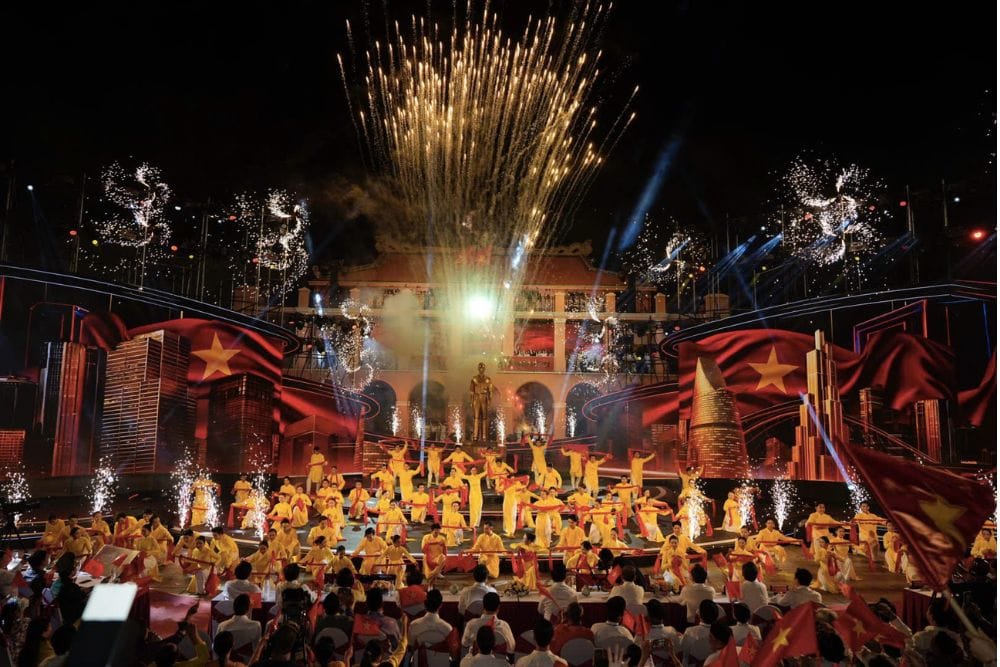
Festive concerts and light shows marking national pride.
To avoid the rush altogether, consider visiting less crowded regions or exploring cultural retreats such as Ninh Binh tours or heritage sites in central Vietnam. Staying flexible with your itinerary will help you make the most of this historic holiday while balancing comfort and cultural immersion.
International Labor Day on 1 May is a national public holiday that often combines with Reunification Day to create one of the year’s busiest holiday blocks in Vietnam. Originally a day to honor workers and labor movements, today the occasion blends civic ceremonies with family outings, short-break tourism, and community fairs; beach towns, resort areas, and city parks brim with domestic travelers seizing the long weekend.
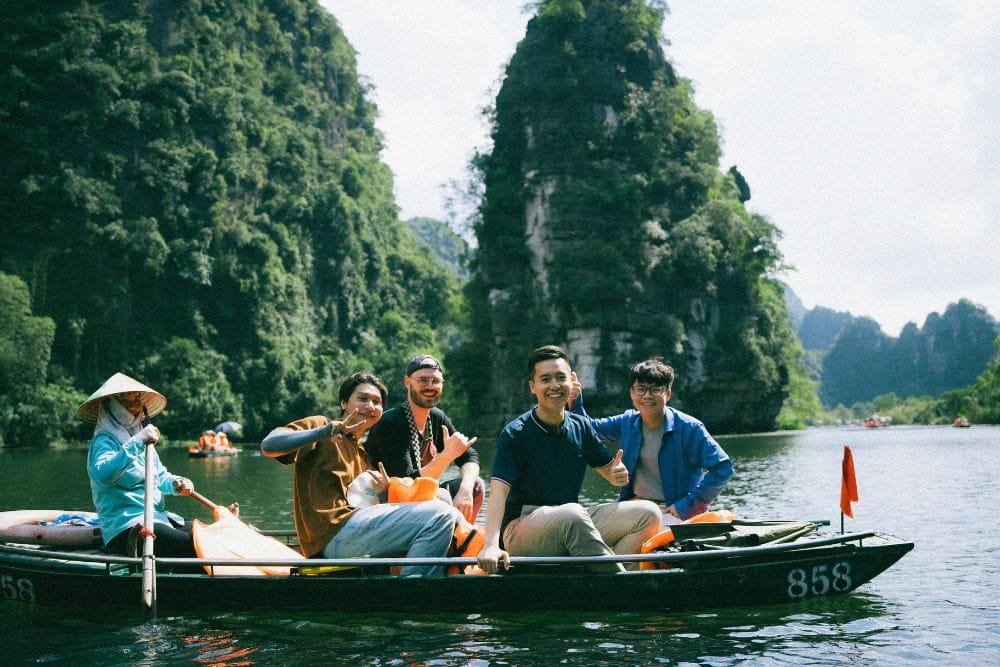
Families enjoying outdoor activities at Trang An Ninh Binh.
As one of the notable holidays in Vietnam, Labor Day offers lively public programs in major cities and a festive atmosphere across provincial centers, but it also produces heavy demand on transport and accommodation as people head to coastal and leisure destinations.

Families celebrating holiday blocks away from crowded cities
Travel & planning tips: because Labor Day commonly forms a multi-day holiday period, early booking is essential—reserve trains, flights and hotels well in advance and confirm pickups or transfers with providers. Expect busy roads and crowded stations, so allow extra time for connections and plan to arrive at parade or festival venues early for the best vantage points.
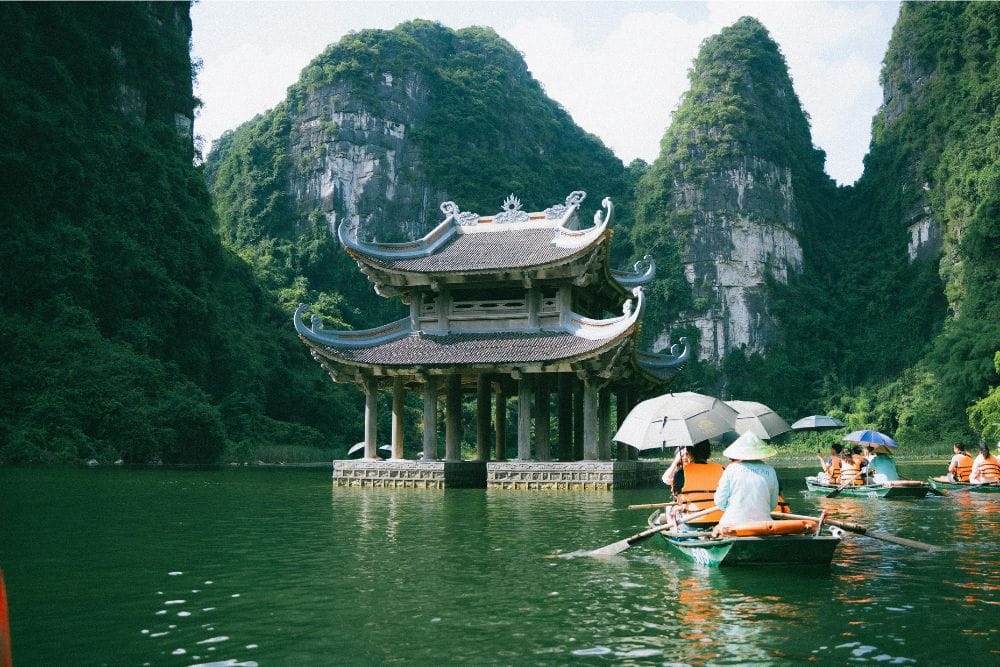
Eco-Tour to cultural towns or nature retreats is a smart choice these days
If you prefer a quieter experience, consider choosing cultural towns or nature retreats rather than popular beach resorts during the 30 April–1 May block; pairing this guidance with our regional pages—such as the Ninh Binh 2 Day Tour: Complete Guide or the Best Time to Travel to Vietnam—can help you match climate and crowd levels to your ideal itinerary.
Vietnam’s National Day, observed on September 2nd, is one of the country’s most significant public holidays, honoring the day in 1945 when President Hồ Chí Minh declared independence. In 2026, the celebration marks its 80th anniversary – a milestone that reflects both the nation’s hard-fought freedom and its continued progress.
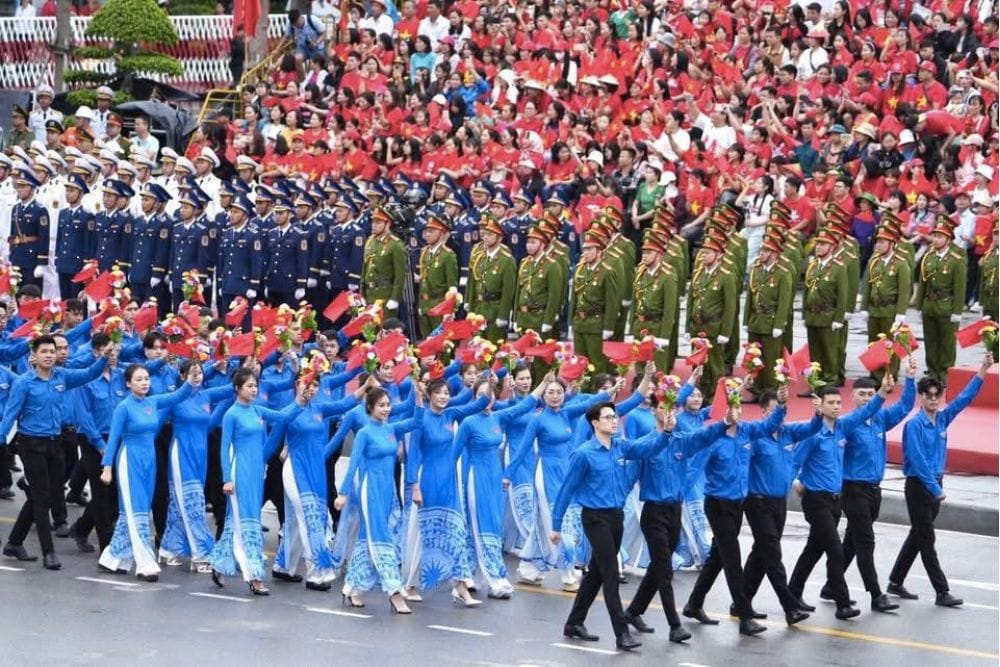
Patriotic parade with flags and floats on Vietnam’s National Day
Across the country, the atmosphere is filled with energy and pride. Streets come alive with parades, traditional dragon dances, colorful floats, and countless Vietnamese flags waving in the air. Families gather to share festive meals, watch cultural performances, and enjoy dazzling fireworks that light up the night sky.
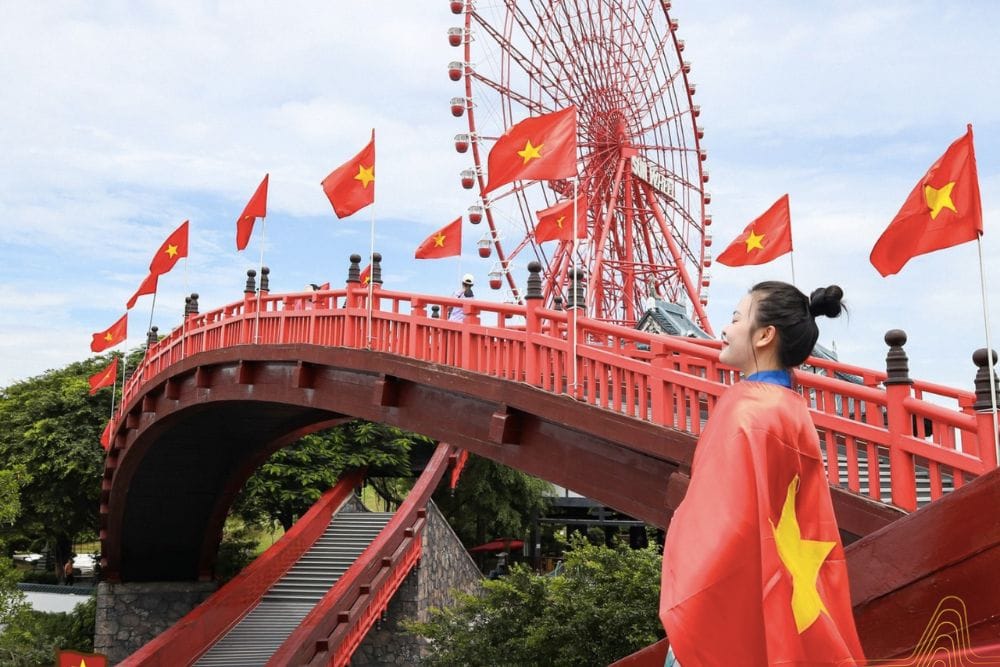
The flag is a common sight, flown on government offices, public buildings, and private homes as a sign of respect for the country
This year’s celebrations will be especially grand, with a large-scale military parade featuring thousands of officers and soldiers from Vietnam’s armed forces. Military equipment, including artillery and fighter jets, will be on display, offering a rare and unforgettable experience for spectators.
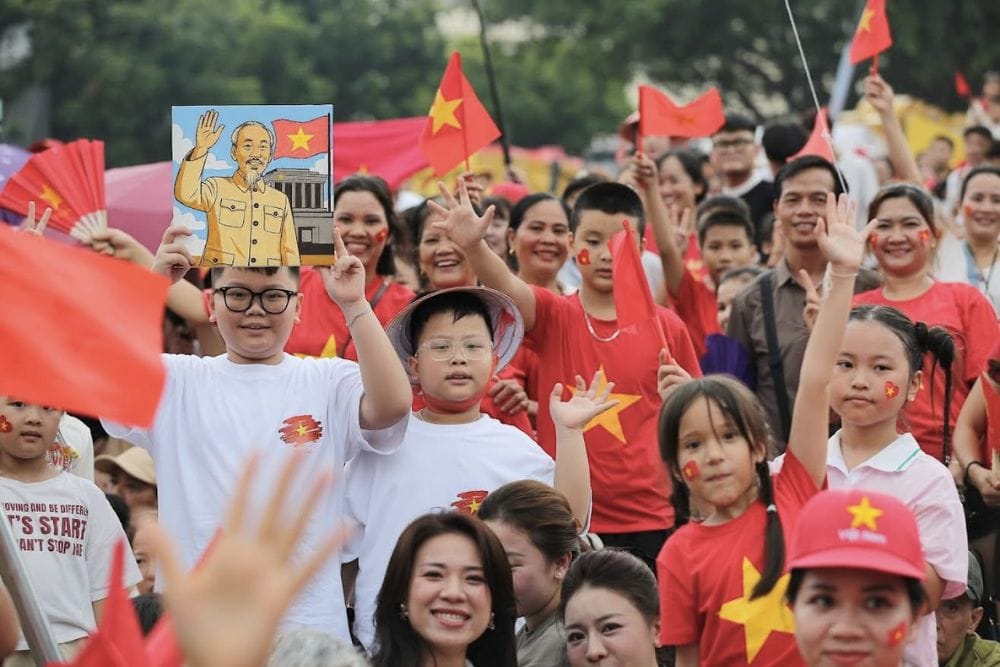
Families sharing festive atmosphere to celebrate September 2nd.
National Day is both a time for reflection on Vietnam’s rich history and a celebration of the unity, resilience, and achievements that continue to shape the nation today. For visitors, it offers a unique opportunity to witness the country’s patriotic spirit at its most vibrant.
Different from China, This holidays in VietNam Celebrated the end of harvest season under the brightest full moon of the year, Vietnam’s Mid-Autumn Festival is a night of nostalgia, family reunion, and childlike wonder. Rooted in the folk tale of Cuội, the woodcutter carried to the moon with his magical banyan tree, the festival blends myth and memory: when the moon is roundest, families look up to spot the silhouette of Cuội beneath the ancient tree and share stories that link generations.
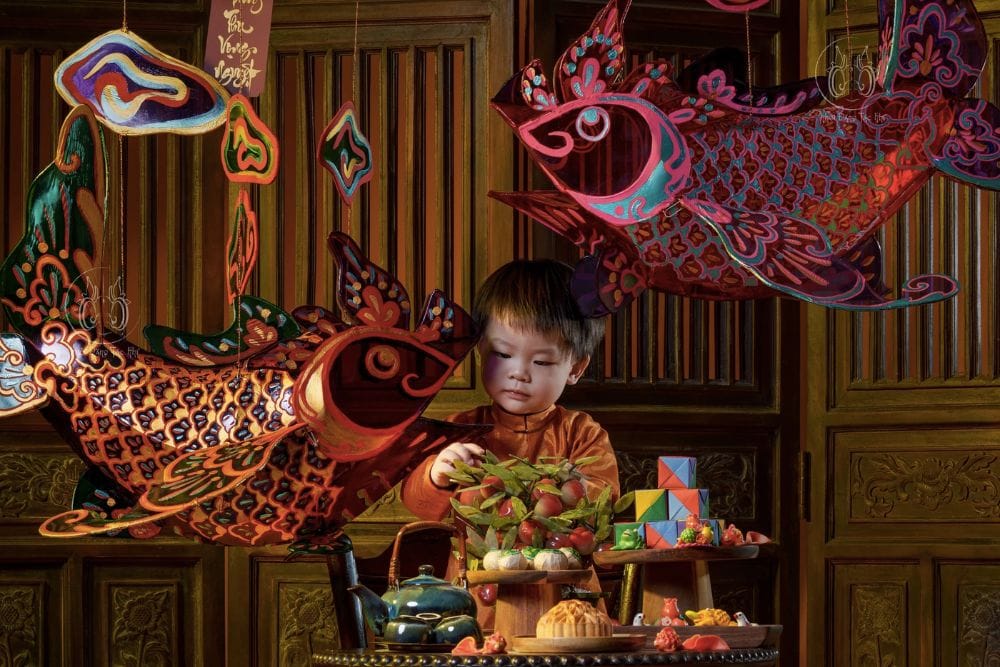
Children playing with star and animal-shaped lanterns during the lantern parade.
Some chronicles trace courtly observances back to the Lý Dynasty in Thăng Long (Hanoi), when rites of gratitude were offered for life-giving rains and abundant harvests.
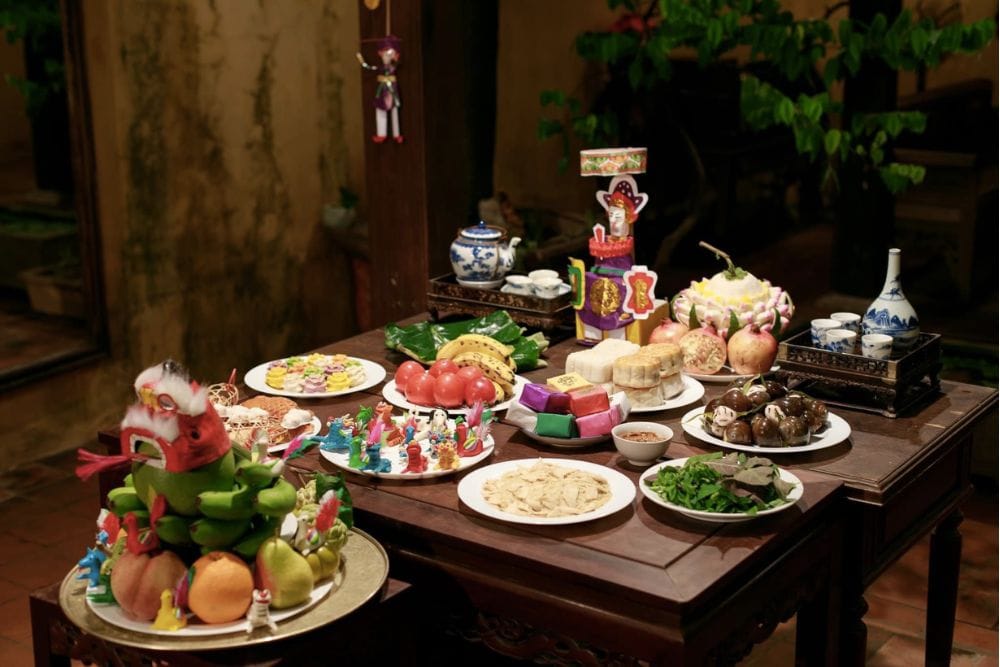
Families prepared mooncakes and fruit offerings at home.
By day, households prepare ancestral offerings; by night, courtyards and streets glow with star-shaped lanterns, candlelit processions, and the thunder of lion dances symbolizing luck and prosperity. Mooncakes—round for reunion—are sliced and shared with tea alongside trays of seasonal fruit, reinforcing bonds of kinship and gratitude.
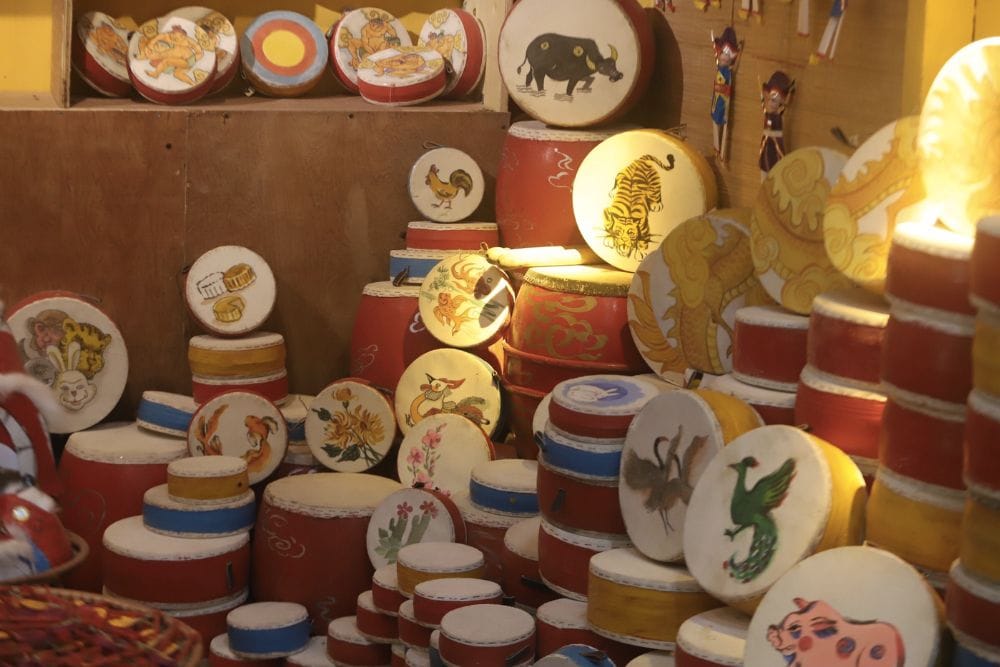
Villagers selling traditional drum and other decorative during the festival.
Once a festival of adults savoring poetry and moon-viewing, Mid-Autumn has become Vietnam’s beloved children’s holiday, when parents host lantern parades, games, and sweet “breaking-the-feast” moments that tighten family ties.
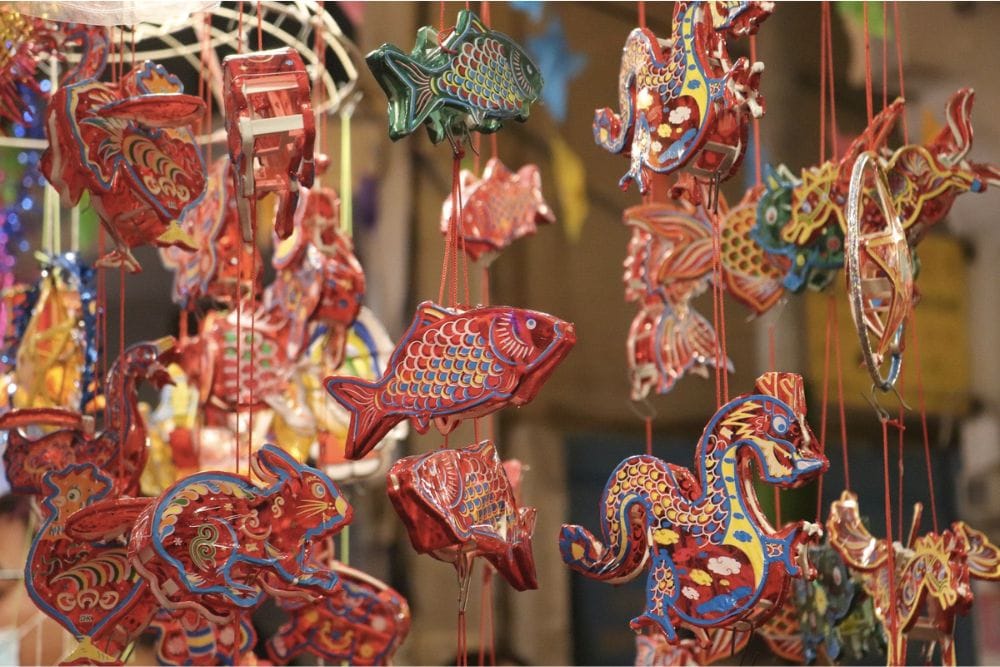
Lanterns adorn cities across Vietnam during Mid-autumn Festival.
Travelers can join community lantern walks, watch drum-led lion dances, and enjoy moon-gazing from riversides or rooftop terraces. Listen for trống quân (antiphonal folk singing) in some villages, a playful tradition of courtship under moonlight. Folklore even reads omens in the moon’s hue—golden for silk harvests, clear orange for national prosperity. If you visit, dress modestly for temple areas, bring a small lantern, and taste both baked and snow-skin mooncakes to savor the festival’s full flavor.
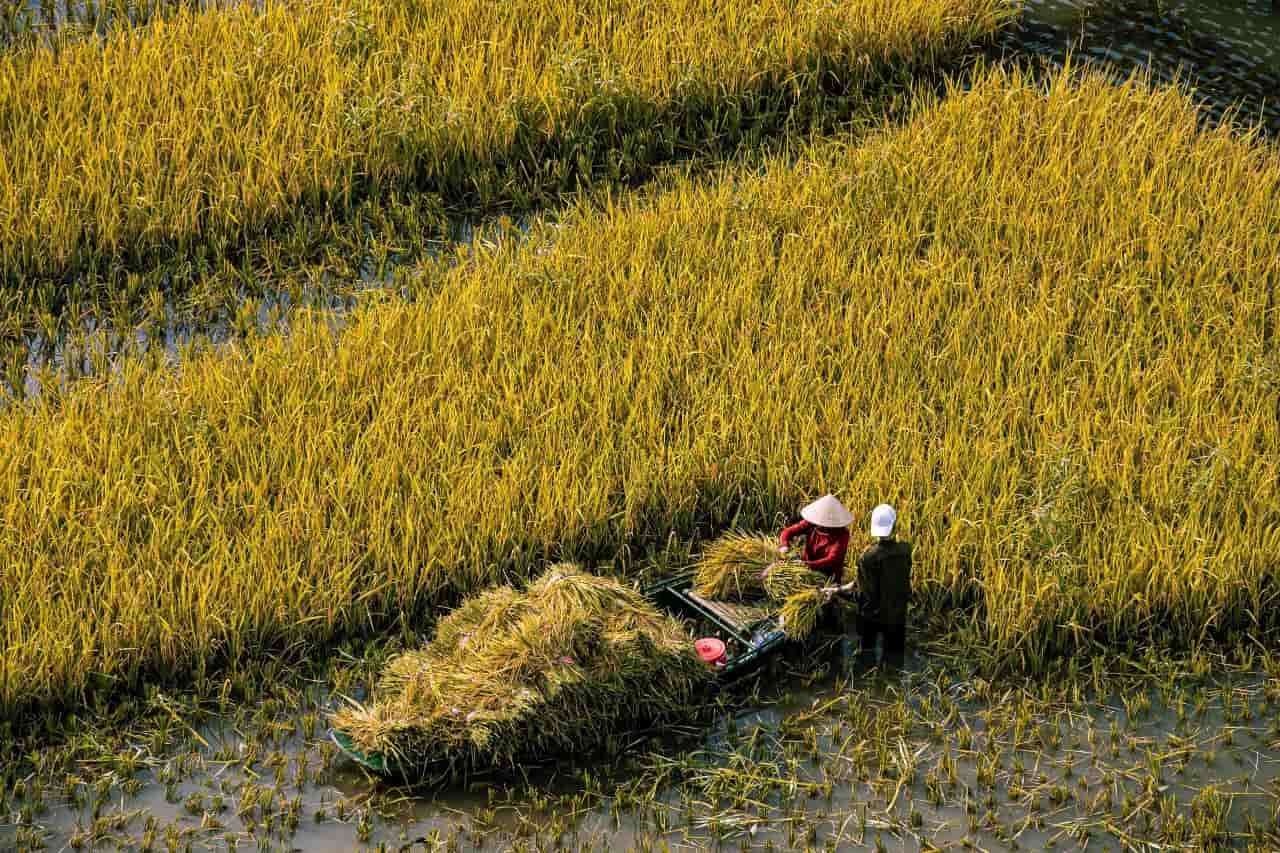
Vietnam is home to some of the world’s most breathtaking landscapes, many recognized by UNESCO for their beauty and cultural value. Public holidays offer the perfect chance to escape the bustle of daily life and immerse yourself in nature’s embrace.

Tourists cruse in Ha Long Bay’s emerald waters.
In the north, popular getaways include the emerald waters and towering limestone cliffs of Ha Long Bay, the mystical Trang An Scenic Landscape Complex, the winding Ha Giang Loop, the misty hills of Sapa, and the tranquil valleys of Pu Luong. Each destination offers its own blend of adventure, culture, and scenery.
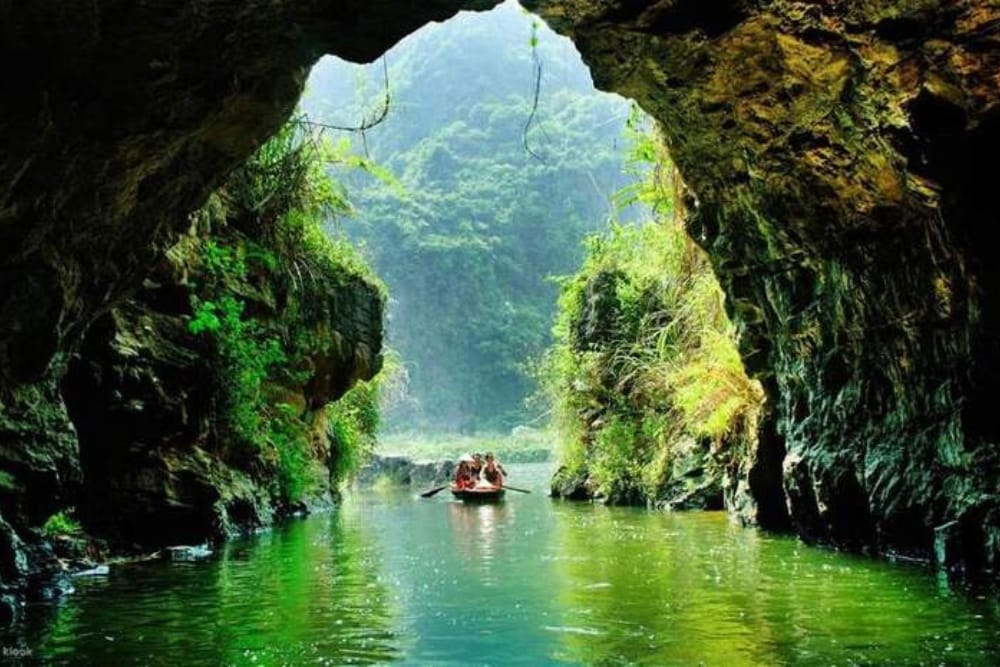
Exploring the UNESCO-listed Trang An Scenic Landscape in Ninh Binh also a great choice for your holiday
In the south, travelers are drawn to pristine beaches and turquoise waters on islands like Ly Son, Phu Quoc, and Con Dao, as well as the lush waterways of the Mekong Delta. Whether hiking through mountains, cruising past rice paddies, or basking on sun-kissed shores, Vietnam’s natural beauty during public holidays is a vivid reminder of the country’s charm and vitality.
Public holidays are also the perfect time to explore Vietnam’s rich tapestry of culture and history. From the north to the south, the country offers a wealth of heritage sites that tell stories of resilience, wisdom, and tradition. Notable destinations include Hanoi’s Temple of Literature, the UNESCO-listed Thang Long Imperial Citadel, Hoa Lu Ancient Capital, the Hue Imperial City, and the Kim Lien Memorial Site honoring President Ho Chi Minh.

Imperial citadel of Hue with traditional Vietnamese architecture.
Other must-visit sites are the ancient Co Loa Citadel, the Independence Palace in Ho Chi Minh City, the Cu Chi Tunnels, the sacred Yen Tu Mountain complex, and the historic Lenin Stream area.
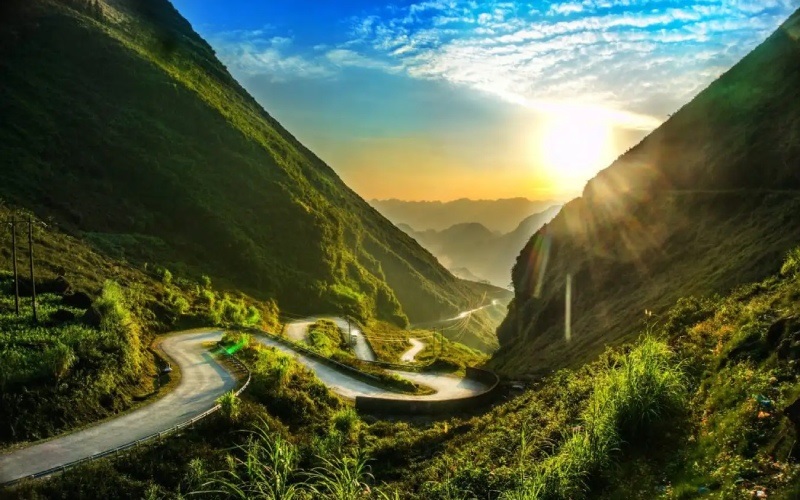
The Ha Giang loop is a scenic motorbike route in Vietnam that winds through majestic mountains, offering panoramic views of rice terraces.
Visiting these landmarks allows travelers to learn about Vietnam’s proud history of nation-building and defense, as well as enduring traditions such as uống nước nhớ nguồn (gratitude to one’s roots), respect for education, and reverence for teachers.

ConDao Island is an archipelago of stunning natural beauty, rich history, and vibrant culture.
Many sites also offer insights into the country’s diverse spiritual landscape, including Buddhism, Confucianism, and Christianity. Each visit provides not only knowledge but also a deeper appreciation for Vietnam’s cultural identity.
For many travelers, public holidays are the perfect opportunity to rest, recharge, and step away from the fast pace of city life. Escaping to nature not only restores energy but also offers a chance to reconnect with oneself in serene surroundings.

Tranquil sunrise yoga session at Jiva Hoalu Retreat in Ninh Binh.
Across the country, a variety of retreats provide peaceful escapes set amid stunning landscapes. Guests can immerse themselves in the tranquil beauty of Jiva Hoa Lư Retreat (Ninh Binh), Ville de Mont (Sapa), Pu Luong Eco Garden (Thanh Hoa), Anam Mui Ne (Binh Thuan), Amanoi (Khanh Hoa), Six Senses Con Dao (Con Dao island) which offer world-class comfort alongside breathtaking views.
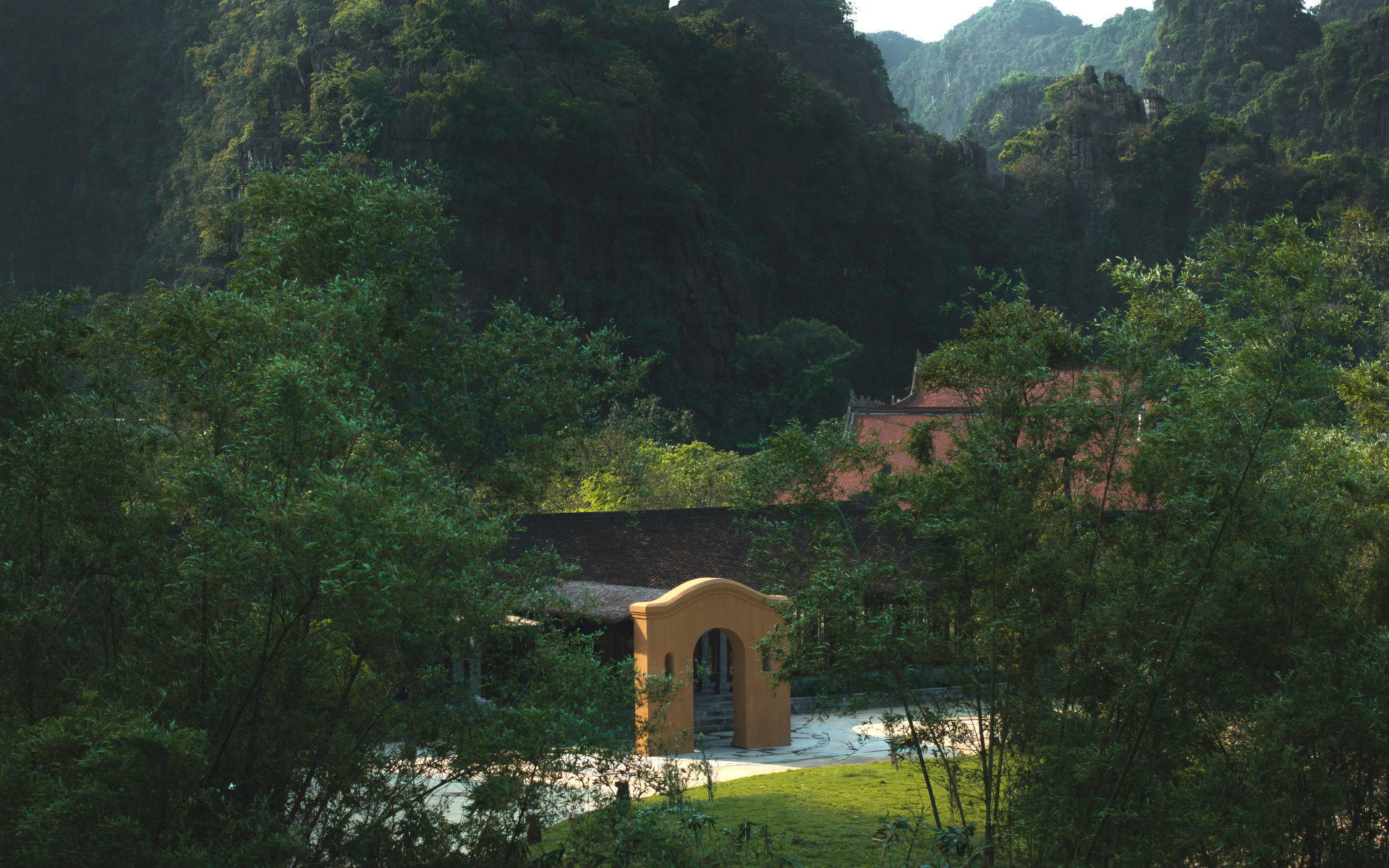
Luxury resort surrounded by lush greenery in Ninh Binh
Whether enjoying a morning yoga session, savoring spa treatments, or simply listening to the sounds of nature, these retreats make public holidays a time for complete relaxation. Book your room today to grab the hottest deals and get ready for your trip to Vietnam!
Public holidays in Vietnam are often marked by vibrant festivals that bring communities together in celebration. One of the most significant is the Hung Kings’ Festival (Giỗ Tổ Hùng Vương), honoring the nation’s legendary founders. Lunar New Year is another highlight, when famous temple festivals such as Perfume Pagoda Festival, Lim Festival, Thai Vi Temple Festival, and Giong Festival draw crowds from across the country.

Villagers singing traditional songs during the festival.
Beyond traditional celebrations, public holidays also feature music performances, cultural showcases, and regional food fairs where visitors can sample specialties from every corner of Vietnam. These events offer a lively blend of heritage and modern entertainment, making them a wonderful way to experience the country’s spirit and hospitality.
No visit to Vietnam during public holidays would be complete without savoring its vibrant culinary scene. Blessed with a tropical climate and abundant natural resources, the country offers an impressive variety of fresh ingredients, from succulent seafood to crisp vegetables and fragrant herbs.

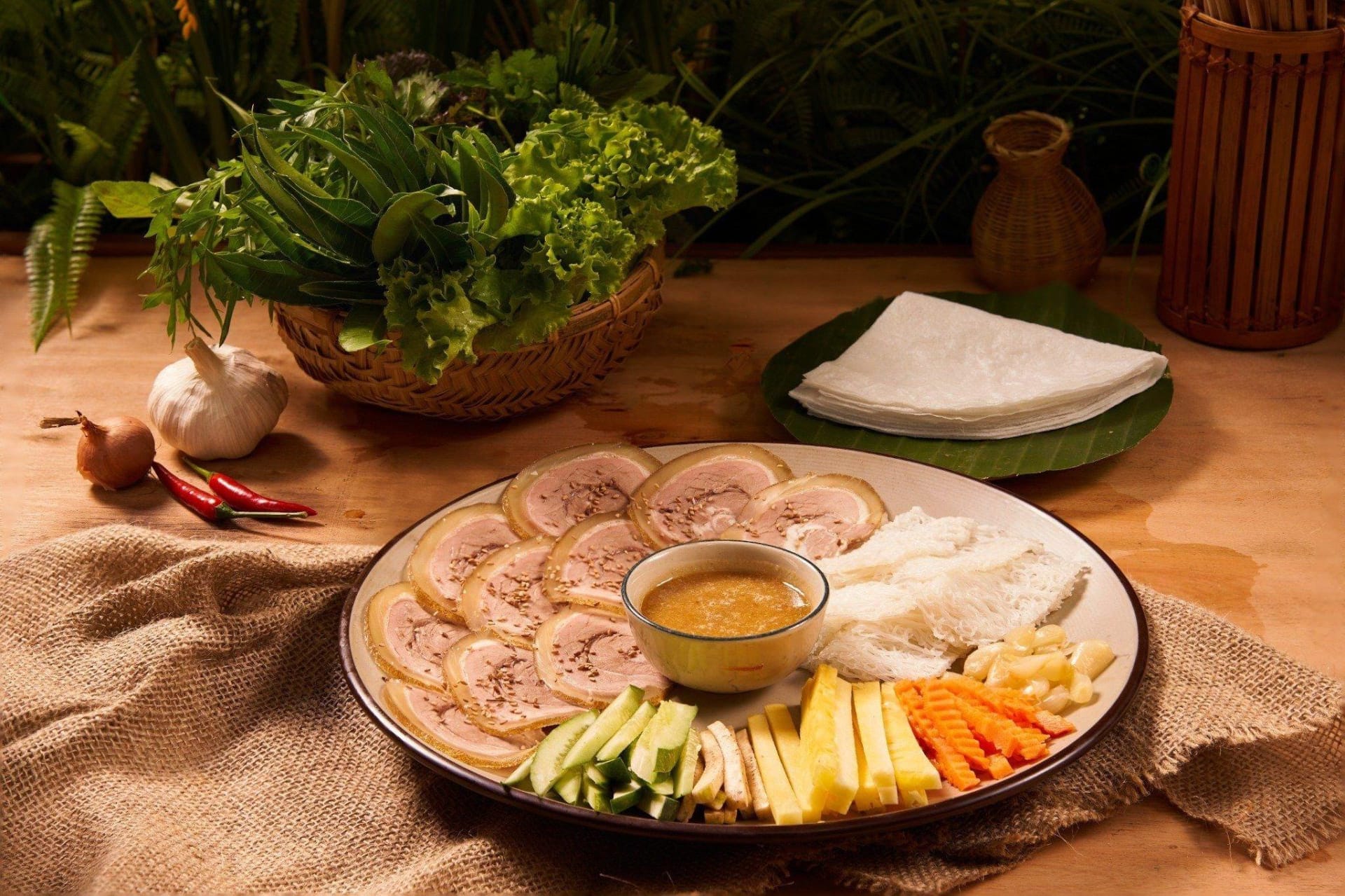
Beloved dishes such as pho, fresh spring rolls, banh mi, grilled seafood, crispy rice with goat meat from Ninh Binh, pork and vegetable rice paper rolls, and cha ca (grilled turmeric fish) showcase the diversity of flavors found across the nation.
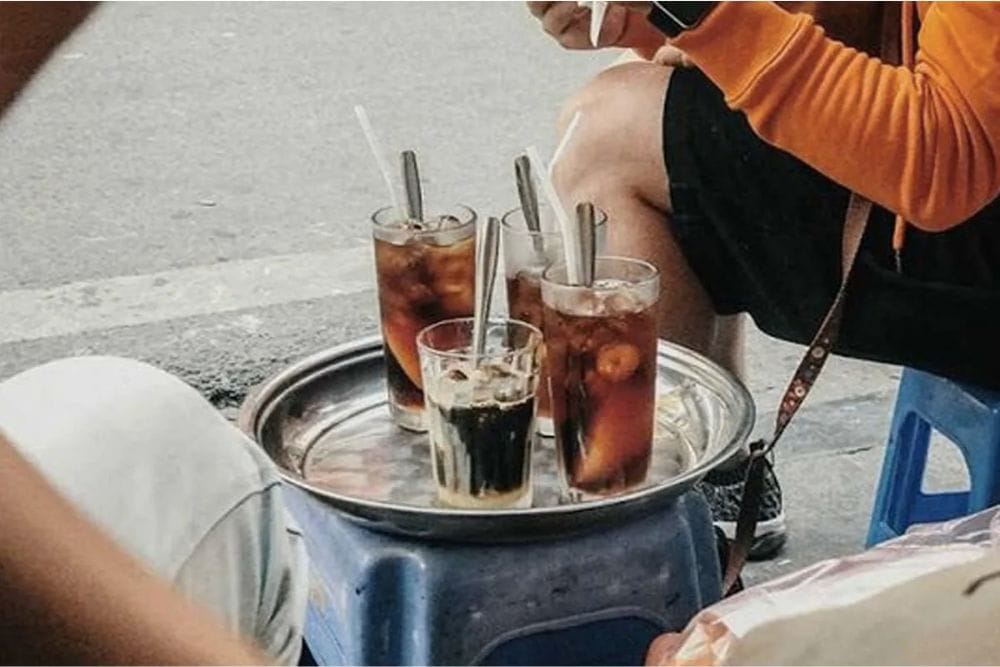
From alleyway brews to the iconic Train Street coffee, the streets of Hanoi and Ho Chi Minh City offer experiences that blend the bustling energy of urban life.
When it comes to drinks, Vietnam is equally inviting. Sip a cup of traditional Vietnamese coffee: rich, aromatic, and often served with condensed milk, or cool off with freshly pressed tropical juices. Each bite and sip tells a story of the country’s culture, history, and love for fresh, flavorful food.
Traveling during public holidays in Vietnam 2026 can be magical—but it also requires extra planning. Expect multi-day closures (longest at Tet) and spike in ticket demand around Tet, Reunification Day (30/4), and National Day (2/9). To stay stress-free:
Timing matters when planning holidays in Vietnam — the right month can turn a good trip into an unforgettable one. For a season-by-season breakdown, weather advice, and the best windows to join local festivals, see our detailed guide: Best Time to Travel to Vietnam 2026.
Immerse yourself in a stay where northern Vietnamese architecture meets world-class comfort. At Jiva Hoalu Retreat, each accommodation blends locally inspired décor with modern luxuries—offering a unique fusion of culture, tradition, and elegance. Whether you’re here for a romantic getaway, a family escape, or a tranquil retreat, Jiva promises unforgettable moments in the heart of Ninh Binh.
Contact Us:
📞 +84 933 006 886
📧 inquiry@jivahoaluretreat.com
🌐 https://jivahoaluretreat.com/
Book now! to enjoy super hot deals
Thank you for your reservation.
You will receive a confirmation from us momentarily
Thank you for reaching out. Your request has been received. Our team will respond within 24 hours.